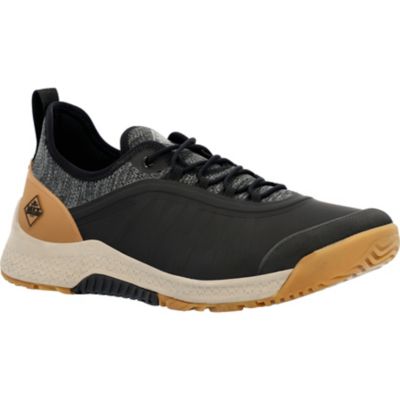
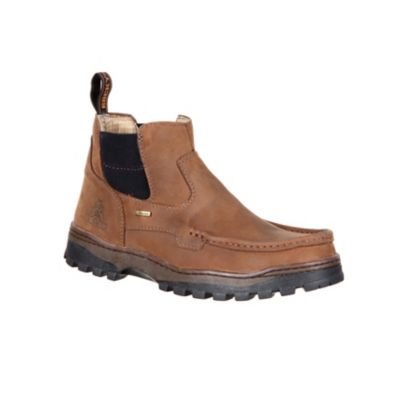
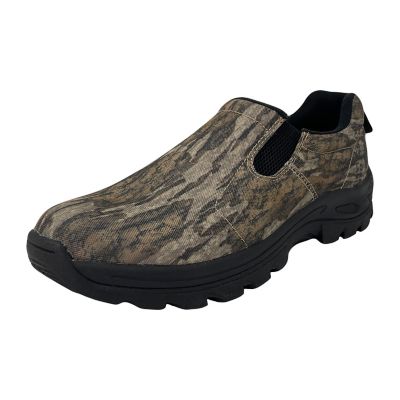
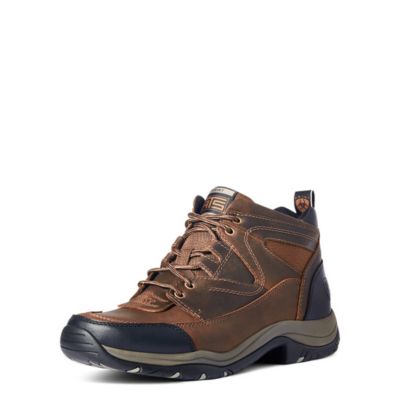
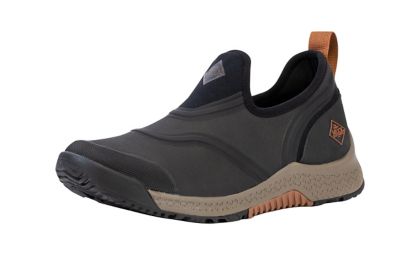
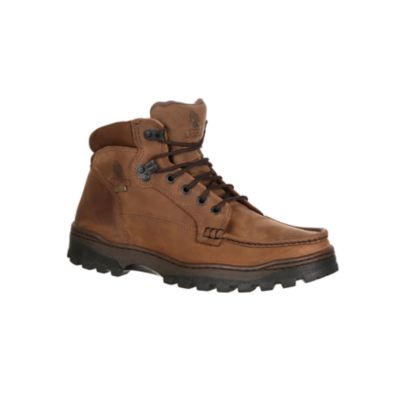
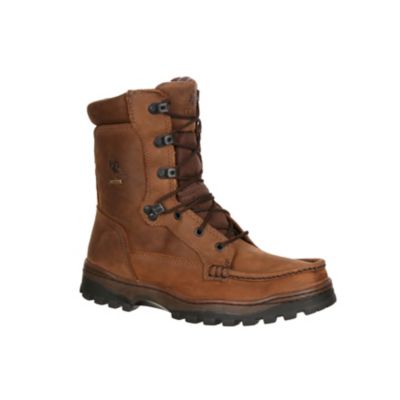
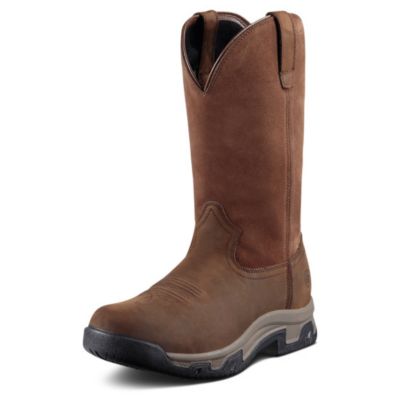
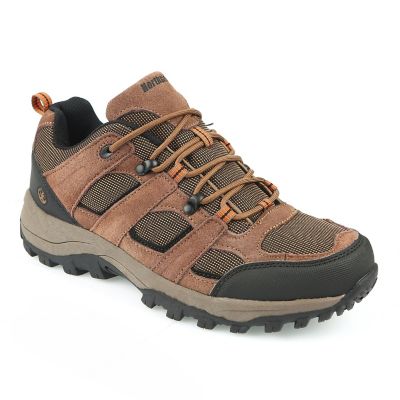
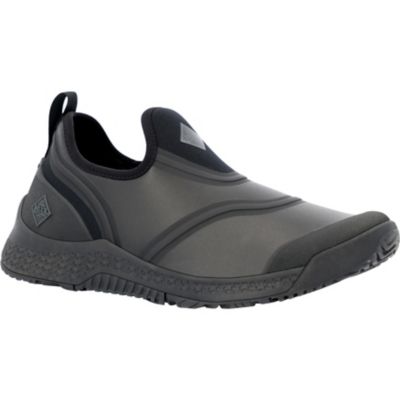
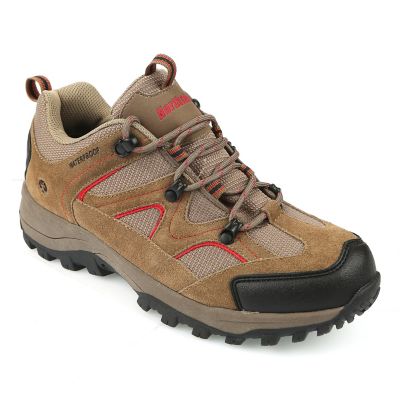
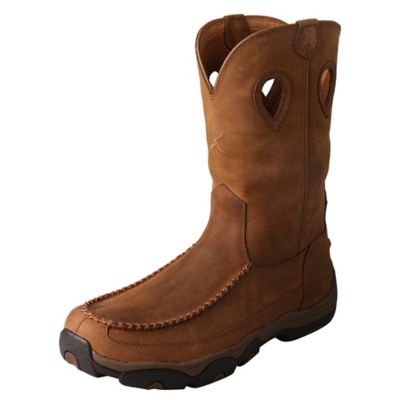
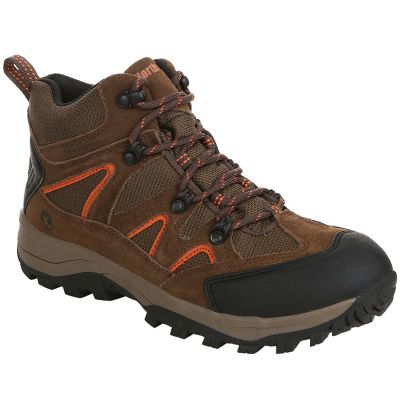
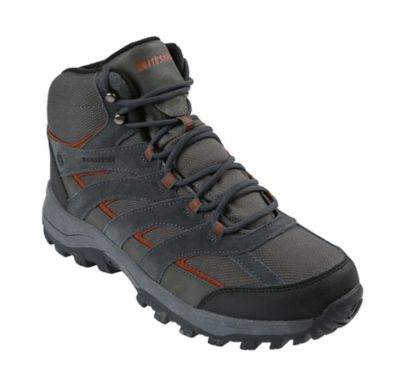
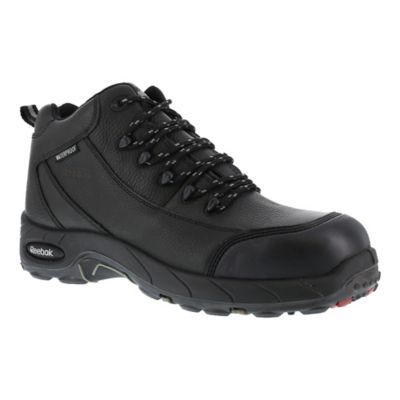
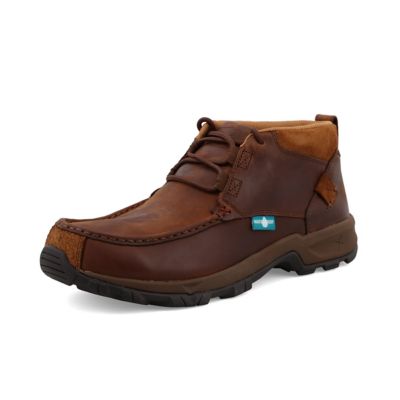
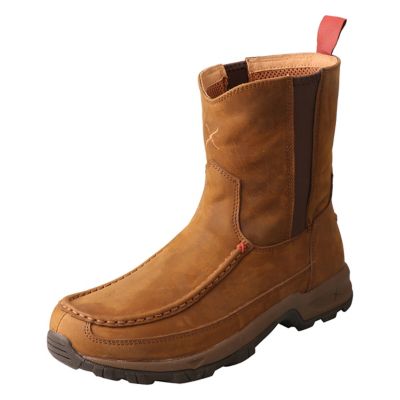
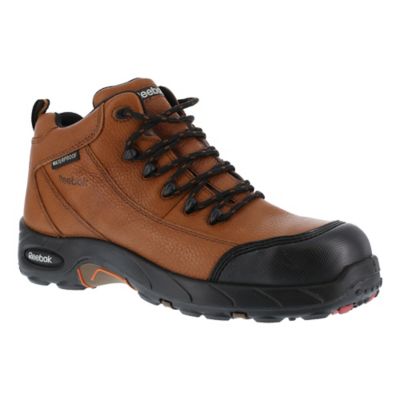
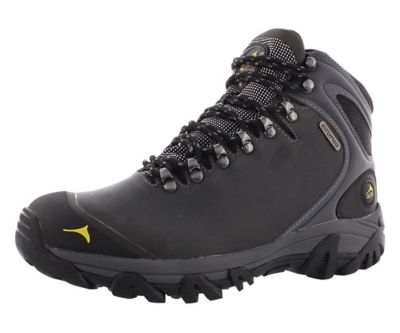
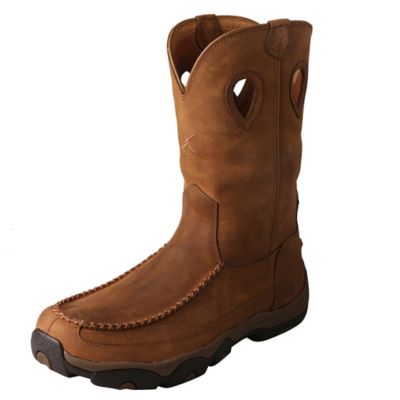
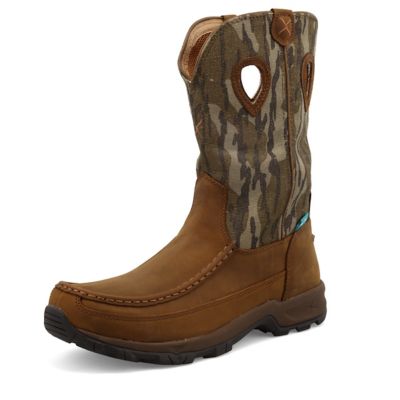
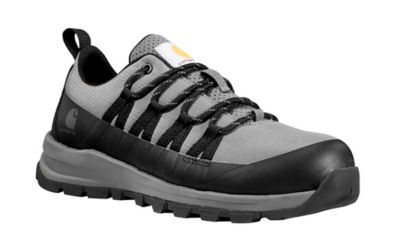
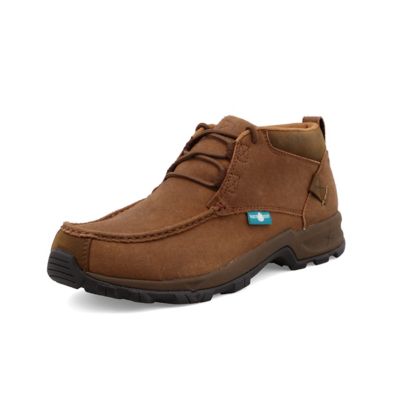
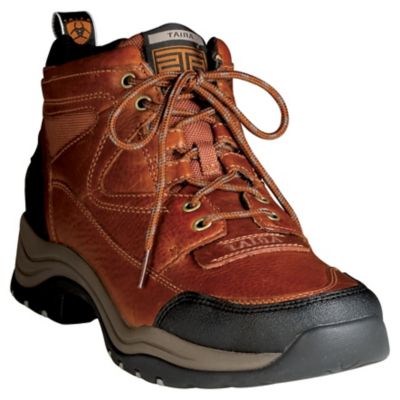
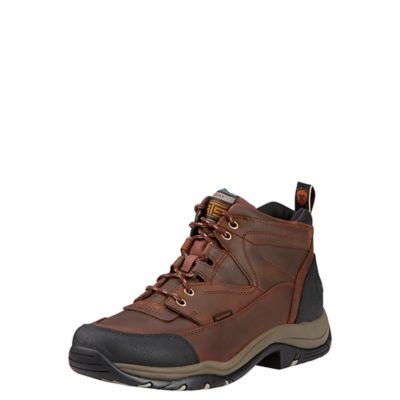
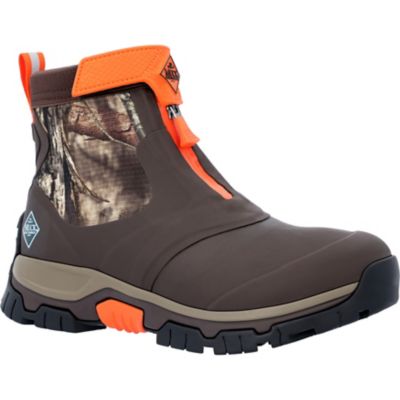
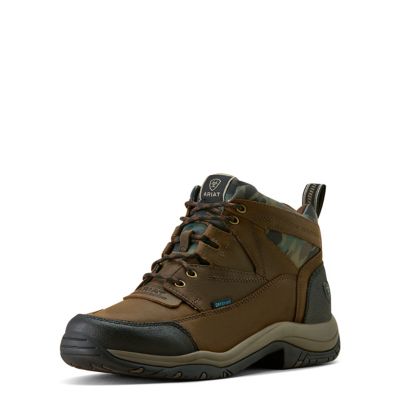
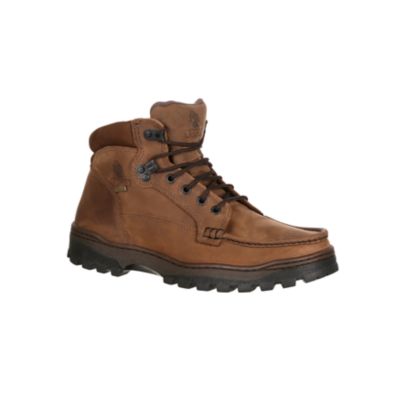
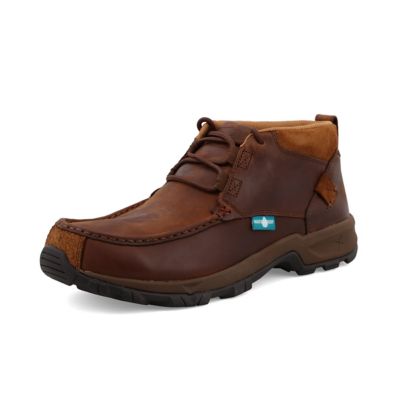
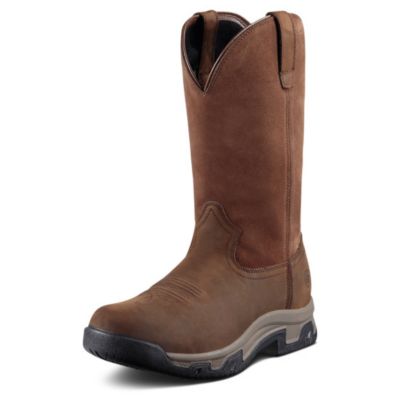
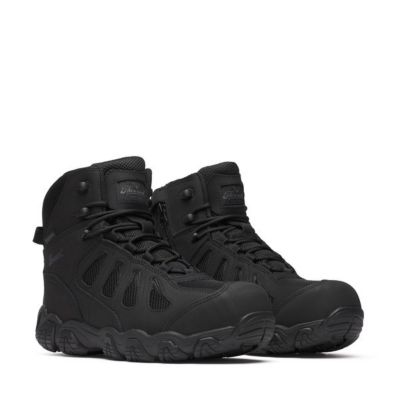
Men's casual hiking shoes blend the comfort of everyday walking shoes with the traction and underfoot protection suited to light trails. They make sense for the kind of day that starts with a stroll down a gravel lane, takes a turn onto a park path and ends with a stop in town. Compared with taller hiking boots, low-cut designs leave more room for ankle movement and often feel less cumbersome for errands, travel and relaxed walks. The emphasis is on easy movement across a mix of surfaces, rather than carrying a heavy pack over demanding backcountry terrain. A rubber outsole with distinct lugs can help grip loose dirt and gravel, while a cushioned midsole takes some of the edge off hard ground. Lug depth and spacing matter: deeper, widely spaced patterns tend to shed loose material more readily, while shallower patterns can feel smoother on pavement. No tread makes every surface surefooted, and a shoe that feels comfortable on a sidewalk may behave differently on loose stones. The upper also shapes how a shoe feels through the day. Leather and suede bring structure and a more substantial feel, while synthetic fabrics and mesh can reduce weight and allow more airflow. Reinforced panels around the toe and heel help shield spots that rub against rocks, roots and trail edges. Some designs combine these materials, giving the forefoot room to flex while keeping more structure around the heel. Men who prefer a lighter, airier feel may gravitate toward
Mens Breathable Hiking Shoes, especially for walks that involve plenty of time on foot. Simple colors and low-profile shapes help casual trail shoes pair with jeans, work pants or hiking shorts without looking out of place at the feed store or a roadside diner. That balance between outdoor function and everyday wear sets this category apart from footwear made strictly for technical hiking.
Fit matters just as much as tread when a short walk turns into a few miles. Men's casual hiking footwear should hold the heel comfortably without squeezing the forefoot, with enough space ahead of the toes that they do not bump the front on a downhill stretch. A roomy toe box and a wide shoe are not necessarily the same thing; toe shape, midfoot volume and heel width all affect how securely a pair sits. Standard and wide sizing can help address different foot shapes, but the size printed inside is only a starting point. Trying shoes with the socks intended for walking gives a better sense of the fit, and checking them later in the day accounts for the natural swelling that can happen after hours on foot. The laces should draw the upper snugly around the foot without creating a tight band across the instep. Persistent heel lift, pinched toes or rubbing at the collar are signs that the shape or size may not be right. Cushioning also varies, from a softer step-in feel to a firmer platform that feels steadier over uneven ground. More cushioning does not automatically mean more support, and a thick sole is not a guarantee of comfort. A somewhat flexible forefoot can make an everyday stride feel natural, while additional stiffness underfoot may reduce how sharply small stones press through the sole. Removable footbeds can make room for compatible replacement insoles, provided they do not crowd the toes or lift the heel too high. Heel-to-toe drop, the height difference between the back and front of the sole, can change how the stride feels, too. A big departure from familiar footwear may take a gradual adjustment. For men who alternate between walking the property, visiting a local trail and standing through errands, the best match is usually a balanced combination of secure fit, manageable weight and cushioning that stays comfortable beyond the first few steps.
Construction and care influence how well casual hiking shoes hold up to repeated wear. Stitching around high-flex areas, overlays at common scuff points and a firmly attached outsole all deserve attention because gravel paths and pavement put different demands on footwear. Leather often needs a care routine suited to its finish, while suede benefits from a brush intended for its textured surface. Mesh and synthetic uppers generally call for gentle cleaning rather than aggressive scrubbing. Following the footwear maker's directions helps protect adhesives, finishes and fabrics that may respond differently to cleaning products. Brushing away loose dirt before wiping the upper keeps grit from being worked farther into seams and panels. When a more thorough cleaning is needed, removing the laces and removable footbeds allows better access and helps the separate pieces dry. Air-drying away from a heater or other direct heat source is generally gentler on the shoe's components; machine washing or tumble drying should only happen when the care directions allow it. Between outings, a little space for air circulation helps the inside dry fully. Wear patterns can also tell a useful story. Flattened tread, a midsole that feels noticeably compressed, an outsole pulling away from the upper or a heel lining worn through may signal that a pair needs attention or replacement. Casual hiking shoes suit everyday walking and lighter trail outings, but they are not a stand-in for footwear with required workplace protection or for equipment matched to technical terrain. For travel, they can simplify packing by handling sightseeing walks and an easy trail stop with the same pair. They can also make a practical gift for a man who enjoys walking, camping trips or exploring nearby paths, especially when his size, preferred width and usual footwear style are already known. The right pair earns its place by fitting the foot and the day's plans, whether that means a packed-dirt loop or the long way back to the truck.