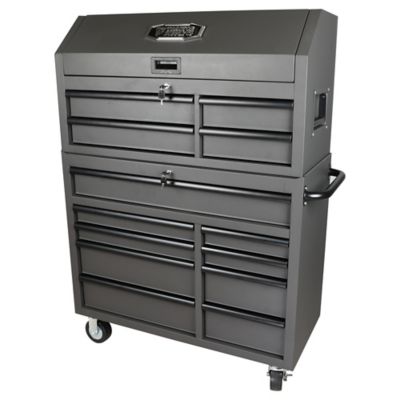
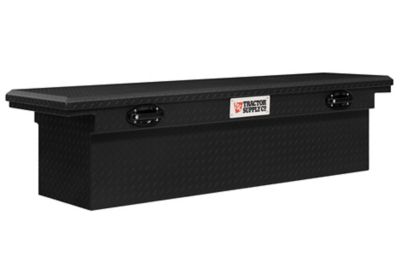
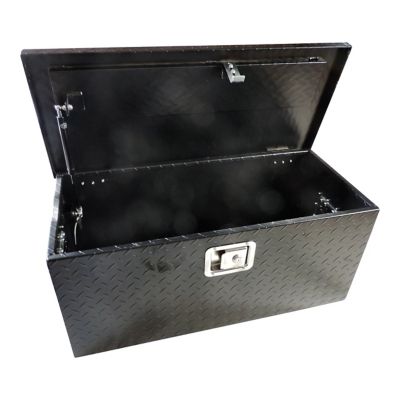
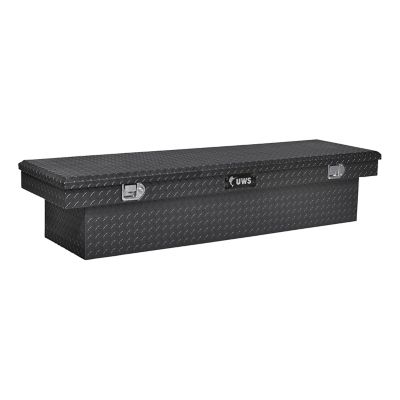
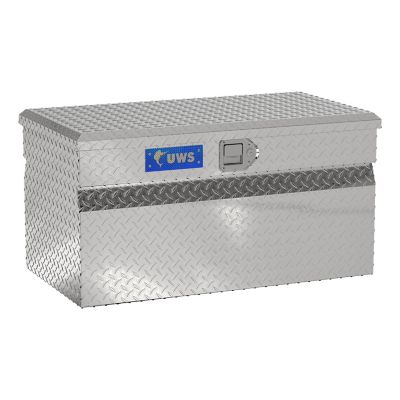
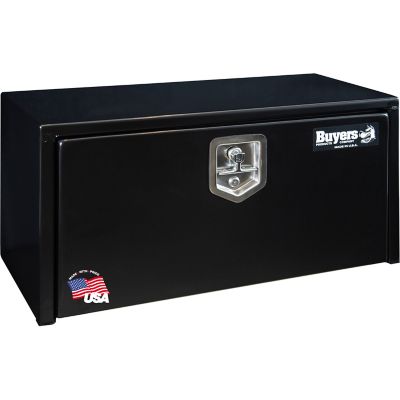
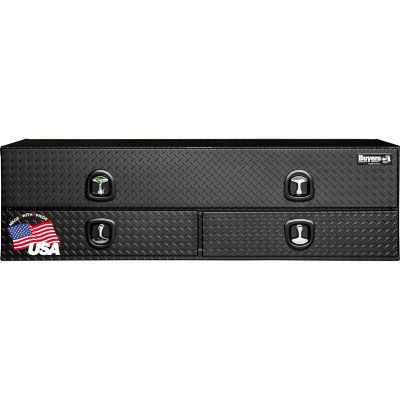
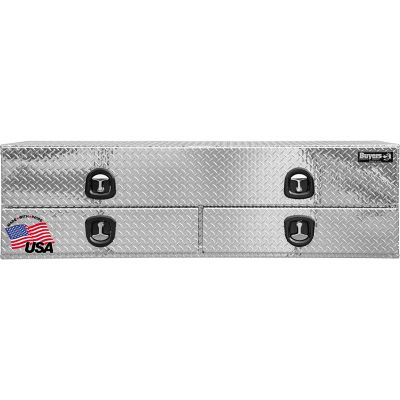
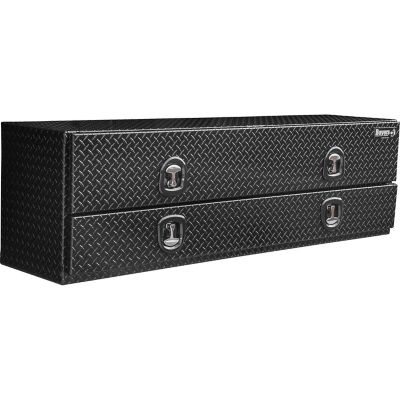
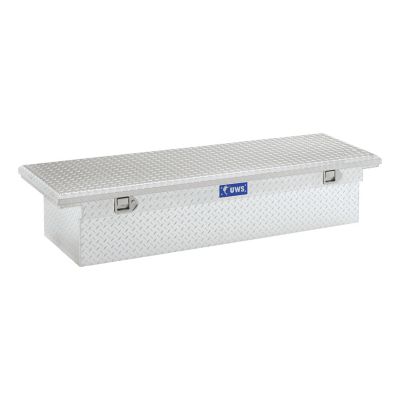
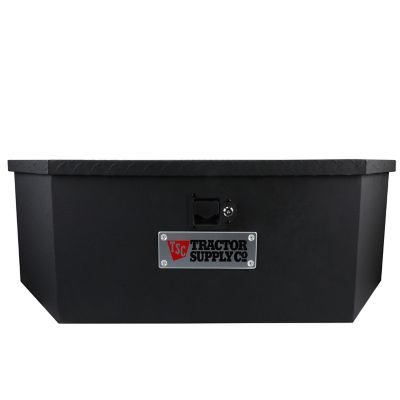
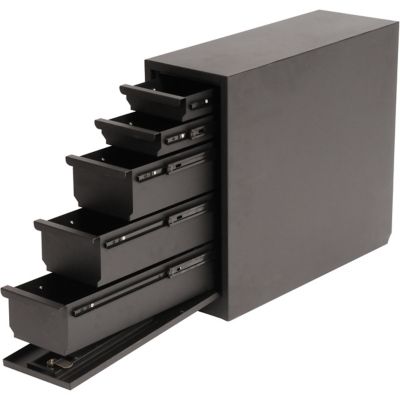
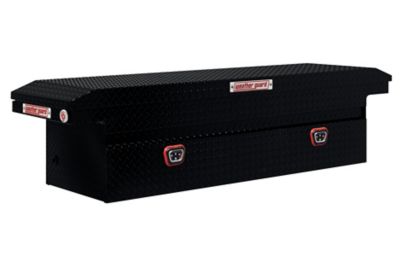
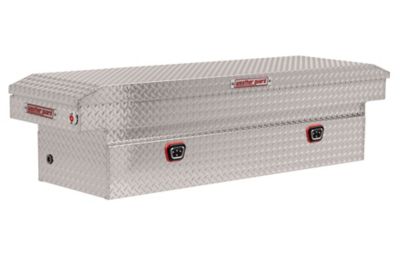
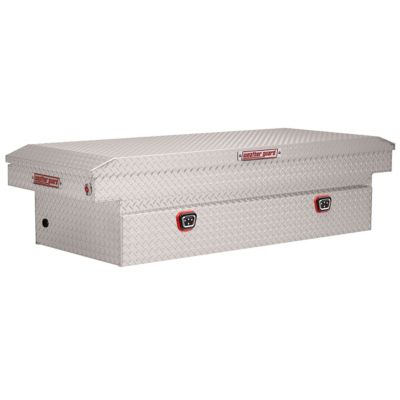
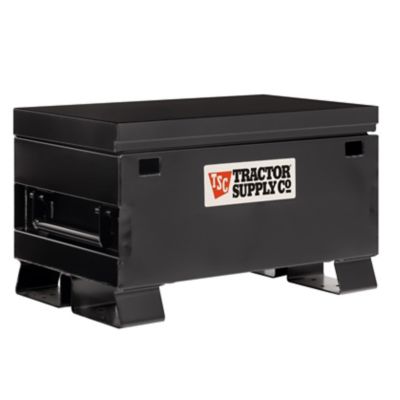
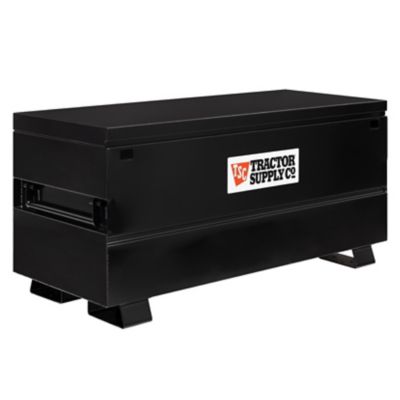
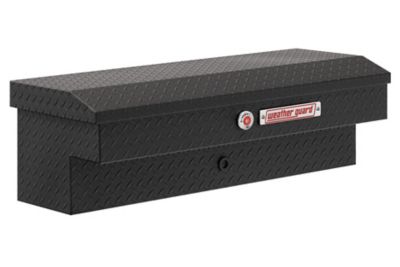
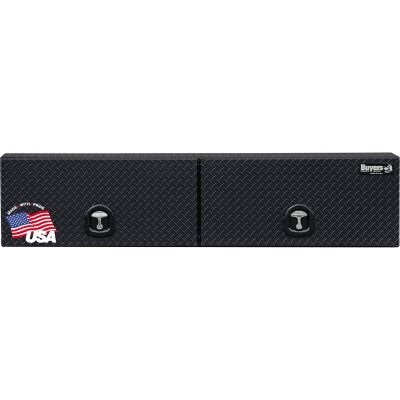
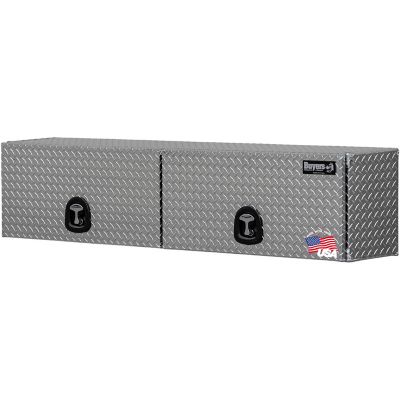
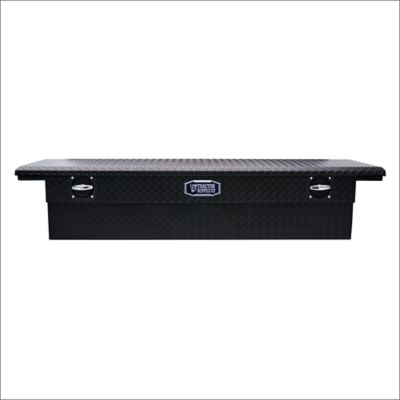
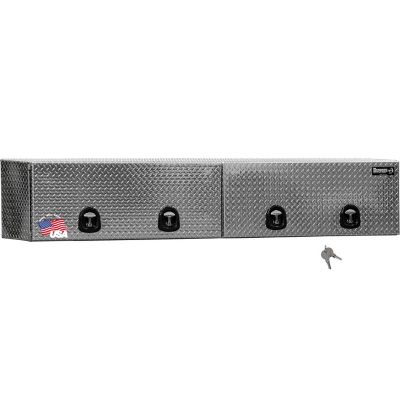
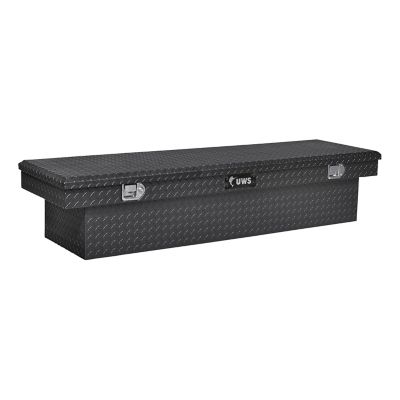
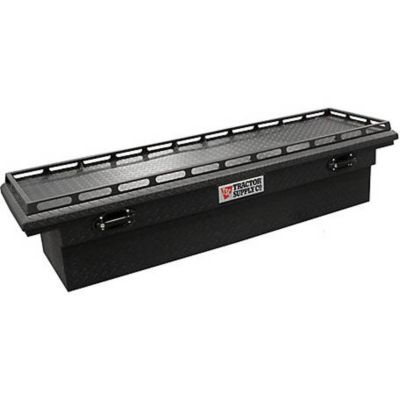
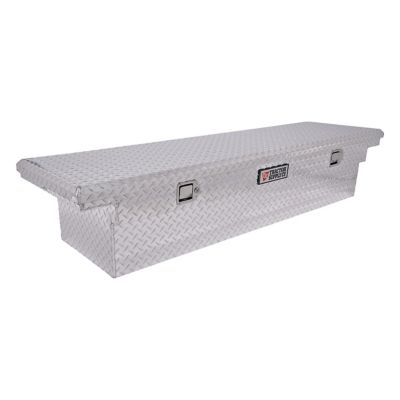
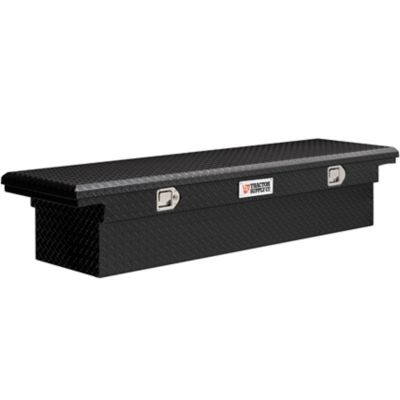
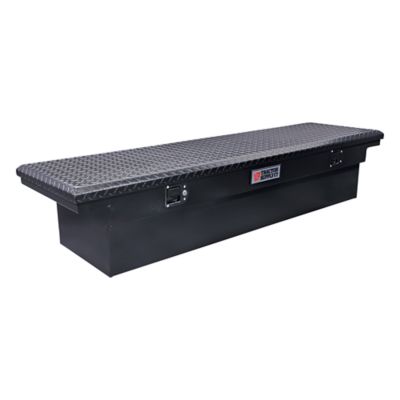
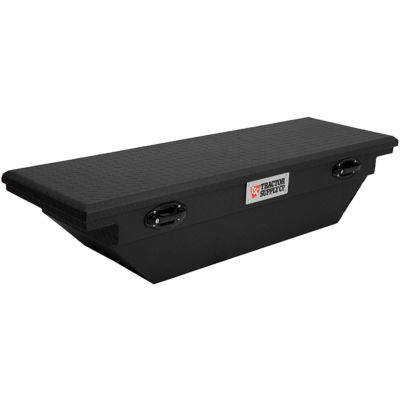
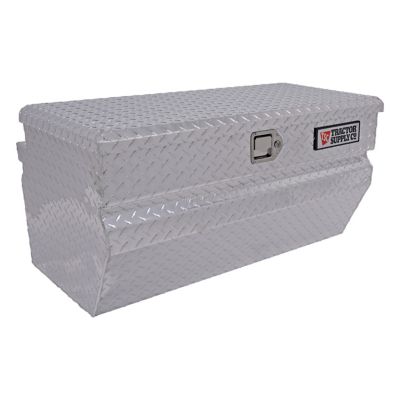
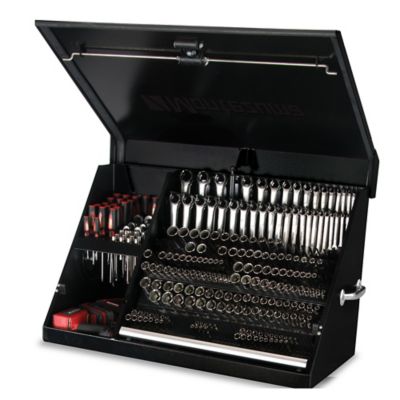
Heavy duty toolboxes give your tools a dependable home when a small plastic tote or light-duty case just will not hold up. They are made for working people who carry tools from the shop to the truck, from the truck to the jobsite, or from one side of the farm to the other. A solid toolbox can keep hand tools, cordless equipment, fasteners, plumbing parts, electrical supplies, and other essentials organized, protected, and ready to grab. They are useful for contractors, mechanics, welders, maintenance crews, farmers, ranchers, landscapers, and serious do-it-yourselfers, but they can also make a thoughtful gift for someone who is always fixing, building, or tinkering. The right style depends on how and where the toolbox will be used. A rolling tool chest is a good fit for a home workshop or garage, where multiple drawers can keep sockets, wrenches, drivers, and measuring tools sorted by job. Look for sturdy casters, a solid frame, smooth full-extension drawer slides, and weight ratings that match the tools you plan to store. Ball-bearing slides are especially helpful when drawers are loaded with heavy sockets or power-tool accessories, since they open evenly and resist sagging over time. A jobsite toolbox or storage chest is better suited to construction areas, barns, utility rooms, and other places where tools need to stay together in a secure, durable container. Reinforced corners, strong hinges, tamper-resistant latches, and a recessed lock can help protect valuable equipment when the box is left in a work area. For pickup owners, a truck toolbox can turn unused bed space into organized storage without leaving tools scattered under a tarp or sliding around with every turn. Measure the truck bed carefully before buying, and pay attention to mounting hardware, lid clearance, and whether the box leaves enough room for larger cargo. Low-profile designs can preserve visibility through the rear window, while crossover and side-mount styles offer different ways to reach tools without climbing into the bed. If you are storing cordless drills, impact drivers, chargers, or other electrical equipment, you may also want to browse
Tool Boxes for Power Tools for storage options suited to that equipment.
Material and construction matter just as much as size. Heavy-gauge steel is valued for its strength and resistance to dents, making it a practical choice for busy shops, service trucks, and demanding jobsites. Aluminum toolboxes offer a lighter alternative and are often chosen for truck beds, trailers, and mobile work where every pound matters. Diamond-plate or tread-pattern surfaces can add grip and help hide everyday scuffs, while powder-coated finishes may provide an extra layer of protection against wear and corrosion. Hard plastic and composite cases can be useful when portability, weather resistance, and easy handling are priorities, especially for technicians who need to carry selected tools into a house, pasture, or remote work area. No matter the material, check the lid fit, seams, corners, and hardware for signs of solid construction. A weather-resistant toolbox should have a dependable overlap at the lid or a closed-cell foam gasket that helps keep rain, dust, and blowing grit away from the contents. Weather sealing does not mean a box can be submerged or left open in a storm, so tools should still be dried before storage and the lid should be closed securely after each use. Capacity is another important consideration. A box that is too small will leave tools piled together, but a box that is much larger than needed can become difficult to move and may encourage overloading. Think about the tools you already own, along with room for the few items you are likely to add over time. Dividers, removable trays, shallow top compartments, and adjustable drawer layouts make it easier to keep small parts from disappearing beneath heavier equipment. During the cooler months, a well-organized toolbox is handy for keeping the supplies needed for equipment checks, fence repairs, snow and ice work, generator maintenance, and routine shop projects close at hand. In the same way, a weather-resistant truck box helps protect tools when the workday moves between a muddy driveway, a drafty barn, and an open field. Before loading up, check the toolbox’s maximum weight capacity and make sure rolling units sit on a level surface. Secure portable boxes during transport, use the mounting points provided for truck boxes, and avoid placing sharp or oversized items where they can damage the lid or gasket. A heavy duty toolbox is not just a place to put tools; it is part of a safer, cleaner, more efficient workspace that helps a long day go a little smoother.