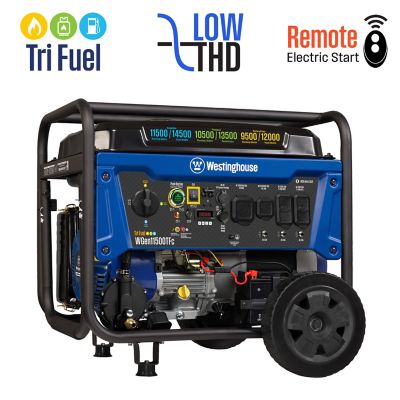
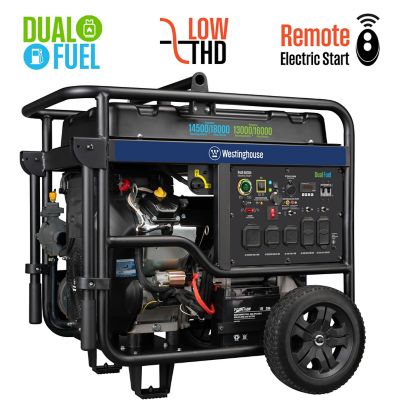
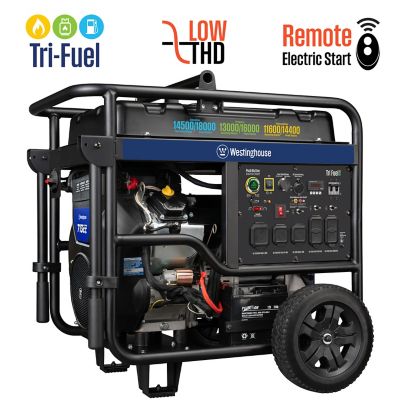
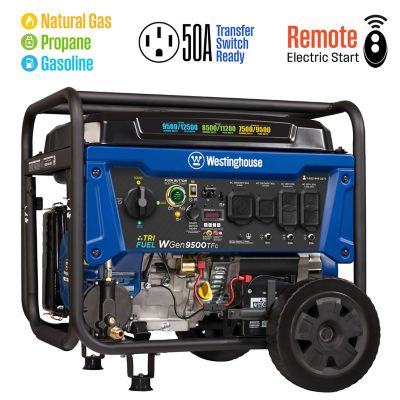
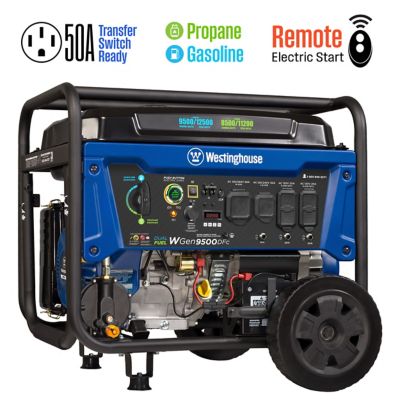
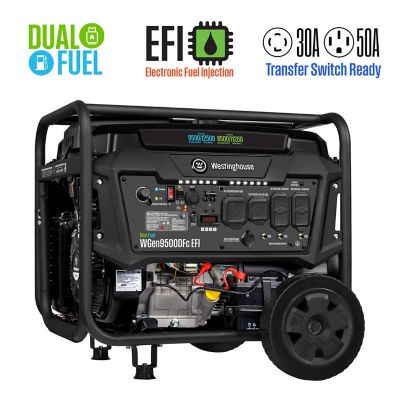
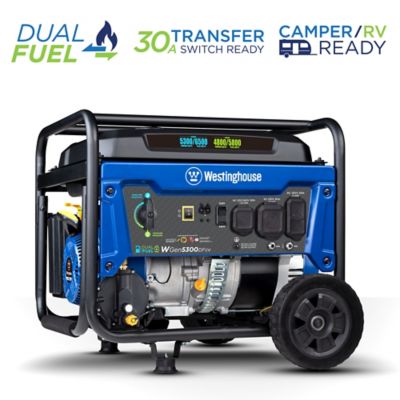
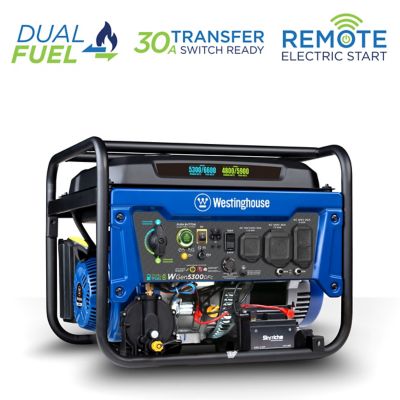
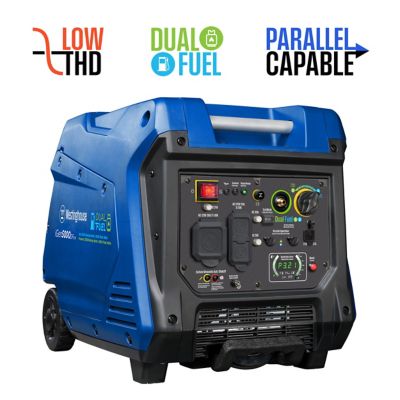
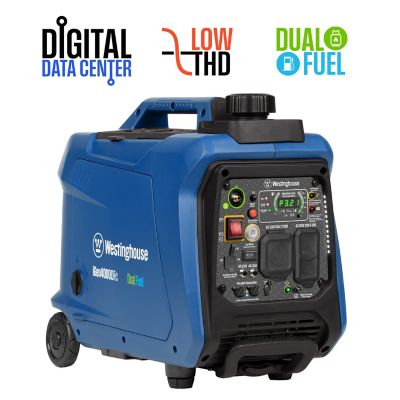
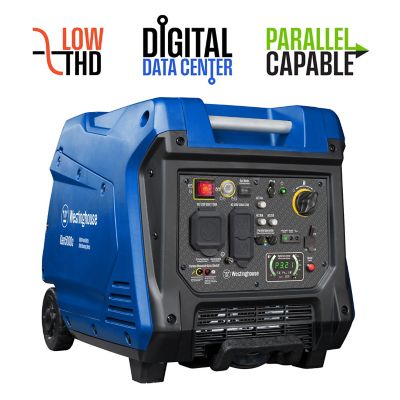
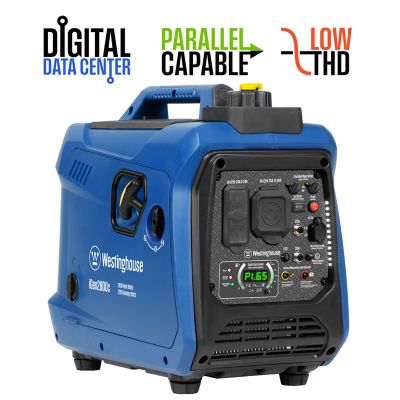
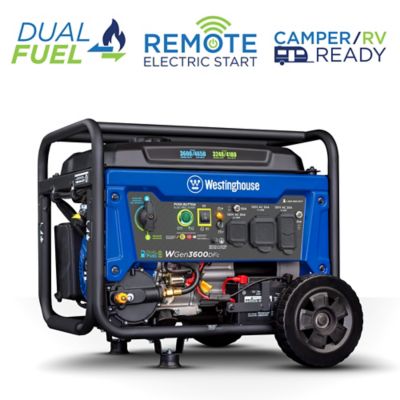
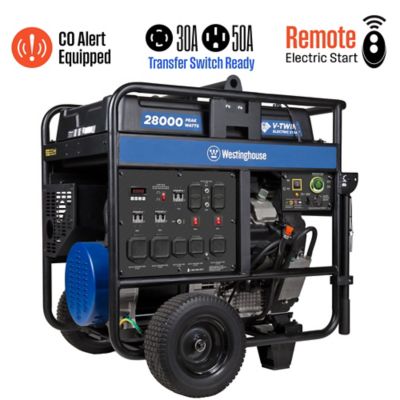
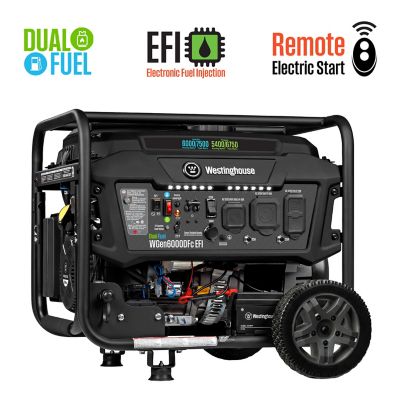
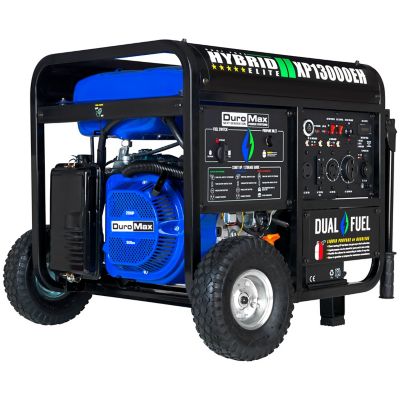
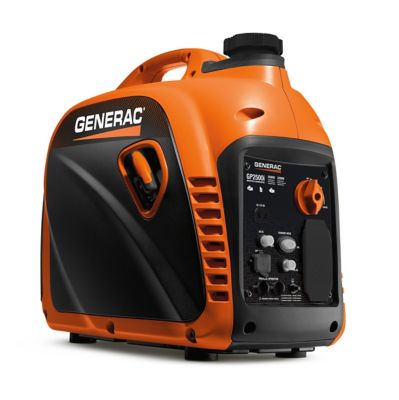
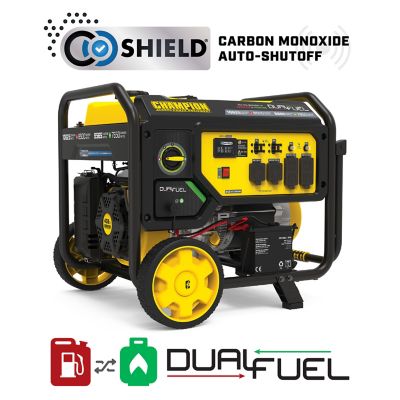
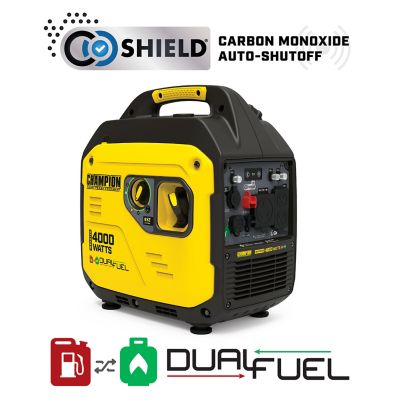
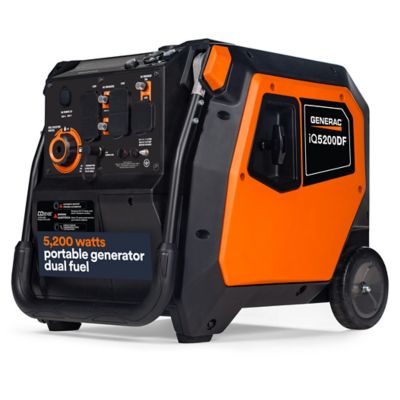
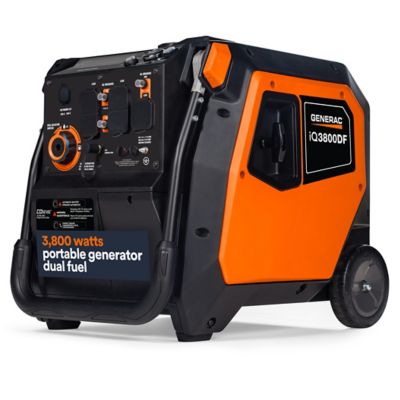
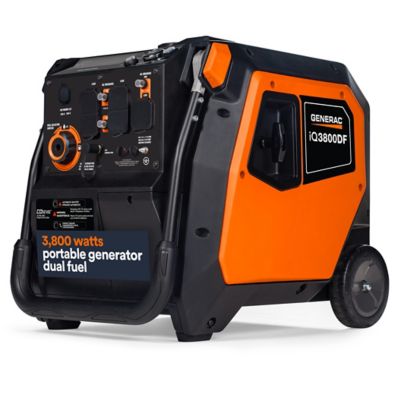
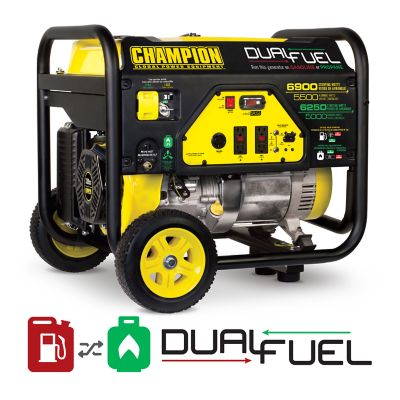
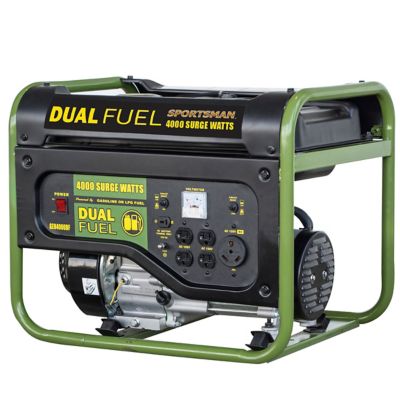
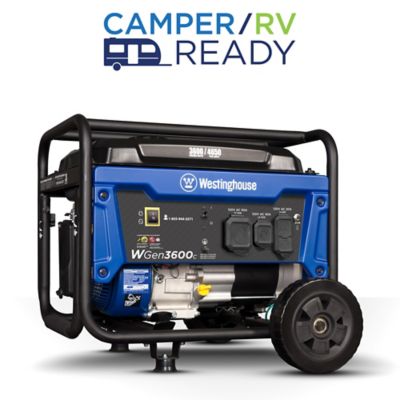
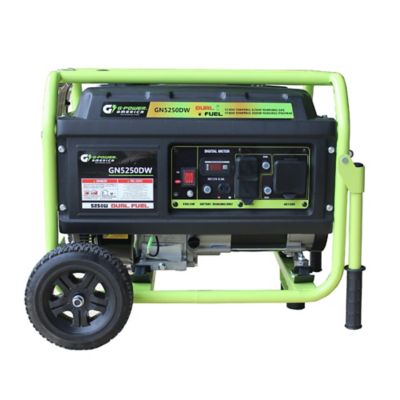
LPG portable generators bring electrical power to places where an outlet is out of reach, from a fence repair site across the pasture to a home dealing with a utility outage. LPG stands for liquefied petroleum gas, and portable generators in this category typically run on propane supplied from a separate cylinder through an approved hose and regulator. That setup gives property owners, contractors, campers, and folks with outbuildings another way to keep essential equipment working. A refrigerator, a few lights, or a battery charger presents a different load than a well pump or a set of power tools, so the right fit starts with the equipment that needs electricity. Running watts describe the power a generator can supply continuously, while starting watts account for the brief extra demand from equipment with motors. A pump kicking on while another appliance is running can make that difference important. Output ratings also deserve a close look on dual-fuel generators, since propane and gasoline operation can carry different wattage ratings. Propane offers a practical fuel-storage advantage because it does not develop the same stale-fuel problems as gasoline, though the cylinder, valve, hose, and regulator still need proper inspection and care. A separate cylinder also makes fuel planning part of the overall setup rather than something determined by a built-in tank alone. Runtime depends on the generator, electrical load, cylinder capacity, and fuel consumption, so a stated runtime only tells the full story when those conditions match the job. For households already keeping propane for compatible equipment, an LPG generator may fit an established fuel routine. For anyone weighing fuel options,
Gasoline Portable Generators provide another category to consider alongside propane-powered equipment. The better match comes down to the fuel arrangement, power demands, and handling needs that make sense around the property.
The frame, handles, wheels, and control panel all matter when a generator has to move between storage and a working spot. A steel frame can help protect the engine and alternator from everyday bumps, while sturdy handles and a wheel kit can make a heavier unit easier to move across a firm, level surface. Generator weight is only part of the load: the propane cylinder travels separately and needs secure, upright placement during operation. For a property owner moving equipment between a workshop and the house, gate openings, storage space, and the path to a safe operating location can matter as much as overall dimensions. Larger wheels may handle packed gravel more easily than small wheels, but a portable generator still needs stable footing rather than a spot where it can tip or settle. Controls should be easy to read, with outlets suited to the intended connections and enough room to handle plugs without crowding. A 120-volt receptacle does not serve the same needs as a 240-volt connection, and plug shape alone does not establish whether a generator can power a particular appliance. Well pumps, RV connections, and building circuits each bring their own electrical requirements. Inverter technology may matter for electronics that call for tightly controlled electrical output, but the generator’s specifications and the equipment manufacturer’s requirements should determine compatibility. Sound levels are worth comparing, too, especially around campsites or nearby homes; published decibel figures are most helpful when the load and measurement distance are comparable. Electric start can take some effort out of startup, while recoil starting avoids depending entirely on a charged starting battery. Access to the oil fill, air filter, and service points makes routine upkeep less of a chore. Covers and storage arrangements also deserve attention, particularly where dust from a shop floor or gravel drive can collect around equipment. A cover belongs on a shut-down, cooled generator, never over one that is running.
Safe placement is part of owning any fuel-powered generator, including one that runs on propane. Operation belongs outdoors, at least 20 feet from doors, windows, and vents, with exhaust directed away from buildings and occupied areas. A garage, barn, shed, crawl space, or enclosed porch is not a safe operating location, even with doors open. Carbon monoxide has no color or smell, and a carbon monoxide shutoff feature does not replace proper outdoor placement or working carbon monoxide alarms inside the home. The propane cylinder also needs the size, connection, regulator, and operating position specified by the generator manufacturer; fittings that appear to match are not a reason to improvise a fuel connection. Hoses need protection from pinching, abrasion, and hot engine parts, and connections need leak checks according to the manufacturer’s directions. Cylinder valves should be closed for storage and transport, with cylinders secured upright and handled according to applicable safety requirements. Electrical connections deserve the same care. Extension cords need an outdoor rating, grounding, and wire size suited to their length and the connected load. A long, undersized cord can create problems even when the generator has enough wattage. Powering home circuits requires properly installed transfer equipment and a qualified electrician; plugging a generator into a wall outlet can send electricity back onto utility lines and put others in danger. Routine care includes checking oil as directed, maintaining the air filter and spark plug, inspecting fuel components, and following the service schedule for the hours of operation. An engine needs to shut down and cool before service or a cylinder change. Between jobs, clean, dry storage and periodic checks help keep small issues from becoming a failed startup when power matters. With the right capacity, suitable connections, and a manageable maintenance routine, an LPG portable generator can earn its place alongside the other hardworking equipment that keeps a household, acreage, or jobsite moving.