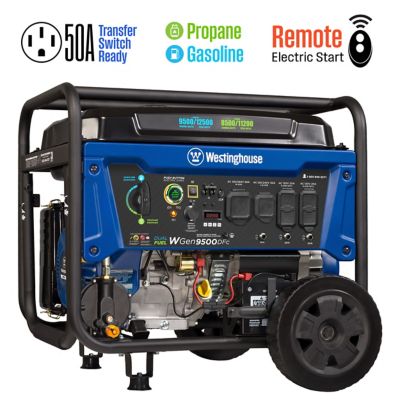
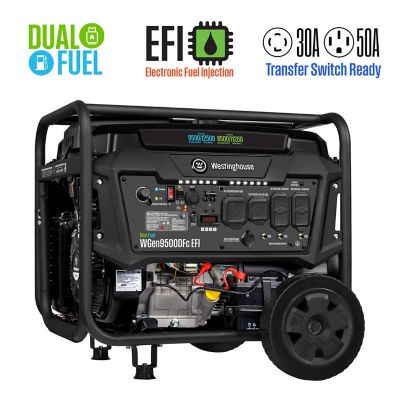
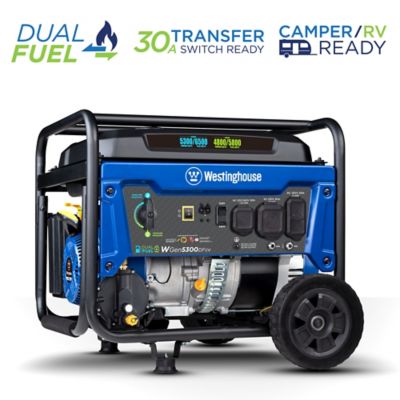
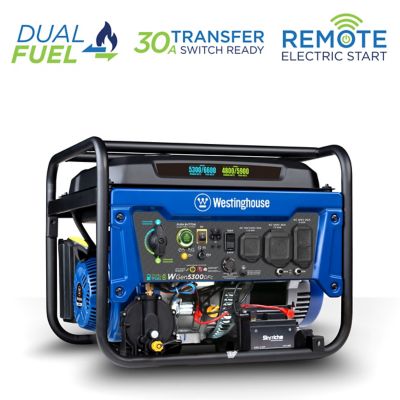
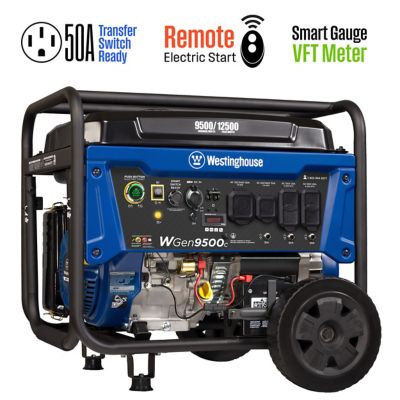
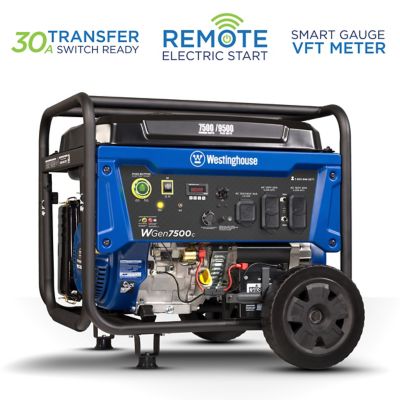
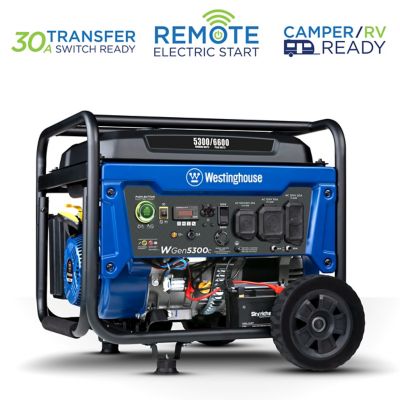
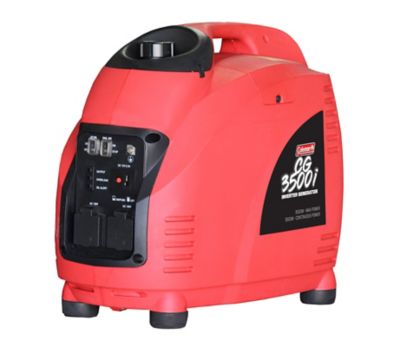
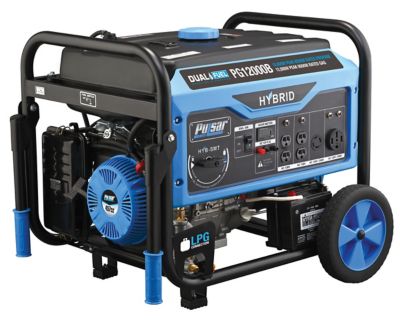
Gasoline portable generators turn fuel into electricity, bringing power to places where an outlet isn’t handy or utility service has stopped. They can help keep essential household equipment running during an outage, power tools beside a fence line, or support a camper away from electrical hookups. The right fit depends less on the biggest wattage number on the frame and more on the work the generator needs to handle. Many general-purpose models fall between about 3,000 and more than 10,000 watts, while smaller units serve lighter loads. Running watts describe the power a generator can supply continuously; starting watts describe the brief extra output available when equipment starts. That difference matters for refrigerators, air compressors, pumps, and other equipment with motors, which can draw considerably more electricity at startup than during normal operation. A refrigerator and a few lights make a different load than a well pump and a shop compressor. Adding the running wattage of equipment expected to operate together gives a useful starting point, but the largest startup demand also needs room within the generator’s rated limits. Around 20% to 25% of running capacity left in reserve can provide breathing room, provided the startup load still fits. Appliance labels and equipment manuals are better references than guesses based on size. Voltage matters, too: some generators supply only 120 volts, while others provide 120/240-volt output for compatible equipment. A receptacle that looks right does not settle every compatibility question; amperage, plug configuration, and the equipment’s electrical requirements all count. For a rural household, prioritizing refrigeration, a few lights, and necessary communications may make more sense than trying to power every circuit. For a work crew, the deciding load may be the tool that takes the hardest pull at startup. Matching those demands helps narrow the category to gasoline portable generators suited to the job, without hauling more machine than the task calls for.
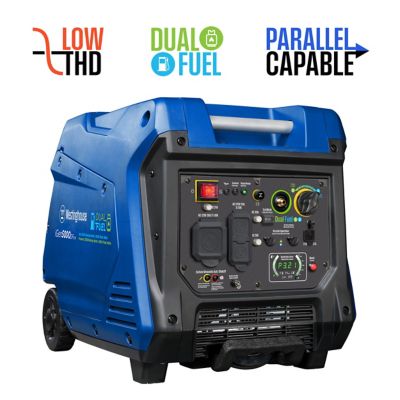
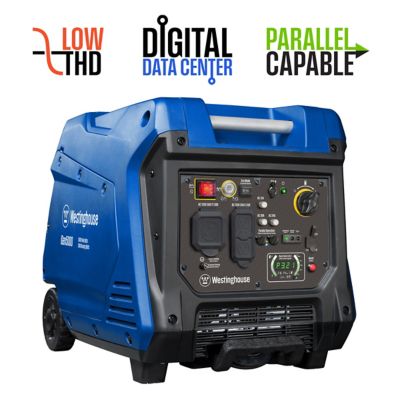
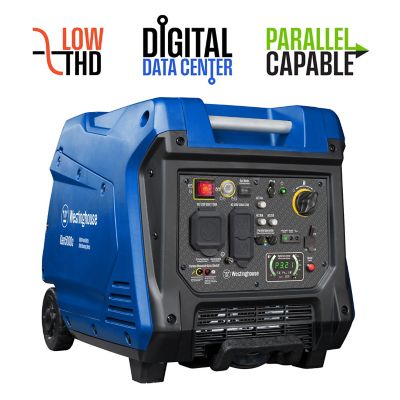
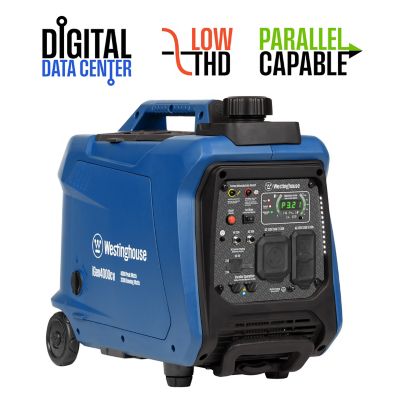
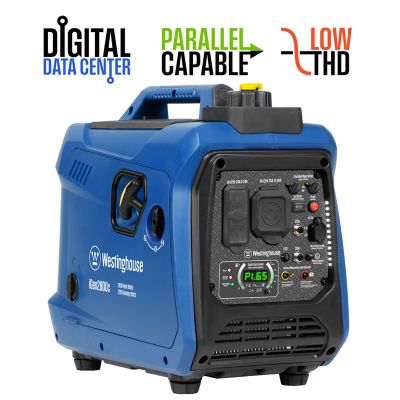
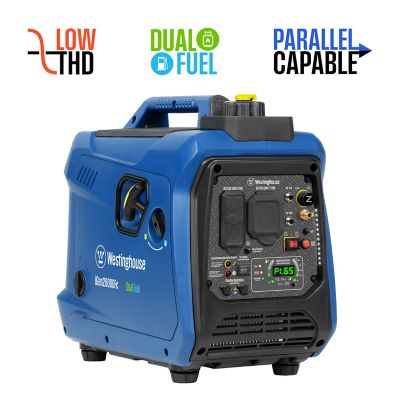
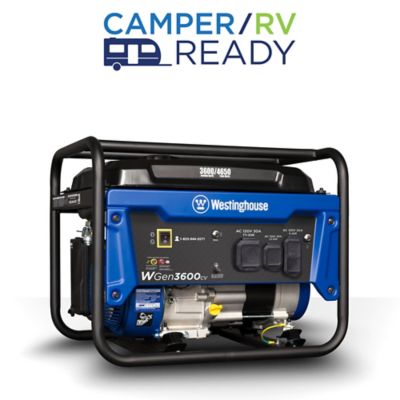
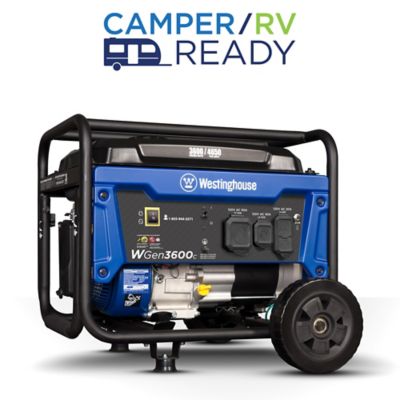
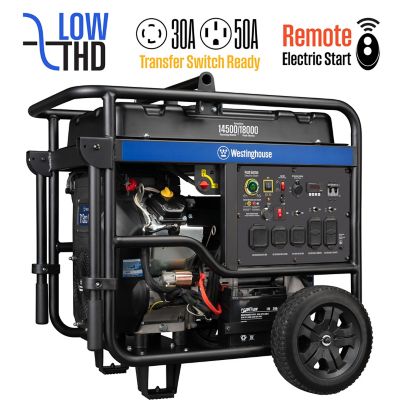
Conventional and inverter generators cover different needs within the same category. Conventional generators are common choices for tools, pumps, and larger general-purpose loads. Inverter generators electronically regulate their electrical output, and many can vary engine speed with demand, which can reduce fuel consumption and sound at lighter loads. For computers, chargers, and other sensitive electronics, the generator’s stated total harmonic distortion and the equipment manufacturer’s requirements deserve a closer look rather than an assumption based on the word “inverter” alone. Noise ratings also need context: a decibel figure means more when the listed distance and operating load are clear. Around a campsite or a property with nearby neighbors, sound can matter nearly as much as wattage. Fuel tank capacity and stated runtime help show how long a generator may operate between fills, but runtime figures depend on the test load. A figure measured at one-quarter load won’t describe a full day of running power-hungry tools. Physical fit deserves the same attention as electrical output. Steel frames can protect major components from everyday bumps, while wheels and folding handles make larger machines easier to move across firm ground. Compact enclosed designs may be easier to carry, though the listed weight may not include gasoline. A generator that moves easily across a concrete floor can be a different proposition on gravel, loose dirt, or a trailer ramp. Storage space, lifting ability, and transport plans all belong in the decision. Recoil starting keeps the starting system straightforward, while electric start can ease the effort of getting a larger engine going; its battery also needs care. Accessible oil fills, readable fuel gauges, clearly marked controls, covered outlets, and an hour meter can make ownership less of a chore. Low-oil shutdown, overload protection, and ground-fault circuit protection on designated receptacles are useful features to compare, with the manual explaining exactly what each model includes and how it operates.
Safe placement and routine care are part of owning any gasoline portable generator, whether it spends most of its time near a workshop or comes out only when needed. Operation belongs outdoors, at least 20 feet from homes and other occupied buildings, with exhaust directed away from doors, windows, and vents. A garage, barn, shed, or partly enclosed space is not a safe operating location, even with the doors open. Carbon monoxide can build up without a noticeable smell, and a generator’s automatic carbon monoxide shutdown does not replace proper placement or working carbon monoxide alarms inside occupied spaces. The generator and its electrical connections need to stay dry without enclosing the engine or trapping exhaust. For plug-in equipment, outdoor-rated extension cords need the correct wire size, grounding arrangement, and electrical rating for both the load and the cord length. Household circuits require an approved transfer arrangement installed by a qualified electrician; plugging generator output into a wall outlet can backfeed utility lines and endanger workers and neighbors. Grounding and neutral requirements vary with the generator and connection method, so the manufacturer’s instructions and applicable electrical rules matter. Fuel handling deserves just as much attention. The engine needs to be shut off and allowed to cool before refueling, with gasoline stored in approved containers away from ignition sources. The correct gasoline type and ethanol limit come from the engine manual, not from what happens to be in another machine’s tank. Regular oil checks, scheduled oil changes, air-filter service, and spark-plug inspections help keep the engine ready for its next job. Before a long stretch in storage, following the manufacturer’s fuel-treatment or draining procedure can help limit carburetor trouble from aging gasoline. Accessible service points and clear maintenance schedules can be especially helpful when several pieces of equipment share space in the shed. For properties where propane better fits the fuel setup,
LPG Portable Generators offer another portable power option, with fuel storage and connection requirements of their own.