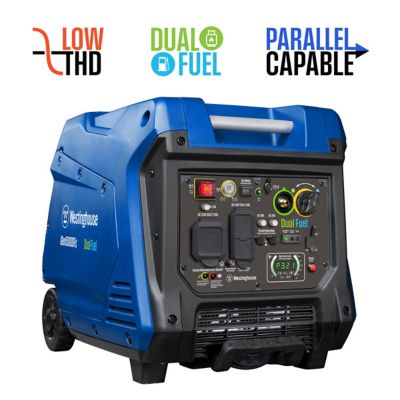
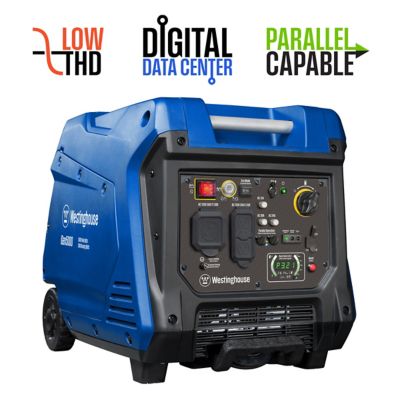
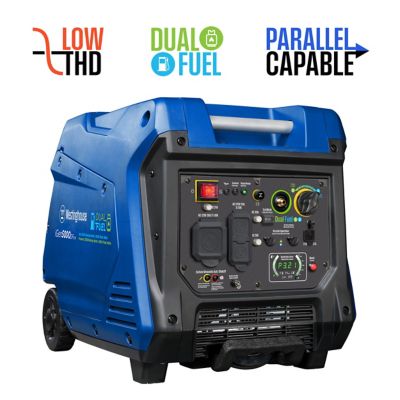
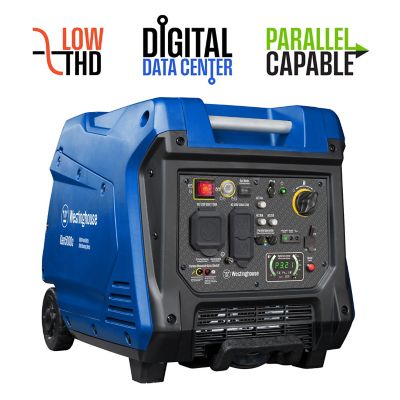
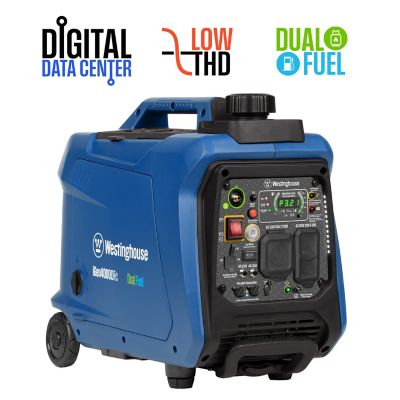
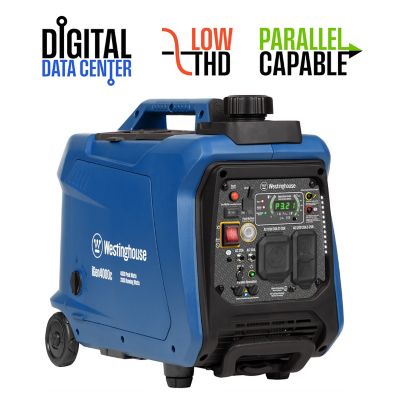
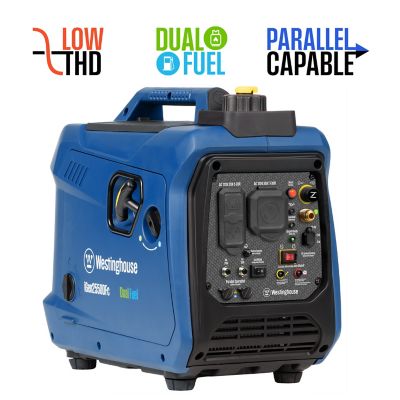
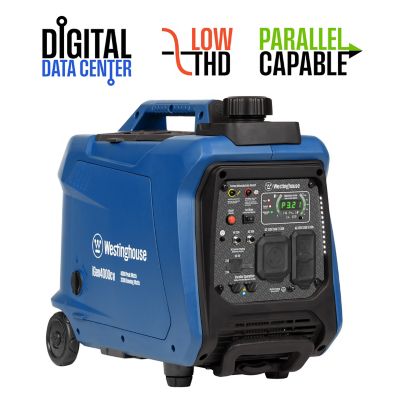
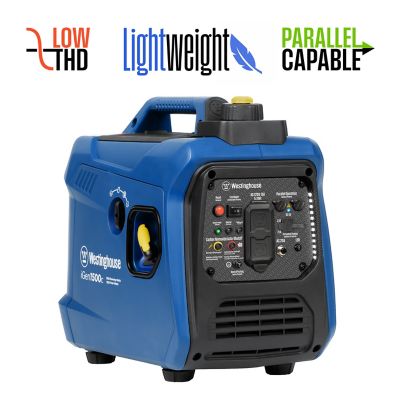
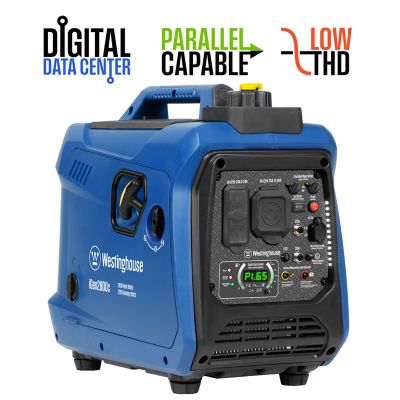
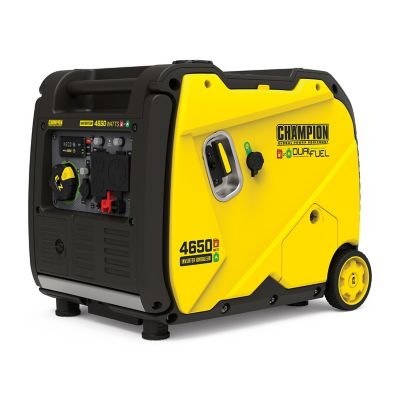
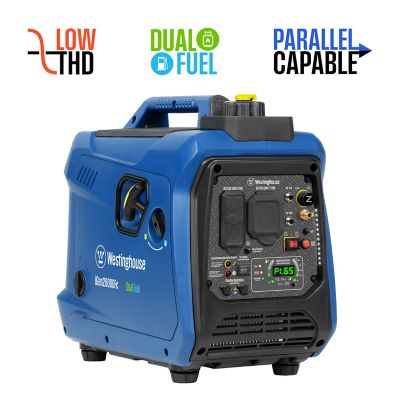
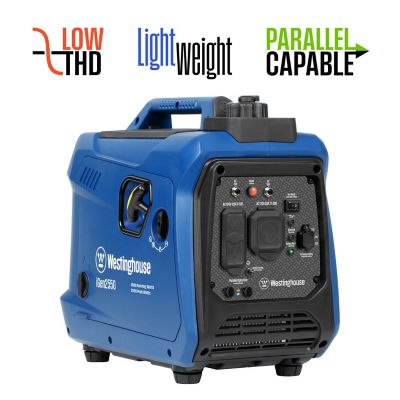
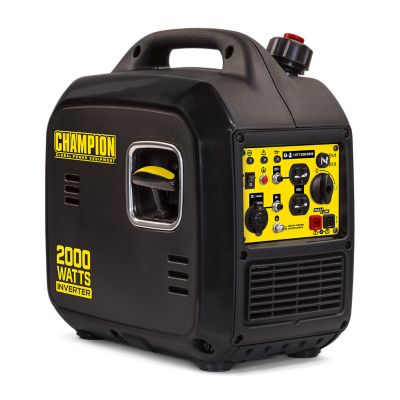
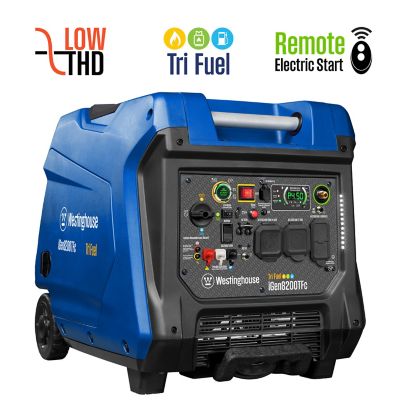
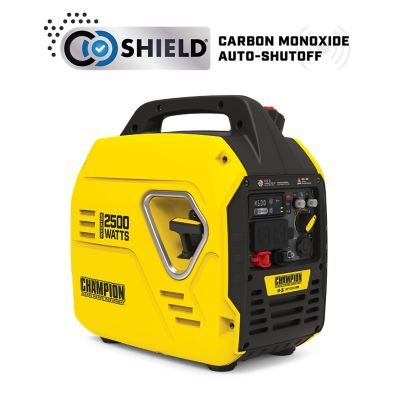
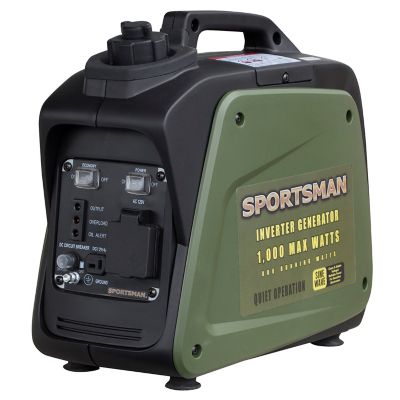
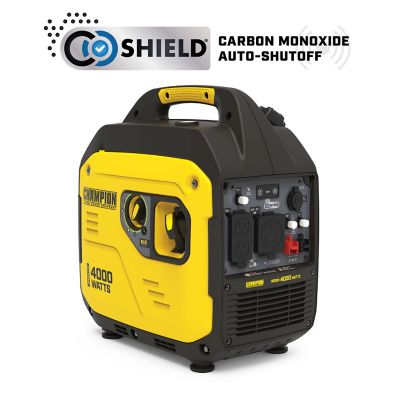
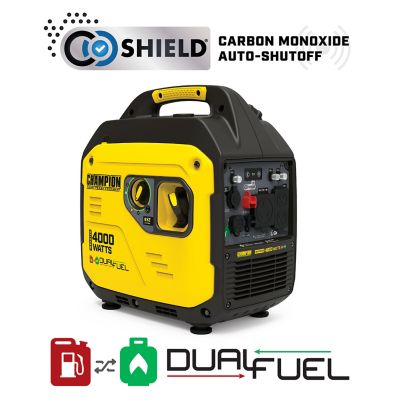
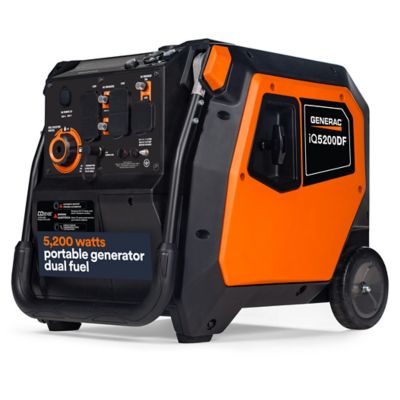
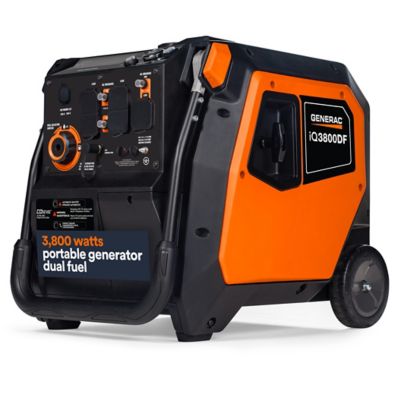
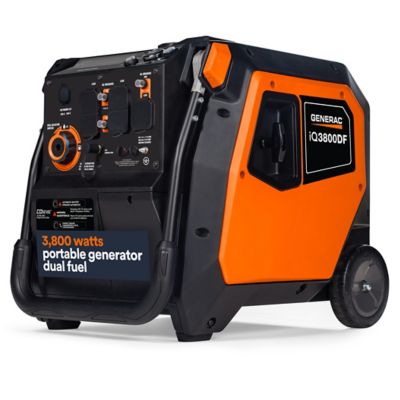
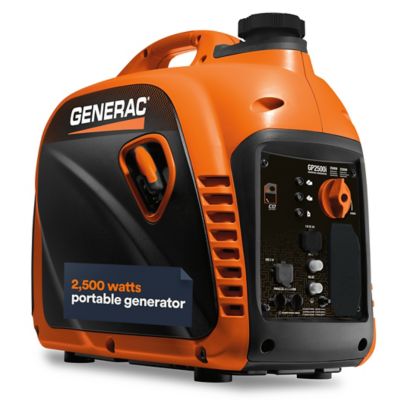
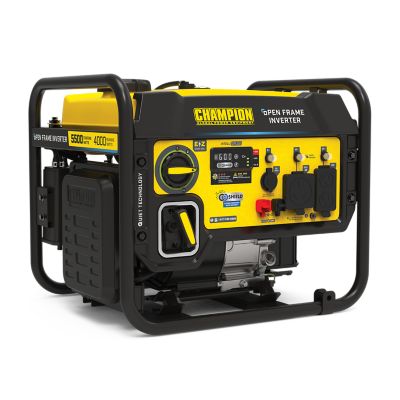
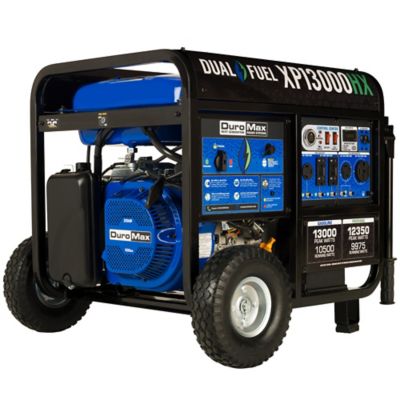
Inverter portable generators bring electrical power to places an outlet cannot reach, from a campsite off the main road to a work area beyond the barn. They also offer a portable option for keeping selected household essentials running during an outage. Unlike a conventional generator that supplies electricity directly from its alternator, an inverter generator converts the alternator’s AC output to DC, then electronically converts it back to AC. This process helps control voltage and frequency while reducing distortion in the electrical waveform. Many models specify total harmonic distortion, or THD, below 3%, making them a good fit for sensitive electronics when their output meets the equipment manufacturer’s requirements. That figure is not universal, so the listed THD matters more than a broad claim about clean power. Phones, laptops, televisions, and electronic controls can all benefit from a steady electrical supply, but the generator still needs enough capacity for everything connected to it. Running watts describe the power a generator can supply continuously, while starting watts describe the brief extra output available to help start certain loads. A refrigerator compressor, water pump, or power tool motor may need considerably more electricity at startup than it does once running. Matching a generator to those demands helps prevent overloads and interruptions halfway through a task. Outlet configuration matters, too: a generator’s total wattage does not mean every receptacle can deliver that full amount. Voltage, receptacle ratings, and the equipment’s plug requirements all need to line up. Some portable inverter generators supply 120-volt power only, so equipment requiring 240 volts calls for a model specifically rated for that service. For a homeowner keeping a refrigerator and a few electronics powered, an RV traveler running selected onboard equipment, or a landowner working along a distant fence line, the right fit comes down to the actual electrical load rather than the size of the generator’s housing.
Portability means more than a handle on top. Generator weight, overall dimensions, lifting points, and wheel design affect how easily a unit moves from a shed to a truck bed or from a parking spot to a permitted operating area. A compact enclosed housing can be easier to carry, while a larger wheeled frame may suit someone who needs more output and can roll the generator over firm ground. Check whether a listed weight includes fuel, since a full tank adds to the load being lifted. Molded outer panels help shield internal components from everyday bumps, steel frames provide structural support, and rubber mounts help limit the vibration transferred through the machine. Those features serve different purposes, and none makes a generator suitable for careless handling or operation inside an enclosed space. Sound levels deserve a close look around campsites and shared recreation areas. Inverter technology often allows the engine to vary its speed with electrical demand, which can reduce fuel consumption and noise at lighter loads. Actual sound depends on the design, load, distance, and test method, so decibel figures are most useful when those conditions are comparable. For trips centered on lights, device charging, and small appliances,
Inverter Generators For Camping offer a closer look at this kind of portable power. Campground rules may limit operating hours or prohibit generators in certain areas, regardless of sound level. Fuel choice also shapes everyday convenience. Gasoline models and models that accept propane have different storage and refueling needs, and output can change with the selected fuel. Runtime figures depend on tank capacity and electrical load; a stated runtime at one-quarter load should not be read as a promise at full output. Parallel-capable models can offer another option for expanding power, but only with compatible generators and the manufacturer-approved connection equipment. Two ordinary outlets should never be connected together to combine power.
The details that make an inverter portable generator easier to live with often show up after the first few outings. Clearly marked controls, accessible oil service points, readable fuel information, and an easy-to-reach air filter can make routine ownership less of a chore. Recoil starting keeps the starting system straightforward, while electric-start models add a battery that needs attention between outings. Low-oil shutdown and overload protection can help protect equipment, though neither replaces regular checks or proper load management. Carbon monoxide safety is essential with every engine-driven generator, including quiet, enclosed models. Operate one outdoors at least 20 feet from buildings, with exhaust directed away from doors, windows, vents, and occupied areas. Never run a generator in a house, garage, barn, shed, camper, or other enclosed or partly enclosed space, even with doors open. An automatic carbon monoxide shutoff is an added safeguard, not permission to shorten that distance or operate indoors. Working carbon monoxide alarms with battery backup belong in the home and other occupied spaces as appropriate. Electrical connections need the same care. Extension cords must be rated for the connected load, suitable for outdoor use, and long enough to maintain safe generator placement without creating excessive voltage drop. Keep connections dry and follow the manufacturer’s operating requirements. Supplying household circuits requires approved transfer equipment installed according to applicable codes; plugging a generator into a wall outlet can send electricity back onto utility lines and endanger other people. Grounding and bonding requirements depend on the generator and how it is connected. Between jobs or trips, checking oil, cleaning or replacing filters as directed, inspecting cords, and following the fuel-storage instructions help keep the machine ready for its next outing. Shut the engine down and let it cool before refueling. A level operating surface, clear space around the exhaust, and a maintenance schedule based on operating hours round out a sensible setup for portable power around the property or away from home.