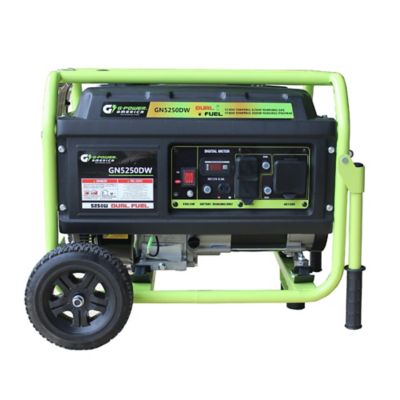
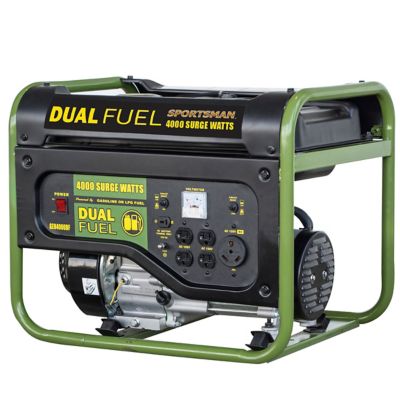
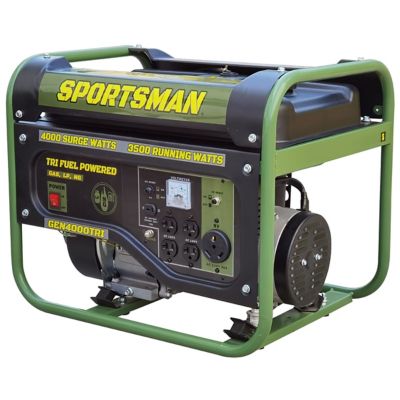
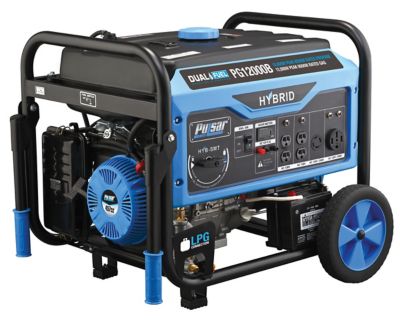
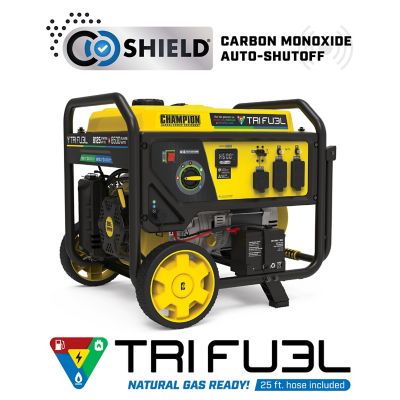
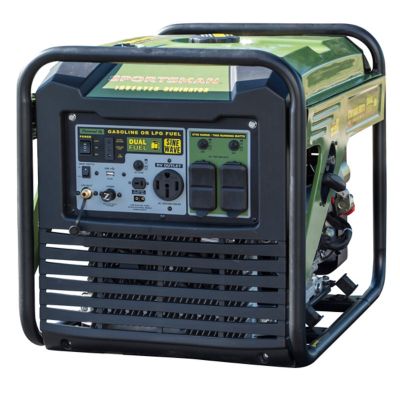
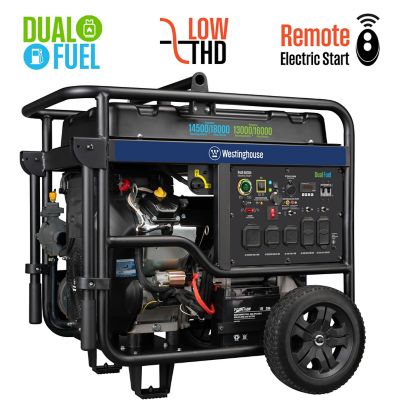
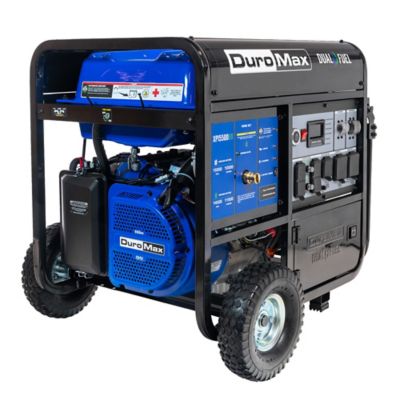
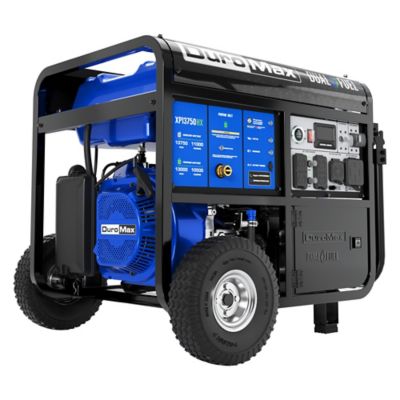
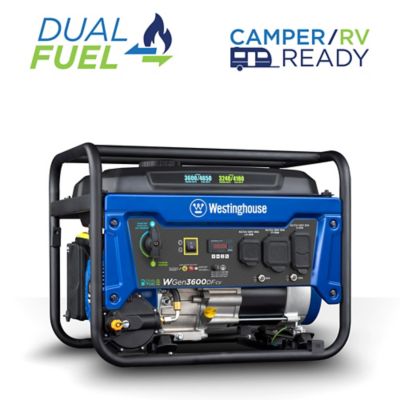
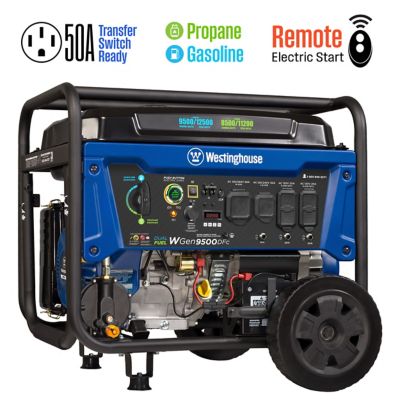
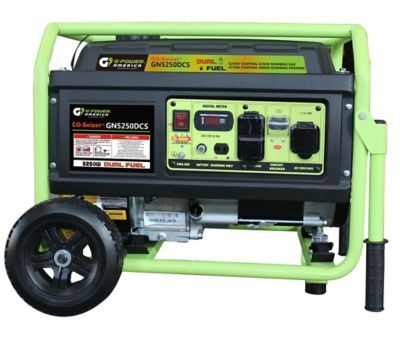
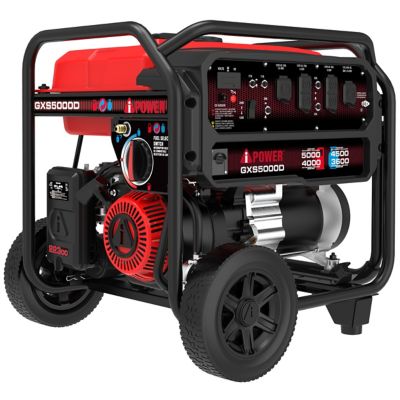
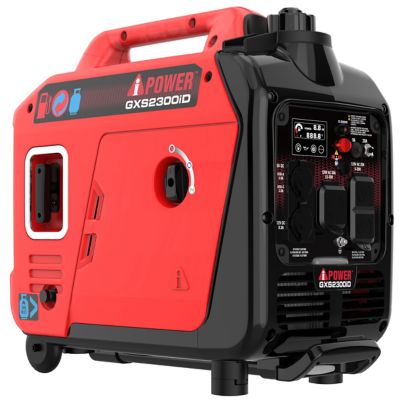
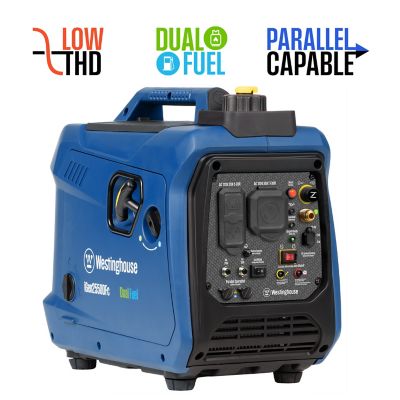
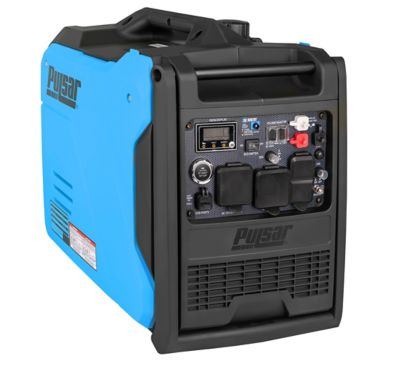
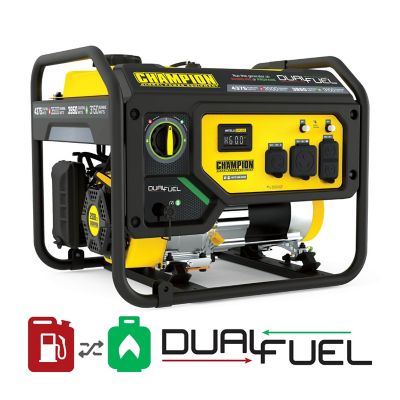
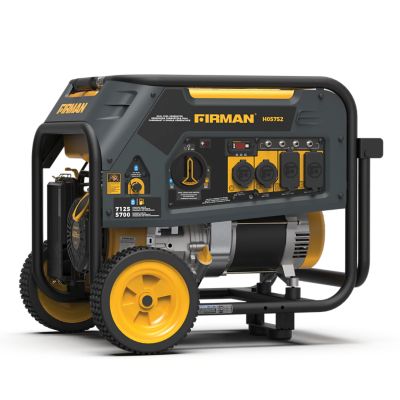
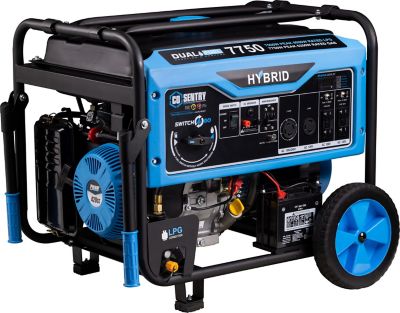
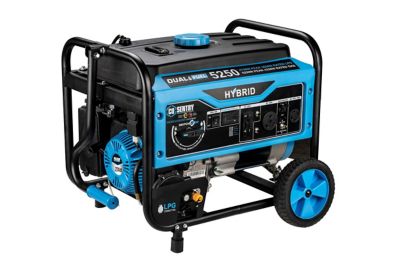
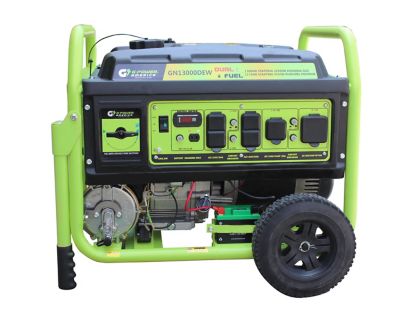
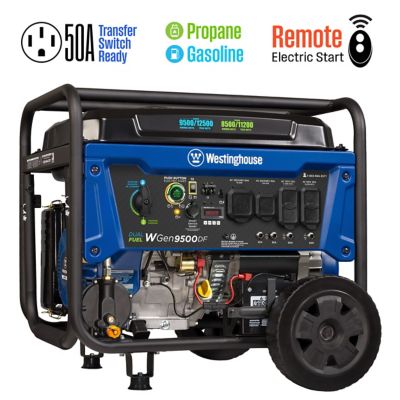
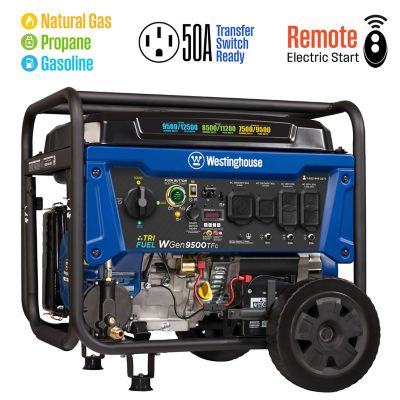
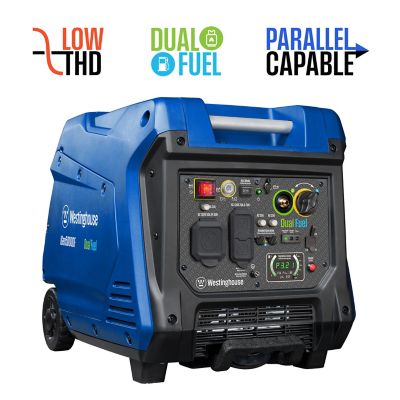
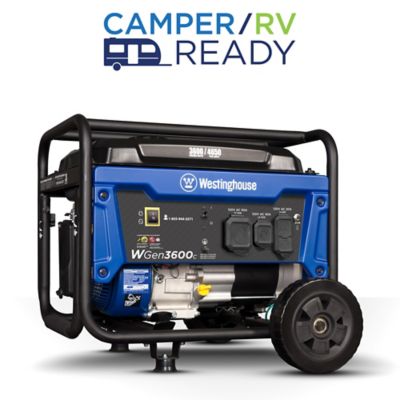
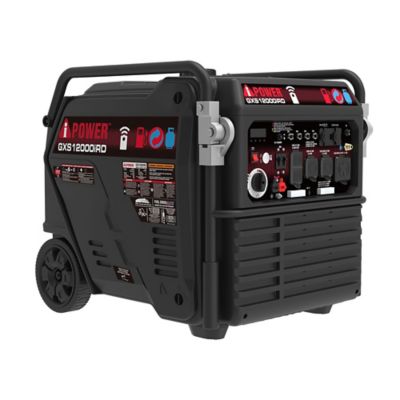
Portable propane generators turn fuel from a propane cylinder into electricity for places where an outlet is out of reach or utility service is interrupted. They can power selected household essentials, support work around an acreage, or bring electricity to a campsite that permits generator operation. Picture keeping a freezer running while the utility crew makes repairs, powering task lighting beside a fence project, or supplying an RV with electricity at a site without hookups. The right size depends on the equipment connected, not just the size of the property or the number of people along for the trip. These generators typically draw propane vapor from liquid propane, also called LP or LPG, stored under pressure in a cylinder. Unlike gasoline, propane does not become stale during storage, making it a practical fuel for equipment that may sit between jobs. That storage benefit does not eliminate cylinder inspections, engine maintenance, or the need to check fuel connections. Propane combustion generally leaves fewer deposits than gasoline combustion, but the engine still produces exhaust and carbon monoxide. Every portable generator belongs outdoors, at least 20 feet from occupied buildings, with exhaust directed away from doors, windows, and vents. Many portable models offer dual-fuel operation, allowing either propane or gasoline according to the manufacturer’s directions. That flexibility can suit a property where propane cylinders already serve other equipment, while leaving another fueling option for different tasks. Fuel choice can affect output: a dual-fuel generator often carries a lower wattage rating on propane than on gasoline. Comparing the propane-specific rating gives a clearer picture of what the generator can support. Cylinder capacity and electrical load also affect operating time, so a runtime claim makes the most sense when read alongside its stated fuel supply and load level. A generator powering a few lights will not draw fuel at the same pace as one carrying a heavier load.
A good fit starts with the difference between running watts and starting watts. Running watts cover the steady demand of connected equipment, while starting watts account for the brief extra power some motors need to get moving. A refrigerator, sump pump, or air compressor may need considerably more power at startup than it draws once running. Looking at appliance labels and manufacturer specifications helps match the generator to the actual job, with room for motor startup rather than a plan that pushes every outlet to its limit. For household backup, the essentials might be refrigeration, a few lights, and communication equipment instead of every appliance in the house. At a work area, the load might center on a saw and task lighting, with tools operating at different times. Voltage and receptacle configuration matter just as much as total wattage. A 120-volt outlet cannot serve equipment requiring 240 volts, and an RV connection needs the proper electrical match rather than a plug that simply looks close. For electronics, an inverter design with a stated low total harmonic distortion rating may be worth considering; that specification matters more than assuming every portable generator delivers the same electrical output. Physical fit counts, too. Steel frames, protective housings, wheel kits, and folding handles can make a substantial difference when moving equipment from storage to a level operating area. Larger wheels tend to roll more easily over gravel and uneven ground, while overall weight determines whether loading calls for another person or suitable lifting equipment. “Portable” does not necessarily mean easy to carry by hand. Accessible controls, readable gauges, and outlets positioned away from the wheels can make routine operation less awkward. Sound ratings deserve a look when the generator will operate near a campsite or neighboring property, though comparisons need matching test conditions. Features such as electric starting, low-oil shutdown, and carbon monoxide shutoff can add convenience or protective functions, but none replaces correct placement and operation.
Propane cylinders, hoses, regulators, and engine components all play a part in keeping a portable generator ready for its next job. The generator’s fuel connection must match the cylinder setup specified by its manufacturer; an adapter that happens to fit is not proof that a connection is suitable. Cylinders need upright placement, protection from impact, and storage outdoors in a well-ventilated location in accordance with applicable requirements. Hoses deserve attention for cracking, abrasion, and routing that keeps them away from exhaust components and foot traffic. A solid frame helps shield the engine, but it does not make the electrical system waterproof. Operation calls for a dry, level outdoor location and any protection specifically approved for the equipment, without enclosing the generator or restricting airflow. A garage, barn, shed, crawlspace, or enclosed porch is not a safe operating location, even with doors open. Carbon monoxide alarms inside occupied buildings provide another layer of protection, not permission to move the generator closer. Electrical connections deserve the same care. Properly rated outdoor extension cords can serve individual appliances within their limits, while connection to a home’s wiring requires approved transfer equipment installed by a qualified electrician. Plugging a generator into a household wall outlet can energize utility lines and put other people at risk. Between jobs, attention to engine oil, air filters, spark plugs, fasteners, and the maintenance schedule helps preserve performance. Propane’s storage stability does not prevent oil from needing service or keep dust from collecting around cooling passages. For dual-fuel equipment, any gasoline remaining in the fuel system also needs care according to the manual. Storage space should accommodate the generator separately from propane cylinders where required, with room to inspect connections and move the machine without dragging it. Exploring
Propane Fuel Generators with those everyday details in mind helps connect wattage, portability, fuel setup, and upkeep to the work ahead. Whether the job is supporting essential appliances or bringing power beyond the reach of a cord, the best match is equipment sized for the load and suited to the place it will operate.