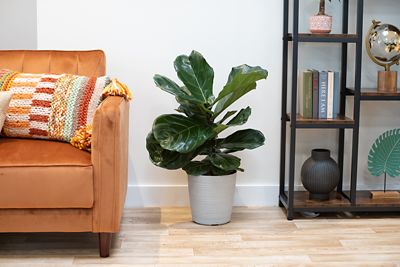
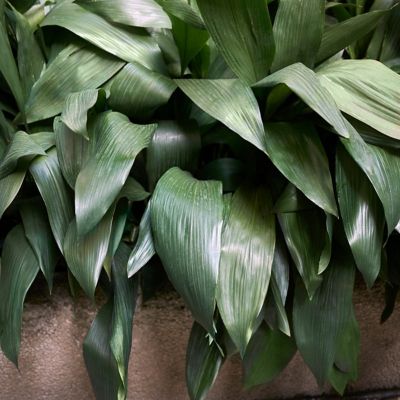
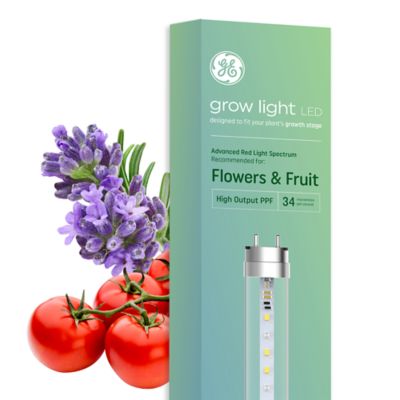
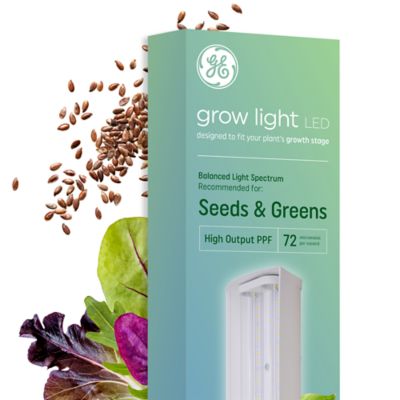
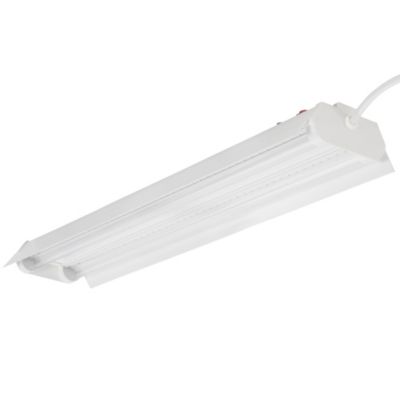
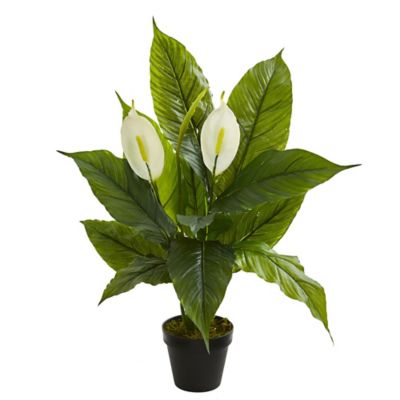
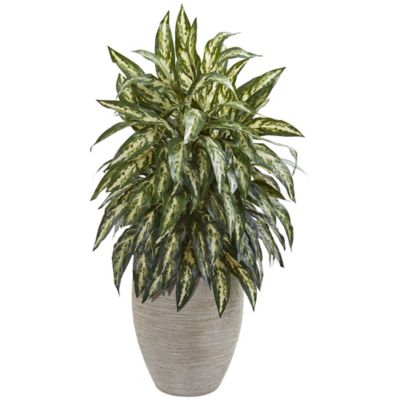
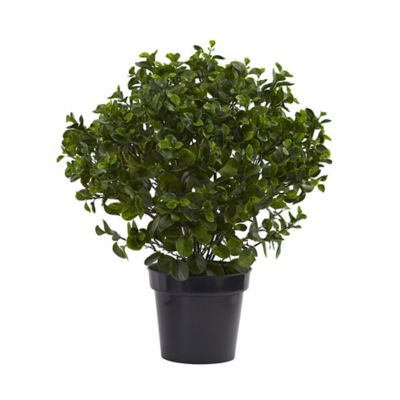
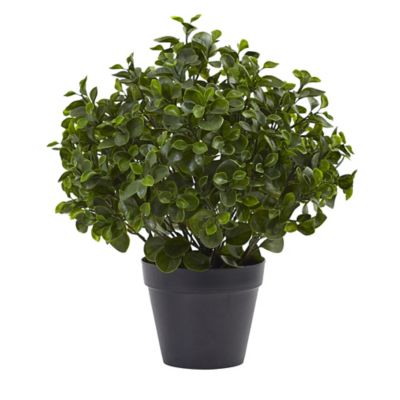
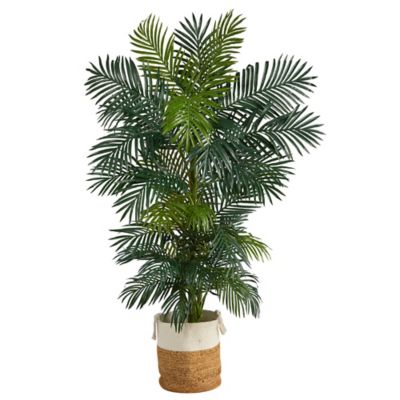
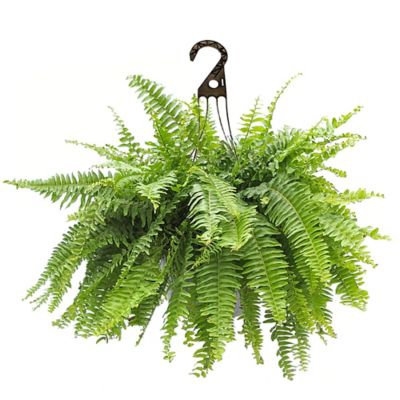
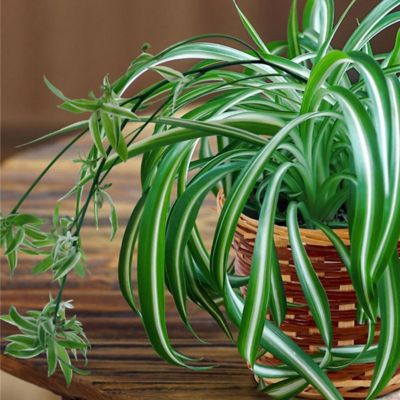
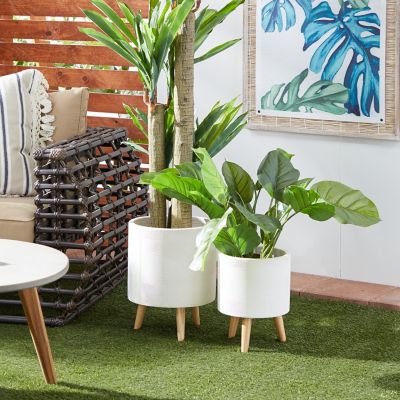
Low light indoor plants bring living greenery to rooms that get daylight without much direct sun. They’re a good fit for a farmhouse living room, a home office beside the kitchen, or a reading nook where the nearest window is across the room. Low light means limited natural light, not total darkness: even shade-tolerant houseplants need enough light to support healthy growth. A room with a north-facing window may suit some plants, while a windowless room generally needs a grow light. The best match depends on both the plant’s needs and the spot it will call home. Upright foliage can give a narrow corner some height without taking over the walkway, while trailing greenery softens the edge of a bookcase or a sturdy shelf. Fuller, leafy plants work well on a side table where there’s room for their leaves to spread. Think about the mature size rather than just the size at planting, especially beside a favorite chair or along a busy hallway. A small pot may fit neatly on a desk today, but arching stems need clearance as they grow. Leaf color also matters. Many green-leaved plants handle dimmer spaces better than heavily patterned varieties, although light requirements vary by plant. Slower growth is common in lower light, and a plant that stays alive in a dim corner may grow more evenly with a little more indirect daylight. For shoppers drawn to greenery rather than flowers, low-light houseplants offer plenty to appreciate in leaf shape, branching, and overall form. Glossy foliage, broad leaves, and fine, feathery growth each bring a different feel to a room without needing a large footprint. The goal is a plant that fits the space and the household’s routine, whether that means a compact tabletop companion or a leafy accent beside a cabinet. Matching those everyday details makes indoor greenery easier to enjoy for the long haul.
A good pot and the right growing mix matter just as much as the place a plant sits. Containers with drainage holes let extra water escape instead of collecting around the roots. If a planting pot sits inside an outer container, there should be an easy way to lift it out, water it, and empty any water that gathers underneath. A saucer helps protect a table or floor, but it shouldn’t leave the pot standing in water. Container materials affect both care and everyday handling. Unglazed terra-cotta lets moisture move through its porous walls and can help the mix dry sooner. Plastic is lighter to carry to a sink and generally holds moisture longer. Glazed ceramic offers more weight, which can help steady a taller plant, though a heavy container needs furniture or shelving that can support it. For hanging plants, account for the weight of the pot, plant, and freshly watered growing mix, not just how light the arrangement feels when dry. Pot size deserves a little thought, too. A container far larger than the root system can hold more damp mix than the plant can readily draw from. A modest step up in size is usually more practical when roots need additional room. Low light indoor plants often take up water more slowly than plants growing in brighter spots, so a fixed watering day may not suit every pot. Checking the mix and following the plant’s individual moisture needs is a better approach. Some houseplants benefit from drying substantially between waterings; others need more consistent moisture and shouldn’t dry out completely. A potting mix intended for indoor containers offers a better starting point than dense soil dug from the yard, with the final blend depending on the plant. Easy access helps make care manageable: a pot that can reach the sink without moving a stack of books is more likely to get thorough watering and proper drainage. These small choices support healthy roots and help keep everyday plant care from becoming a chore.
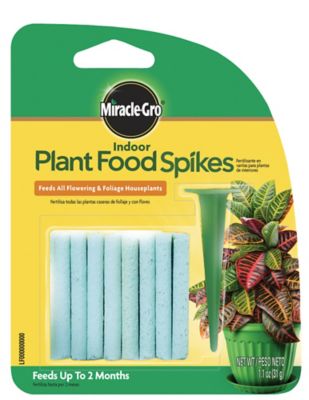
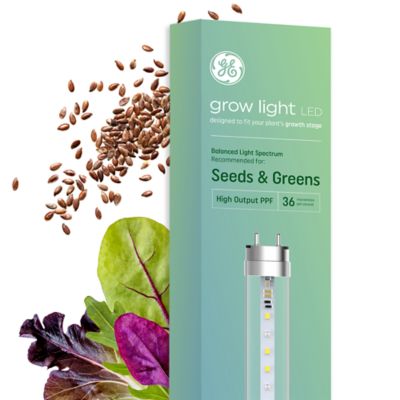
Low-light greenery suits a wide range of households, from someone bringing home a first houseplant to a longtime gardener making room for plants indoors. For a busy household, the best choice is one with care needs that fit an ordinary week, not one that depends on constant attention. That doesn’t mean any living plant can be left indefinitely without care. Leaves still need occasional attention, roots need suitable moisture, and changes in growth can signal that the location needs adjusting. Dust on broad, smooth leaves can be gently wiped away with a soft, damp cloth, while more delicate foliage may need a different cleaning approach. Keep plants within reach for inspection rather than tucked so far behind furniture that watering and checking leaves become awkward. Long, stretched stems, smaller new leaves, or growth leaning strongly toward a window can suggest that more light would help. Moving a plant closer to indirect daylight or adding a suitable grow light may make a dim room more workable. Feeding should follow the plant’s needs and the fertilizer label; extra fertilizer cannot make up for insufficient light. In homes with children, cats, or dogs, plant selection calls for another check: low-light tolerance says nothing about whether a plant is safe to chew. Confirm the botanical identity and look up its toxicity before choosing a spot, since trailing stems can be tempting and an elevated shelf may still be within a cat’s reach. Stable pots and clear walkways matter in a house where boots, backpacks, and wagging tails pass through all day. Houseplants can also make thoughtful housewarming or thank-you gifts when matched to the recipient’s space, pets, and willingness to care for them. A manageable size and clear care information are more helpful than a plant that quickly outgrows its new home. For another grouping of indoor greenery, explore
Indoor Plants for Winter. With attention to light, container fit, and everyday care, low-light plants can become a lasting part of a room rather than something that needs rearranging every few days.