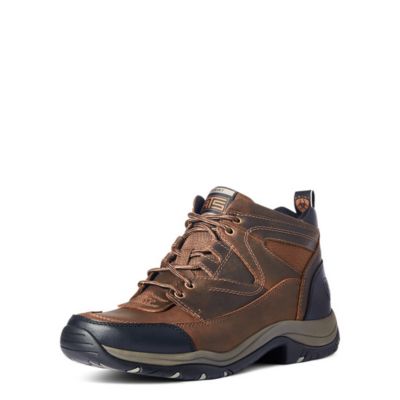
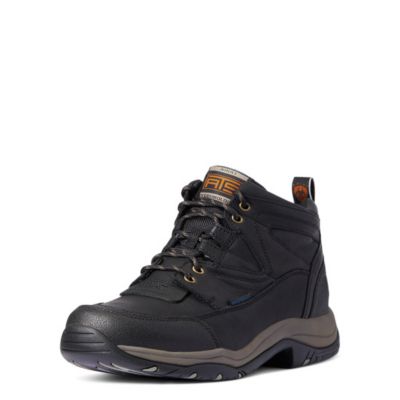
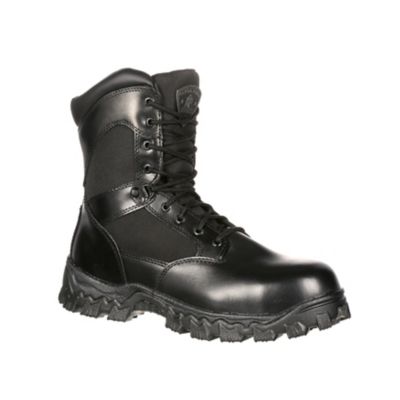
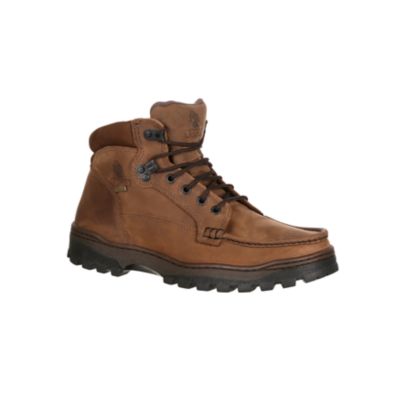
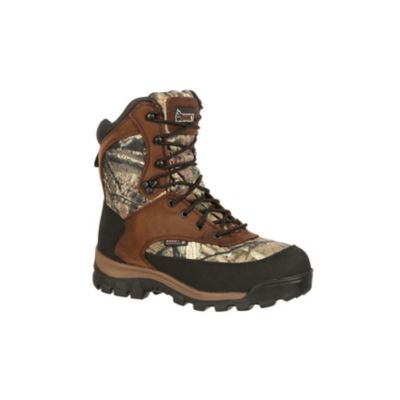
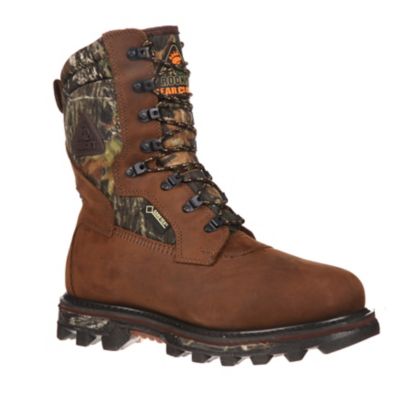
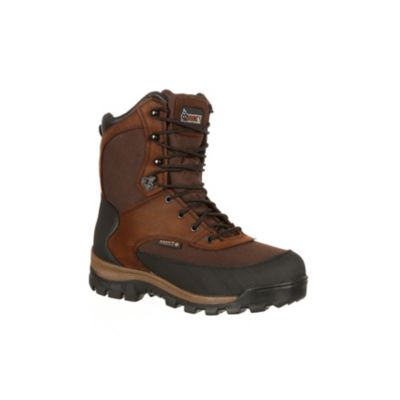
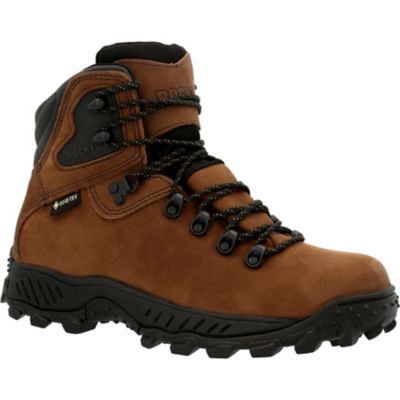
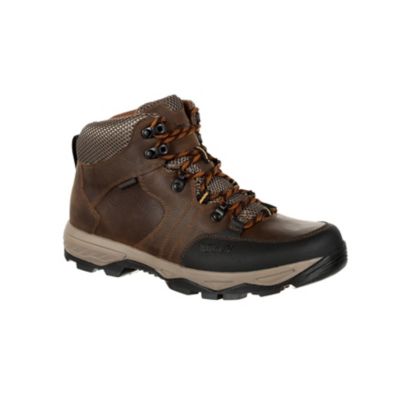
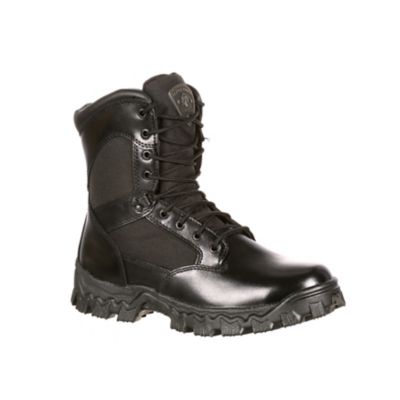
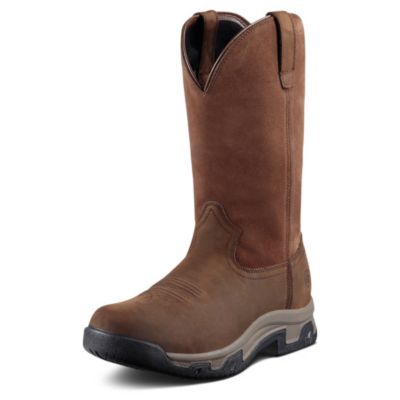
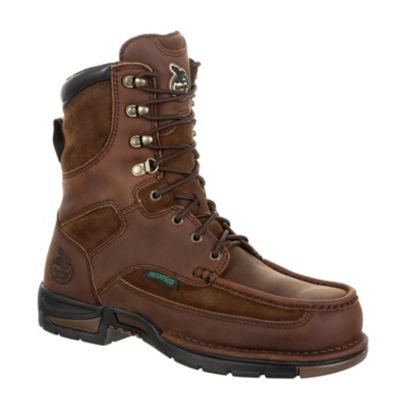
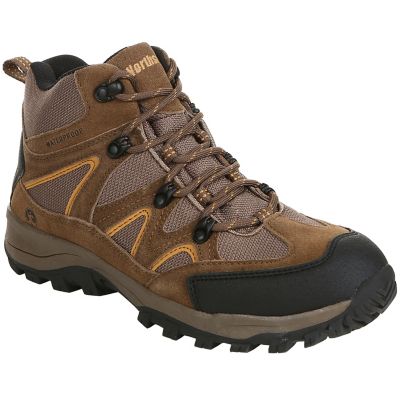
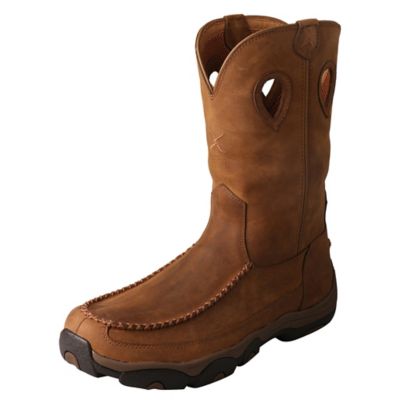
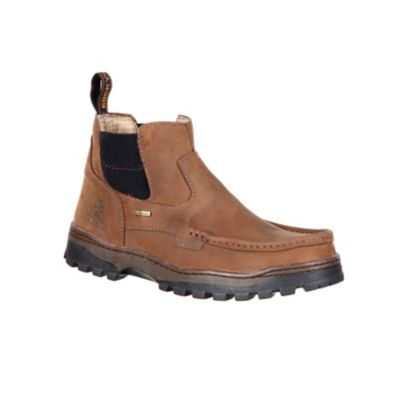
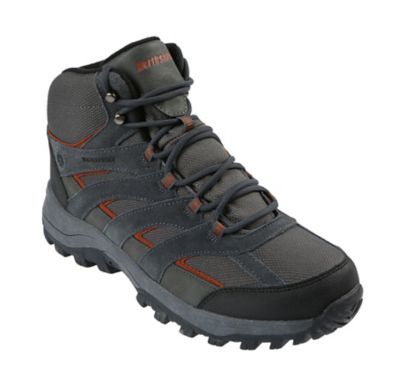
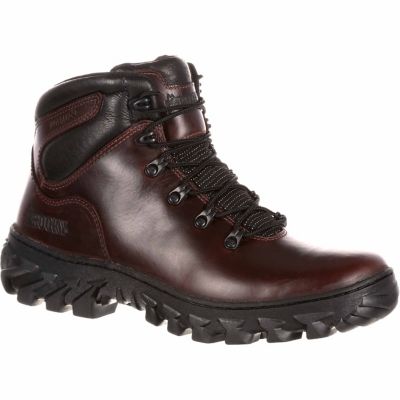
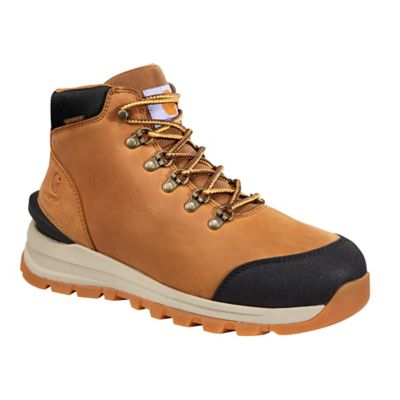
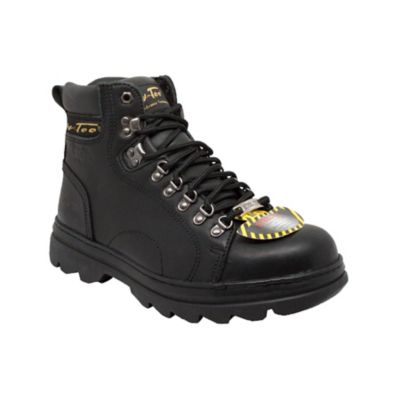
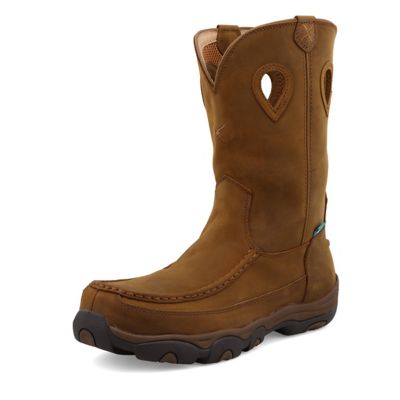
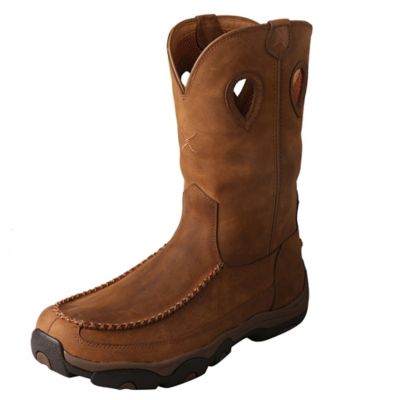
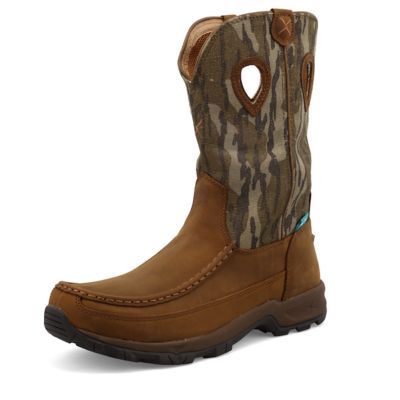
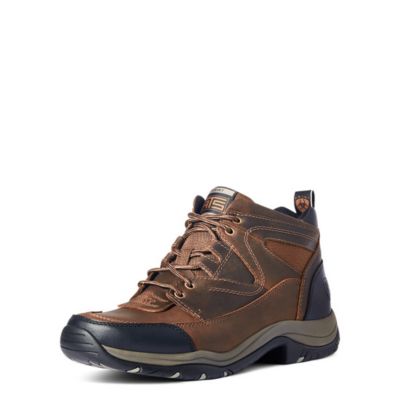
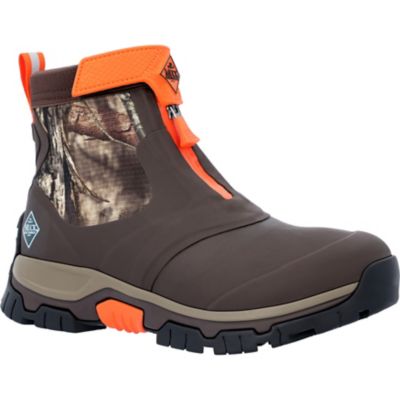
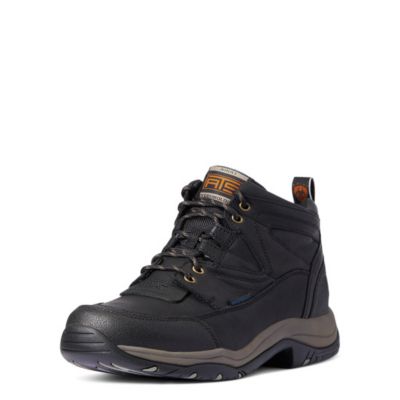
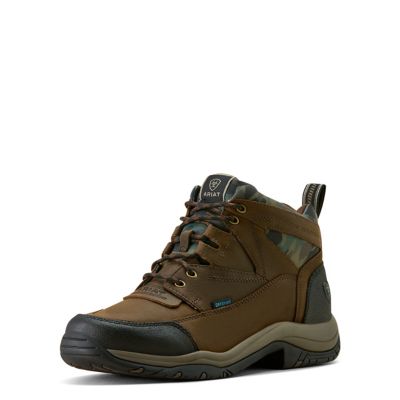
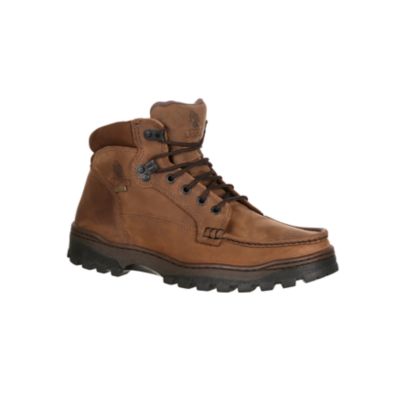
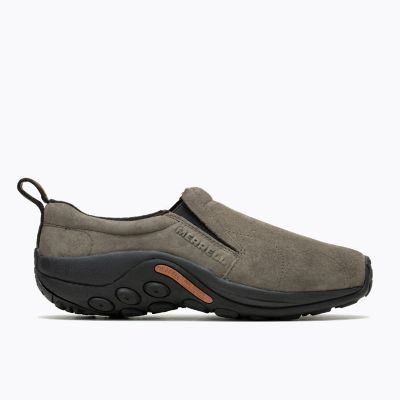
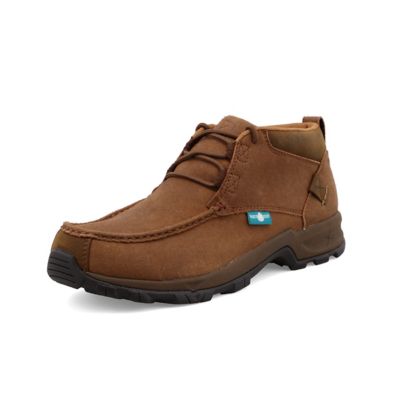
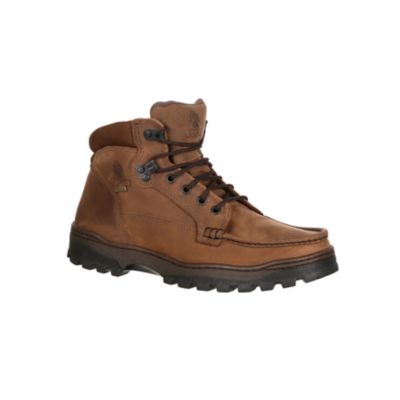
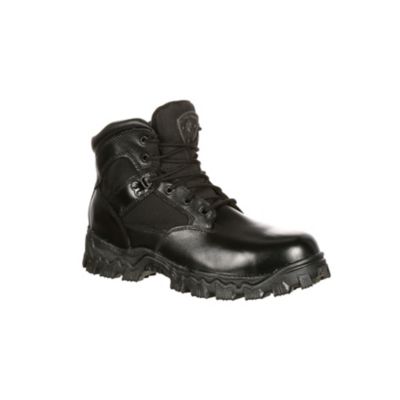
Long distance hiking boots are built for more than a quick walk around the property or a short afternoon trail. They are made for days when the miles add up, the ground changes underfoot and your feet need steady support from the first step to the last. Hikers, backpackers, hunters, trail workers and anyone planning a multi-day trip may look for this type of footwear when regular shoes do not provide enough structure or protection. A solid pair can help carry you over rocky paths, packed dirt, loose gravel, muddy stretches and steep climbs without leaving your feet feeling beat up at the end of the day. They can also make a thoughtful gift for a friend or family member who spends weekends on the trail, especially when you know their usual routes include uneven ground or changing weather. Start by thinking about the kind of hiking the boots will see. A lightweight mid-cut boot may feel more flexible and easier to wear on maintained trails, while a heavier-duty design with a firm sole and supportive upper may be a better match for rough backcountry routes, steep terrain or a loaded pack. Ankle support can be especially useful when carrying extra gear or crossing rocky ground, though support should not come at the cost of a comfortable fit. Traditional leather uppers are valued for their toughness and ability to hold up over many miles with proper cleaning and conditioning. Synthetic materials and mesh can reduce weight and may breathe better during warmer stretches, but they can show wear sooner depending on the trail, pack weight and care routine. Waterproof construction is helpful when the route includes wet grass, shallow puddles, mud, rain or damp conditions during the cooler months. A waterproof membrane can help keep outside moisture from getting in, but it may also take longer to dry if water reaches the inside, so good socks and a backup plan for wet conditions still matter. For more waterproof footwear options, browse
Gore Tex Hiking Boots.
Fit is one of the biggest factors in choosing long distance hiking boots, and it is worth taking the time to get it right before heading out for a full day on the trail. Try boots on while wearing the socks you expect to hike in, preferably later in the day when feet have had time to swell a little. Your heel should stay planted when you walk uphill, and the midfoot should feel secure without pressure across the top of the foot. There should be enough room in front of the toes to keep them from bumping the front of the boot on steep downhills. That extra space is important because toes often swell over long miles, especially in warm weather or after carrying a pack. At the same time, too much room can allow your foot to slide, creating hot spots and blisters. Walk on a hard surface, bend your ankles, climb a few steps and pay attention to any rubbing around the heel, ankle bone or little toe. A cushioned midsole can soften the repeated impact of hard-packed trails and help reduce fatigue, while a firmer sole may offer better stability when the trail is uneven or the pack is heavy. Look for tread with a dependable grip pattern suited to the places you hike. Closely spaced lugs can work well on smoother trails and packed soil, while deeper, more widely spaced lugs may shed mud and bite into loose ground. No boot removes every risk, so take your time on slick rocks, roots and wet slopes. Break in new footwear with short walks before attempting a long hike. Wear the same socks you plan to use, adjust the laces at the start and check your feet afterward for red spots. A small adjustment early can prevent a painful problem several miles down the trail. Some hikers carry spare laces, blister supplies and an extra pair of socks, simple items that can make a big difference when the path runs farther than expected.
Caring for long distance hiking boots helps protect the investment and keeps them ready for the next trip. After a muddy or wet hike, knock off loose dirt and let the boots dry at room temperature away from wood stoves, heaters and direct high heat, which can stiffen leather, weaken adhesives or cause materials to crack. Remove the insoles when possible so air can reach the inside, and avoid putting damp boots away in a closed bag. Clean leather with products made for leather footwear, and follow the care instructions for synthetic uppers and waterproof liners. Heavy dirt packed into the tread can reduce traction, so brush out the sole before storing the boots. Check the laces, eyelets, seams and tread from time to time, especially before a trip that includes remote terrain. Wear patterns can tell you a lot: smooth tread, loose stitching or a heel that feels unstable may mean the boots are ready for replacement. Even durable leather eventually wears down, while lighter materials may need to be replaced sooner after repeated use. Pair your boots with moisture-managing hiking socks rather than ordinary cotton socks, which can hold sweat against the skin and increase friction. Gaiters can help keep small stones, snow, leaves and trail debris from getting inside on rough or wet routes. During early fall and the cooler months, consider how changing temperatures will affect socks, layers and foot comfort; a boot that feels perfect with a thin sock may feel tight with a warmer pair. Whether you are preparing for a weekend in the woods, a long hunt, a backcountry trip or regular walks on rural trails, the right long distance hiking boots should feel dependable without distracting you from the miles ahead. Choose based on terrain, weather, pack weight, fit and the level of support you prefer, then give your feet time to adjust before putting the boots to work.