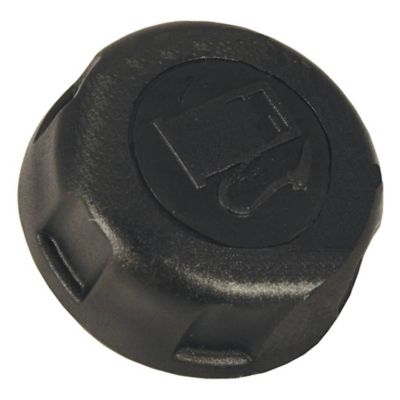
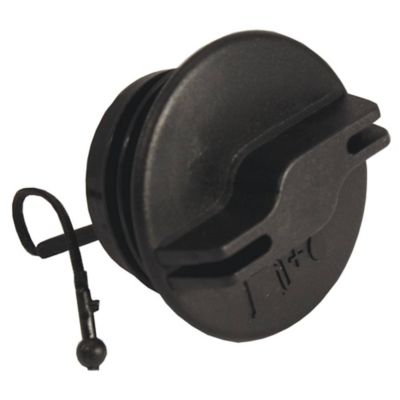
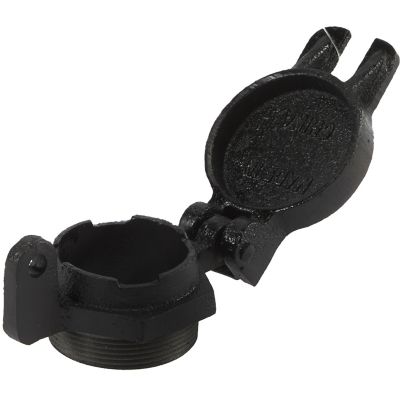
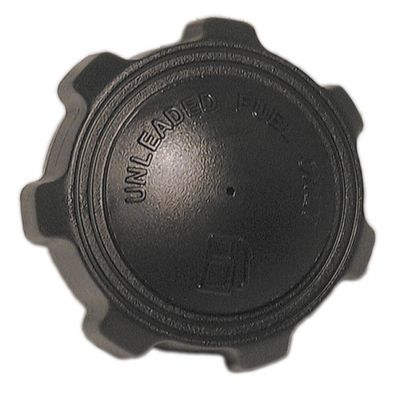
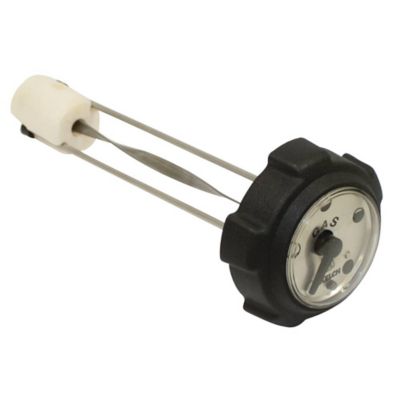
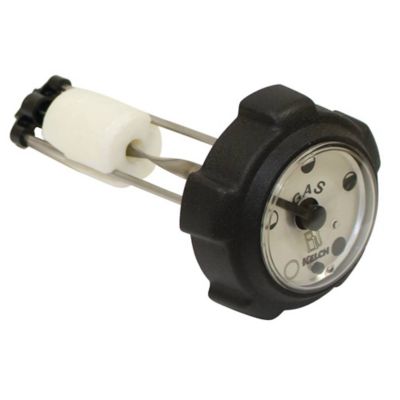
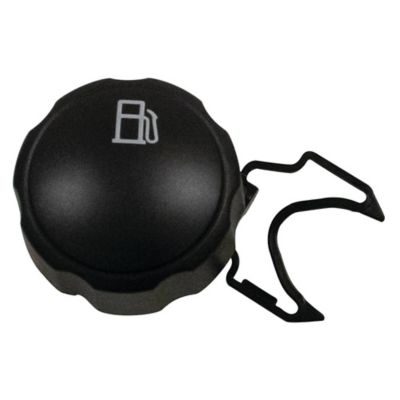
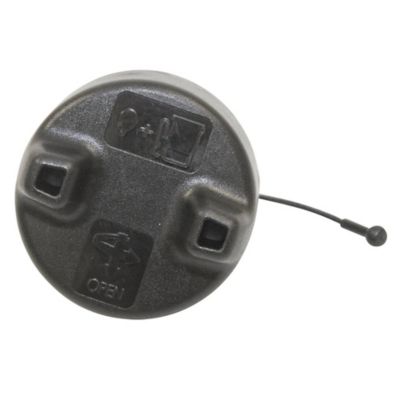
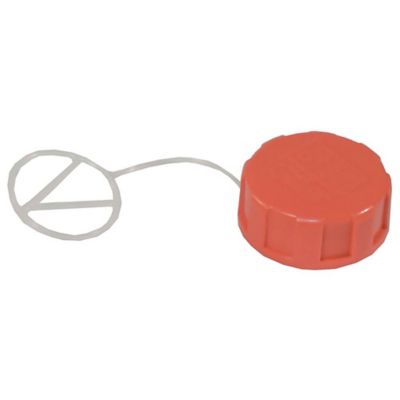
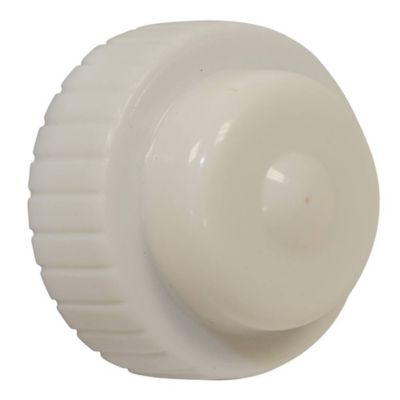
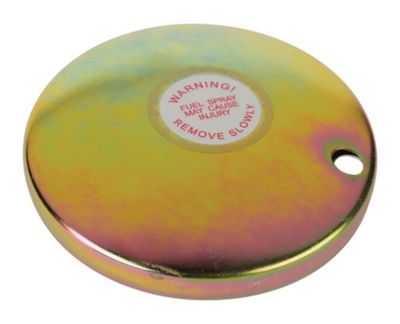
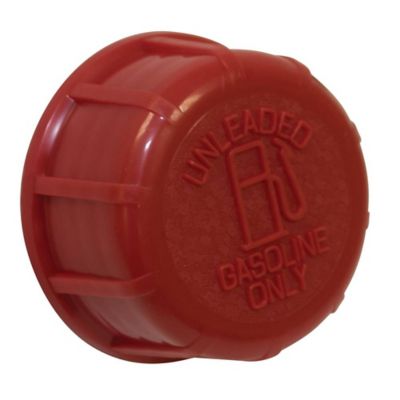
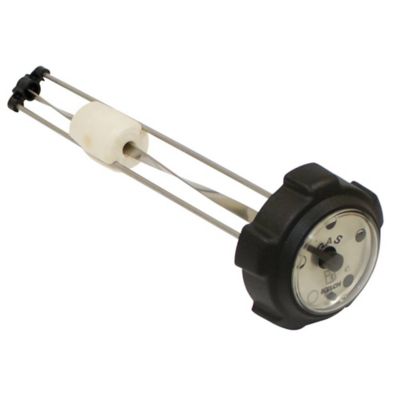
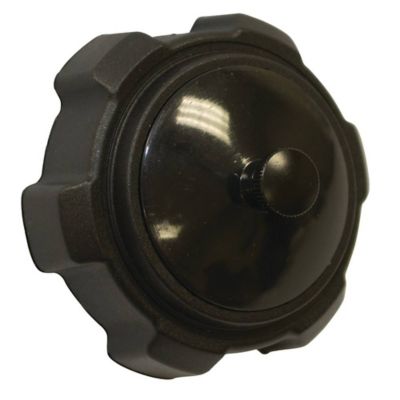
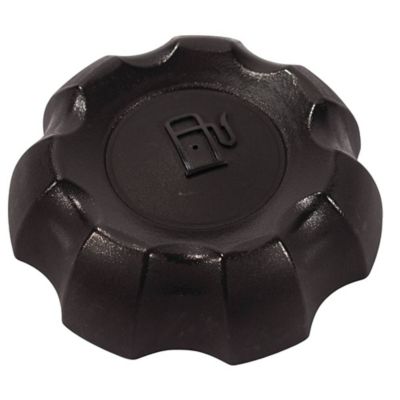
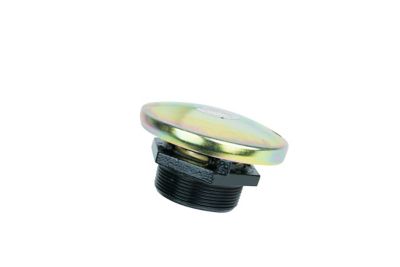
A locking fuel cap is a keyed replacement for a compatible fuel tank cap that helps restrict access to the filler opening and deter fuel theft or tampering. It combines the sealing job of a fuel cap with a lock that must be released before the cap can be removed, although the exact mechanism varies by design. For a pickup parked beside a barn, a work truck at a jobsite or compatible equipment kept in a shared yard, that extra barrier can make unattended fuel access less convenient. It is not a guarantee against theft, and it does not replace secure parking or other precautions, but it adds a physical obstacle at an otherwise accessible opening. Locking gas caps serve gasoline applications, while locking diesel fuel caps must match the requirements of the diesel tank and filler neck. The two should not be treated as interchangeable simply because they look alike. Farmers, ranchers, contractors and drivers who travel between properties may all have reasons to keep fuel access under lock, especially when equipment spends part of the day out of sight. Fleet operators may also value a clearer boundary around who can open a tank. The cap’s seal matters just as much as its lock: a properly matched cap helps close the filler opening against dirt and debris and supports the tank’s specified sealing or venting arrangement. On vehicles with evaporative emissions systems, the correct cap also plays a role in containing fuel vapor. Think of a truck that moves from a gravel lane to a busy worksite, with dust around the fuel door and several people working nearby. A locking cap addresses access at the tank, while its gasket and housing handle the everyday work of keeping that opening properly closed. Both functions depend on choosing a cap intended for the application, rather than one that merely appears to fit.
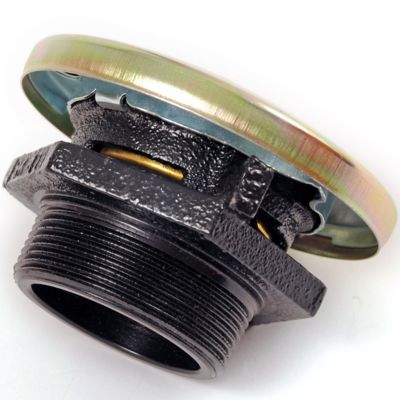
Fit starts with the vehicle or equipment application, not just the diameter of the opening. Year, make, model, engine and fuel type can all matter, along with the filler neck’s attachment style and the tank’s venting requirements. Threaded caps and caps with locking tabs engage differently, and a cap that catches on the opening may still have the wrong depth, gasket position or pressure specification. Older tractors and other equipment may depend on a vented cap, while another tank may require a nonvented design because venting happens elsewhere in the system. Substituting one for the other can affect operation, so the equipment manual and the cap’s application information are better references than appearance alone. Vehicles with capless filler systems need an application-specific approach; a conventional locking cap should not be assumed to fit. Materials deserve a close look, too. Depending on the design, locking fuel caps may combine a metal lock cylinder with a metal or molded plastic housing and a fuel-resistant sealing gasket. Metal components can provide strength around the locking mechanism, while molded housings can offer a manageable grip and resist corrosion. Neither material tells the whole story by itself. Construction, fuel compatibility, gasket condition and proper fit all influence service life. Gasoline, diesel and fuels containing alcohol blends place different demands on seals, making the stated fuel compatibility worth checking. A cap for a vehicle tank also should not be assumed suitable for a transfer tank, portable container or other fuel system. Clearance matters around recessed filler necks and fuel doors, especially when the key must turn within a tight space. A tether can help keep the cap from landing in gravel during refueling, provided the application supports one without interfering with the seal or fuel door. Details such as a broad gripping surface, accessible key slot and clearly described locking action can make everyday handling easier, particularly for someone who fuels several machines during a workday.
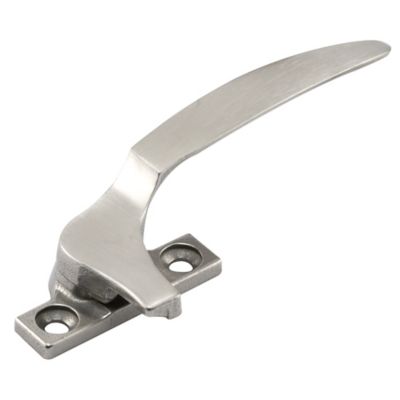
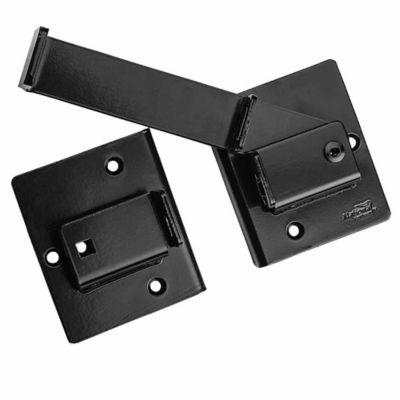
Care is mostly about keeping the sealing surfaces and locking mechanism in good working order. Dust packed around a filler opening can find its way onto the gasket when the cap comes off, so keeping that area clean helps protect the seal and keeps loose grit away from the tank. A cap belongs on a clean surface during refueling, not on a muddy step or in a bed full of feed dust. Periodic checks can reveal a cracked gasket, damaged threads, corrosion or a lock that has become difficult to operate. Those signs deserve attention before the cap stops sealing or becomes hard to remove. Any lubricant for the cylinder should match the cap maker’s directions; an unsuitable spray may attract dirt or affect nearby materials. The key should turn without being forced, and the cap should seat according to its design rather than being tightened harder to compensate for a poor fit. A persistent fuel odor, visible leakage or a vehicle warning light calls for checking the fuel system, not assuming that a locking replacement will solve the problem. Key management matters just as much on a working property. Keeping a spare in a secure, known place can prevent a locked tank from holding up chores, while clearly identifying keys helps when several trucks or machines share a yard. For equipment compartments and storage doors,
Locking Handles can support a broader approach to controlling access, though their fit and function are separate from a fuel cap’s. A truck that carries tools, fuel and supplies has more than one opening worth considering. At the tank itself, the strongest match is a locking fuel cap with the right attachment, sealing arrangement, fuel compatibility and clearance for the job. That combination keeps the focus where it belongs: practical access control without sacrificing the cap’s basic responsibility to close the fuel system correctly.