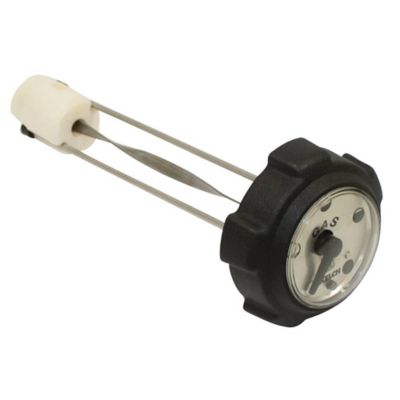
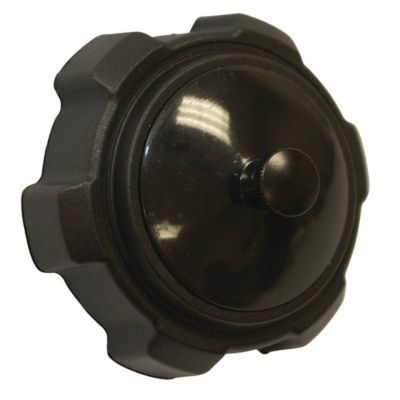
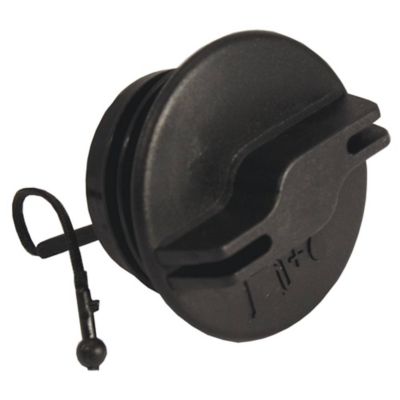
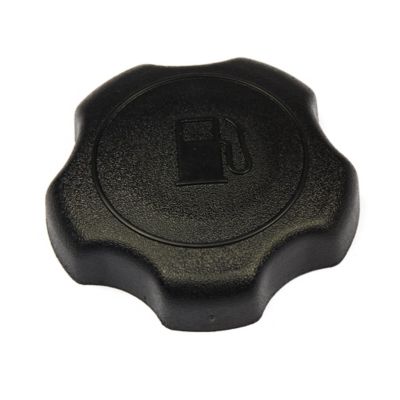
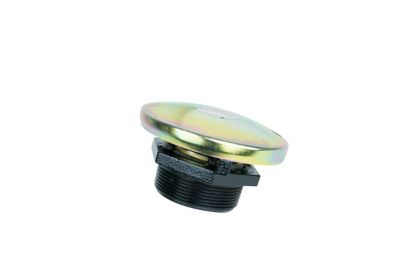
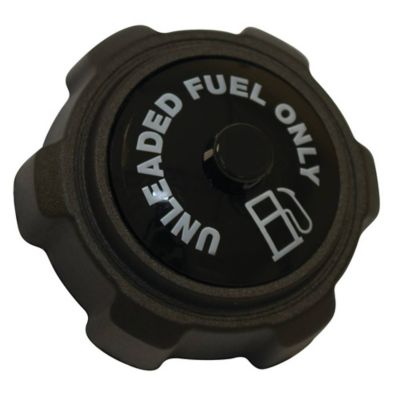
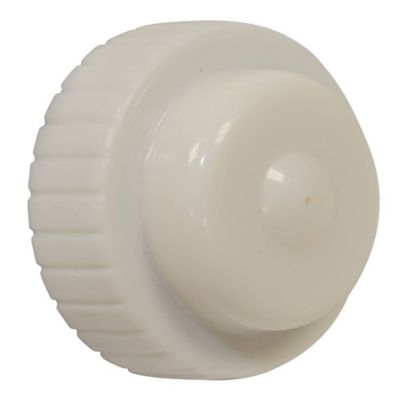
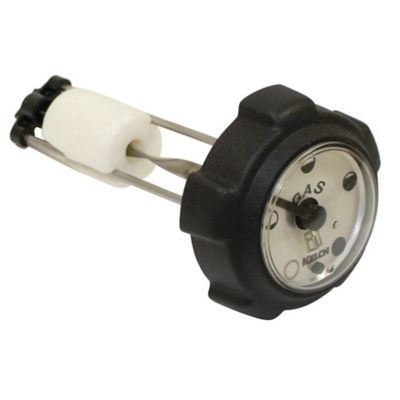
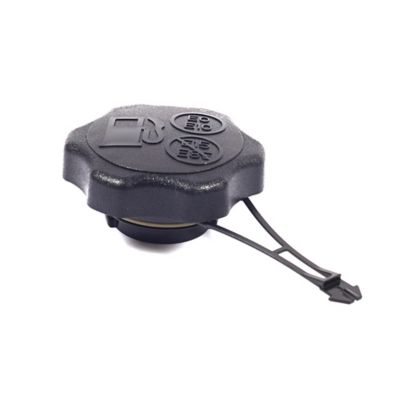
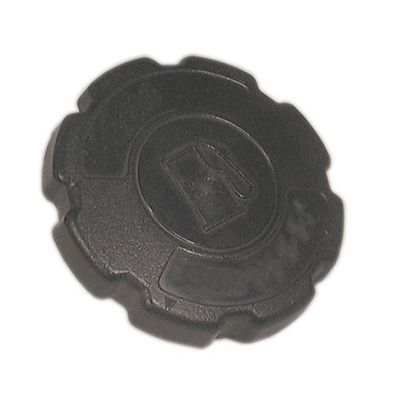
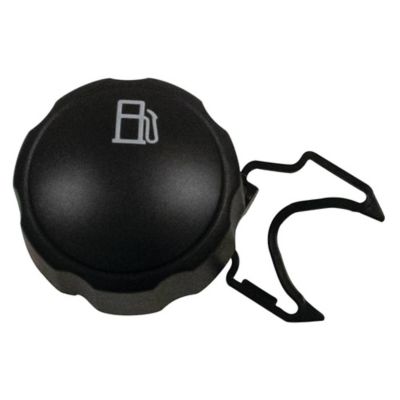
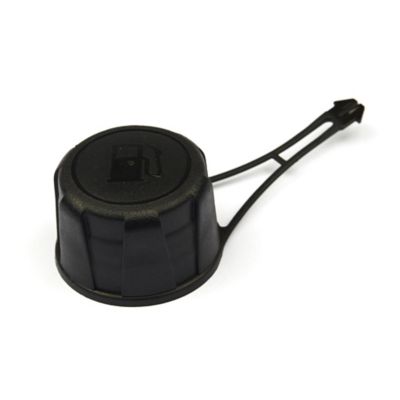
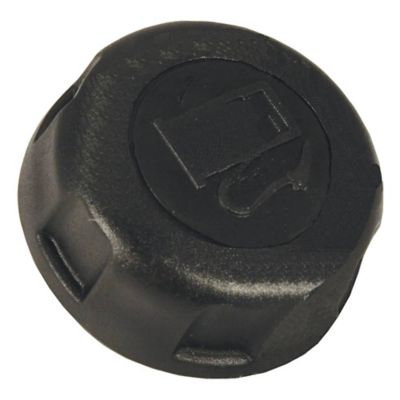
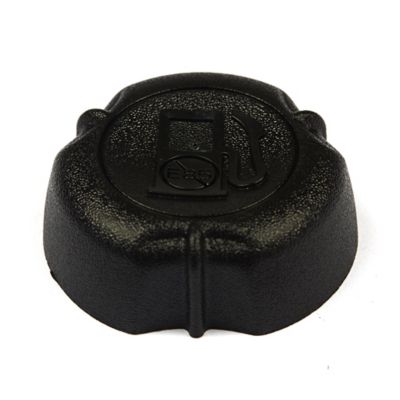
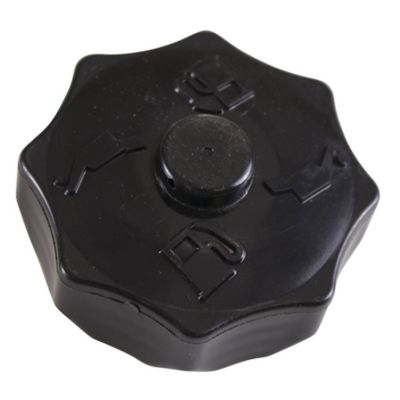
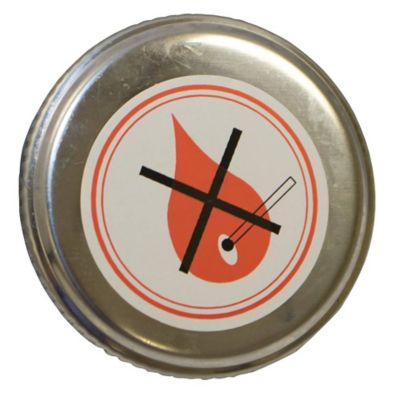
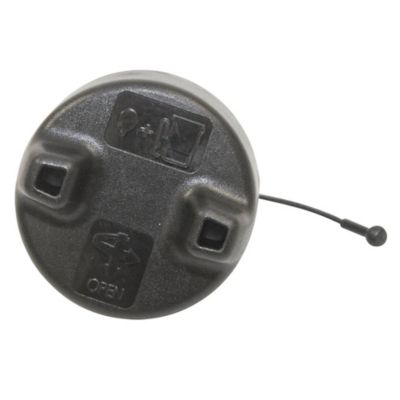
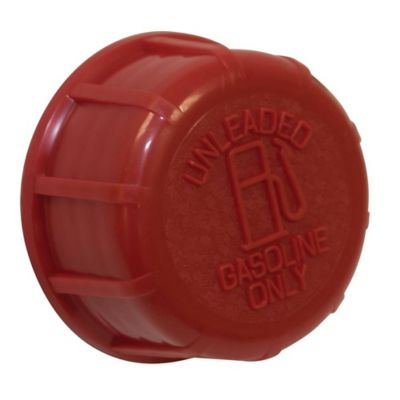
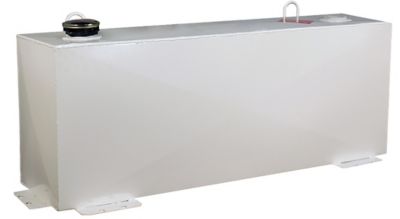
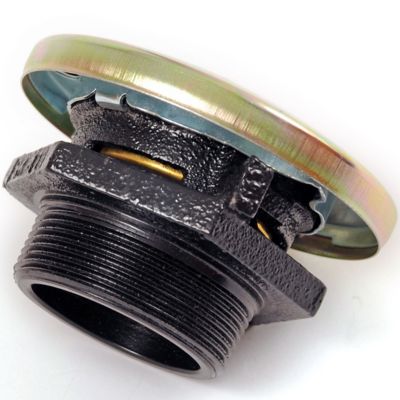
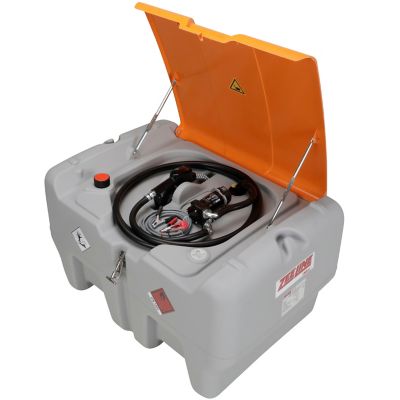
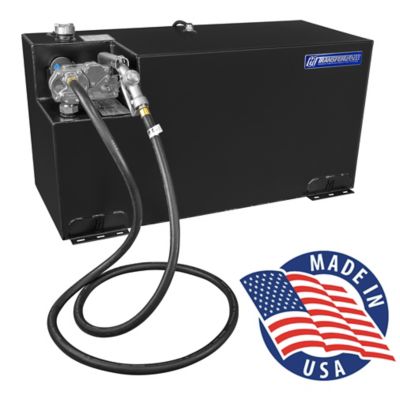
Fuel tank lids, also called gas caps or fuel caps, do a small job that matters every time a vehicle or piece of equipment is fueled. A properly fitting lid seals the filler neck, helps keep gasoline, diesel, and fuel vapors where they belong, and keeps rain, dust, grit, and bits of field debris out of the tank. That matters whether the equipment is parked beside the barn, hauled to a jobsite, or used for a quick chore around the property. A missing, cracked, loose, or worn-out cap can let fuel evaporate, allow water into the tank, and leave you with the unmistakable smell of fuel around the machine. On some vehicles, a poor seal may also trigger a check engine light. Replacement fuel tank lids are useful for cars, trucks, tractors, utility vehicles, lawn mowers, pressure washers, generators, and other small-engine equipment, but the right fit depends on the application. Before ordering, check the equipment’s year, make, model, fuel type, filler-neck design, and the specifications listed for the replacement cap. A cap that looks close may not seal correctly, and a cap made for one type of fuel system should not be substituted for another without confirming compatibility. If the tank itself has rust, dents, cracks, or a damaged filler neck, take a look at
Replacement Fuel Tanks as well.
When choosing fuel tank lids, pay close attention to the cap style and how the equipment’s fuel system is designed to work. Vented fuel caps allow air to move in or out to help balance pressure, a feature commonly found on certain small engines, older equipment, and tanks designed for that type of ventilation. Non-vented caps make a tight seal and are generally used with systems that handle tank pressure through a separate venting arrangement. Using the wrong style can cause trouble, including a tank that pulls a vacuum, fuel starvation, pressure buildup, or a machine that runs poorly after it has been working for a while. Standard twist-on or snap-on caps are simple for everyday use, while locking fuel caps add a layer of protection against fuel theft, tampering, or a curious hand around equipment left at a pasture, roadside, or shared work area. Tethered caps are handy on vehicles and machinery because the cap stays attached while you pump fuel instead of getting set on a toolbox, hood, or dusty tailgate where it can be forgotten or knocked into the dirt. Look for a secure fit, durable construction, an intact gasket or sealing surface, and a design that is easy to remove with work-worn hands. A replacement cap can also be a thoughtful practical gift for a farmer, rancher, landscaper, contractor, or neighbor who keeps several machines going; it is the kind of useful spare that can save an unnecessary trip when a cap disappears during a busy day.
A few simple checks can help you spot a fuel tank lid that needs attention. The cap should tighten smoothly and, when designed to do so, click or stop firmly in place. A loose fit, damaged threads, a brittle gasket, visible cracking, or a cap that will not stay secured are good reasons to replace it. Noticeable fuel odor near the filler neck, a hissing sound when opening the tank, repeated warning lights, or an engine that acts starved for fuel can also point to a cap or venting problem, although those signs may have other causes and should not be ignored. Stop and inspect the equipment safely, away from sparks, flames, cigarettes, and hot engine parts. Let machinery cool before fueling, keep the tank opening clean, and wipe away spills promptly. During the warmer part of the year, fuel vapor can become especially noticeable, while cooler weather and rain make a dependable seal valuable for keeping moisture and dirt out. Before storing a mower, tractor, generator, or recreational vehicle for a stretch, check that the cap is clean, tight, and suited to the tank. Keeping the old cap nearby until the replacement has been matched is a smart habit, and writing down the equipment model can make future parts searches easier. With the right fuel tank lid in place, filling up is less of a hassle and the machine is better prepared for mowing, hauling, feeding livestock, clearing property, and the everyday work that keeps a rural place moving.