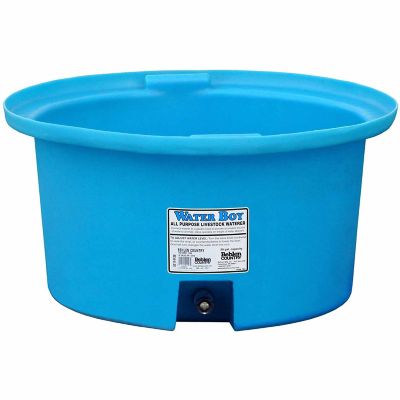
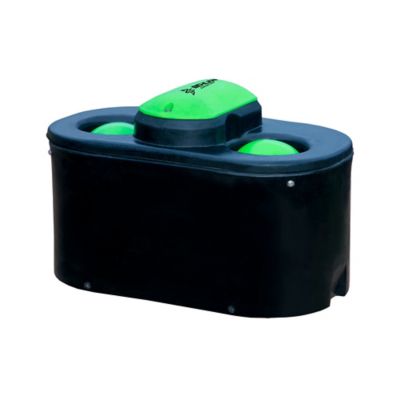
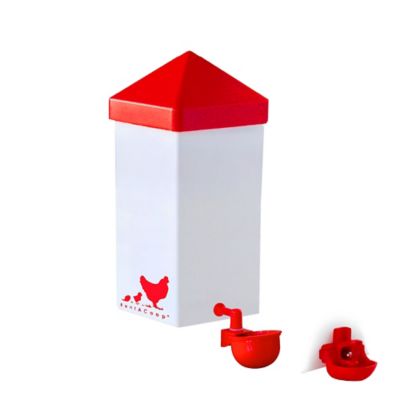
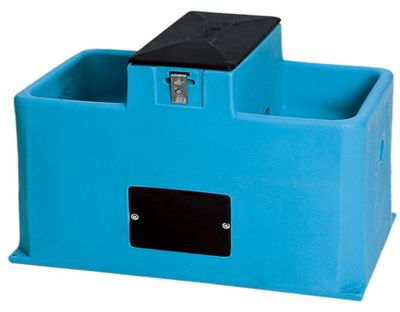
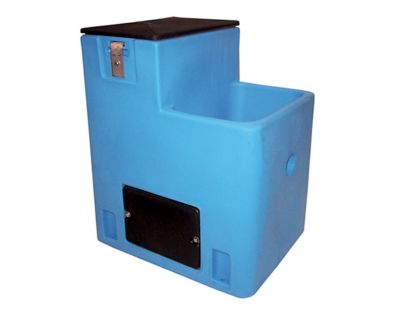
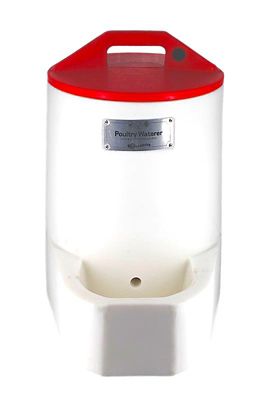
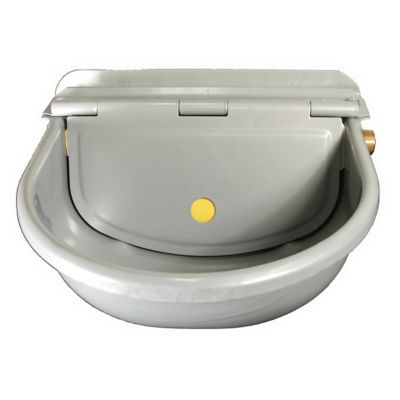
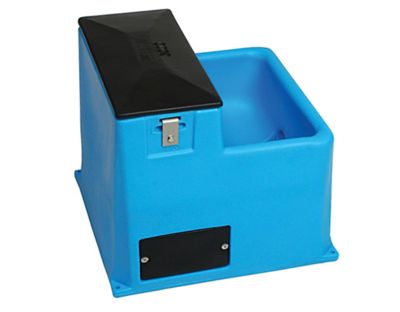
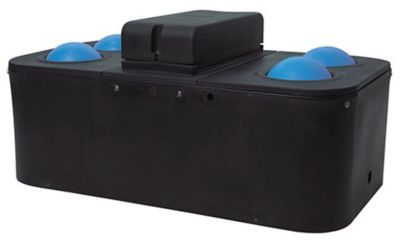
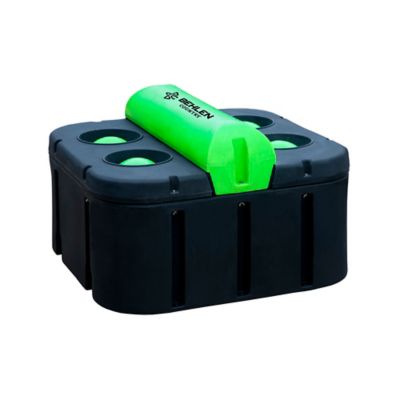
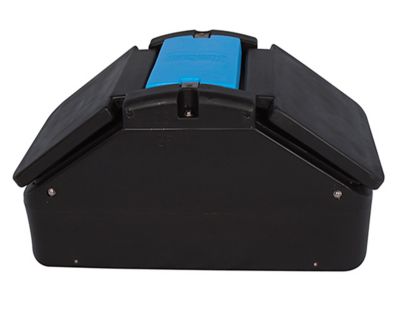
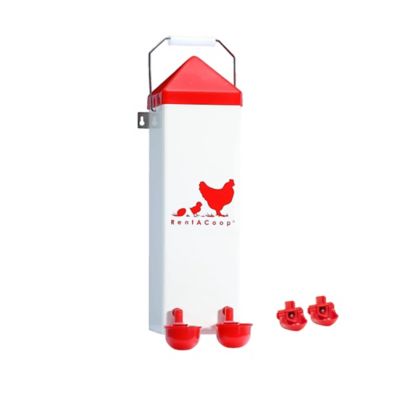
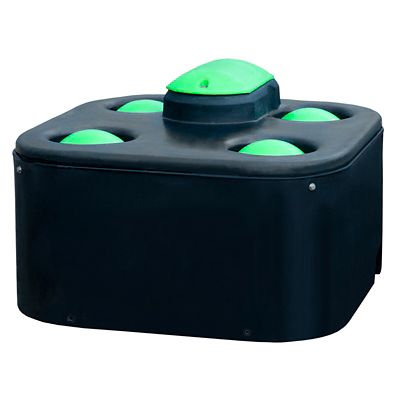
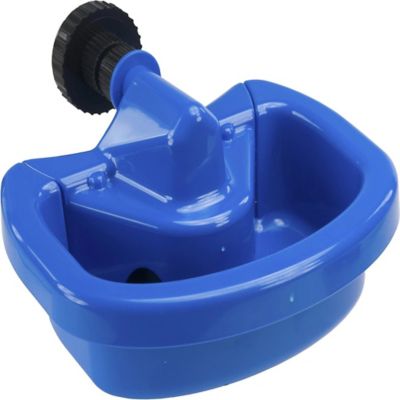
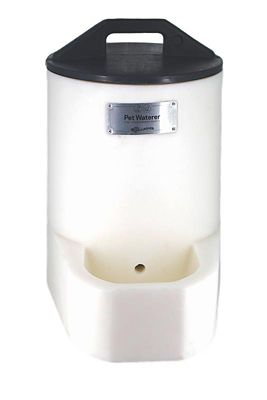
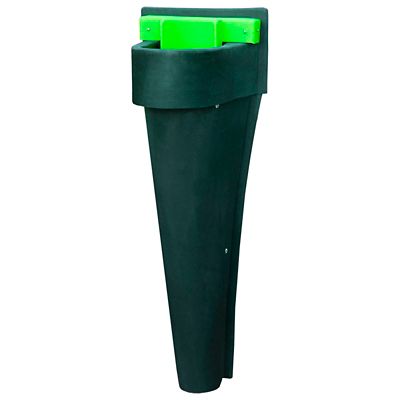
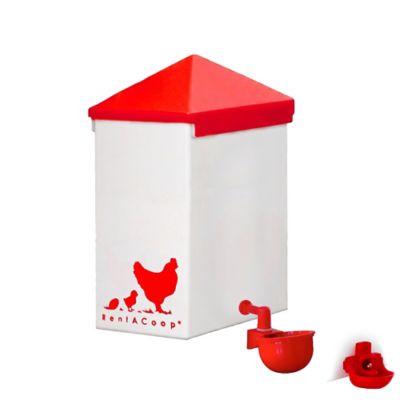
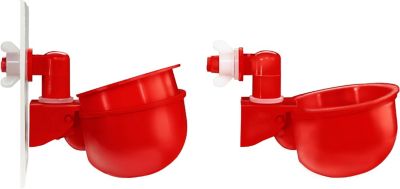
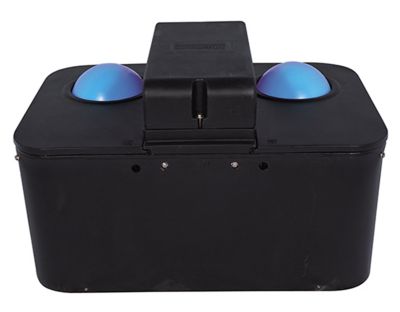
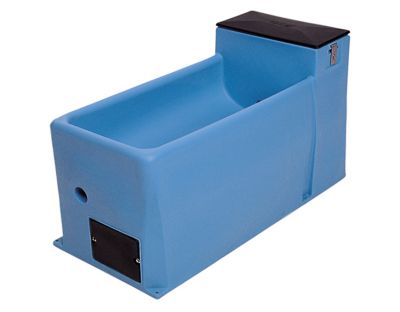
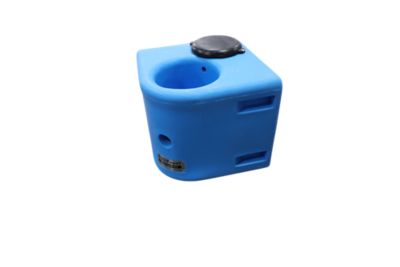
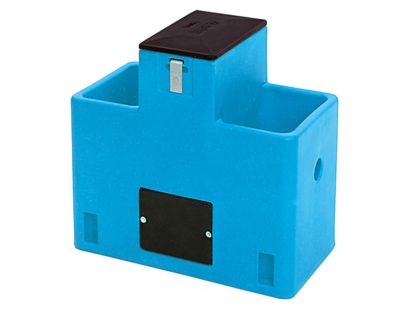
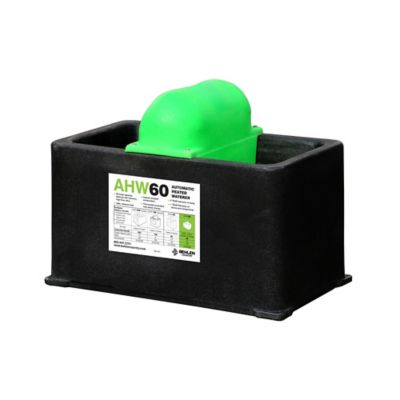
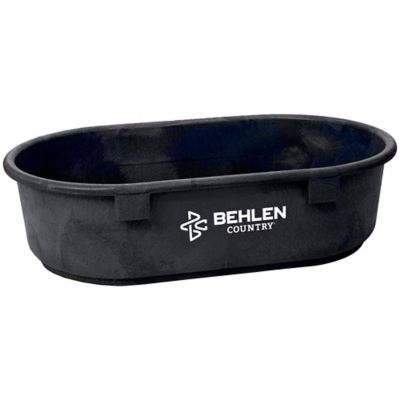
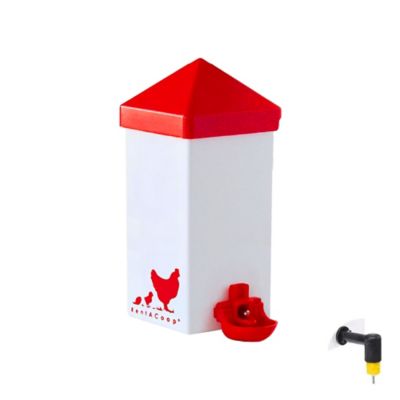
Automatic livestock waterers help keep fresh water available with less hauling, lifting and checking throughout the day. They’re a practical choice for cattle, horses, goats, sheep, pigs and other farm animals, whether you’re managing a few animals behind the house or keeping a larger herd across several pastures. Instead of filling a trough by hand every morning and evening, an automatic waterer connects to a dependable water supply and refills as animals drink. That steady supply can make daily chores easier and help keep animals from going too long between drinks, especially during warm weather when stock may empty a container faster than expected. Many folks who have spent years carrying buckets across a muddy lot know the value of having water handled at the fence line. A well-placed waterer can save time, reduce spills and help keep the area around the tank from turning into a churned-up mess. Automatic livestock waterers are useful for working farms, hobby farms, homesteads, boarding facilities, livestock trailers and animal pens, and they can be a thoughtful gift for someone starting a small farm, raising their first goats or sheep, or preparing a new barnyard for 4-H projects. For young poultry, a smaller setup may be more suitable; shoppers caring for newly hatched birds can also browse
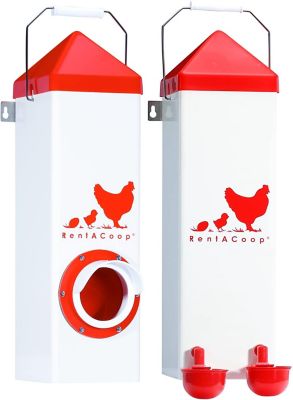
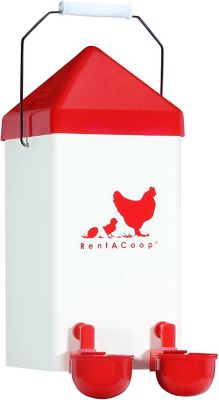
Baby Chick Waterers for watering options made with their smaller size and habits in mind.
When choosing an automatic livestock waterer, start with the animals that will use it, the number of animals sharing it and the location where it will be installed. A few goats in a small lot have different needs than a group of full-size cattle, and a single horse may need a different bowl height and water delivery rate than a pen of hogs. Look for a capacity and refill rate that can keep up during busy drinking periods, such as after animals come in from pasture or after feeding. The water source matters, too. Some setups connect to a standard hose, while others are designed for a more permanent plumbing connection. Check the required fittings, water pressure range and installation instructions before buying, and make sure the connection can be protected from curious noses, rubbing bodies and sharp edges. Tough materials are especially important outdoors, where a waterer may face sun, rain, dust, mud and the occasional bump from a fence or animal. Smooth surfaces and accessible bowls make cleaning simpler, while sturdy construction helps the unit stay in place when a large animal leans against it. Placement deserves just as much attention as the waterer itself. Set it on firm, well-drained ground where animals can reach it comfortably without crowding, and consider placing gravel, pavers or another stable surface around the drinking area to help manage mud. Keep the waterer away from manure buildup and feed spills, and choose a spot that is easy for you to inspect with a quick walk through the lot. A clear view from the barn, driveway or pasture gate can make it easier to notice a low-flow problem, loose fitting or dirty bowl before it becomes a bigger chore.
Even an automatic waterer still needs regular attention. Automatic does not mean maintenance-free, and a few minutes of checking can go a long way toward protecting animal health and preventing expensive repairs. Inspect the float, valve, hose and fittings for leaks or clogs, especially after moving the unit or making changes to the water line. Scrub away algae, slime, mineral scale and bits of hay or bedding on a routine schedule, rinsing thoroughly so cleaning residue does not remain in the drinking area. In the warmer part of the season, direct sunlight can heat standing water and encourage algae growth, so shade or a protected location may help keep water more appealing. During cooler months, freezing temperatures can stop water flow, split fittings and leave animals without a dependable drink. If freezing weather is common in your area, look for a setup that can work with appropriate insulation, a safe heating method or other winter protection, and follow all electrical and installation instructions carefully. Keep cords and heated components out of reach of animals and away from standing water. It also helps to have a backup plan, such as a clean bucket or spare hose, when first installing a new system or during severe weather. After installation, watch the animals use the waterer. Make sure smaller animals can reach it, larger animals are not forced into an awkward position, and timid animals have room to drink without being pushed aside. With the right size, dependable water connection and a location suited to the pen or pasture, an automatic livestock waterer can become one of those quiet farm improvements that pays off every day, from the first chores of late summer through the colder, shorter days of fall.