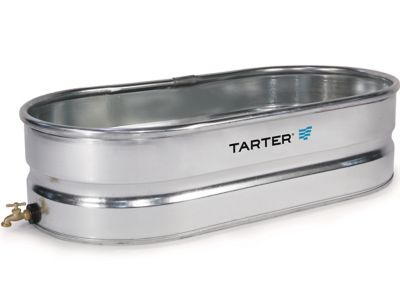
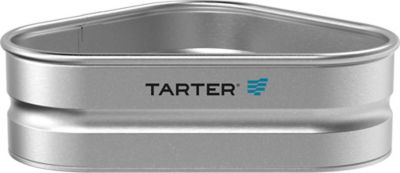
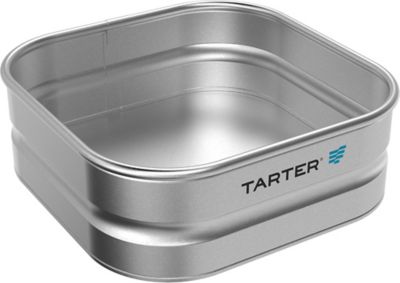
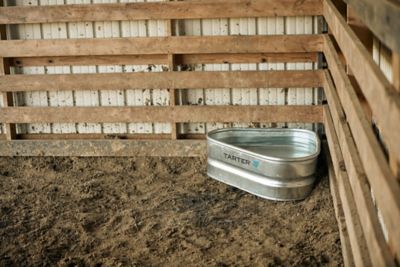
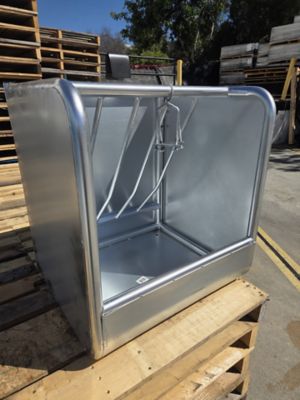
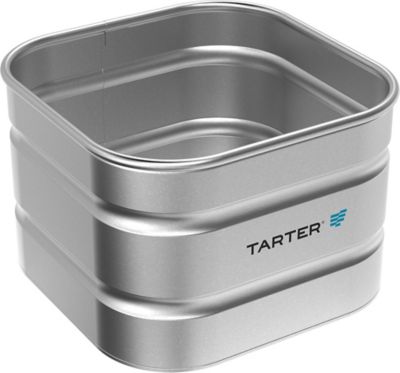
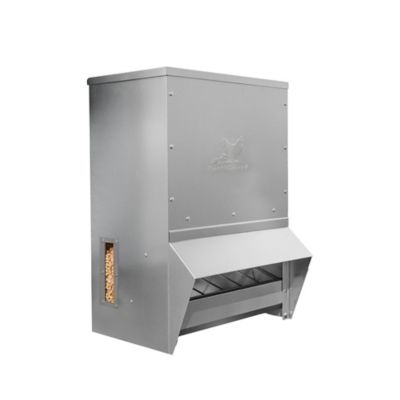
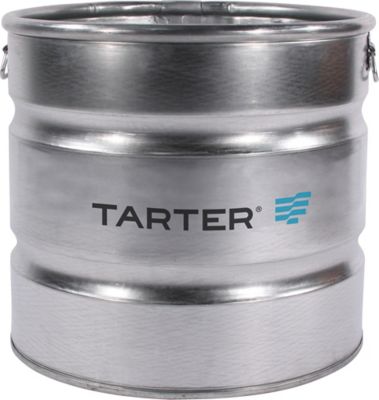
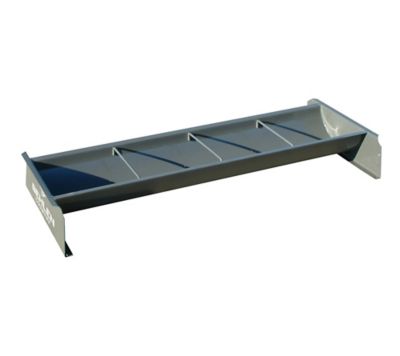
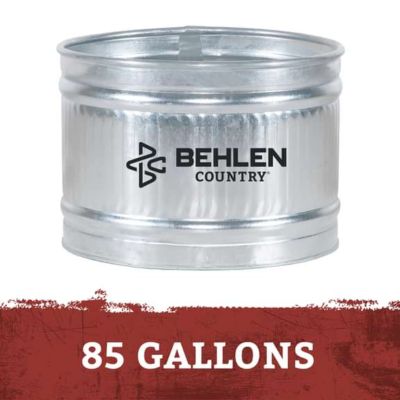
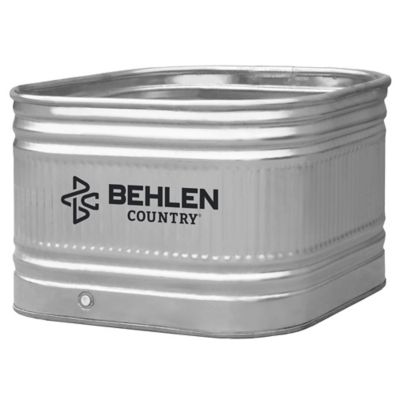
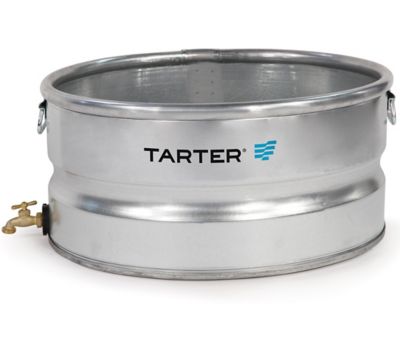
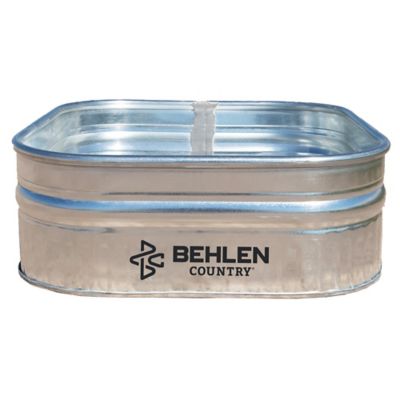
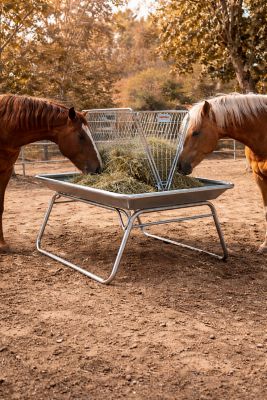
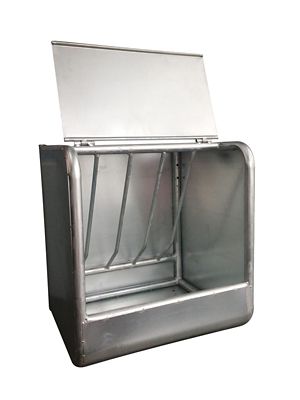
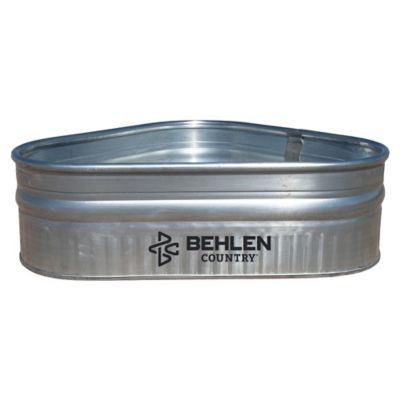
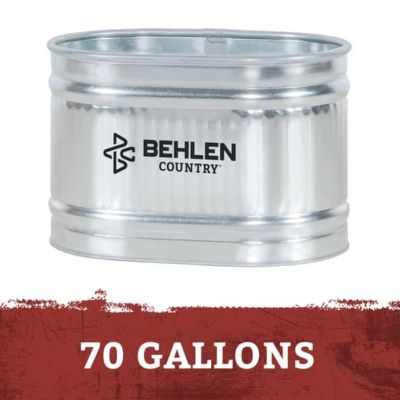
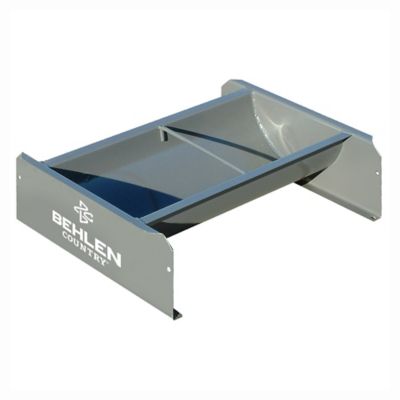
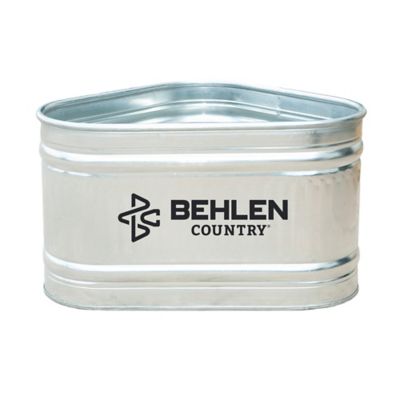
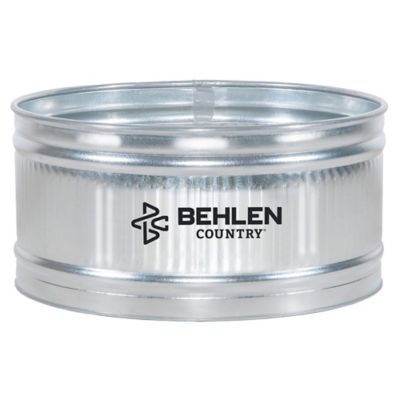
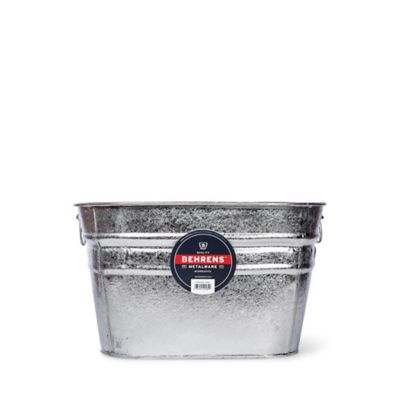
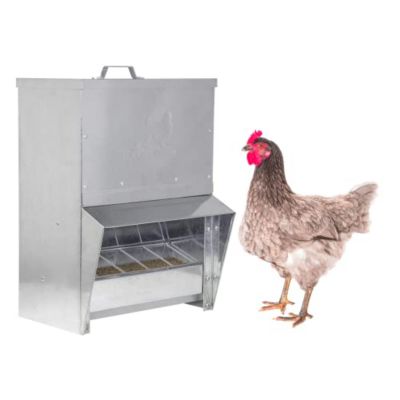
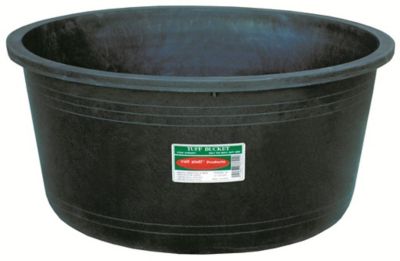
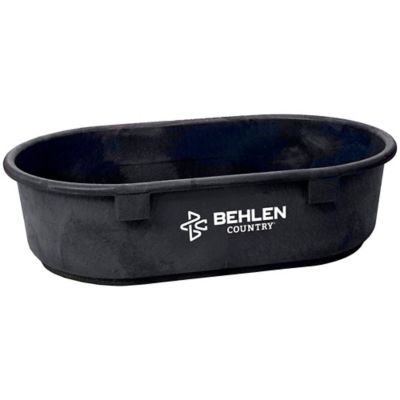
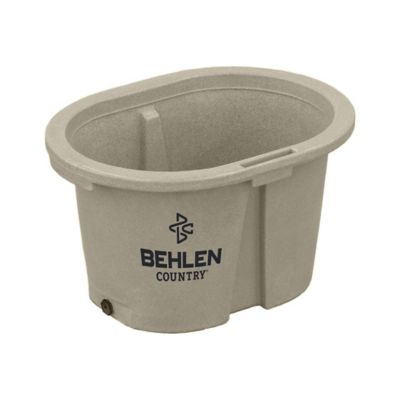
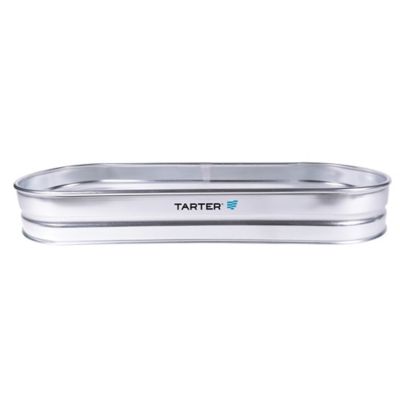
Galvanized troughs are steel containers with a protective zinc coating that helps resist rust and corrosion. That combination makes them a practical choice for livestock watering, with other designs suited to feeding or planting. The zinc coating does more than give the metal its familiar silver-gray appearance: it helps protect the steel underneath from contact with moisture. Galvanized steel is not rustproof, though, and the condition of the coating matters over the life of the trough. On a working farm or a small acreage, a trough needs to suit the animals, the space and the daily chores that go along with it. A long oval shape can fit neatly along a pen while leaving room for animals to gather along its sides. A round tank may make more sense in an open area where the herd can approach from several directions. Capacity matters, but gallons alone do not tell the whole story. Rim height, water depth and the amount of drinking space all affect how well a trough fits a particular group of animals. Adult cattle and horses have different reach and drinking needs than sheep, goats or young animals. A tall sidewall that works for one group may make access difficult for another. When comparing
Livestock Water Troughs, consider the number of animals drinking, how often the water can be replenished and whether a single watering point gives every animal a fair chance to drink. A larger vessel does not necessarily solve crowding if a dominant animal can block the approach. Room around the trough can matter just as much as room inside it. For pens shared by animals of different sizes, access and placement deserve a close look before capacity becomes the deciding factor. The best fit supports normal drinking behavior without making the watering area harder to manage.
Construction details help explain how a galvanized trough will fit into everyday farm work. Steel thickness, sidewall reinforcement, seams and the shape of the rim all deserve attention. A smooth, rolled edge is especially useful wherever animals reach over the side, while reinforced walls help the container hold its shape under the weight of its contents. A vessel intended to hold drinking water needs watertight construction; a feeding container or garden planter may have a different design. Intended use should be clear rather than assumed from appearance alone. Dimensions also mean more than the space a trough occupies on the ground. Overall length and width affect whether it can pass through a gate, sit between fence posts or leave enough room for a wheelbarrow and routine pen work. Height affects both animal access and how far someone must reach to scrub the bottom. Water alone weighs about 8.3 pounds per gallon, so even a modest-looking trough becomes heavy when filled. A firm, level base that supports the bottom helps prevent rocking and uneven strain. Uneven ground, a protruding stone or an unsupported section can put pressure where it does not belong. Placement should also leave a clear approach for animals without narrowing a gate opening or putting a trough where equipment regularly passes. A drain opening, when present, can make emptying and rinsing less of a chore, but it needs enough clearance to work as intended. Its position matters if a fence rail, wall or other obstacle would block access. Think about the water source, too: a convenient hose route or a compatible watering connection can save plenty of hauling. Where a float valve or another fitting is part of the setup, compatibility with the trough and protection from animal contact are worth checking. Those practical details often matter more in daily use than a small difference in overall capacity.
Care for galvanized troughs centers on keeping the inside clean and protecting the zinc coating from unnecessary wear. Feed residue, sediment and organic buildup can collect along the bottom and around seams, so easy access for inspection and cleaning is a real advantage. For drinking-water applications, regular emptying and scrubbing should follow the manufacturer's care directions and the needs of the animals. Cleaning products must be suitable for the container and its intended purpose, with thorough rinsing before animals drink again. Harsh acids, abrasive tools and unsuitable chemicals can damage the protective surface rather than improve it. A trough that develops a leak, a rough edge or a heavily corroded area needs attention before it returns to animal service. Dragging an empty tank across rough ground can scrape its base, so a clear path and enough help for moving it can spare both the metal and the person doing the lifting. Galvanized troughs also appeal to gardeners who want a contained growing space with a straightforward farm look. Their defined sides can separate planting areas from paths, and taller walls may reduce the amount of bending needed for tending plants. A water-holding trough and a planting container have different requirements, however. Roots need suitable drainage, and a container filled with soil becomes a substantial load that is difficult to relocate. The intended planting application, the manufacturer's recommendations and the supporting surface all deserve consideration before filling. Any liner or added fitting should suit that application rather than simply fit the opening. A container previously holding chemicals or other unsuitable materials does not belong in a drinking-water setup or an edible garden. Whether the job is watering a small herd, providing an appropriate feeding space or containing a garden bed, galvanized troughs work best when their construction matches the task. Sensible sizing, safe access and manageable cleaning help make the trough a useful part of the property instead of another chore to work around.