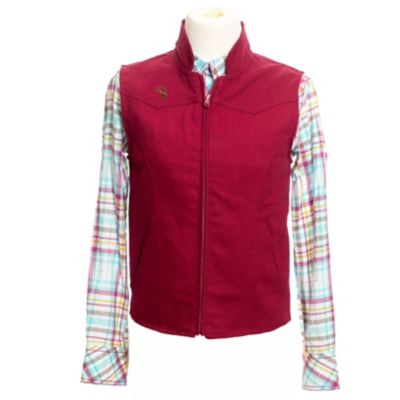
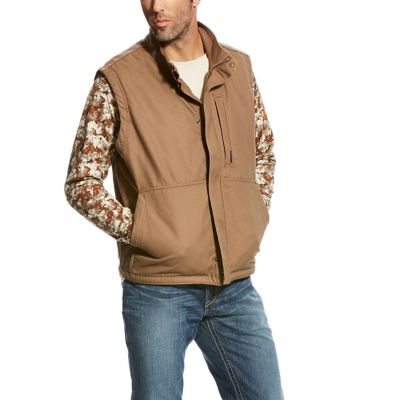
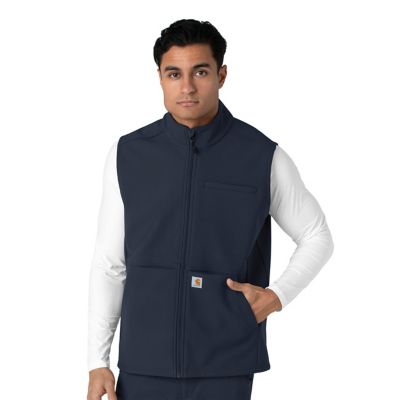
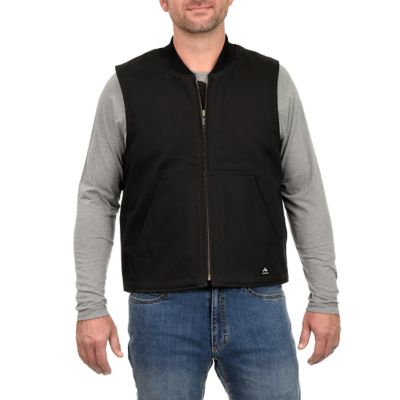
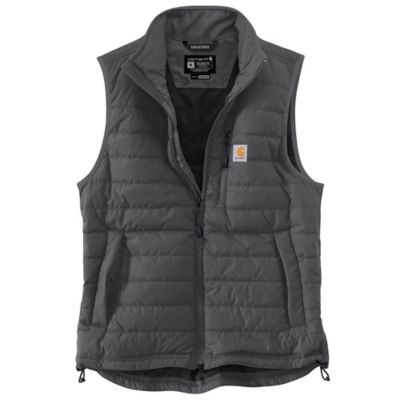
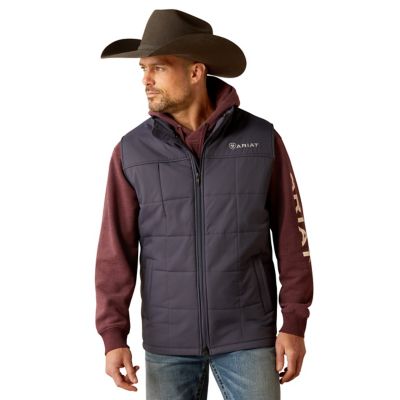
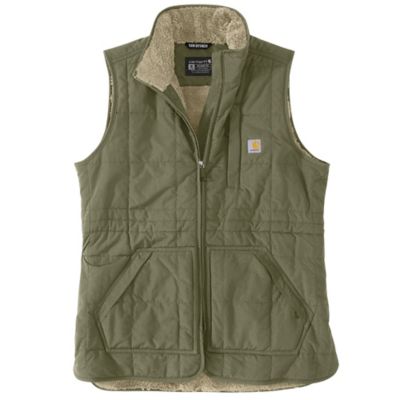
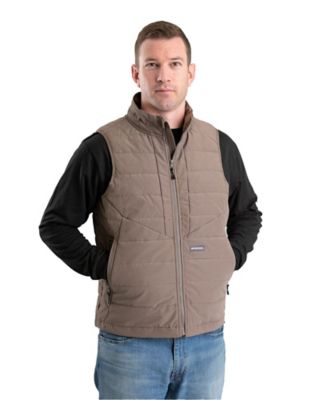
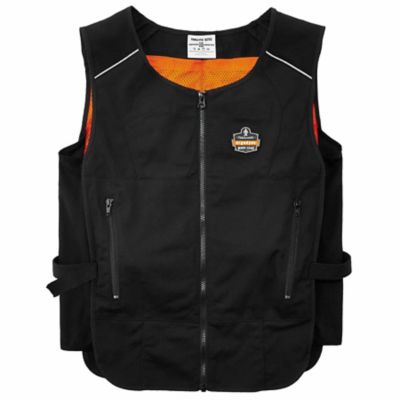
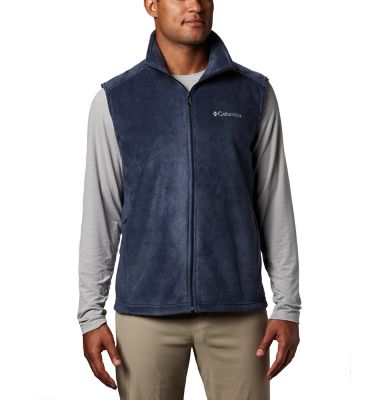
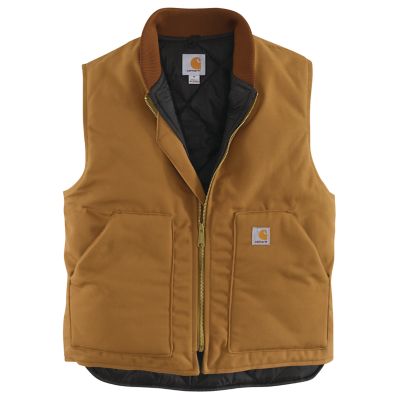
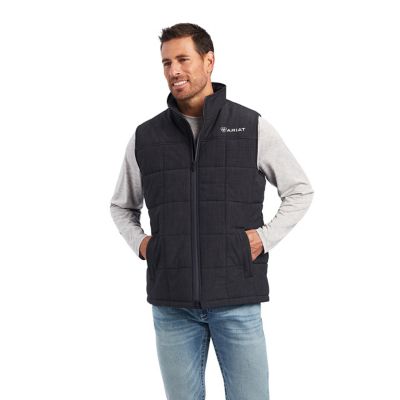
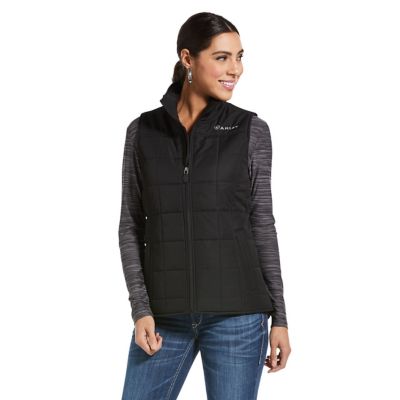
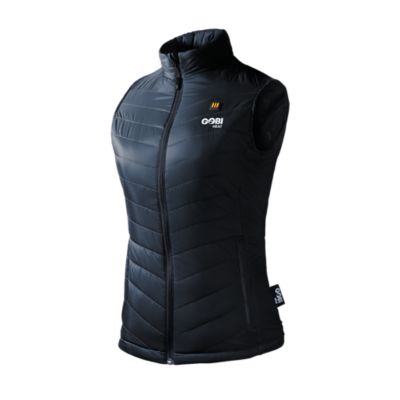
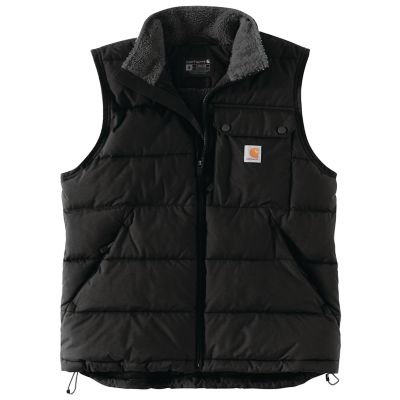
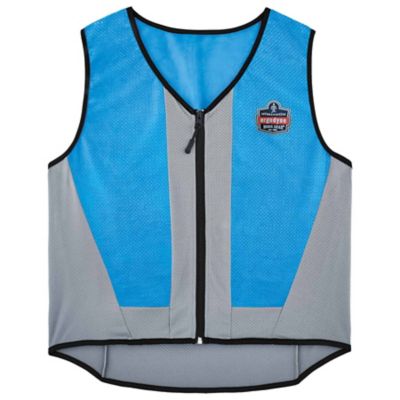
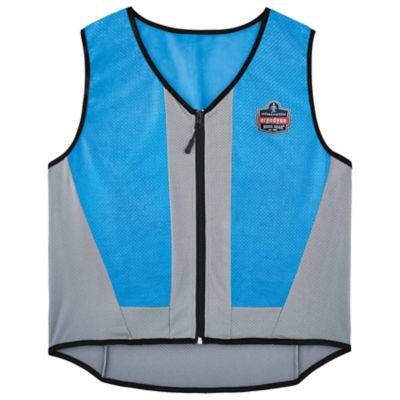
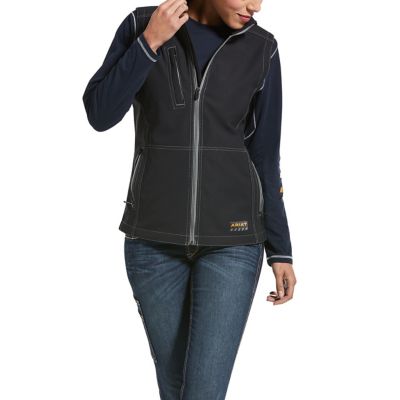
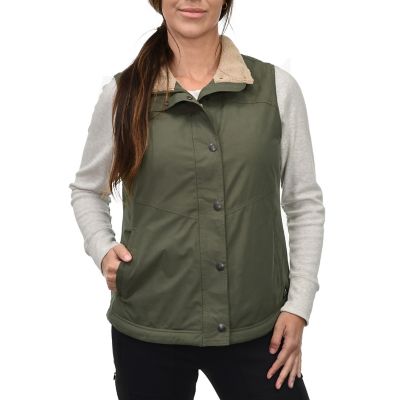
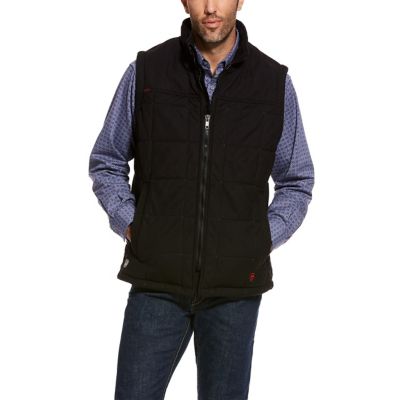
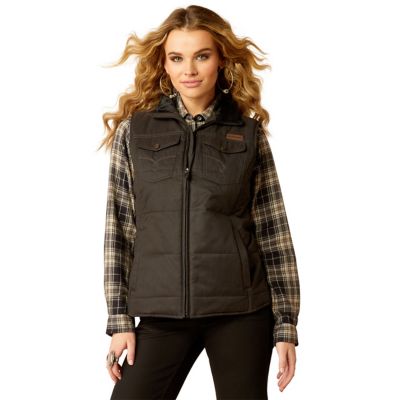
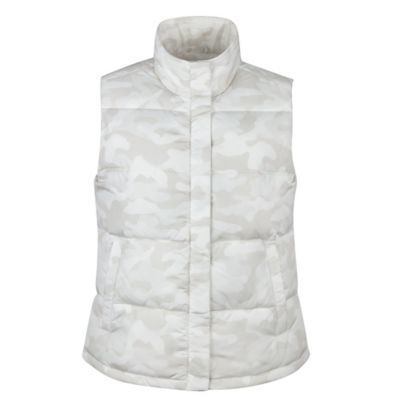
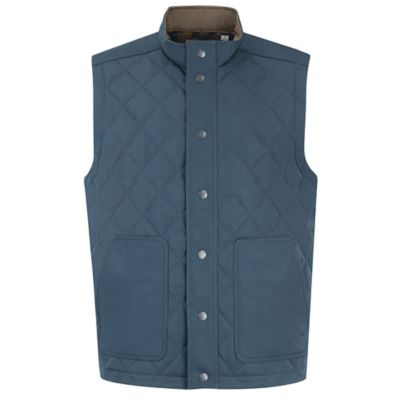
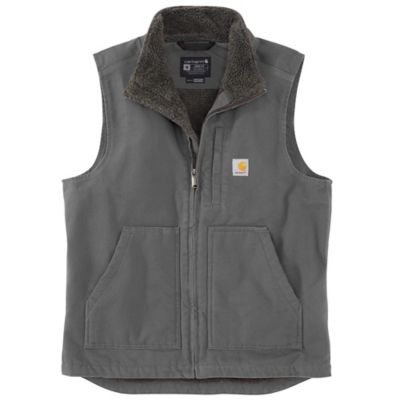
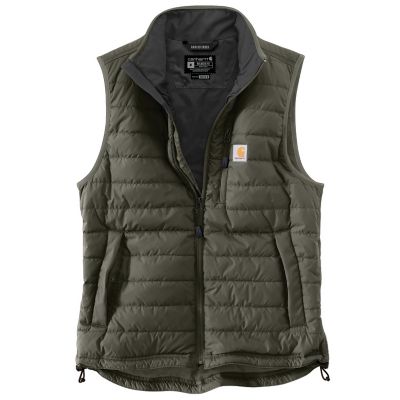
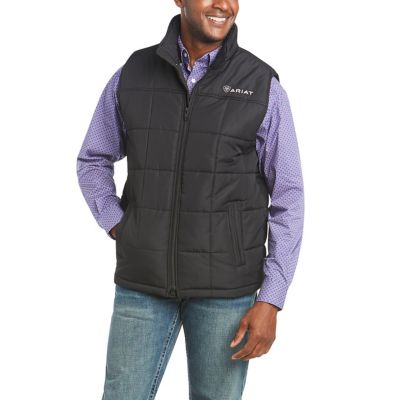
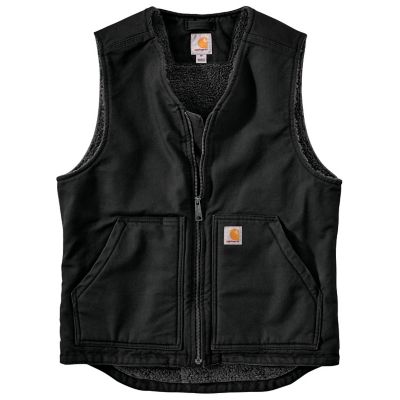
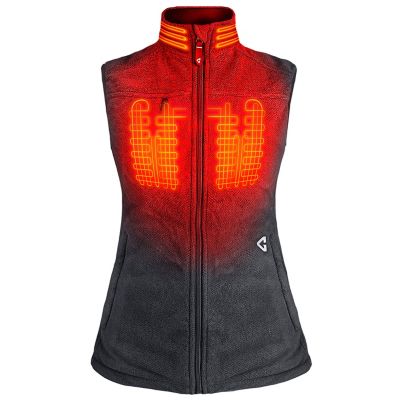
Lightweight vests are handy layers for workdays, weekend chores, travel, walking and outdoor time when a full coat feels like too much. They add a little warmth through the chest and back while leaving your arms free to drive a tractor, carry feed, handle tools or move comfortably on a trail. During the cooler months, a vest can be worn over a flannel shirt, work shirt or sweatshirt, then tucked under a heavier jacket when the temperature drops further. Look for a fit that leaves enough room for the layers you normally wear without hanging loose around the shoulders or waist. A well-fitting vest should sit close enough to hold in warmth but should not pull across the chest when you reach, bend or climb. Full-length zippers, roomy arm openings and a hem that stays in place can make a noticeable difference when you are working around the farm or walking the dog. For everyday wear, lightweight quilted, puffer and insulated styles offer warmth without the bulk of a heavy coat. Synthetic insulation is often a practical choice because it dries fairly quickly and continues to provide warmth in damp conditions. A wind-resistant outer fabric helps keep a brisk breeze from cutting through, while a soft lining makes the vest comfortable over a T-shirt or long-sleeve top. Packable styles are especially useful for road trips, hunting camps, school runs and changing weather because they can be folded into a vehicle, tote or backpack when the afternoon warms up. Check the care instructions before buying, especially if the vest will be worn around dust, hay, mud or animal pens. Easy-care fabrics and machine-washable construction can save time when your outerwear sees the same hard use as your boots.
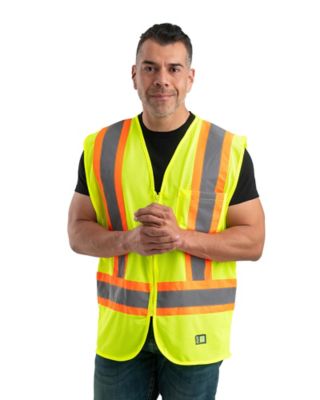
Other lightweight vests are built more for storage and utility than insulation. These styles may include several front, side or inside pockets for a phone, keys, gloves, small tools, a flashlight, wallet or other daily essentials. A utility vest can be a useful middle ground when you need quick access to your gear but do not want to carry a shoulder bag. For travel, pay attention to pocket placement, zipper security and how the vest feels when loaded. A vest that is comfortable empty may become awkward when every pocket is full, so look for balanced storage that does not pull heavily on one side. Breathable panels, moisture-managing fabric and a light construction are helpful for walking, yard work and outdoor jobs that keep you moving. Some travel-focused designs also include discreet compartments and features intended to help organize personal items while you are in busy areas. For visibility during low-light walks, roadside tasks or early-morning chores, bright colors and reflective details can add an important layer of awareness. Pairing a suitable lightweight vest with
Reflective Vests for Runners can help shoppers compare visibility-focused options for active outdoor use. A vest is also a thoughtful gift for someone who spends time outside but prefers flexible layers over a bulky coat. It can suit a ranch hand, gardener, delivery driver, traveler, dog walker, camper or parent who is always moving between the house, vehicle and yard. When choosing one as a gift, consider the recipient’s usual clothing, favorite outdoor activities and need for pockets. Neutral colors tend to work well for everyday wear, while high-visibility colors may be a better fit for walking, roadside work or outdoor recreation where being seen matters. If the vest is meant for work, leave room for a sweatshirt underneath and choose sturdy closures that are easy to operate with cold or gloved hands.
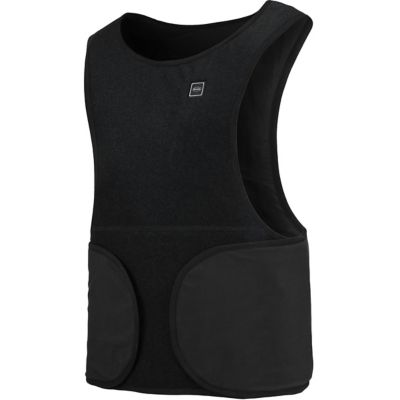
Lightweight vests can also be designed for walking and fitness, including weighted styles that add resistance to a workout without requiring hand weights. These vests are generally made to sit close to the torso, with adjustable straps or evenly distributed weight to help reduce shifting during walks, bodyweight exercises or other light training. Start with a comfortable load and a short session, then build gradually as your body adjusts. A weighted vest should not restrict breathing, change your posture or cause rubbing at the shoulders, collar or waist. Check the listed weight range, adjustment system and recommended activities before use, and follow any safety guidance provided with the vest. For general outdoor fitness, breathable fabric, secure closures and reflective accents are useful details, particularly when a walk begins in daylight and ends as the air gets cooler. For insulated or casual lightweight vests, compare warmth, weather resistance, pocket space and packability. For utility styles, focus on organization, durability and comfort when carrying a few essentials. For active or weighted designs, prioritize a stable fit and a construction that moves with you. The right choice depends on how the vest will be used, whether that means splitting firewood, checking fences, loading groceries, walking a gravel road or layering up for a Saturday at the farm stand. Keeping one in a truck, mudroom or gear closet makes it easy to handle those in-between stretches when the morning starts cold, the sun comes out later and a heavy coat would spend more time over your arm than on your back.