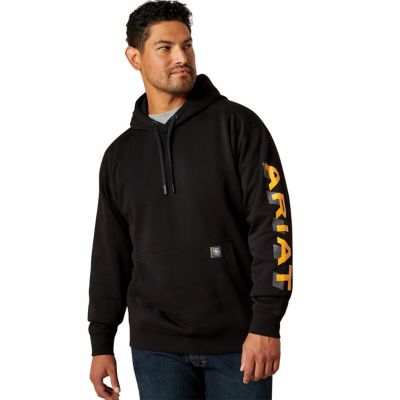
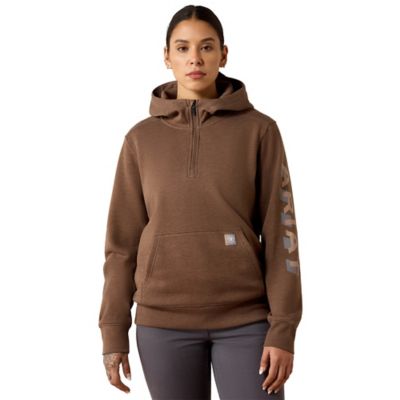
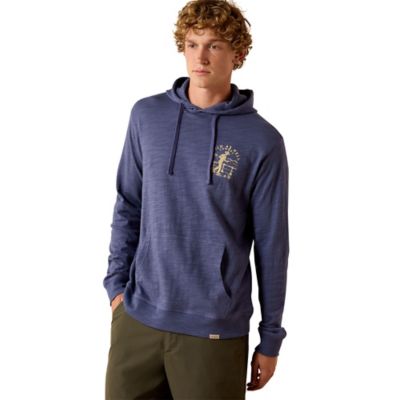
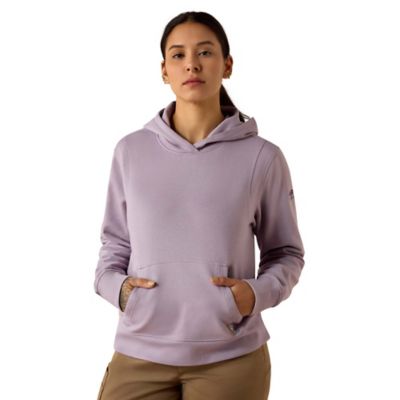
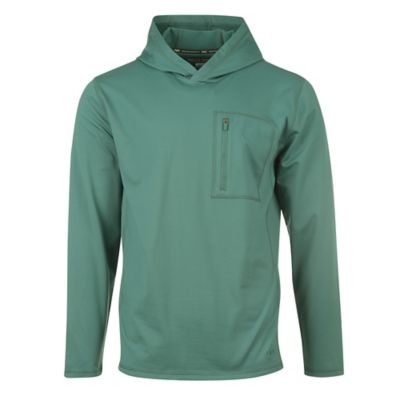
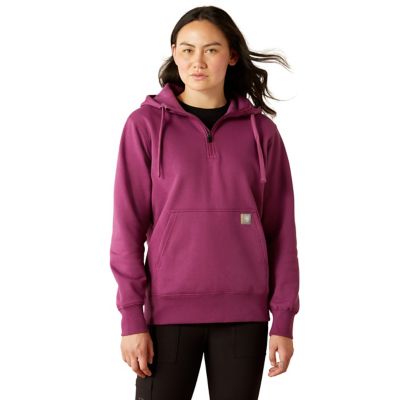
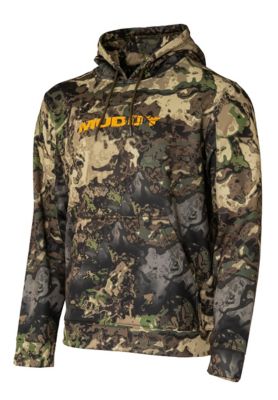
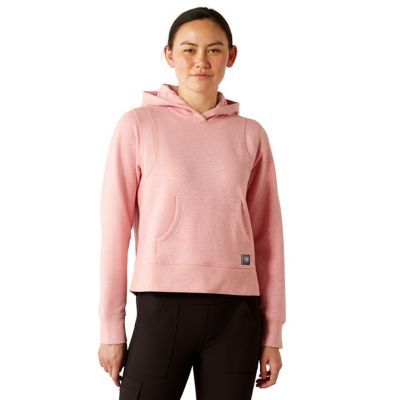
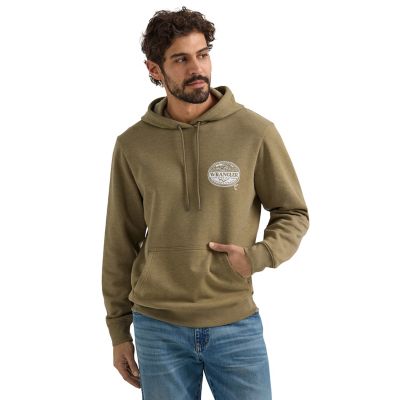
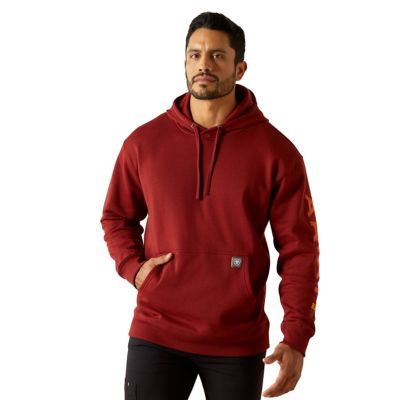
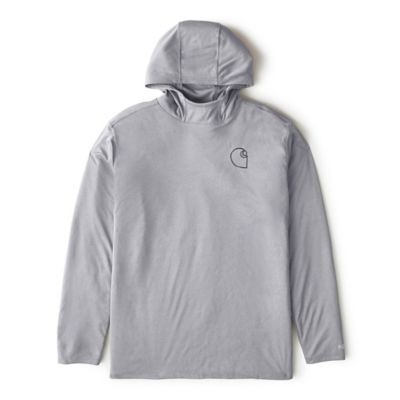
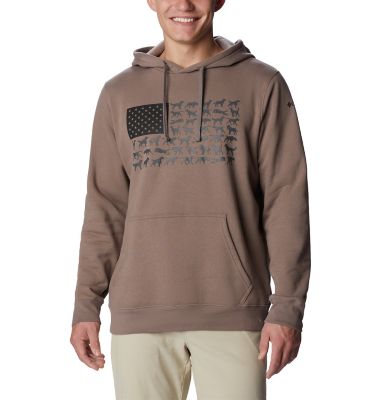
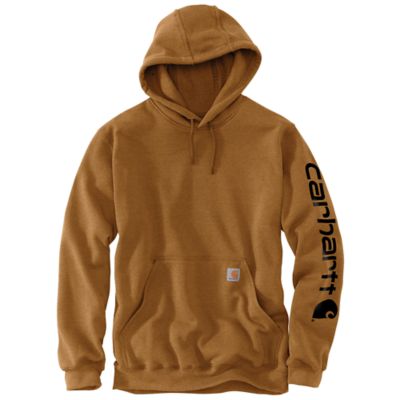
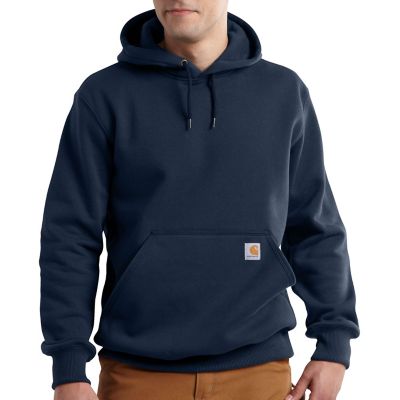
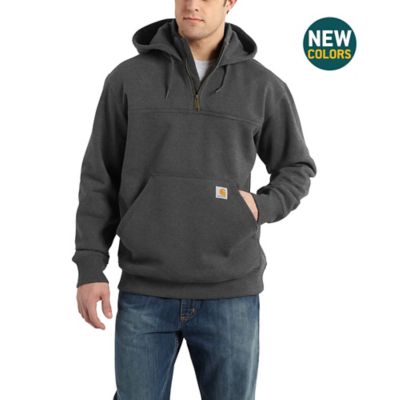
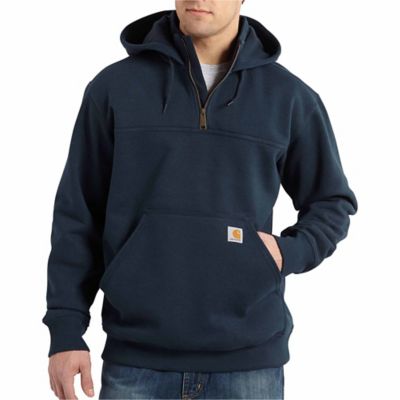
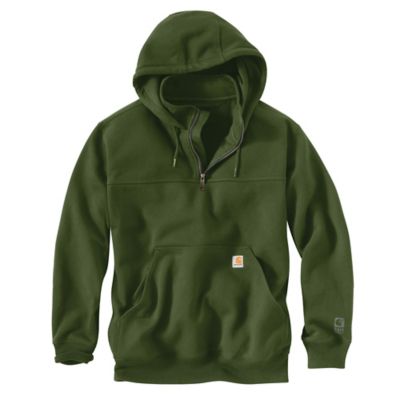
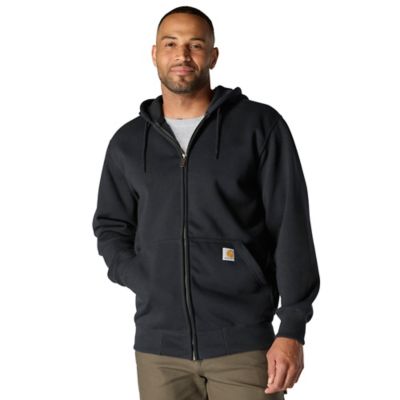
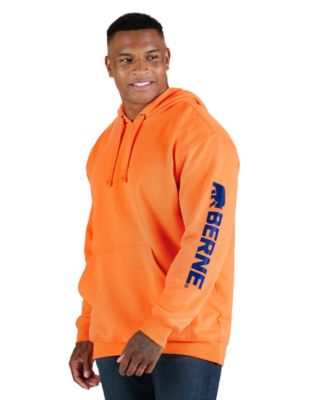
Lightweight hoodies are hooded tops made with thinner, less bulky fabric than traditional heavyweight sweatshirts, giving them an easy feel for everyday wear and layering. Many feel closer to a long-sleeve T-shirt than a thick fleece pullover, with enough coverage for a trip into town, a walk with the dog, or a stretch of chores around the property. The word lightweight describes the overall feel rather than a single fabric or a standard weight, so the knit, fiber blend, and interior finish all make a difference. Cotton jersey often has a soft, familiar touch and a smooth surface that slips comfortably beneath another layer. Cotton blends combine that familiar feel with characteristics from other fibers, such as the shape retention and drying performance that polyester can provide. Stretch blends with elastane offer extra give when reaching into a truck bed, bending to fill feed pans, or pulling on a jacket. Performance fabrics may offer moisture-wicking or quick-drying features, but those benefits belong to the particular fabric and construction, not to every thin hoodie. Cotton absorbs moisture readily and generally takes longer to dry than many synthetic fabrics, which matters when a day includes plenty of movement. Some lightweight styles have a flat jersey interior, while others feature the small inside loops of French terry or a lightly brushed finish. Those details affect how the fabric feels against a short-sleeve shirt and how much space it takes up beneath a vest. A lightweight hoodie can be a standalone top, an extra layer over a tee, or a comfortable piece to keep in a work bag. For someone moving between errands, household tasks, and time outdoors, that flexibility is often the main appeal. It offers the familiar shape of a sweatshirt without the thick body and sleeves that can bunch beneath outerwear. The result is a practical everyday layer that fits naturally alongside jeans, work pants, joggers, or shorts, depending on what the day calls for.
Fit plays just as big a part as fabric in how a lightweight hoodie wears. A closer cut can sit neatly under a work shirt or jacket, while a relaxed shape leaves more space through the chest, shoulders, and waist. Neither has to mean tight sleeves or a hem that rides up every time an arm reaches overhead. Shoulder seams, sleeve length, and room across the upper back help determine whether the garment moves comfortably through ordinary tasks. Someone loading groceries or reaching across a workbench will notice those details long before noticing a logo. Ribbed cuffs can help keep sleeves in place, while an open cuff may feel less restrictive around the wrist. A straight hem drapes differently from a ribbed waistband, which tends to draw the bottom of the garment inward. Pullover hoodies keep the front simple, often with a pouch pocket for resting hands or carrying something small. Full-zip hoodies open completely, making them easier to put on without pulling fabric over a cap or disturbing another shirt. Zipper feel and placement matter, especially when the hoodie sits beneath a jacket or against the neck. Pocket layout deserves a little attention, too: loose openings may let small belongings slip out when sitting in a truck, while a closing pocket offers a more contained spot when that feature is present. Phones and tools can pull a thin knit out of shape, so lightweight fabric is better suited to modest pocket loads. The hood should rest comfortably without tugging at the neckline, and its size should suit the way the garment will be worn. Around moving machinery, loose fabric and dangling cords create snag hazards; workplace clothing requirements take priority over casual layering preferences. For walking, travel, stretching, and everyday chores away from those hazards, a hoodie with comfortable reach and manageable sleeves can earn a regular place in the rotation. Flat seams, smooth neck finishes, and a label that does not scratch are small details that can make a long day in the same shirt more comfortable.
Keeping lightweight hoodies in good shape starts with the care label, since cotton, synthetic blends, stretch fibers, and printed finishes do not all respond to laundering the same way. Washing with similar colors helps limit color transfer, and turning a garment inside out can reduce rubbing against its outer surface. Closing zippers before washing helps keep their teeth from catching nearby fabric. Gentle handling matters with thin knits: an overloaded washer, rough hardware, or repeated friction from hook-and-loop fasteners can contribute to snags and surface pilling. Drying instructions deserve the same attention as wash settings because high dryer heat can shrink some fabrics, affect stretch, or damage certain prints. When air-drying is permitted, arranging the garment without stretching the shoulders or hood helps it keep its shape. Letting a sweaty hoodie dry before leaving it in a hamper also helps prevent lingering odors. Over time, reinforced pocket corners, tidy stitching, and seams that lie flat can support repeated wear, though even a well-constructed lightweight knit has limits around sharp edges and abrasive surfaces. A hoodie meant for casual wear is not a substitute for protective work clothing. Within an everyday wardrobe, lighter options complement the broader
Mens Hooded Sweatshirts category by offering another fabric weight and layering feel. They can also make thoughtful gifts for someone who spends plenty of time on the go, prefers less weight in a travel bag, or likes an easy layer for the drive home after a workout. Knowing the recipient’s usual size, preferred sleeve length, and preference for a pullover or zipper makes the choice more personal without requiring a bold print or unusual cut. Familiar colors can fit easily into an existing wardrobe, while a softer interior may matter most to someone who wears a hoodie over short sleeves. Whether it ends up by the back door, folded in a gym bag, or draped over a chair after a full day, a lightweight hoodie earns its place through comfort, sensible details, and a fit that feels right from the first reach to the last errand.