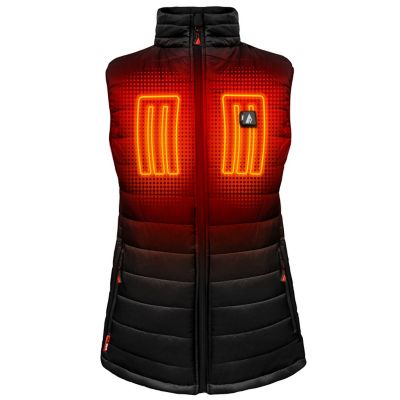
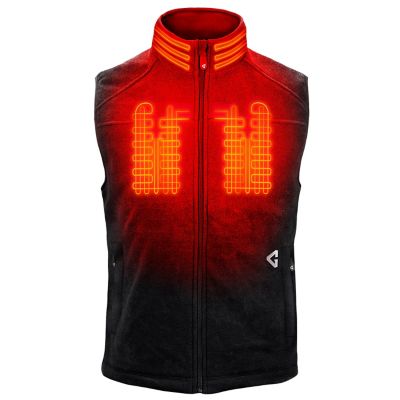
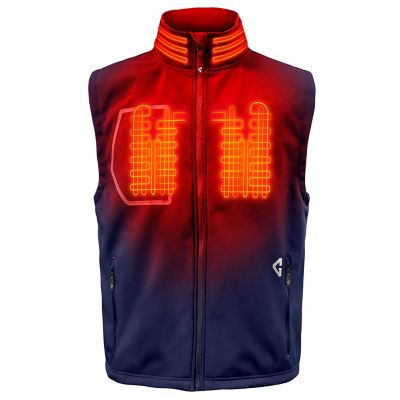
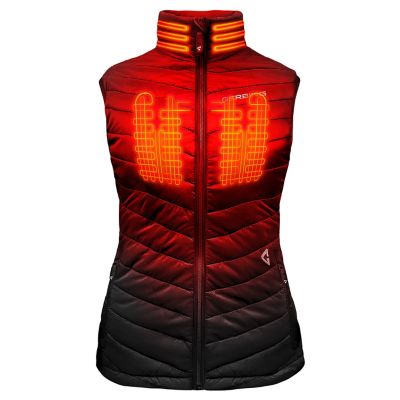
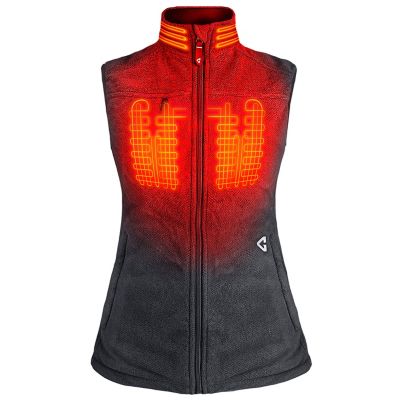
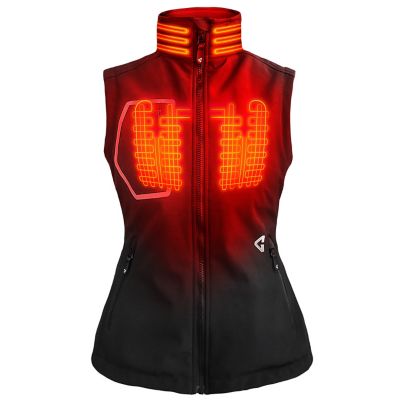
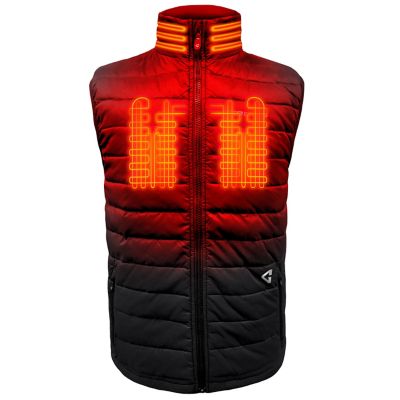
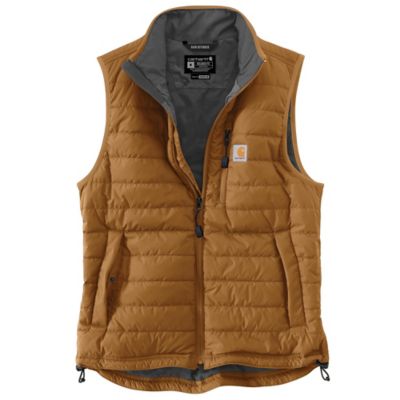
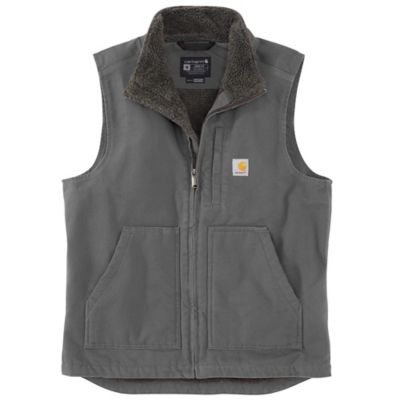
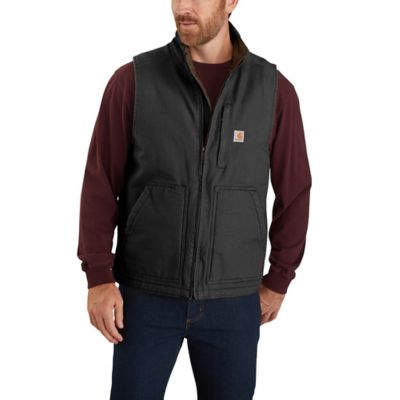
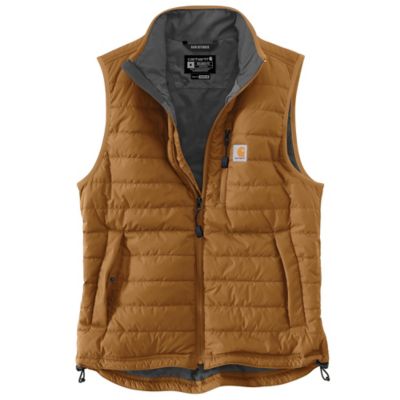
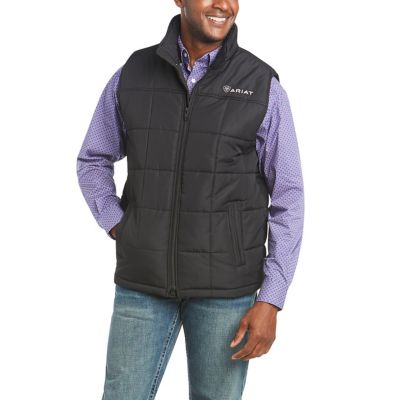
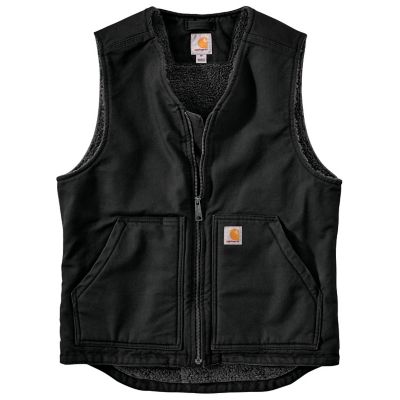
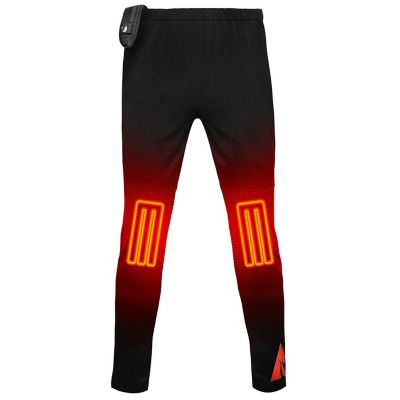
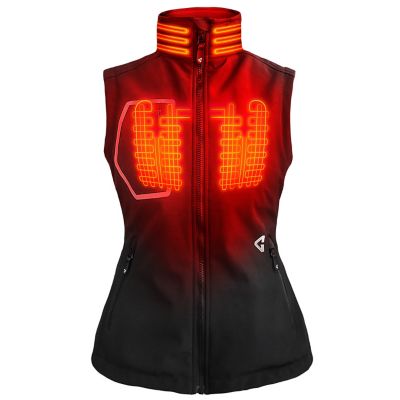
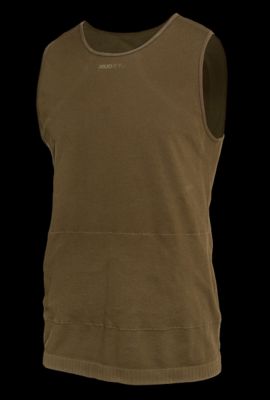
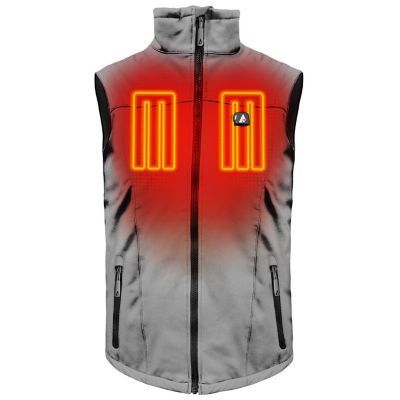
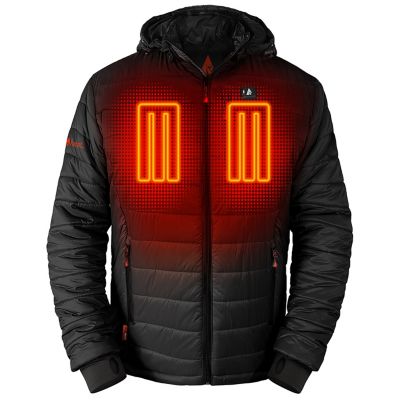
A lightweight heated vest is a battery-powered layer that combines insulation with built-in heating elements to help warm the torso without adding sleeves or the weight of a heavy coat. It can serve as an outer layer over a work shirt or as a middle layer beneath a jacket, making it a practical choice for cold mornings at the barn, long stretches on the sidelines, and outdoor jobs that alternate between moving around and standing still. Many heated vests have flexible carbon-fiber heating elements, though construction varies, with warmth directed toward areas such as the chest and back. Some designs also include heated sections near the collar or pockets. The number of heating zones tells only part of the story: their placement and coverage matter just as much when comparing how a vest might feel. Adjustable heat settings let the wearer change the warmth level as activity and conditions change. A higher setting may feel welcome while watching a gate or waiting for a bite at the pond, while a lower setting may be enough once chores pick up. Three heat settings are common, but controls, heating patterns, and operating modes differ by design. Unlike an ordinary insulated vest, a heated version supplies warmth through a rechargeable battery rather than relying solely on trapped body heat. The fabric and insulation still do important work, helping hold that warmth close and slowing heat loss. A lightweight heated vest does not replace full protection from severe cold, wind, or wet conditions; it works best as part of clothing suited to the job and the forecast. Its sleeveless shape leaves the arms free for carrying feed, handling a gate latch, or reaching into the truck bed. That freedom of movement is a big part of the appeal for people who want extra warmth through the body without another thick layer around their elbows and shoulders.
Materials and fit determine how comfortably a heated vest settles into an everyday routine. Nylon and polyester shells are common choices for a smooth, light outer surface that slips beneath a coat without catching on other layers. A tightly woven shell can help cut the breeze, while water-resistant finishes may shed light moisture; neither feature should be taken as a promise of waterproof protection. Fleece offers a softer feel and works well beneath a wind-blocking outer layer, although exposed fleece may allow more air through than a woven shell. Quilted constructions hold insulation in place, and the amount and type of fill affect warmth, weight, and how much room the vest takes up under a jacket. Lightweight does not necessarily mean thin or uninsulated, and a higher garment weight does not automatically mean stronger heating performance. For a comfortable fit, the vest should sit close enough to keep its heated sections near the body without squeezing the chest or pulling across the back. Room for the intended base layer matters, whether that is a thermal shirt, a flannel, or a sweatshirt. Shoulder width, armhole shape, and hem length become especially noticeable when bending to fill a water bowl or reaching overhead for supplies. A hem that covers the waist while seated can help prevent a gap above the waistband, while an adjustable hem can help limit drafts. Shoppers comparing cuts and sizing can explore
Men's Heated Vests with those layering needs in mind. Details such as a soft collar lining, a zipper guard at the chin, and pockets that remain accessible beneath an open coat can make a difference over a long day. Reinforced pocket openings, neatly finished seams, and a sturdy zipper are worth attention for regular chore wear. Battery-pocket placement matters, too: a pack that feels unobtrusive while standing may press against the hip when sitting in a truck or on a tractor seat.
Battery performance is another important part of choosing a lightweight heated vest, especially when an afternoon outside may run longer than planned. Runtime depends on battery capacity, the selected heat level, the number and size of active heating zones, and surrounding conditions. Some designs list roughly three hours on high and up to ten hours on low, but those figures are not a standard across all heated vests. Published runtime should be read alongside the manufacturer's testing conditions and battery specifications rather than treated as a guaranteed full day of heat. Battery voltage and connector requirements also vary, so a pack that powers one heated garment may not be suitable for another. Only a manufacturer-approved, compatible battery and charger belong in the setup. Pack weight, charging time, and an easy-to-read charge indicator can matter as much as the longest stated runtime, particularly for someone heading out before daylight. Accessible controls are helpful when the vest sits beneath a coat, and simple buttons can be easier to manage than complicated settings when hands are cold. Care requirements deserve the same attention as battery details. Some heated vests allow machine washing after the battery is removed and the connector is secured as directed, while others call for hand washing or different handling. The sewn-in care label governs the wash cycle, detergent, drying method, and any restrictions; machine washable does not automatically mean dryer safe. Avoid wringing, ironing, or dry cleaning unless expressly permitted, and let the garment and electrical connections dry completely before reconnecting power. Keeping the shell clean, checking for damaged wiring or connectors, and storing the battery as directed help support a longer service life. A heated vest can also make a thoughtful gift for someone who tends livestock, fishes, walks rural property, or spends hours cheering from the bleachers. The most useful match comes down to that person's usual layers, daily movement, care habits, and access to charging—not simply the highest heat setting.