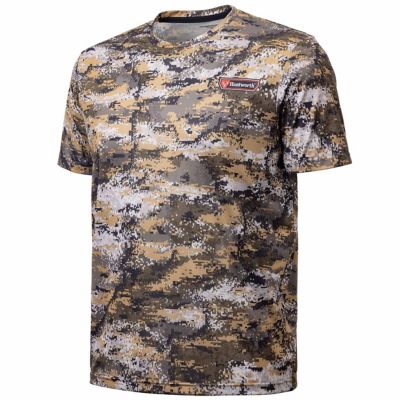
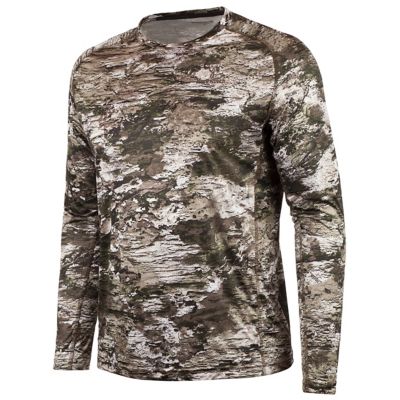
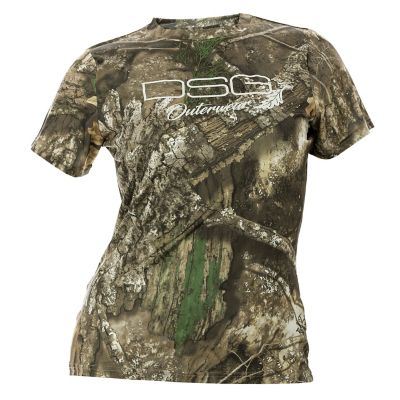
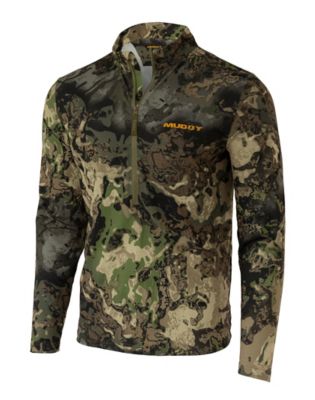
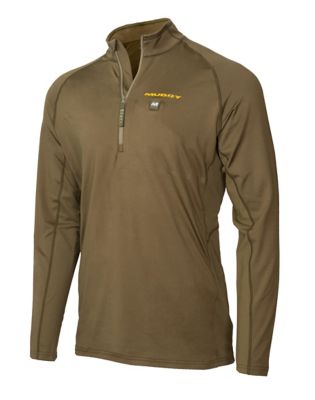
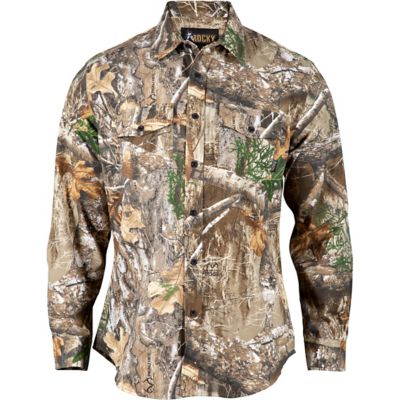
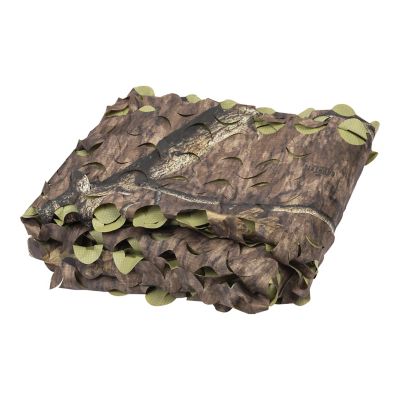
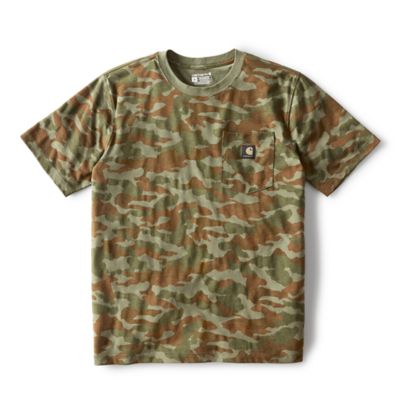
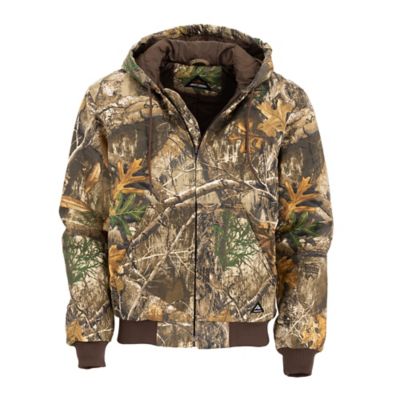
A lightweight camo shirt is a low-weight camouflage top for hunting, outdoor chores, and everyday wear, with styles ranging from simple knit T-shirts to woven button-front shirts and performance tops. The main differences come down to fabric, cut, coverage, and the kind of work or recreation each shirt suits. For someone checking fence lines, walking a property, or settling into a hunting blind, a shirt that moves easily without a lot of extra fabric can make a difference. Cotton often has a soft, familiar feel that works well for casual wear and routine tasks. Polyester fabrics generally absorb less moisture than cotton and can dry faster, while cotton-polyester blends balance a familiar feel with easier drying and everyday care. Nylon blends can offer a smooth surface and resistance to abrasion, depending on their construction. A little stretch may help a shirt move with the shoulders and elbows, although stretch content alone does not tell the whole story about fit. Knit fabrics usually have some natural give, while woven fabrics tend to hold their shape and may feature a more structured collar or front opening. Lightweight does not automatically mean breathable, moisture-wicking, or protective; those properties depend on the fabric and any stated treatments or ratings. A thin, tightly woven fabric can feel quite different from an open knit, even when both shirts weigh about the same. Camouflage patterns also serve different purposes. Branch-and-leaf patterns, broken shapes, and small-scale prints each look different against brush, timber, grass, or open ground. Pattern scale and contrast matter alongside the colors themselves, especially when a person is viewed from a distance. For everyday wear, the choice may simply come down to a favorite pattern. For hunting, a pattern that relates to the surrounding cover makes more sense than choosing by color alone. Quiet fabric can matter, too: a soft surface is often less noticeable against a bowstring, pack strap, or blind wall than a crisp fabric that rustles with every movement.
Fit determines how a lightweight camo shirt feels through a full day of reaching, bending, carrying, and sitting. A close-fitting performance cut can keep excess fabric out of the way, while a relaxed cut leaves more room through the chest and waist. Neither fit should bind across the upper back when reaching for a gate latch or raising both arms. Shoulder seams, sleeve openings, and shirt length all affect comfort, especially for folks whose work takes them from a truck seat to a feed room and back again. A longer hem can stay tucked more easily, while a straight hem often works well untucked. Size charts and garment measurements are more helpful than relying on the size name alone, since cuts vary. Fit over an undershirt also matters if that is how the shirt will normally be worn. Short sleeves leave the forearms free, while long sleeves add coverage against light brush and contact with rough surfaces; neither should be treated as a substitute for task-specific protective clothing. Raglan sleeves, underarm gussets, or a back pleat can provide room to reach without requiring an oversized shirt. Button-front styles offer an adjustable neckline, while pullovers keep the front simple. Chest pockets can hold small essentials, though a loaded pocket may pull noticeably on thin fabric. Pocket placement also matters under pack straps or a safety harness. Flat or smoothly finished seams can reduce rubbing, and a neckline that lies flat is less likely to bunch under another layer. Fabric strength deserves attention alongside garment weight. Tightly formed stitching, reinforced stress points, and neatly finished hems can help a shirt stand up to repeated wear, but a lighter shirt is not a brush jacket. Briars, sharp wire, and rough lumber can snag or tear thin material. A smooth, low-profile design may be better around equipment than loose cuffs, dangling tabs, or an oversized hem. Practical details should suit the job rather than add clutter, whether that means an uncomplicated tee for chores or a collared shirt that looks at home at the feed store afterward.
Care requirements are worth considering before a lightweight camo shirt becomes part of the regular rotation. The care label sets the rules for washing and drying, particularly when a shirt includes stretch fibers, printed patterns, mesh panels, or a fabric treatment. Washing with similar colors and fastening closures can help limit rubbing and snagging in the load. Hook-and-loop fasteners on other garments can catch lightweight knits, so separating those pieces is often helpful. Stains from soil, grass, or feed are easier to address before they settle into the fabric, using a treatment that is suitable for the garment. High dryer heat can affect some prints and stretch fibers; air drying or a lower dryer setting may be appropriate when the label permits it. Fabric softener can interfere with certain moisture-management finishes, so any restrictions deserve a look. For hunting clothing, care instructions may also address fragrance or optical brighteners. Those details do not replace thoughtful handling, but they can matter to the person wearing the shirt. A lightweight top pairs naturally with
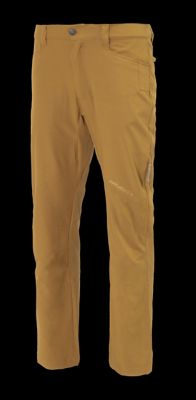
Lightweight Hunting Pants when freedom of movement and a less cumbersome outfit are priorities. Matching camouflage is not always necessary, though coordinating patterns can create a consistent look. Hunting clothing still needs to meet applicable visibility requirements, including blaze-orange rules where required; camouflage never takes the place of required safety gear. Away from hunting, these shirts fit easily into a workday wardrobe with jeans, work pants, and boots. They can also make a practical gift for a hunter, landowner, or family member who reaches for camo regularly. Knowing the recipient’s usual fit, preferred sleeve length, and favorite pattern helps narrow the choice without guessing about specialized features. The best match is a shirt that feels right through ordinary movement, fits the way it will actually be worn, and has care needs that work with the wearer’s routine.