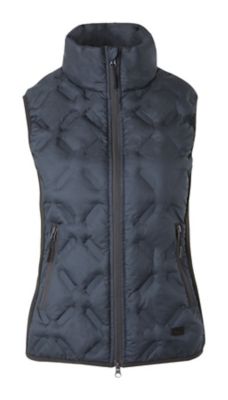
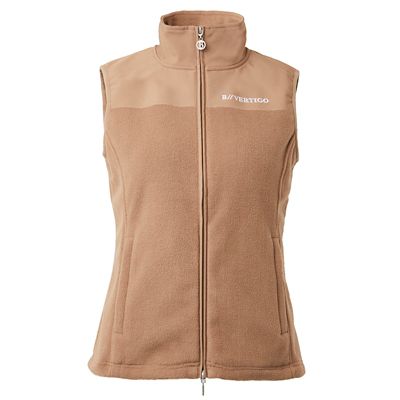
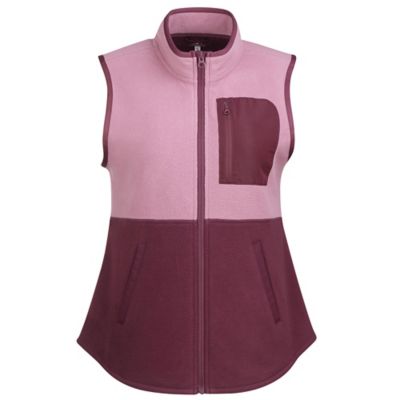
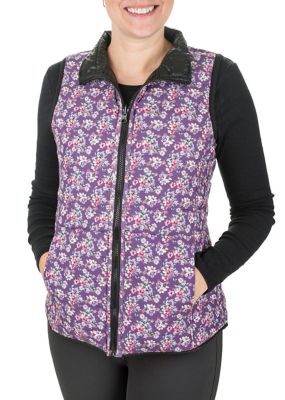
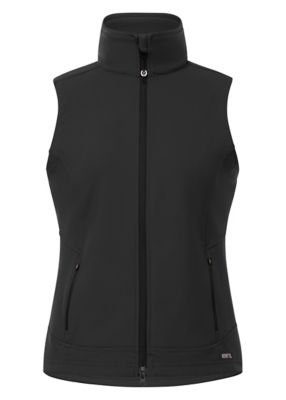
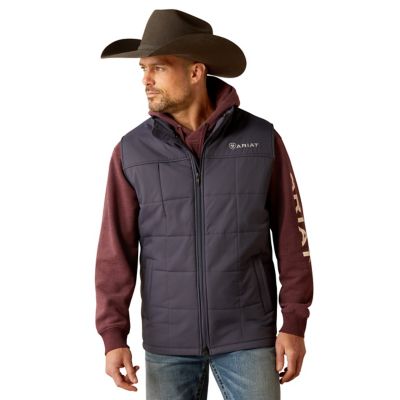
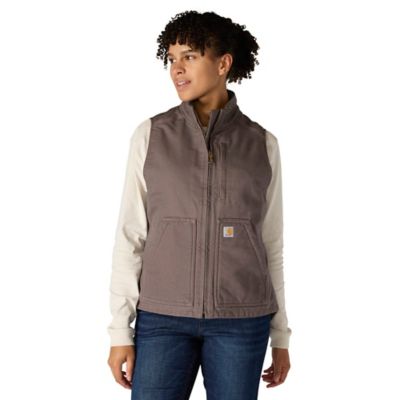
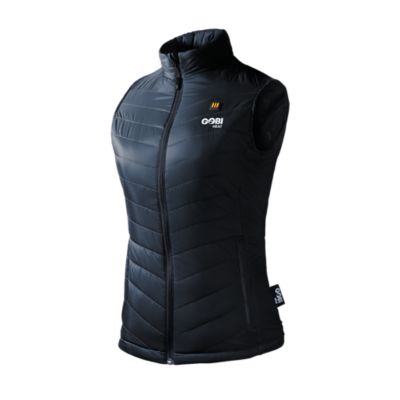
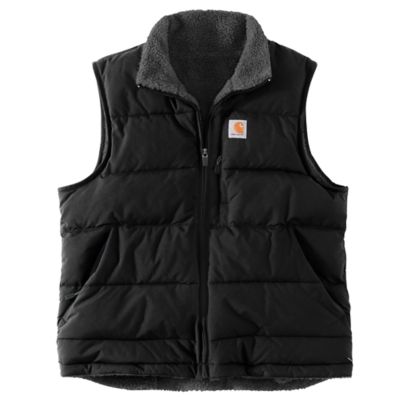
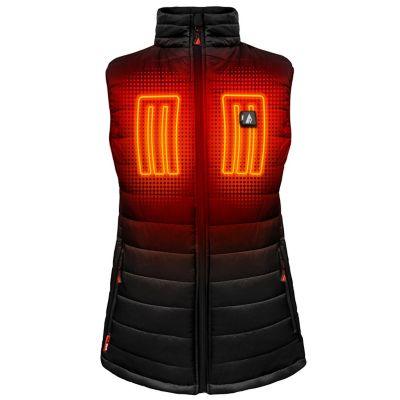
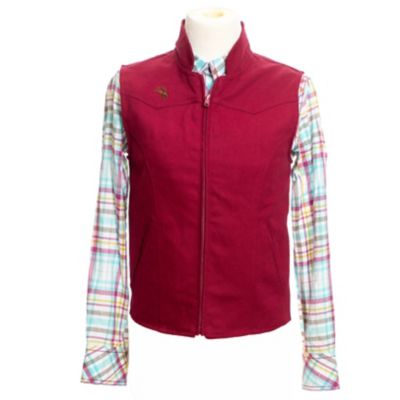
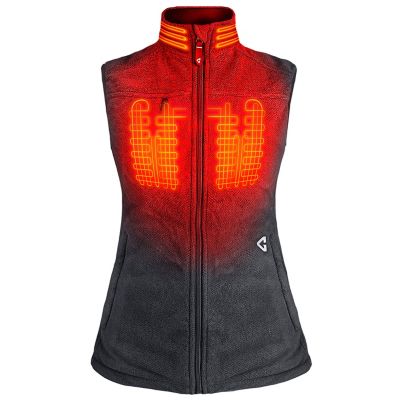
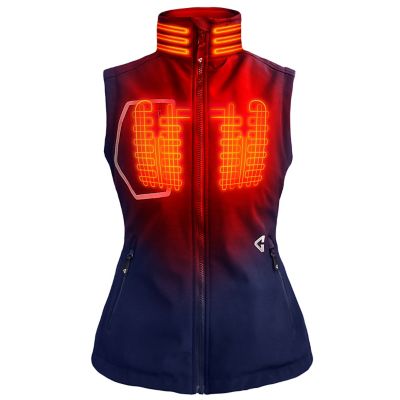
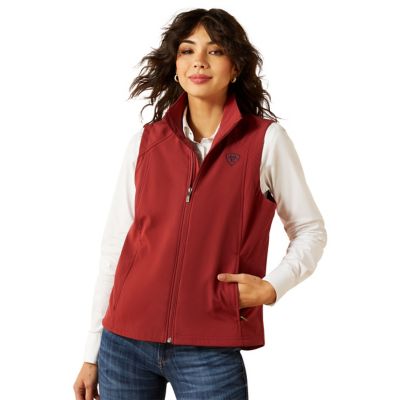
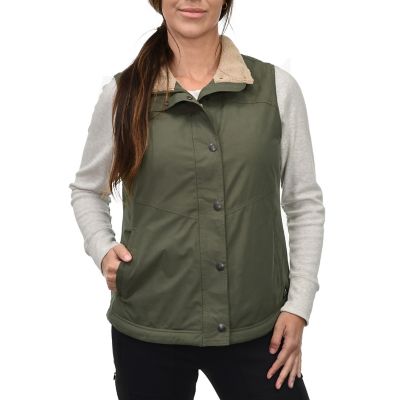
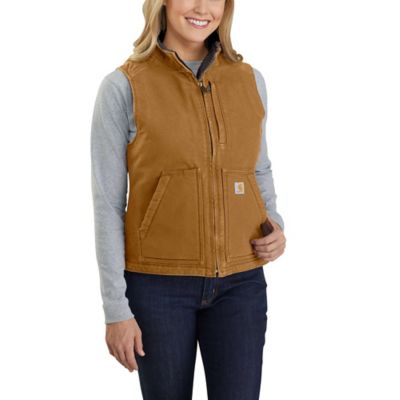
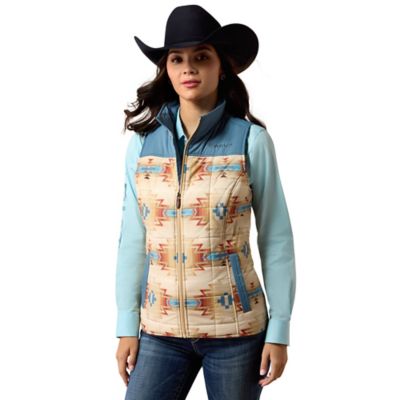
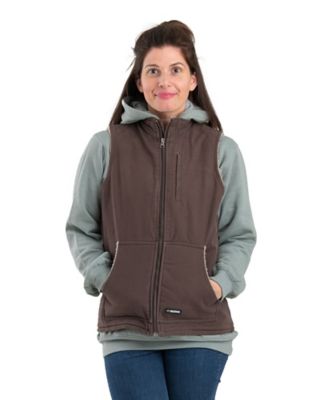
Lightweight fleece vests for women add warmth around the chest and back without covering the arms, making them a handy layer for cool mornings, busy afternoons, and everyday trips into town. The sleeveless shape leaves elbows and shoulders free for carrying feed buckets, walking the fence line, or loading groceries into the truck. Over a long-sleeve tee or flannel shirt, a fleece vest takes some of the chill out of the air without the coverage of a jacket. Under a roomy coat, it adds another layer of insulation when temperatures drop. Most fleece is made from polyester, with a brushed or raised surface that traps air close to the body. Fabric weight and construction affect how warm a vest feels, how readily it lets heat escape, and how neatly it fits beneath outerwear. Microfleece generally has a fine, low-profile texture that works well for light layering, while loftier fleece can feel warmer and take up more room under a coat. Some fabrics contain recycled polyester, and some have stretch fibers that allow a little extra give through the shoulders and torso; the garment label provides the details. An anti-pill finish helps limit the small fabric balls that can develop with rubbing, though any fleece benefits from thoughtful washing and care. Breathability is especially welcome during chores that alternate between standing still and moving at a steady pace. A full-length front zipper makes it easy to release heat after a brisk walk uphill or zip back up while waiting at the gate. Ordinary fleece does not block much wind or provide dependable rain protection on its own, so its strongest role is as a comfortable layer in dry conditions or beneath a weather-protective shell. That balance of warmth, freedom of movement, and easy layering makes a lightweight fleece vest a practical part of a cool-weather wardrobe, whether the day stays close to home or stretches from the barn to the hardware store.
Fit makes a noticeable difference in how a women's fleece vest feels through a full day. A close-fitting shape can sit neatly beneath a work jacket, while a more relaxed cut leaves space for a substantial shirt or sweatshirt. The right amount of room depends on what goes underneath: a vest that feels comfortable over a thin tee may pull across the chest when layered over flannel. Shoulder seams should rest comfortably without extending so far that the fabric gets in the way, and arm openings should allow reaching without pinching or leaving large gaps. A smooth fit through the chest and back helps the front zipper lie flat rather than bowing outward. Length matters, too. A hip-length hem offers coverage when bending to fill a water bowl, while a shorter cut may feel less crowded when sitting in a truck or wearing a longer outer layer. Shaped seams can give a vest a closer silhouette without requiring a tight fit, and stretch panels or adjustable hems, where present, offer another way to manage movement and coverage. Pocket placement deserves a little attention because everyday comfort often comes down to small details. Open hand pockets provide an easy place to warm fingers between tasks, while zippered pockets help keep keys and other small belongings from slipping out when leaning over. A phone needs enough pocket depth to sit securely without tugging the whole front of the vest downward. Stand collars bring soft coverage around the neck, especially when the zipper is closed, but collar height and zipper placement can affect comfort beneath a coat. A zipper guard at the top helps keep the fastening away from the chin. Smooth armhole binding and flat seams are useful details for anyone who spends much of the day reaching, lifting, or carrying a shoulder bag. Taken together, these features shape a layer that feels as natural on a quiet porch walk as it does during a round of light chores.
Everyday wear also depends on how well the fabric and finishing hold up to repeated movement, washing, and contact with other clothing. Tightly finished seams, securely attached pockets, and a zipper that moves smoothly all contribute to a vest that stays pleasant to wear. Fleece is soft and flexible, but it can catch on rough lumber, exposed wire, or thorny brush, so a tougher outer layer makes sense for tasks involving those surfaces. Repeated rubbing from a bag strap or seat belt may flatten the pile or encourage pilling in high-contact areas. Following the care label helps preserve the fabric's feel and shape; many polyester fleece garments allow machine washing in cool water with mild detergent and drying on low heat or hanging to dry. Closing zippers before washing and keeping fleece away from lint-shedding towels can help reduce snagging and unwanted fuzz. Fabric softener can affect moisture management in some performance fabrics, so label directions take priority over a general laundry routine. High heat deserves caution, and fleece belongs well away from sparks, open flames, and hot equipment because synthetic fibers can melt. Between wears, letting a vest dry fully before putting it away helps keep it ready for the next outing. Its compact shape also makes it easy to tuck into a day bag when the afternoon turns milder. For women who prefer warmth down the arms as well as through the body,
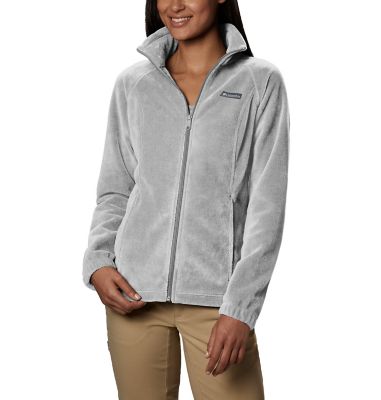
Women's Lightweight Fleece Jackets offer a related layering option with sleeve coverage. A fleece vest can also be a thoughtful gift for someone who enjoys country walks, tends animals, travels between indoor and outdoor spaces, or simply likes an extra layer around the house. Familiar sizing, preferred colors, and the thickness of her usual shirts make better starting points than guessing from appearance alone. With the right fit and sensible care, a lightweight vest earns its place through the cooler months by adding comfort without making everyday movement feel restricted.