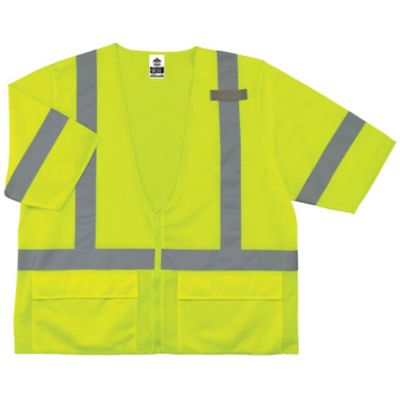
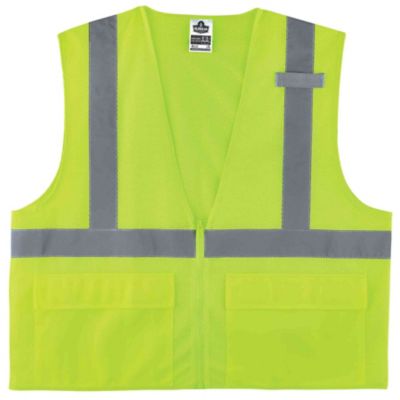
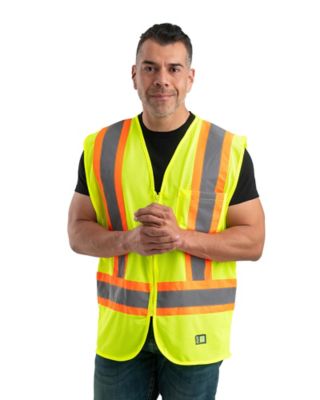
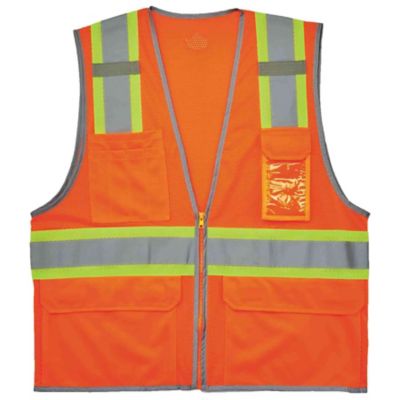
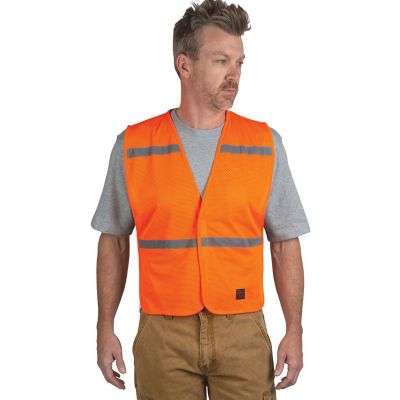
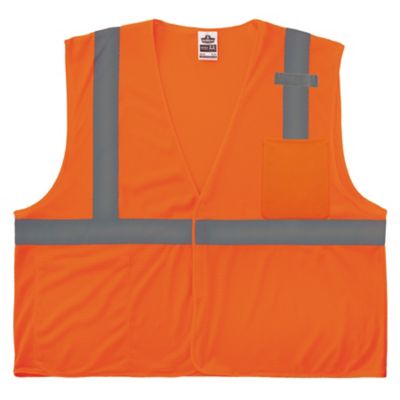
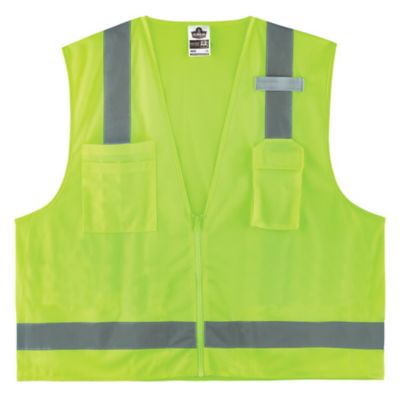
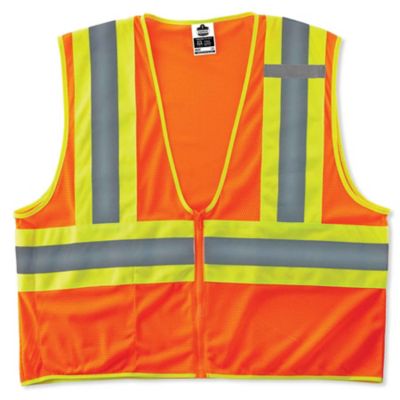
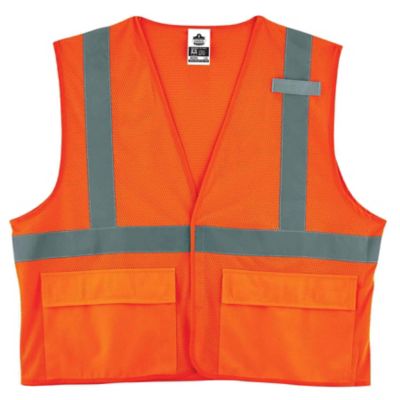
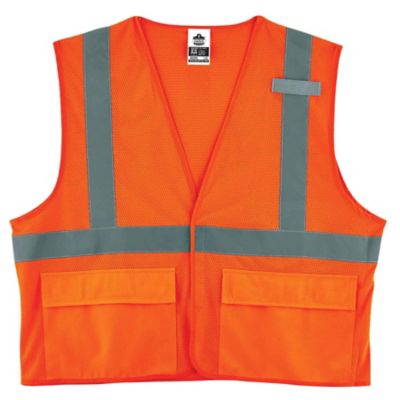
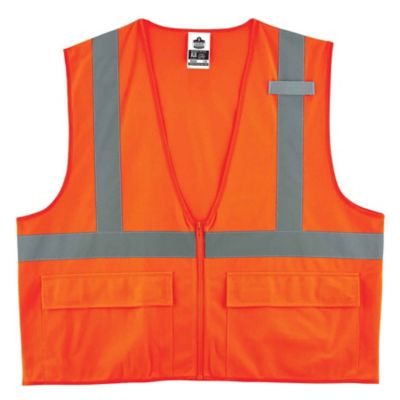
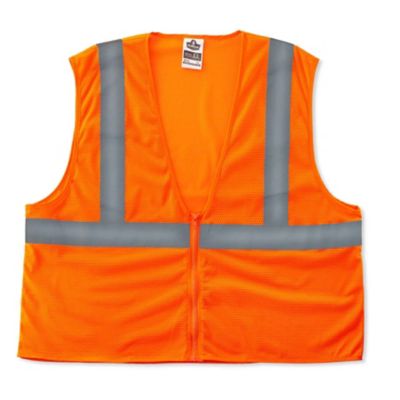
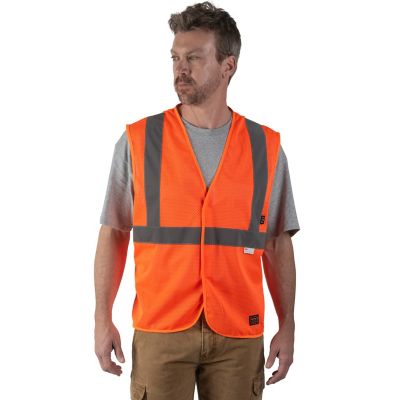
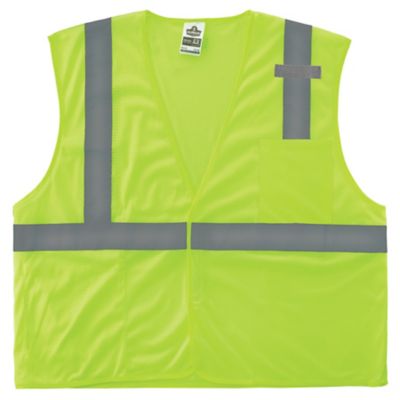
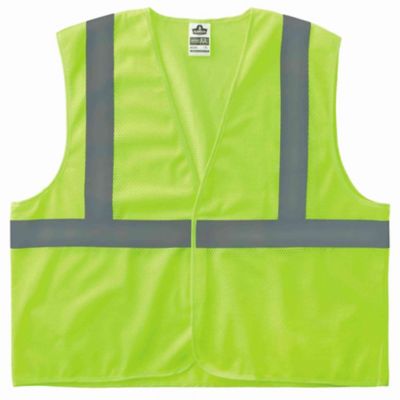
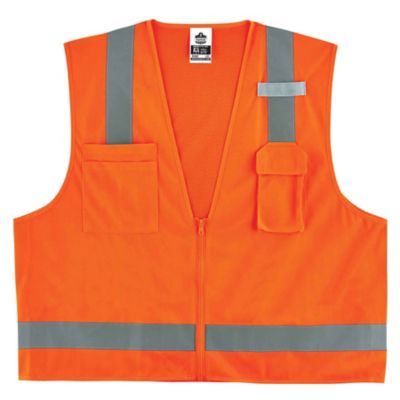
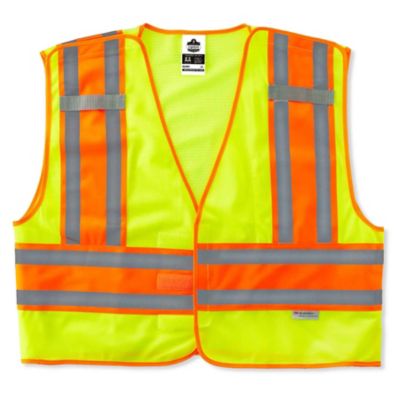
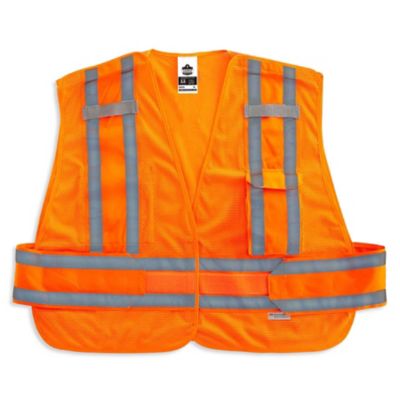
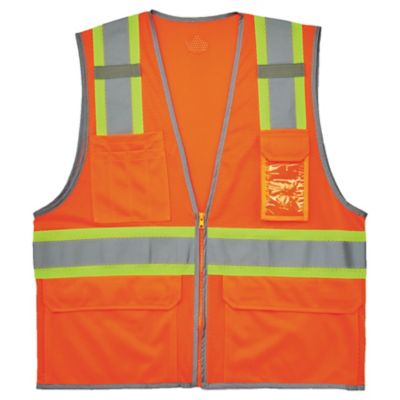
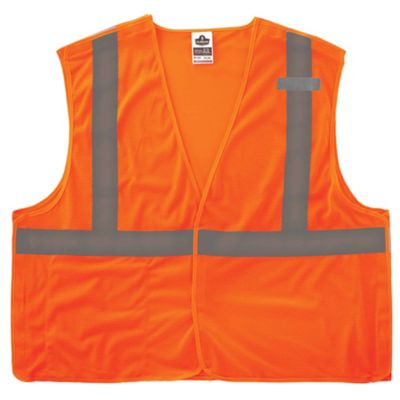
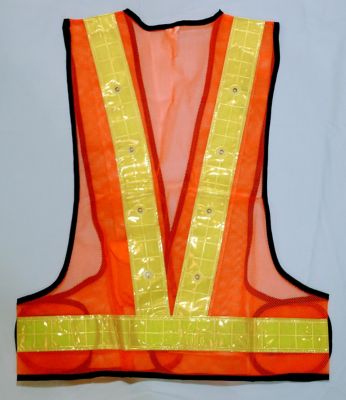
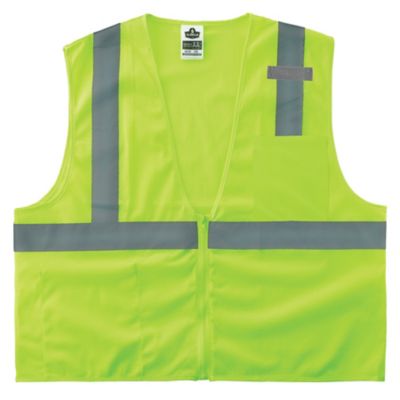
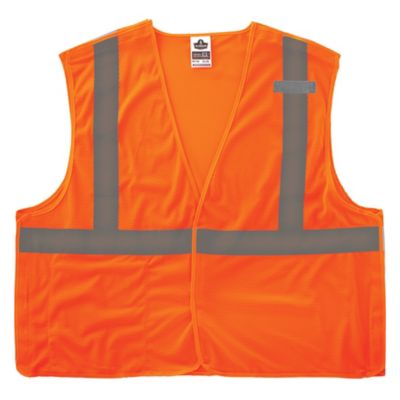
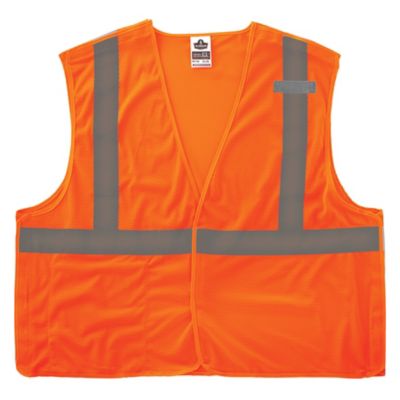
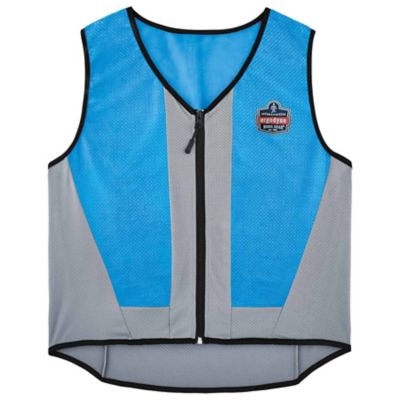
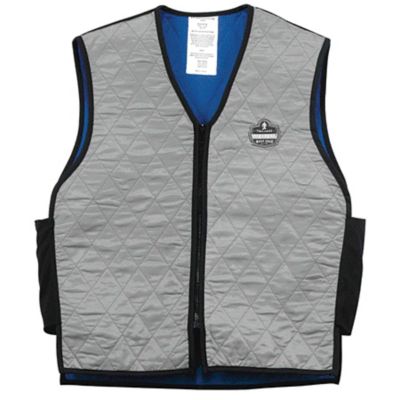
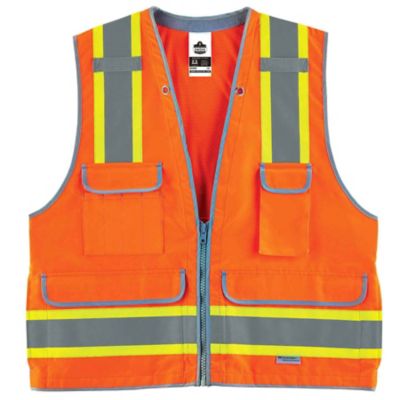
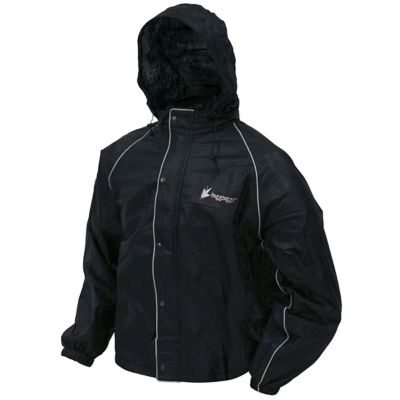
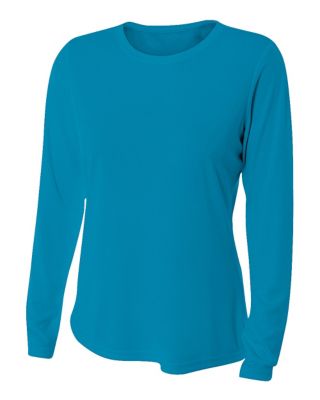
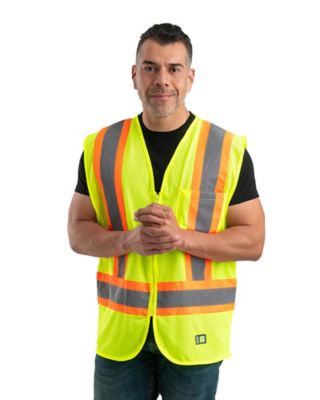
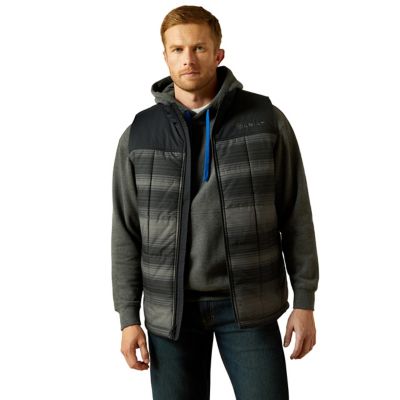
Reflective vests for runners help make early-morning, evening and low-light workouts easier for drivers, cyclists and other people on the road to see. They are especially useful when a favorite route includes neighborhood streets, shared paths, parking lots, trail crossings or stretches with limited street lighting. A vest sits over a running shirt, sweatshirt or jacket and adds a visible layer without requiring a runner to carry much extra gear. Many styles use bright reflective panels, strips or trim that shine when hit by headlights, giving the wearer a noticeable outline from multiple angles. Others combine reflective materials with built-in LED lights or light-up fiber optics for active visibility that does not depend entirely on a passing vehicle’s headlights. Some runners prefer a simple, lightweight harness made with narrow reflective straps, while others want a fuller-coverage shell with more reflective surface area. Both types can be useful, depending on the route, pace and weather. A runner who takes a familiar sidewalk loop before sunrise may appreciate a minimal vest that packs into a pocket, while someone traveling along darker rural roads may feel more comfortable in a style with broad reflective panels and steady or flashing lights. Reflective running vests can also be handy for walkers, cyclists, dog walkers, outdoor workers and parents who want to be more noticeable while moving around the neighborhood. They make a thoughtful gift for a friend training for a race, a family member who enjoys after-work runs or anyone building a safer routine as the days grow shorter and the cooler months settle in.
Fit is one of the most important things to consider when choosing a reflective vest for running. A vest should sit close enough to stay in place as the arms swing and the body moves, but it should not pinch across the chest, rub under the arms or make it hard to take a full breath. Adjustable side straps, elastic sections, hook-and-loop closures and multiple sizing points make it easier to wear the same vest over a lightweight summer shirt, a long-sleeve top or a heavier jacket as the weather changes. Look for a design that remains centered instead of twisting toward one shoulder, particularly if the runner carries a phone, keys or a small hydration bottle. Lightweight mesh, perforated fabric and open-sided construction can help release heat during a faster run, while a more substantial shell may offer a little extra wind resistance during a breezy outing. Reflective details should be visible from the front, back and sides rather than concentrated in one spot. Bright fluorescent colors can help during daylight and overcast conditions, while retro-reflective trim is most effective when illuminated by headlights. For routes with very little ambient light, LED or light-up options add another layer of visibility. Check whether the lights offer steady and blinking settings, how they are turned on, and whether the battery is rechargeable or uses replaceable cells. USB charging can be convenient between workouts, while replaceable batteries may be useful on longer trips away from a charger. A secure battery pocket, protected switch and weather-resistant construction are also worth considering when a vest will be used through damp grass, mist or light rain.
A good reflective vest should support a runner’s routine, not become one more thing to fuss with before heading out the door. Consider how the vest folds or rolls for storage, whether it can be cleaned easily and whether its straps or panels are likely to catch on a hydration pack. Runners who train on paved roads may prioritize a smooth, low-bulk design that stays comfortable for several miles, while trail runners may prefer wider reflective sections that help define their position at road crossings and near parking areas. A person who runs with a dog might value a bright, highly visible style that helps both of them stand out when walking along a shoulder. Those who commute on foot can look for room to layer the vest over work clothing without blocking a backpack or messenger bag. When giving one as a gift, match the style to the recipient’s habits: a new runner may appreciate a straightforward adjustable vest that works across several seasons, while an experienced distance runner may prefer an ultralight option with minimal bounce and easy packability. It can be helpful to pair a vest with other practical pieces from
Clothing for Runners, especially when preparing for cooler mornings or longer outdoor sessions. No visibility garment replaces sensible road awareness, but wearing reflective gear, choosing well-lit routes when possible and staying alert around traffic can help make each outing feel more comfortable. Whether layered over a tee as the weather warms or worn above a jacket during colder runs, a reflective vest offers a simple way to add visibility without weighing down a runner’s stride.