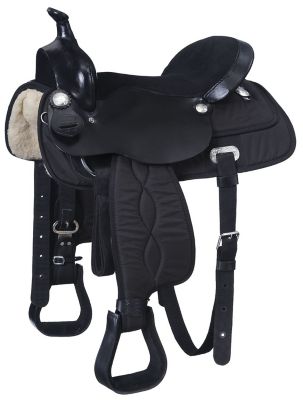
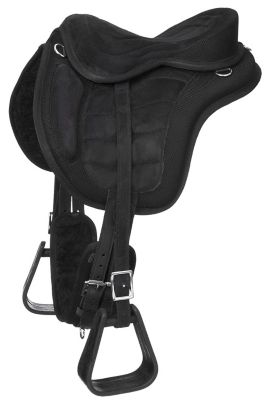
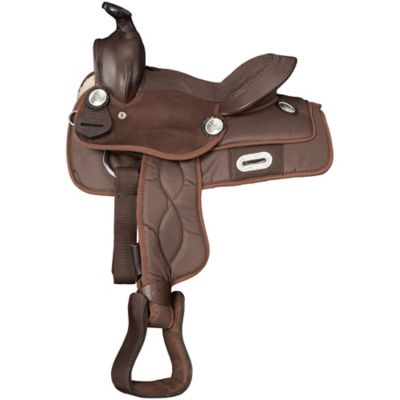
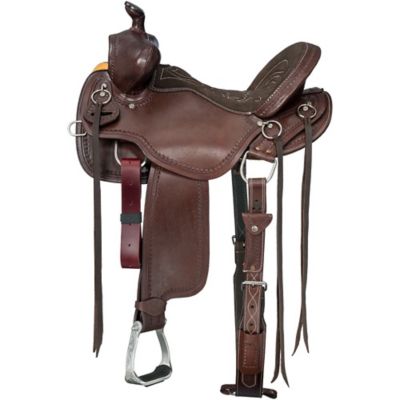
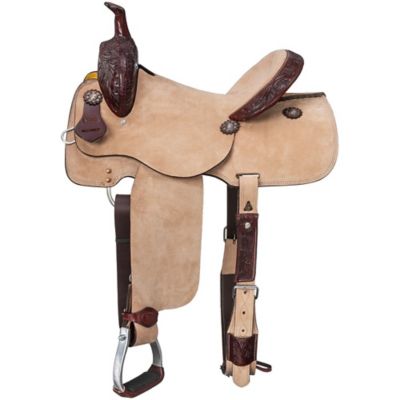
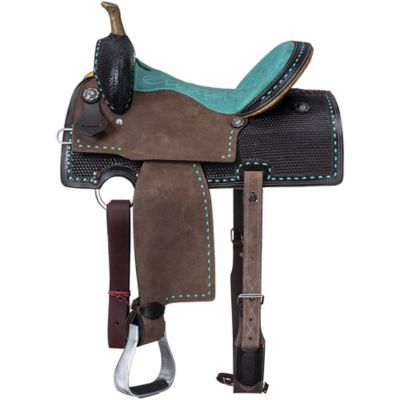
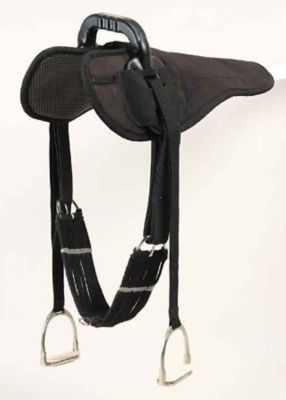
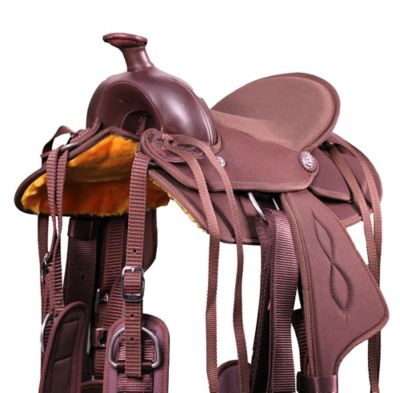
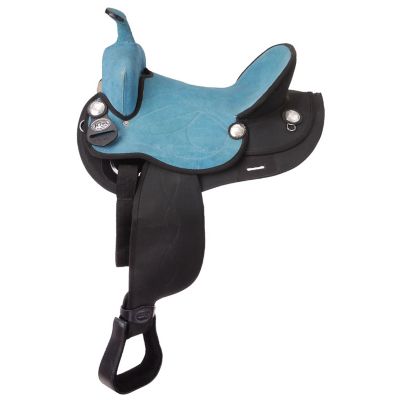
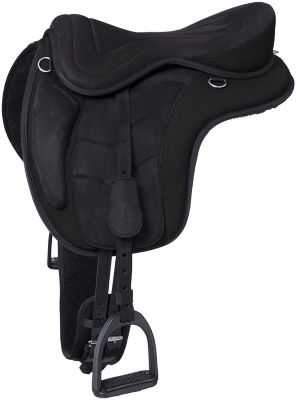
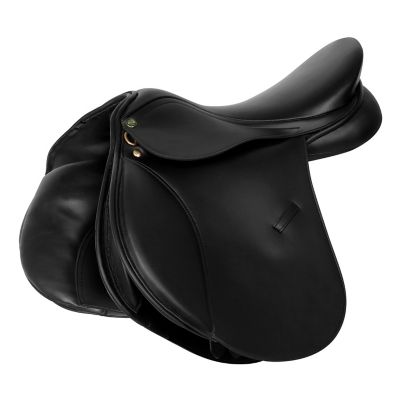
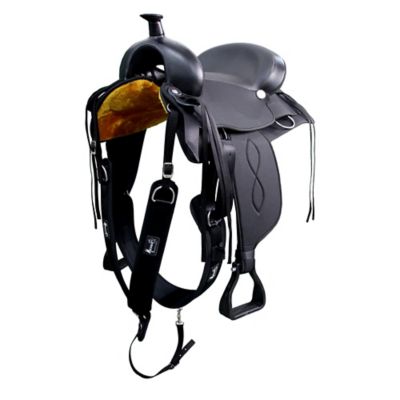
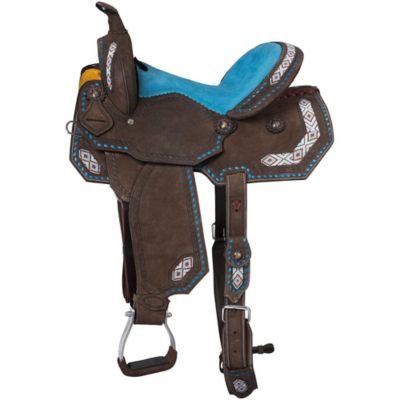
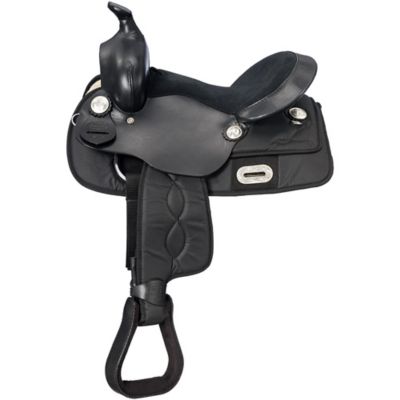
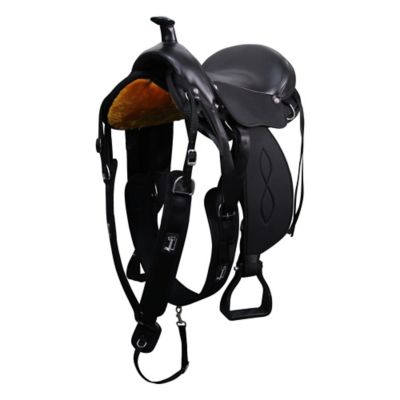
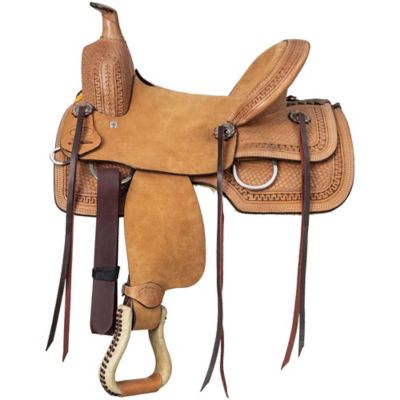
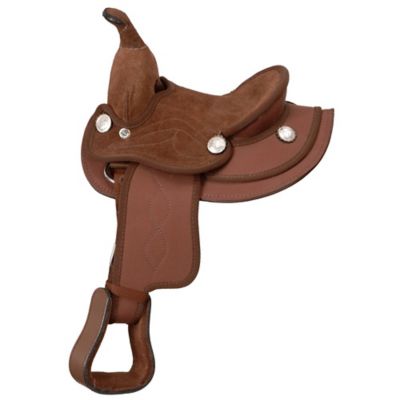
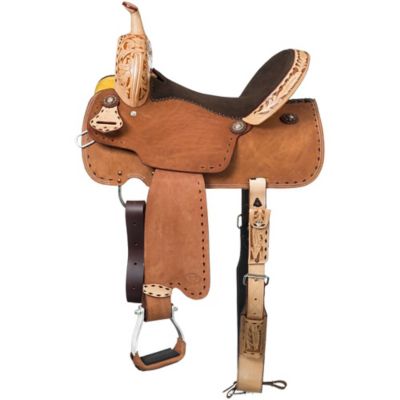
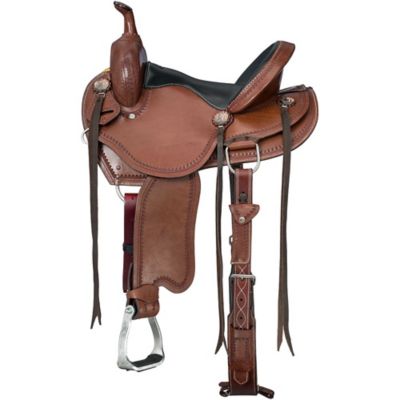
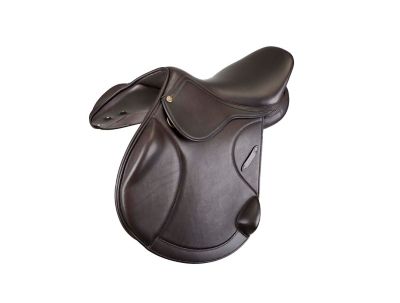
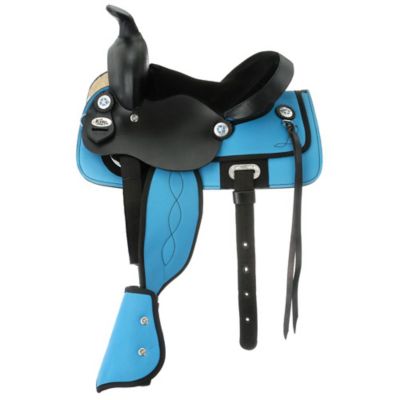
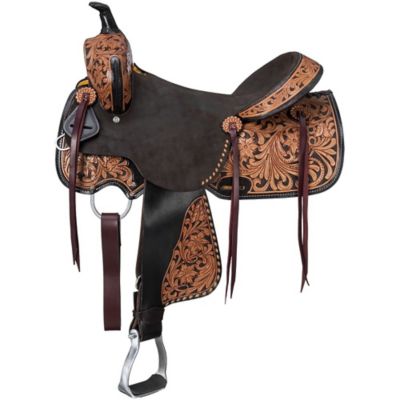
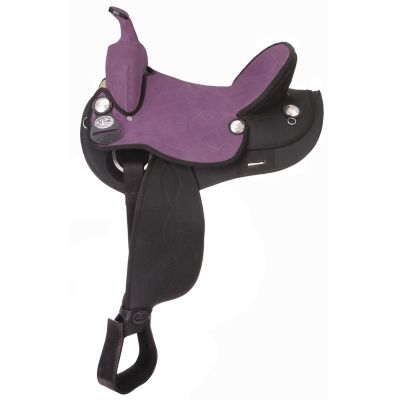
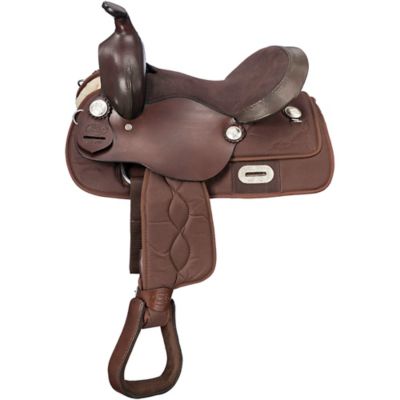
Lightweight saddles are made for riders who want to keep extra weight off the horse, simplify tack changes, or carry a saddle farther without turning every outing into a chore. Depending on the style, “lightweight” can describe anything from an ultralight hunting saddle that weighs only a few pounds—or even less when built as a minimalist seat—to an endurance, trail, or ranch saddle weighing around 9 to 28 pounds. The right choice depends less on a number printed on a tag and more on how the saddle will be used. A rider covering long stretches of trail may value a balanced seat, comfortable stirrup position, and room for water, tools, or small saddlebags. Someone heading into the woods may put the greatest emphasis on packability, a quiet setup, and a design that can be carried in with other hunting gear. Lightweight construction can make saddling easier on the back and shoulders, too. That difference is noticeable when a saddle has to be lifted onto a tall horse, carried across a pasture, or moved from the tack room to a trailer on a chilly morning. Materials such as synthetic leather, molded polymers, aluminum, carbon fiber, and other modern components help reduce bulk while still providing support for the rider. A lighter saddle can be especially handy for younger riders, smaller-framed horse owners, endurance riders, trail riders, ranch hands, and hunters who spend long hours mounted or who need to move quietly through uneven country. Even so, lighter does not automatically mean better. A saddle should remain sturdy, stable, and comfortable for both horse and rider, with enough structure to distribute weight instead of concentrating pressure in one small area.
Fit is the first thing to sort out before comparing colors, materials, or extra features. For an equine saddle, check the horse’s back shape, withers, shoulder movement, and overall build, then match those details to the saddle’s tree or flexible support system. A saddle that fits one broad-backed, low-withered horse may sit poorly on a narrow horse with prominent withers. When the saddle is in place, it should remain centered without sliding forward, rocking from side to side, or pinching near the withers and shoulders. The horse should move freely at a walk, jog, lope, or steady trail pace, and the rider should feel balanced rather than pushed toward the pommel or cantle. Padding and a properly fitted pad still matter with a lightweight saddle; a thin, simple design does not remove the need to protect the horse’s back. Look closely at the rigging, billet or cinch attachment points, stirrup leathers, stirrups, and any load-bearing hardware. For regular trail use, reinforced attachment points and room for essential gear can be worth a little added weight. For hunting, a compact seat and minimalist suspension may be more useful than large fenders or decorative leather. Riders who spend the day in the saddle may appreciate a deeper, supportive seat, while experienced riders covering rough ground often prefer a close-contact feel that helps them stay connected to the horse. Inspect stitching, edges, buckles, and hardware before each ride, especially after the saddle has been stored in a damp tack room or carried through brush. Synthetic materials usually clean up with mild soap and water and dry quickly, while leather may offer a familiar broken-in feel but needs regular conditioning and protection from excess moisture. A good saddle should be easy to lift, easy to secure, and easy to maintain without sacrificing the fit and balance that keep a long ride comfortable.
Lightweight saddles can also be a thoughtful gift for a trail rider, hunting partner, young horse owner, or family member who has started spending more time outdoors, but saddle fit is personal enough that a surprise purchase takes some care. The safest gift approach is to confirm the rider’s discipline, the horse’s measurements, preferred seat size, and the type of pad and cinch already in use. Gift buyers who do not have those details may have better luck choosing useful accessories, care supplies, or a gift card toward a properly fitted saddle rather than guessing. During the cooler months, a lighter saddle can make quick rides and routine barn work feel less cumbersome, particularly when riders are layering clothing and carrying extra gear for changing weather. On crisp mornings, the ability to tack up without wrestling a heavy saddle across the horse’s back is a small convenience that adds up over a season of riding. Lightweight designs are also useful for travel: they take less effort to load into a trailer, leave more room for other tack, and can be easier to carry along a narrow trail or into a remote campsite. Riders should still follow safe weight limits and account for the rider, saddle, pad, stirrups, cinch, and packed equipment together. A lightweight setup works best when it is balanced and properly secured, not overloaded with bags hanging unevenly from one side. For shoppers comparing different kinds of outdoor seating and transport gear, the same practical thinking applies to
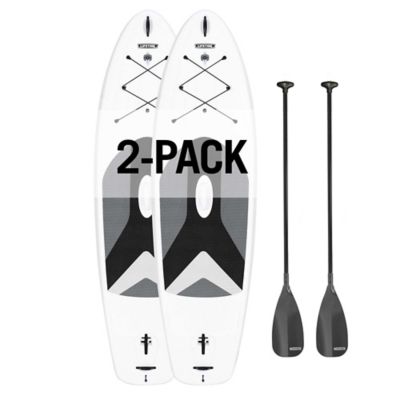
Lightweight Paddle Boards: consider total carried weight, durability, storage, intended terrain, and how often the gear will be moved by hand. Whether the saddle is headed for a quiet fence-line ride, a full day on the trail, or a carefully planned hunt, choosing a well-fitting design with dependable materials helps make every trip easier on the rider, the horse, and the person doing the lifting.