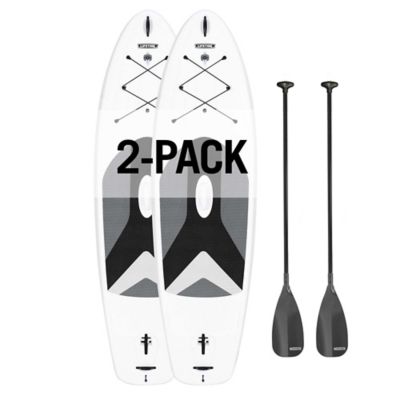
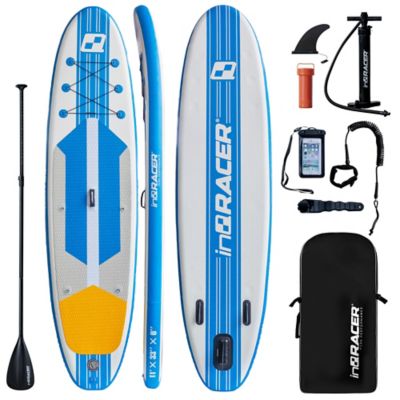
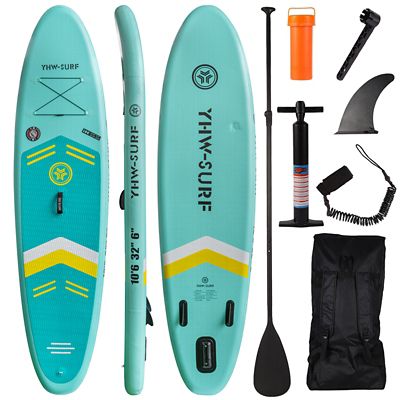
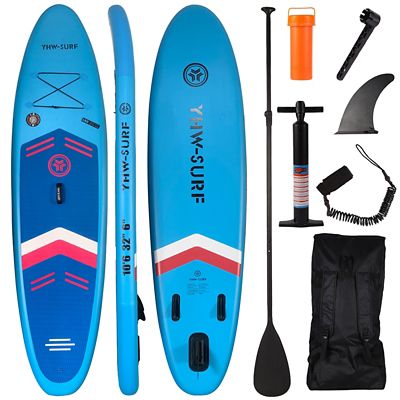
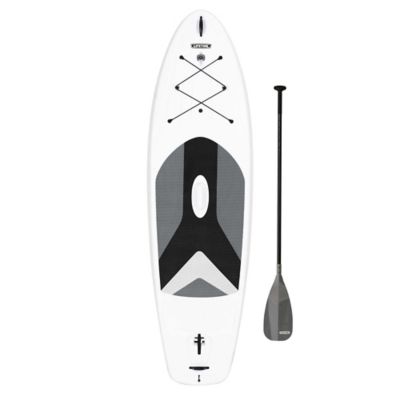
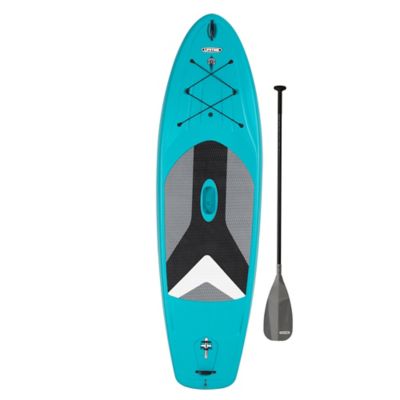
Lightweight paddle boards make it easier to get out on the water without turning every outing into a big production. Many inflatable paddle boards weigh between 13 and 19 pounds, which is light enough for one person to carry from the truck to the shoreline, load into a car, or pack along for a weekend at the lake. Once deflated, an inflatable board can fit into a travel bag about the size of a sleeping bag, making it a handy choice for campers, cabin owners, and folks who do not have room for a full-size hard board. Lightweight paddle boards are also a practical pick for anyone who paddles alone, including teens, smaller adults, and older paddlers who would rather spend their energy on the water than wrestling with heavy gear. Some are made for easy cruising around quiet ponds and coves, while others offer enough stability for fishing, stretching, or a little paddleboard yoga. They can make a thoughtful gift for an active friend, a lake-loving family member, or somebody who enjoys trying new ways to spend a warm afternoon outdoors. A board that rolls up and fits in the back of a car opens up more options, whether the destination is a nearby farm pond, a public lake, a slow-moving river, or a campsite several hours down the road.
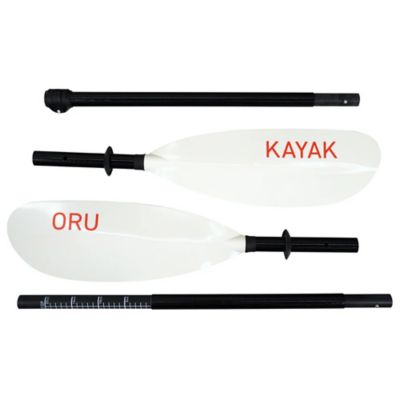
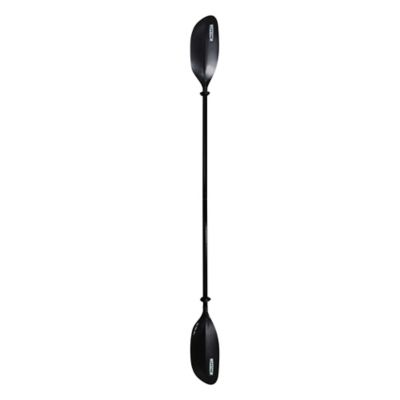
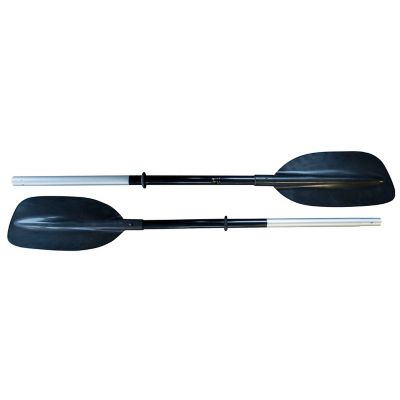
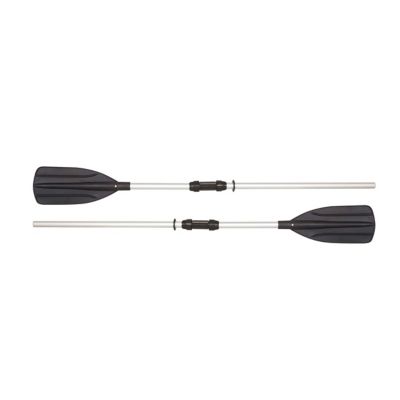
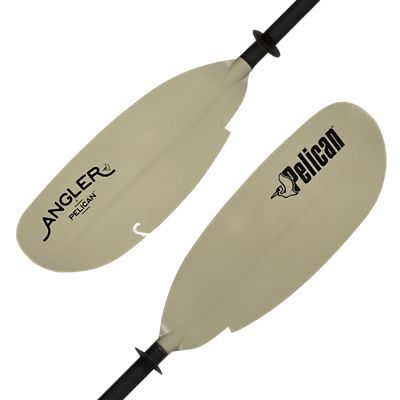
When comparing lightweight paddle boards, pay close attention to the board’s packed size, construction, thickness, and included accessories. The lightest inflatable boards may use a single-layer deck or woven drop-stitch material to reduce weight, which can make them especially convenient for travel but may call for a little extra care around gravel, dock hardware, and rough shorelines. A board with reinforced layers or a heavier double-wall PVC build may add a few pounds while offering a sturdy feel and better resistance to everyday scrapes. Thickness affects both stability and how high the board sits above the water. Boards around 4.7 to 5 inches thick can offer a steady, responsive feel for many casual paddlers, while 6-inch boards generally provide more volume and float for larger paddlers, extra gear, or anyone who prefers a higher-riding platform. Width matters, too. A wider deck usually feels more stable for beginners, children, dogs, fishing tackle, and relaxed cruising, while a narrower shape may move more easily through the water for longer paddles. Check the weight capacity rather than judging by appearance alone, and account for the paddler, cooler, dry bag, dog, and any other cargo that may come along. For an inflatable setup, a high-pressure pump, repair kit, compact backpack, and multi-piece paddle can make a big difference in how simple the board is to transport and set up. A four- or five-piece paddle breaks down neatly for storage, and browsing
Stand Up Paddles can help you find a paddle that matches your height and paddling style.
A little preparation helps a lightweight paddle board stay in good shape through many seasons of use. Before heading out, inspect the valve, seams, handles, and fin box, then inflate the board to the pressure recommended by the manufacturer. A properly inflated board feels firm underfoot and tracks more predictably than one that is soft. Carry the repair kit, a dry bag for keys and phones, drinking water, and a properly fitted personal flotation device. A leash can help keep the board close if you fall, though local water rules and conditions should always guide how you use one. Beginners often have the best first experience on calm water with a light breeze, starting on their knees before standing with feet about shoulder-width apart and knees slightly bent. Keep heavier items centered and low, and avoid dragging the board across gravel or concrete when carrying it to the water. After a trip, rinse away sand, mud, and salt, allow the board to dry fully, and store it loosely rolled in a cool, dry place rather than leaving it baking in a hot vehicle. During the warmer part of the season, a lightweight board is ready for sunrise paddles, quiet evening floats, and family time along the shoreline. As the weather turns cooler, it can still be useful for crisp morning outings and fall trips where compact gear is easier to pack alongside camping supplies, fishing equipment, or a jacket. The best choice comes down to how you plan to carry it, where you plan to paddle, who will use it, and how much room you need for comfortable, steady time on the water.