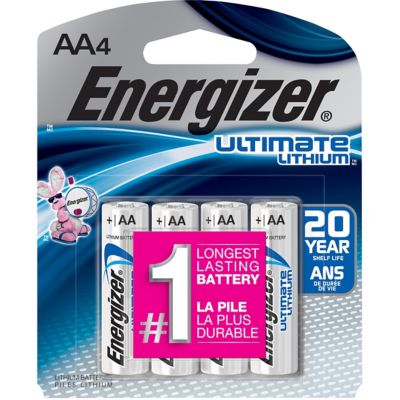
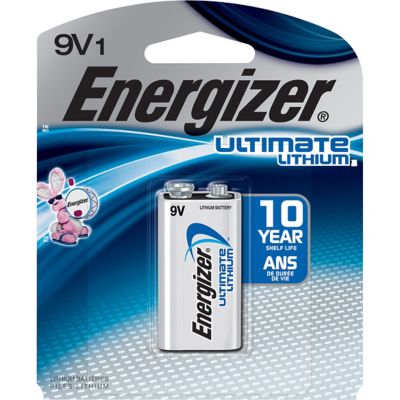
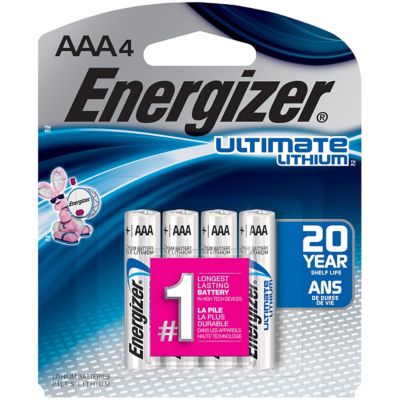
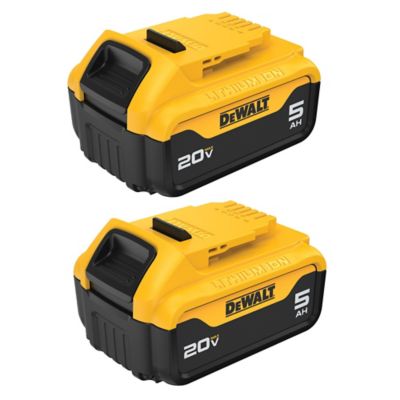
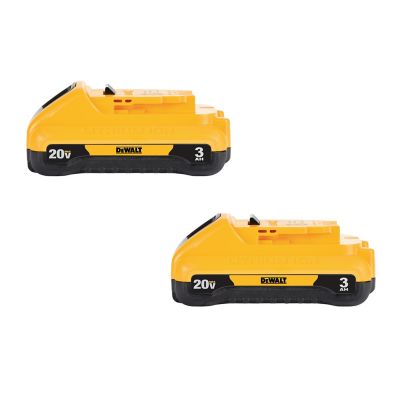
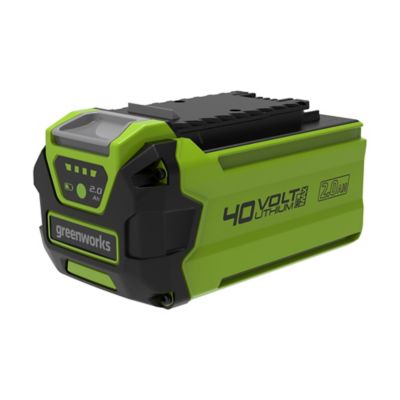
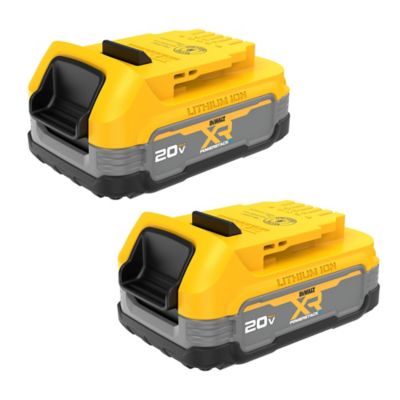
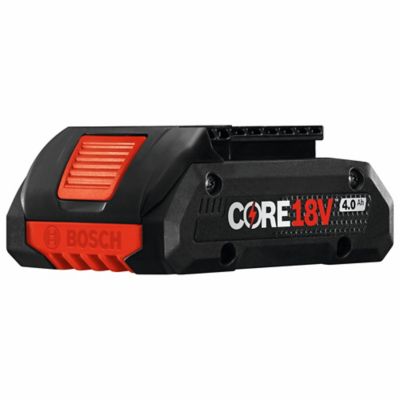
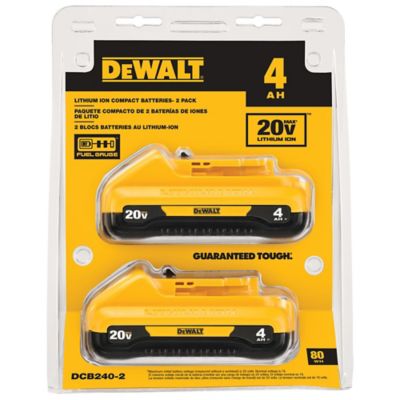
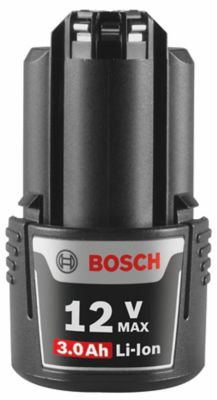
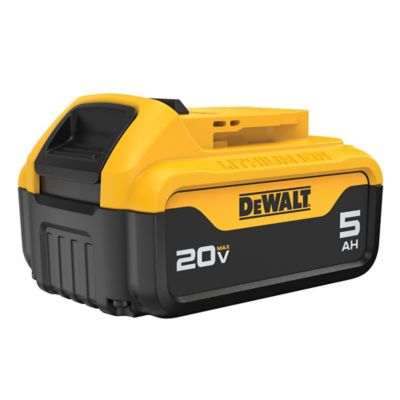
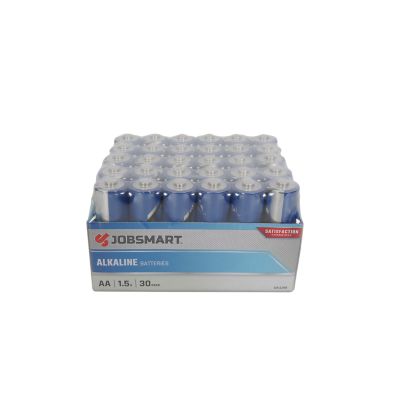
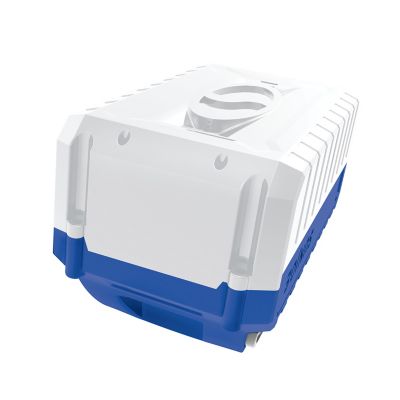
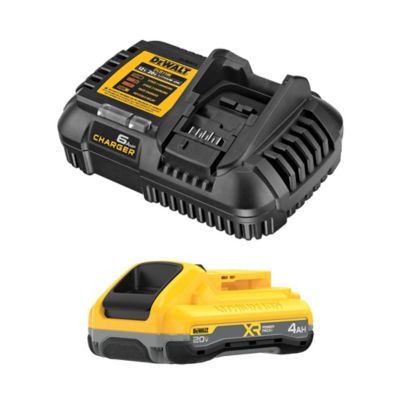
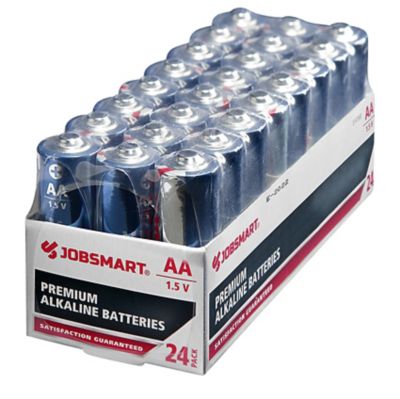
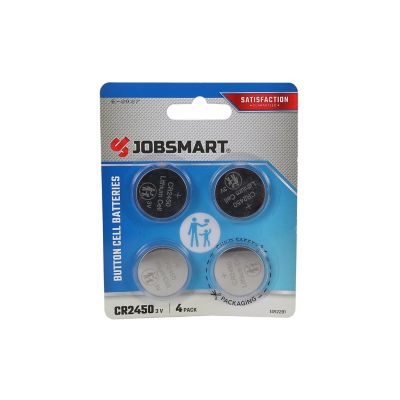
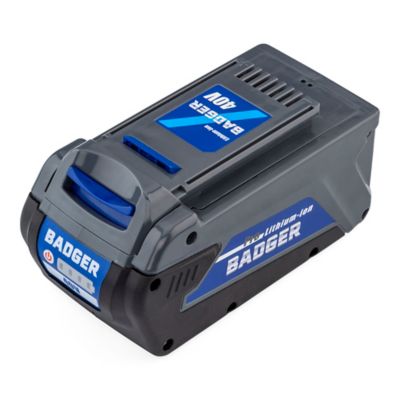
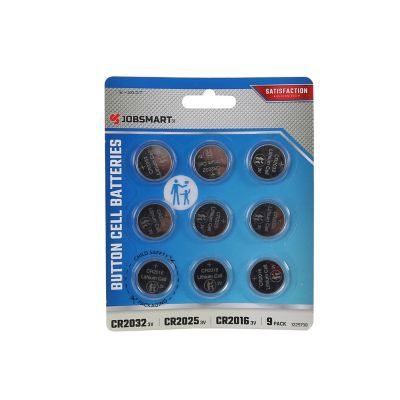
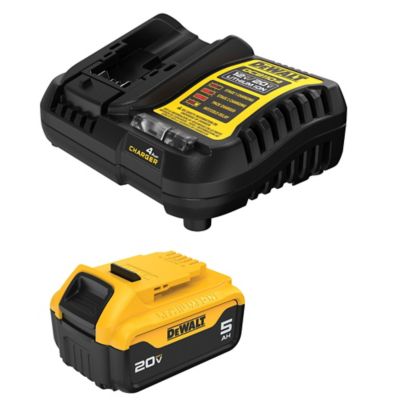
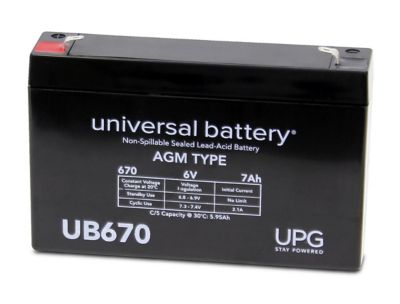
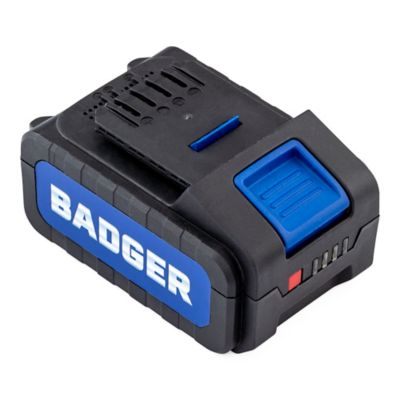
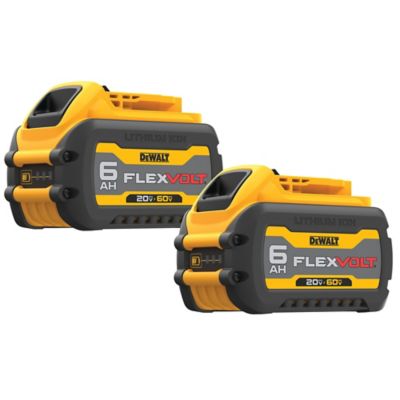
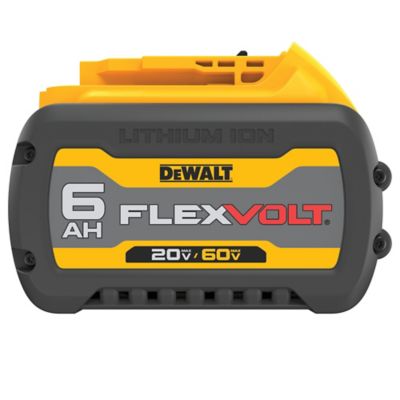
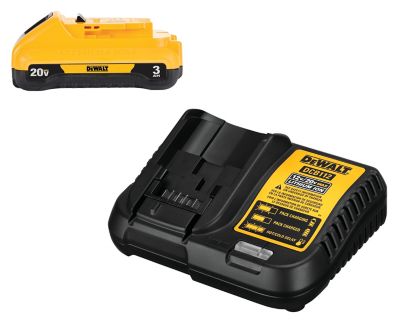
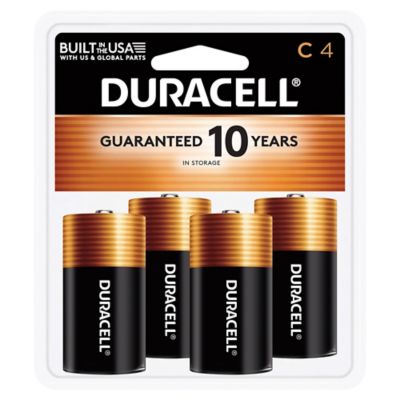
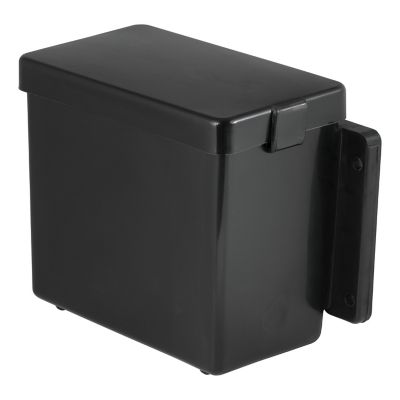
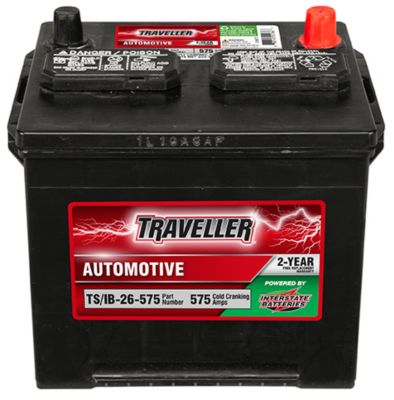
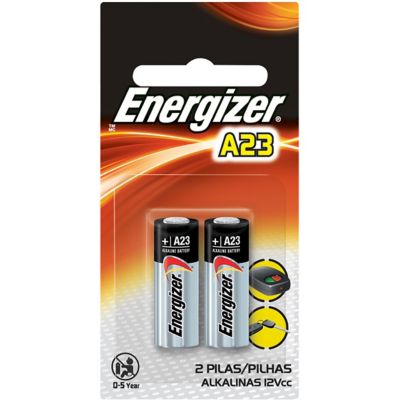
Lightweight batteries provide starting power or stored electrical energy while keeping carrying weight down, making them handy for equipment that travels between the barn, shop, campsite and trail. The term describes weight rather than one particular battery chemistry or size. Compact batteries for electronics, rechargeable tool packs, powersports starting batteries and larger deep-cycle batteries can all fall into this group, but they handle different jobs. Lithium-based designs often weigh less than lead-acid batteries with comparable usable energy, though the actual savings depend on construction, capacity and application. Lithium iron phosphate, often labeled LiFePO4, is one chemistry found in deep-cycle applications such as RV house systems, marine equipment and off-grid power storage. Other lithium chemistries appear in portable electronics and cordless equipment. Absorbent glass mat, or AGM, batteries are another option for some starting and storage applications, with electrolyte held in glass-fiber mats and spill-resistant construction. AGM construction alone does not guarantee a lighter battery, so the listed weight still matters. For someone lifting a battery into a boat compartment or carrying backup power from a truck to a work area, a few pounds can make a noticeable difference. Weight is only part of the picture, though. A starting battery delivers a strong burst of current to turn an engine, while a deep-cycle battery supports a longer, steadier draw from compatible lights, pumps or other equipment. Neither role should be assumed from the case size. Construction matters, too: a rigid housing helps protect internal cells, secure terminals support sound electrical connections, and suitable mounting points help keep the battery from shifting over rough ground. Handles and compact shapes can make carrying easier, but a smaller case still needs the right protection for its surroundings. The best match balances manageable weight with the electrical requirements and physical demands of the job, rather than treating the lightest battery as the answer for every machine.
Fit starts with the equipment’s required voltage, approved battery type and connection layout. Batteries with similar dimensions can have different terminal positions, connector shapes or charging requirements, and a close fit is not always a proper fit. A replacement needs room for its cables without stretching them, clearance above the terminals and a hold-down arrangement that keeps everything secure without pressing on the case. For cordless equipment, the pack must belong to the manufacturer-approved battery platform; matching voltage by itself does not establish compatibility. For engine starting, the specified cranking performance matters more than a large capacity number printed on the label. For steady electrical loads, amp-hours and watt-hours tell a different part of the story. Amp-hours describe charge capacity, while watt-hours describe stored energy and make comparisons more useful when battery voltages differ. A nominal 12-volt battery rated at 20 amp-hours represents about 240 watt-hours of nominal energy, but that figure is not a promise of runtime. Actual operating time depends on the connected load, allowable discharge level, battery condition and losses in wiring or power conversion. A small light draws power much differently than a pump motor, and a motor may need extra current when it starts. That distinction matters when setting up a portable work area, powering compatible equipment at a remote outbuilding or supplying an RV’s electrical loads away from hookups. Deep-cycle lithium batteries may also have continuous-current and short-duration surge limits set by their internal electronics. A battery management system can help protect against certain electrical faults, but it does not make every battery suitable for every load. An automotive charging system, solar charge controller or onboard charger must support the selected chemistry and its charging limits. Connections in series or parallel also need explicit manufacturer approval. Keeping these requirements together helps narrow the choice to a battery that saves weight without giving up the power the equipment needs to do its work.
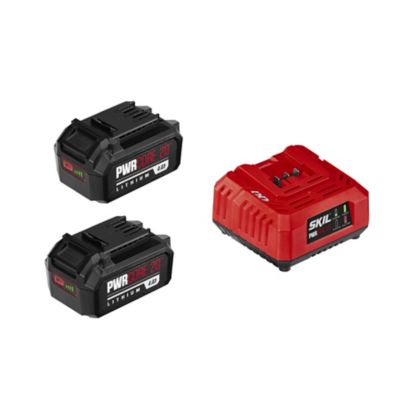
Everyday care helps lightweight batteries stay ready for the next chore. Clean, dry cases and sound connections make inspection easier, especially on equipment that sees dust, vibration or splashes. Dirt around the terminals, loose hardware and damaged cable insulation deserve attention before the battery goes back into service. Terminal hardware should follow the specified tightening requirements; overtightening can damage a connection just as loose hardware can cause trouble. A battery should sit securely in its designated tray or enclosure, away from loose tools and other metal objects that could bridge its terminals. Carrying a spare loose in a toolbox is not a good substitute for a protective case or terminal covers. For batteries going into a boat, trailer or outdoor power setup, the enclosure’s stated protection rating matters, and a sealed-looking case should never be taken as permission to submerge it. Compatible chargers, protective covers, mounting hardware and other
Battery Accessories help support a complete setup, provided each part matches the battery and equipment requirements. Charging habits also affect service life. Rechargeable batteries need a charger intended for their chemistry, and a lead-acid charging mode with a desulfation function may be unsuitable for lithium batteries. Storage instructions vary by chemistry, so the recommended state of charge and inspection interval should come from the battery maker rather than a one-size-fits-all rule. Equipment that draws a small amount of power while parked can drain a battery over time, even when nothing appears to be running. Approved disconnects or maintenance charging arrangements can help address that draw where the equipment instructions allow them. Swelling, cracks, leaking or damaged terminals call for taking the battery out of service and following the manufacturer’s handling directions. At the end of its service life, a battery belongs in an appropriate battery collection or recycling program, not household trash. With the right fit, charging setup and care, lower battery weight can mean less lifting and easier handling without overlooking the needs of the equipment it powers.