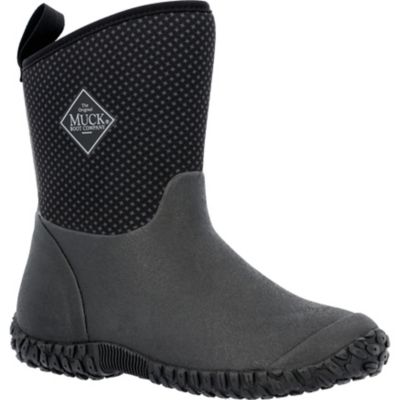
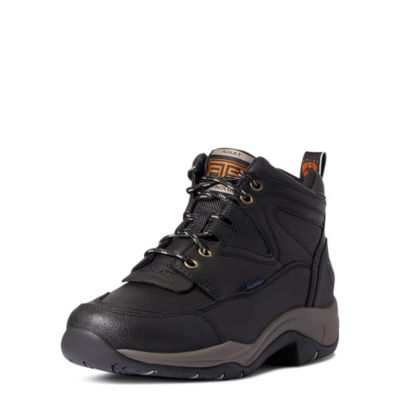
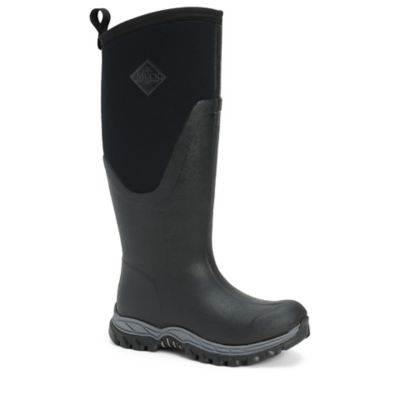
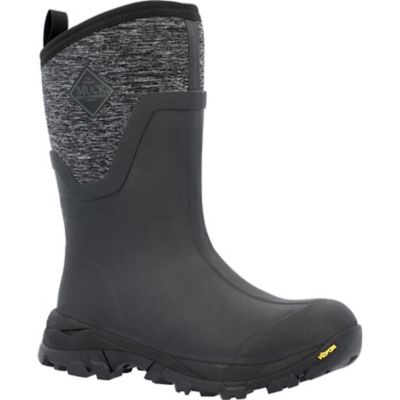
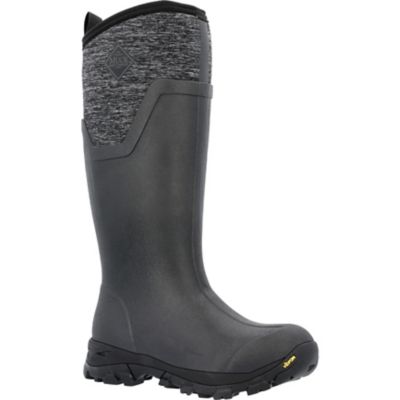
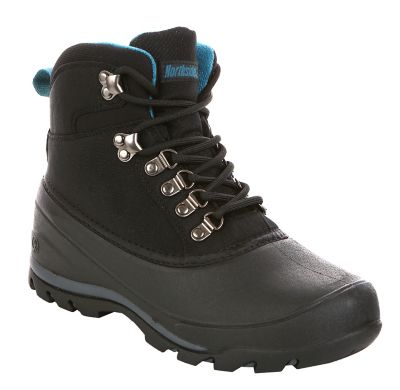
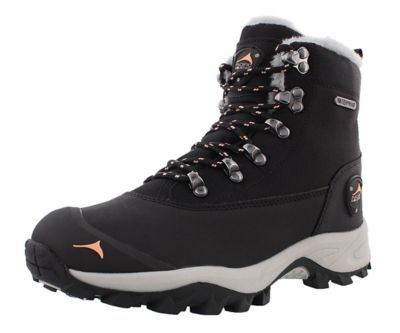
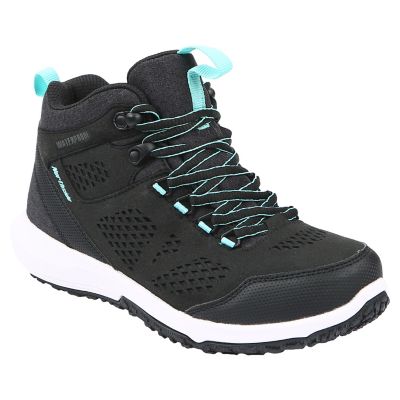
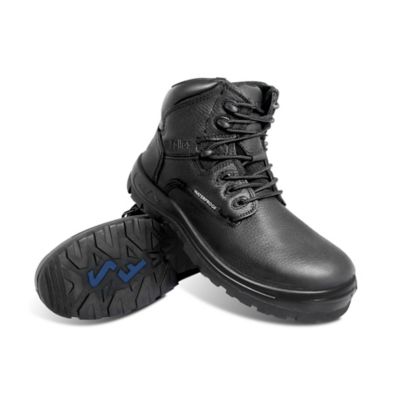
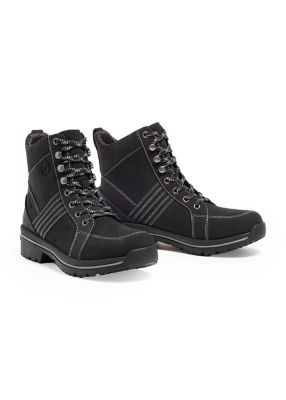
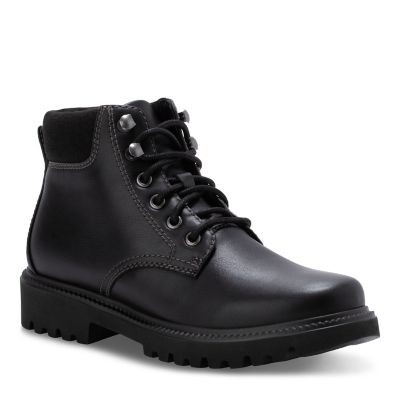
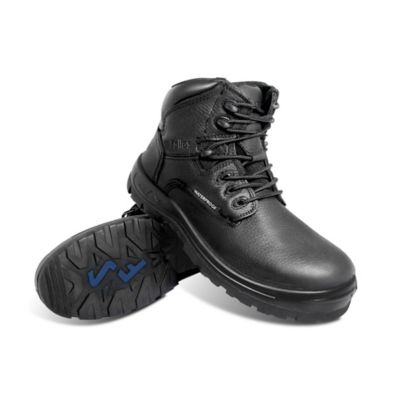
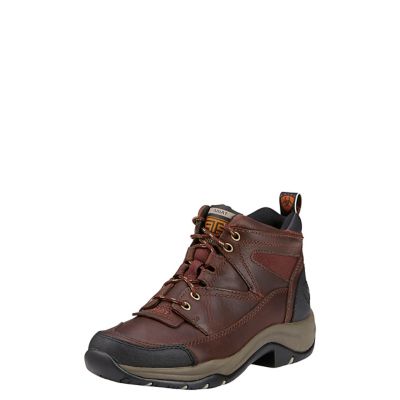
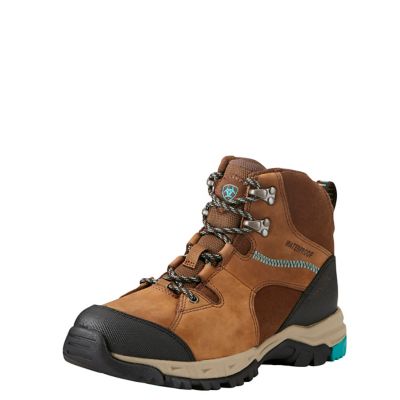
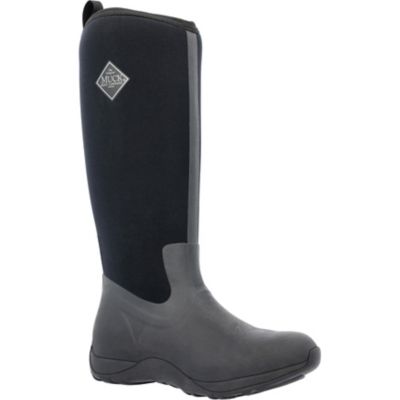
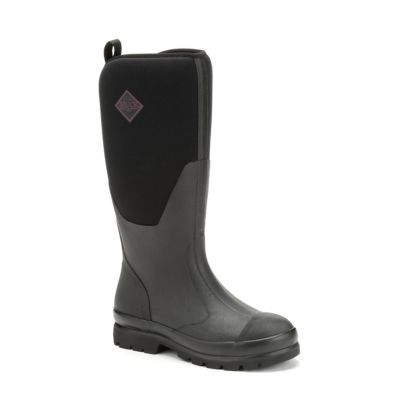
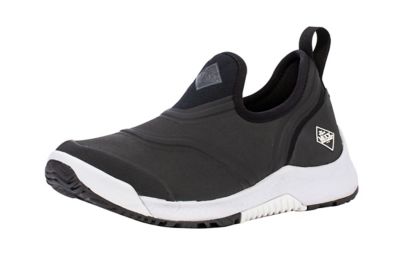
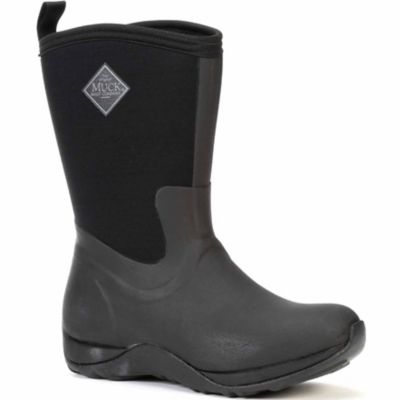
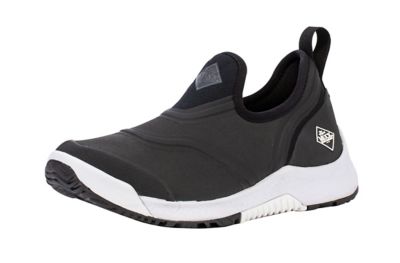
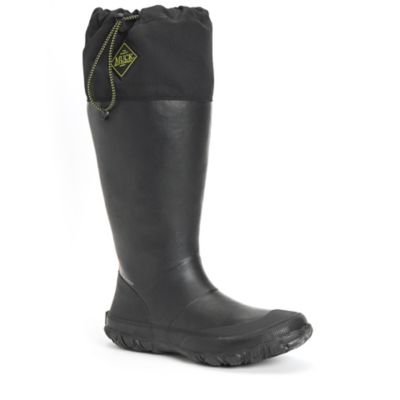
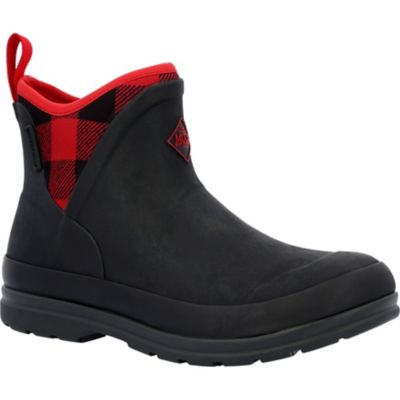
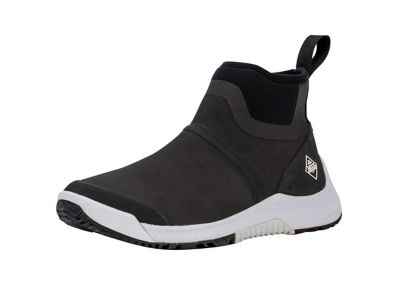
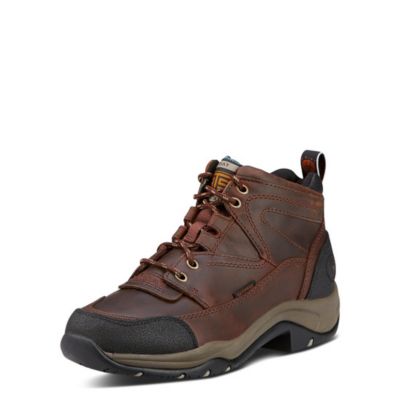
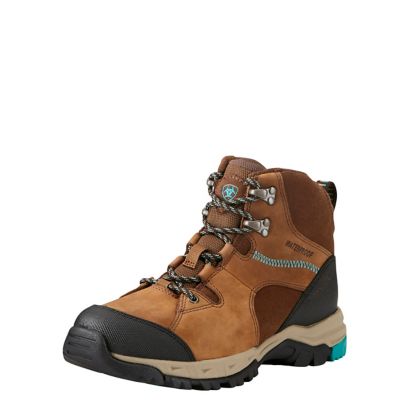
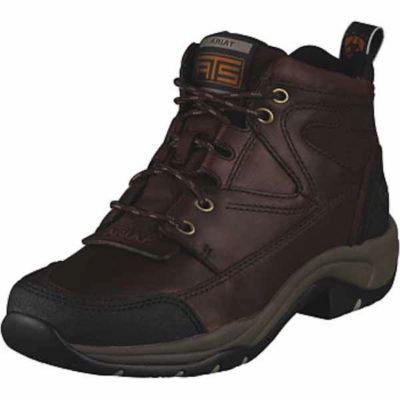
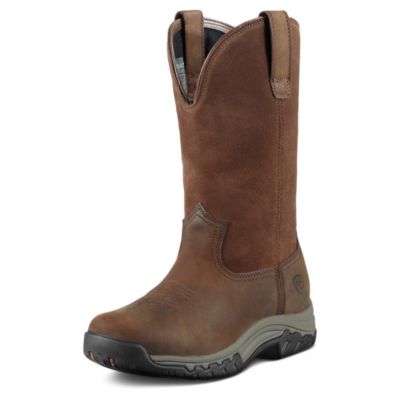
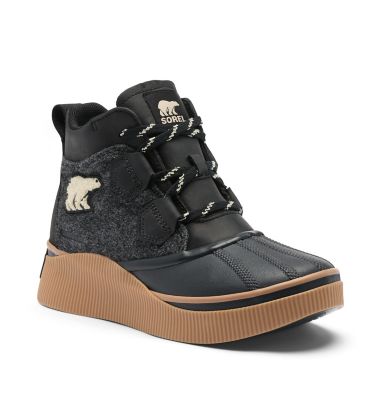
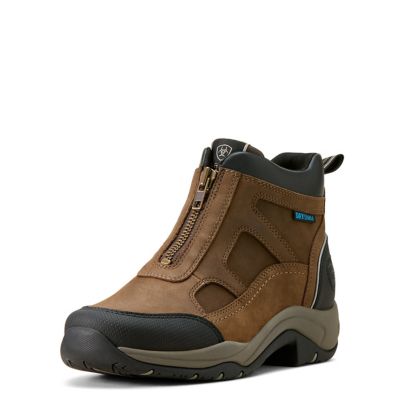
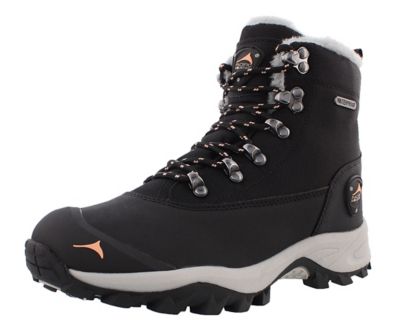
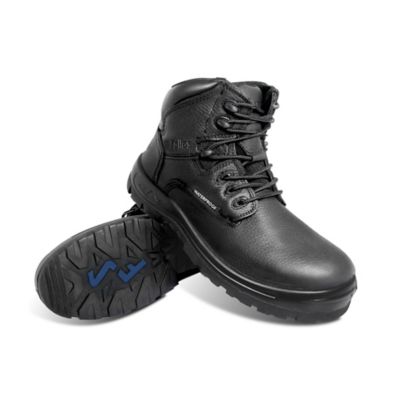
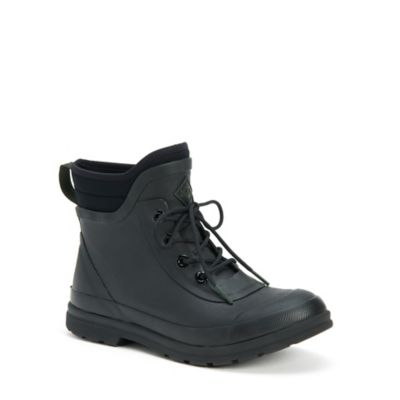
Black hiking boots for women are a dependable choice for everything from easy weekend walks to longer days on wooded trails, gravel roads, and uneven ground. The dark color has a clean, versatile look that pairs easily with hiking pants, jeans, leggings, or everyday work clothes, while the boot’s structure helps keep your feet steady when the trail gets rough. When comparing women’s black hiking boots, start with the kind of ground you normally cover. Lightweight day-hiking boots are comfortable for park paths, maintained trails, travel, and casual outdoor use. More rugged boots are better suited to rocky climbs, loose dirt, steep grades, and places where your feet need extra protection from roots and stones. A mid-height boot can provide useful ankle coverage without feeling as bulky as a full backpacking boot, especially when you are carrying a daypack or spending several hours on your feet. Look for a firm heel counter, a supportive midsole, and a rubber outsole with a tread pattern deep enough to grip dirt, wet leaves, and uneven rock. A flexible toe area lets your foot move naturally, but the boot should not fold or twist excessively through the middle. For cool mornings, damp trails, and changing conditions during the warmer and cooler parts of the year, waterproof construction can help keep puddles and light rain from turning a pleasant walk into a soggy one. Breathable panels and moisture-managing linings are helpful when the trail warms up, since dry feet are less likely to develop hot spots and blisters. Waterproof boots may feel a little warmer than non-waterproof styles, so consider your usual climate and activity level before choosing.
Fit matters just as much as materials or tread. Try hiking boots on with the socks you expect to wear, preferably later in the day when feet have naturally expanded a bit. Your heel should stay in place as you walk, with little or no lifting, while your toes should have enough room to wiggle without sliding forward. On a downhill section, your toes should not press hard against the front of the boot. A good lacing system can make a noticeable difference: snug the lower laces around the forefoot, then secure the upper section around the ankle without cutting off circulation. If one foot is slightly larger than the other, fit the larger foot and use a supportive sock or insole to fine-tune the other side. Women’s feet can vary widely in width, arch shape, and volume, so a boot that feels excellent for one hiker may not suit another. Removable footbeds are useful if you prefer extra arch support or need room for a custom insert. Before heading out on a long hike, wear the boots around the house, on errands, or for short walks around the property. A little break-in time can soften stiff leather and reveal pressure points before you are miles from the trailhead. Pair them with cushioned hiking socks rather than cotton athletic socks, and avoid wearing two thick pairs if they make the boot feel tight. If you are shopping for a birthday, graduation, camping trip, or other outdoor-minded gift, black hiking boots can be a practical pick when you know the recipient’s shoe size, preferred terrain, and need for waterproof protection. A gift receipt or easy exchange option is especially helpful because fit is personal.
Think about the details that make a boot useful after the first few outings. A well-designed outsole should offer traction in both forward and downhill steps, with lugs that can release mud instead of packing full of it. A reinforced toe can help protect against unexpected roots and rocks, while a padded collar may reduce rubbing around the ankle. If you spend time near creeks, in damp grass, or on trails that stay wet after rain, waterproof boots can add confidence and make cleanup easier. If your walks are mostly on dry, smooth paths, a lighter non-waterproof boot may provide more breathability and a quicker, less tiring stride. Weight is worth considering, too. The difference between a light day hiker and a sturdier boot becomes noticeable over several miles, especially on warm days or when carrying water and gear. Black boots also tend to hide everyday dust and trail marks, but they still benefit from regular care. Brush off dried dirt, wipe away mud with a damp cloth, and follow the care directions for the upper material. Let wet boots dry at room temperature rather than placing them beside a heater, which can damage adhesives and cause leather to stiffen or crack. Replace worn insoles when cushioning fades, and check the outsole for smooth spots before tackling steep or slick ground. For outdoor jobs, property walks, and chores that call for hiking-style support, you may also want to compare
Women's Hiking Work Boots for features geared toward longer hours on hard surfaces. Whether they are used for exploring a shaded trail as the weather warms, walking through crisp leaves during the cooler months, or simply adding steady support to an active day, the right pair of black hiking boots for women should feel secure, comfortable, and ready for the miles ahead.