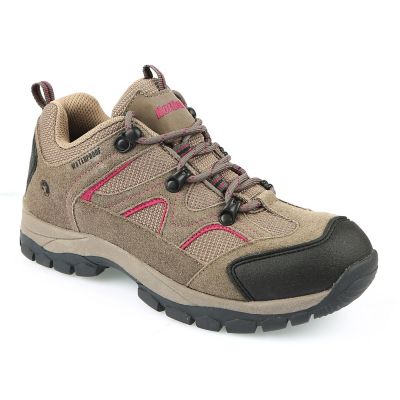
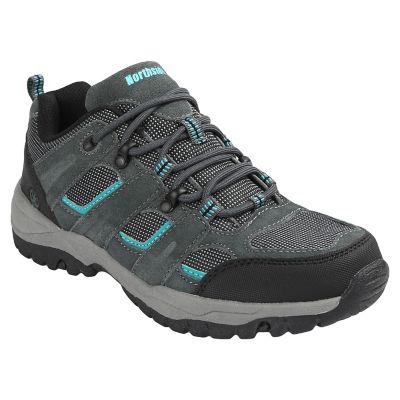
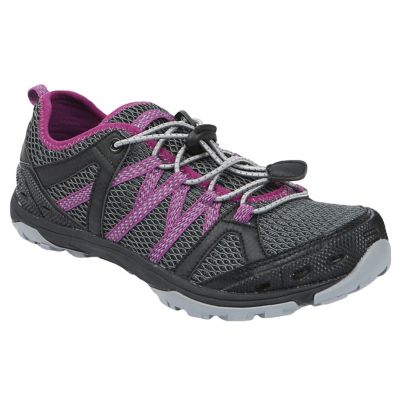
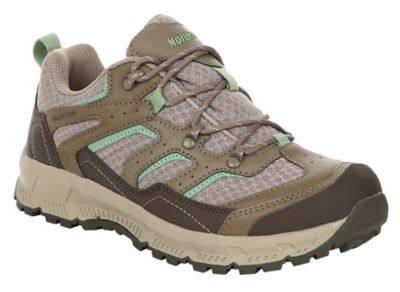
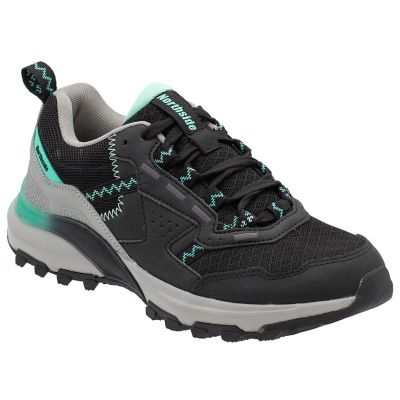
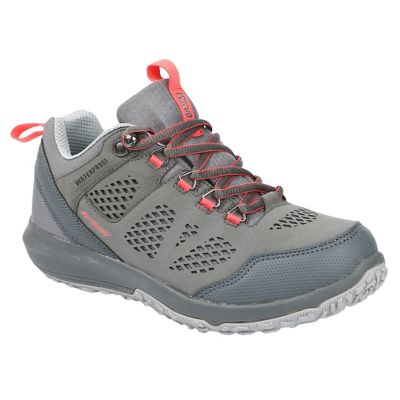
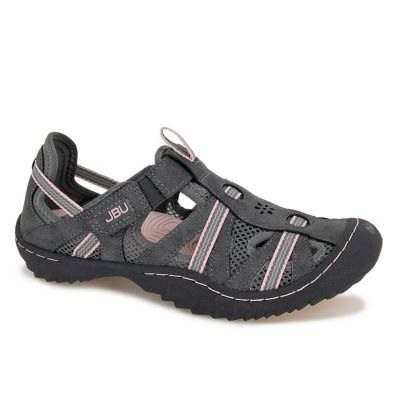
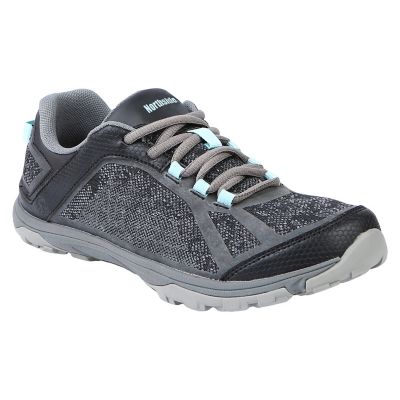
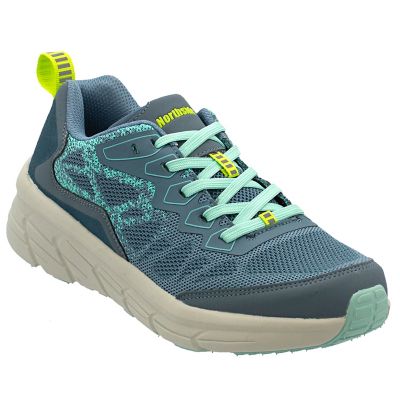
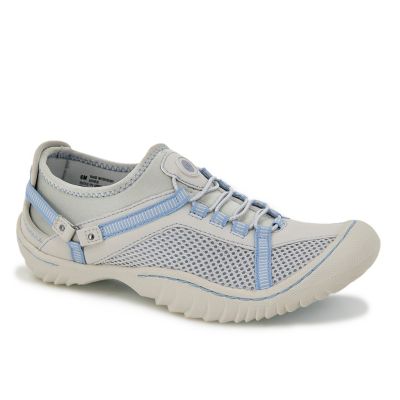
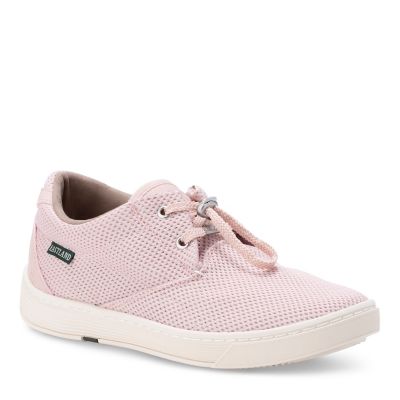
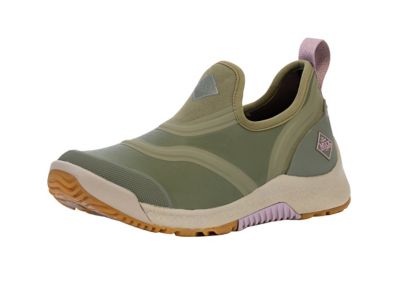
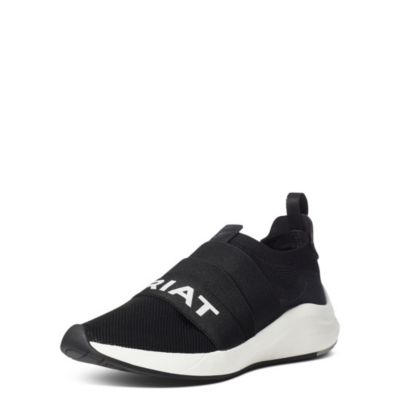
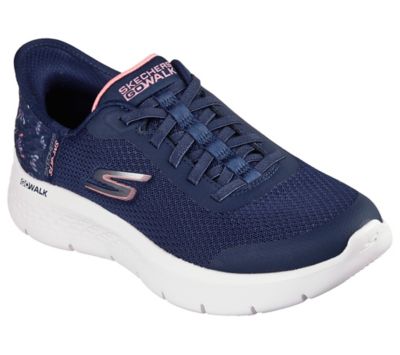
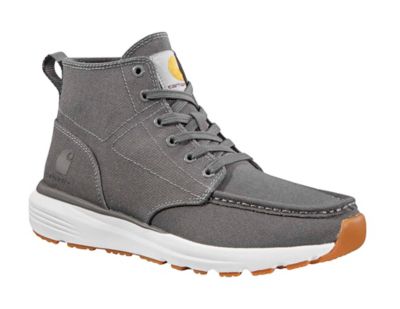
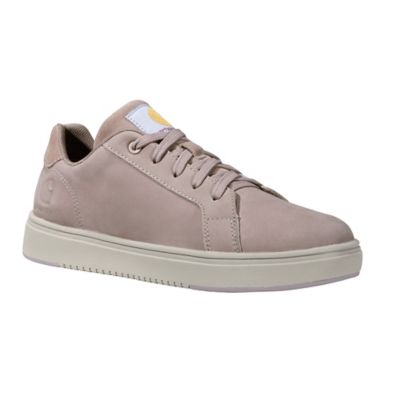
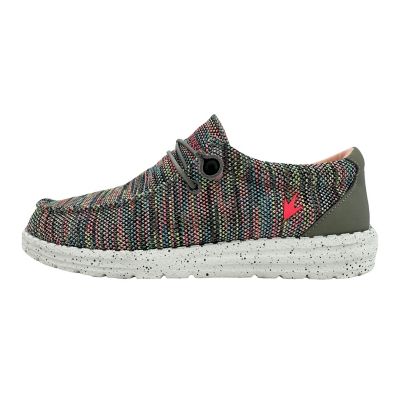
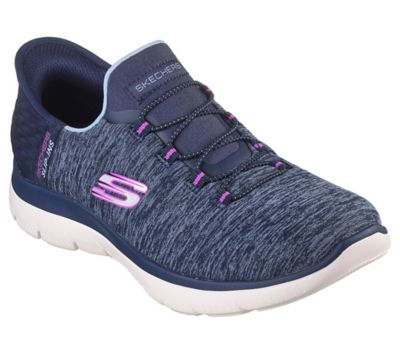
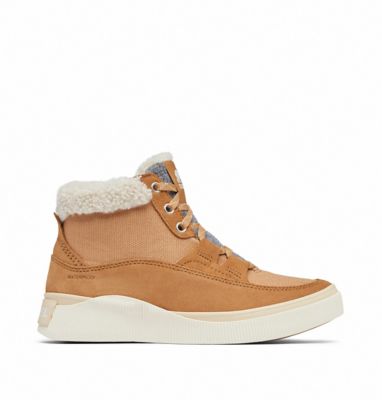
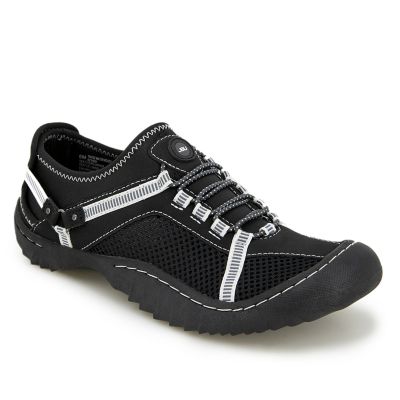
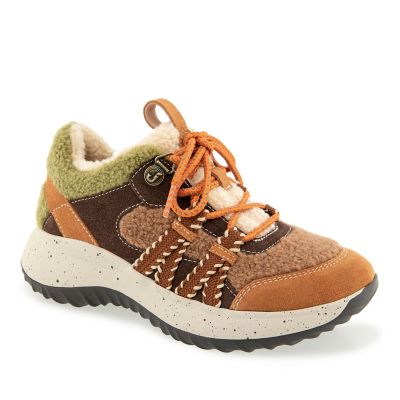
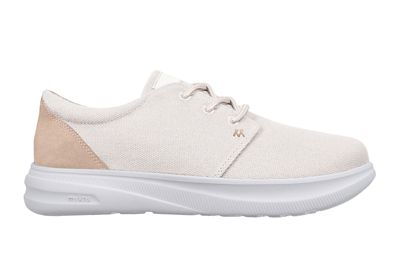
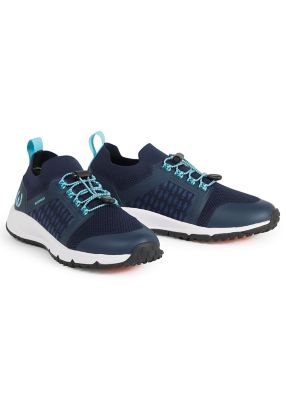
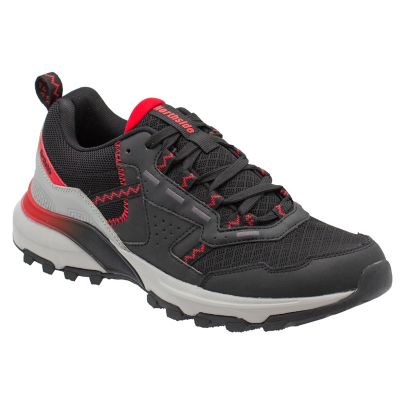
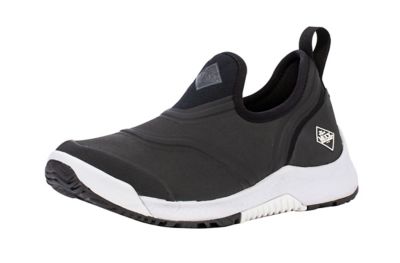
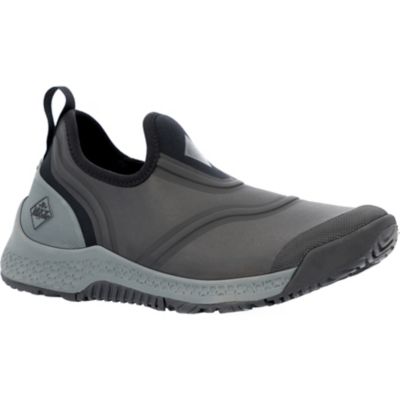
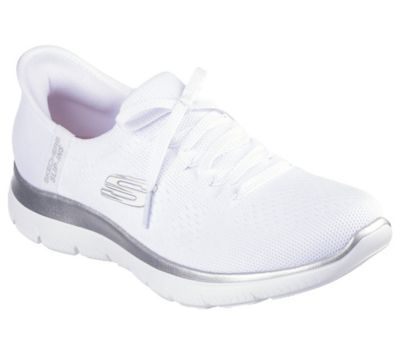
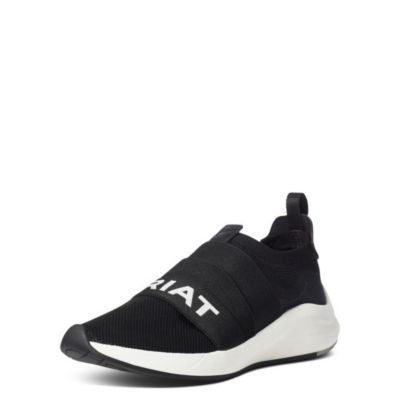
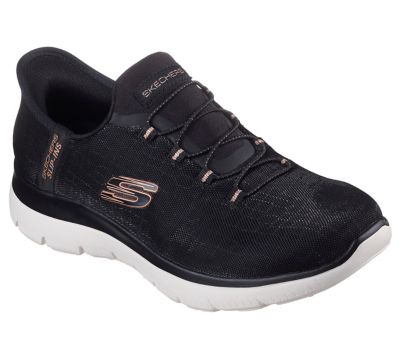
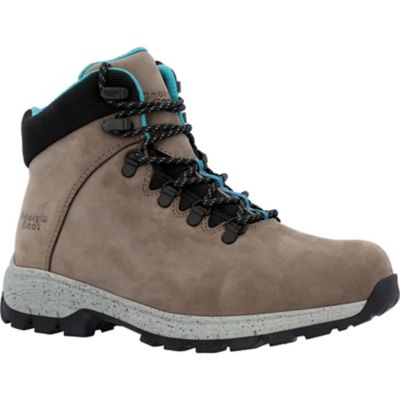
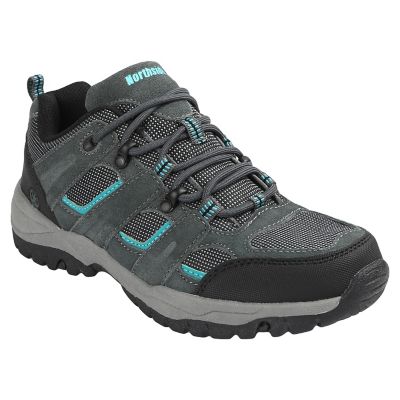
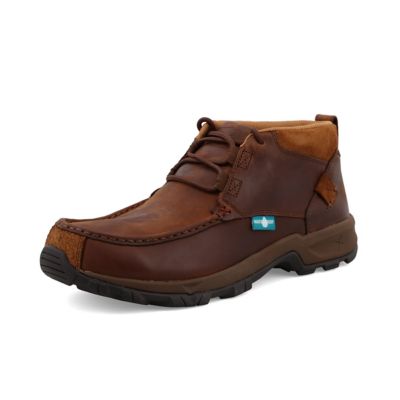
Women’s lightweight hiking sneakers bring together the easy feel of an athletic shoe and the trail-ready support of a hiking shoe. They are a handy choice for day hikes, nature walks, camping trips, travel, gardening on uneven ground, and everyday errands when you want a little more grip than a standard sneaker can offer. A lighter shoe can help your feet feel less tired over a long stretch of trail, especially when the route includes rolling hills, packed dirt, or a few miles of walking between stops. Many pairs have flexible uppers that move naturally with the foot, cushioned midsoles for a softer step, and rubber outsoles shaped to hold onto dirt, gravel, roots, and other common trail surfaces. Some have a low-cut collar that feels more like a running shoe, while others add a bit more structure around the heel and midfoot for a steadier fit. When comparing Womens Lightweight Hiking Sneakers, start with the kind of ground you expect to cover. Smooth gravel paths and paved greenways may call for a flexible, breathable pair with moderate tread, while rocky trails and steep slopes are better matched with a firmer sole and deeper lugs. A sticky rubber outsole can improve traction on stone and damp surfaces, and a reinforced toe can help protect against roots and loose rocks. For a broader selection of supportive footwear, see
Lightweight Hiking Boots For Women.
Fit matters just as much as weight when you are choosing a hiking sneaker. Feet often swell a little during a long walk, so a shoe that feels snug in the morning may become uncomfortable after several hours outside. Leave enough room for your toes to spread and wiggle without letting your heel lift with each step. A roomy toe box can be especially helpful for hikers who prefer natural foot movement or wear thicker socks during the cooler months. Those who like a level, close-to-the-ground feel may look for a zero-drop design, while hikers who want a more familiar walking sensation may prefer a raised heel and extra cushioning beneath the heel and forefoot. There is no single setup that works for every foot; the best choice is the one that feels secure without squeezing, rubbing, or forcing your toes together. Look for laces or another adjustable closure that lets you fine-tune the fit across the instep. A padded tongue and collar can reduce pressure, and a supportive heel counter can help keep the shoe from shifting on uneven ground. Try footwear on with the socks you plan to wear outdoors, and give both shoes a short walk on a hard floor before heading out. Pay attention to hot spots around the heel, little toe, arch, and ankle, since small irritations can become painful once you are miles from the truck or trailhead. Cushioning is another personal choice. Softer foam can feel comfortable on packed paths and pavement, while a firmer midsole may offer better control when carrying a daypack or crossing rough ground. Breathable mesh can help keep feet cooler during active walks, and leather or coated textile panels can add durability where brush and debris are common. If wet grass, shallow puddles, or changing weather are part of your routine, consider water-resistant or waterproof construction. Waterproof shoes help keep moisture out, but they may feel warmer than open mesh, so match the material to your usual conditions and the amount of ventilation you prefer.
Women’s lightweight hiking sneakers can be useful for a wide range of people, from a first-time trail walker to an experienced hiker who wants a nimble option for shorter outings. They are practical for dog owners who cover miles on field paths, parents who spend weekends at parks and campgrounds, travelers who need one pair for sightseeing and light trails, and anyone who works or relaxes around a farm, ranch, or rural property. A pair can also make a thoughtful gift for someone who enjoys birding, fishing access roads, state parks, camping, or weekend trips to the lake. If you are buying footwear for someone else, pay close attention to their usual size, preferred width, typical terrain, and whether they favor a cushioned or more natural-feeling sole. Neutral colors and simple outdoor styling can make a pair easy to wear with jeans, hiking pants, work clothes, or casual travel outfits. Before using new shoes on a long hike, wear them around the house, on a short walk, or while handling chores so the upper can flex and your feet can settle into the fit. Keep an eye on the outsole as you use them; worn-down lugs and smooth patches can reduce traction even when the upper still looks good. After muddy walks, brush off loose dirt and let the shoes dry away from intense heat, which can damage adhesives and stiffen some materials. Remove the insoles when possible to air out the interior, and follow the care directions for the specific fabric or leather. During the cooler months, moisture-wicking socks can help manage sweat and keep feet more comfortable, while a spare pair in the vehicle is useful when a trail turns wetter than expected. With the right balance of weight, traction, comfort, and weather protection, these versatile hiking sneakers can carry you from gravel roads and wooded paths to campsite chores and everyday country life.