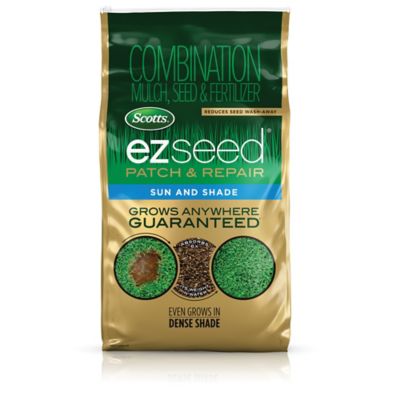
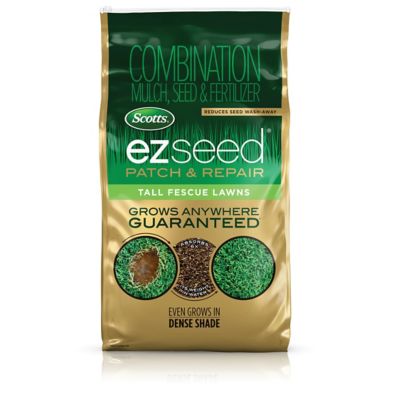
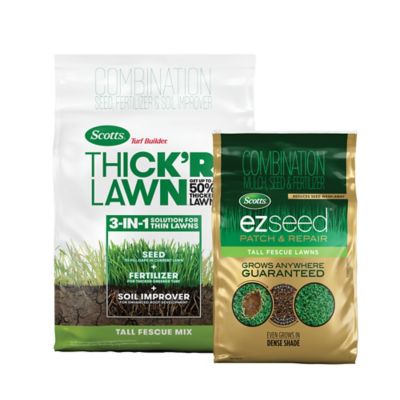
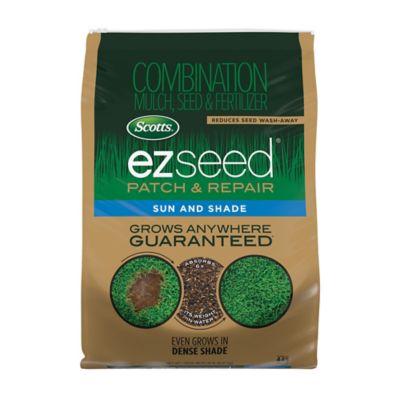
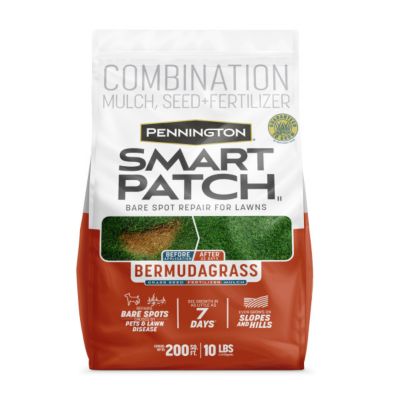
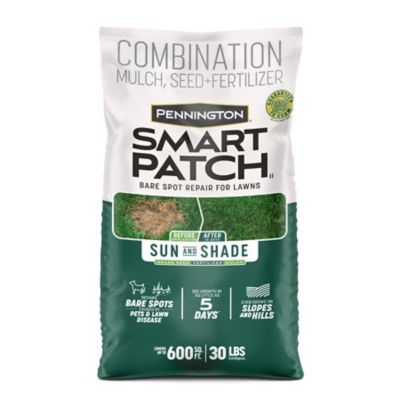
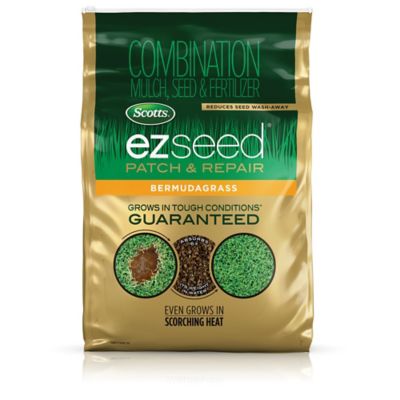
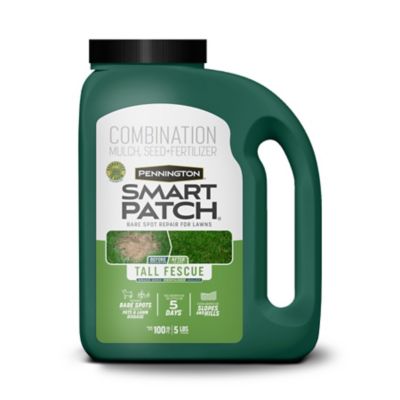
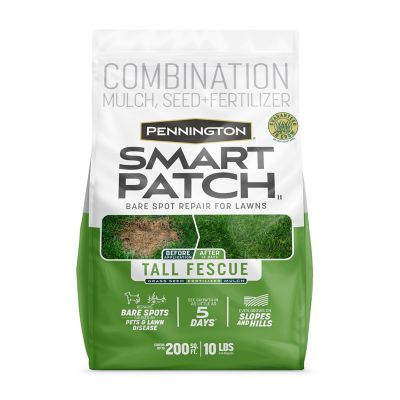
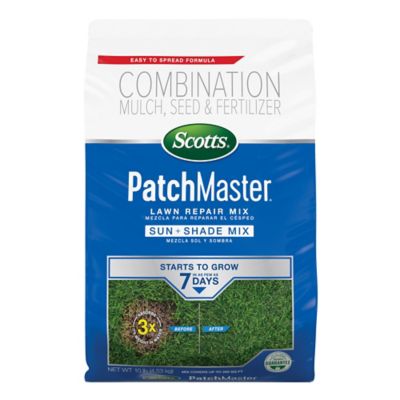
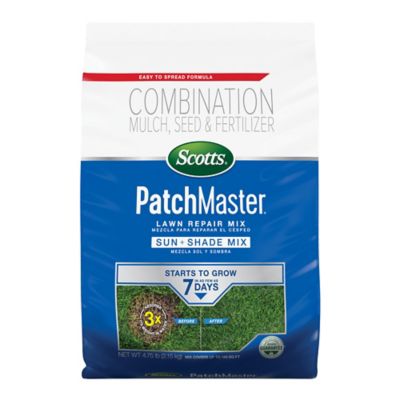
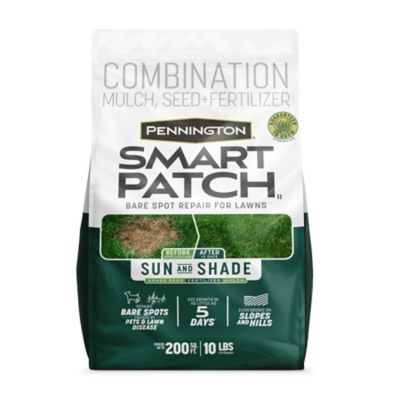
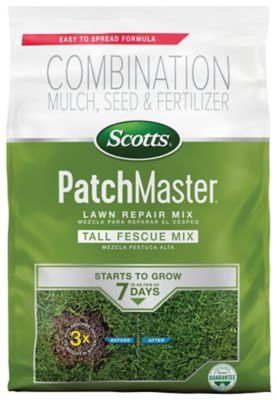
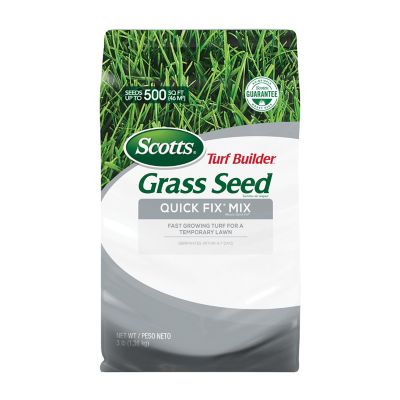
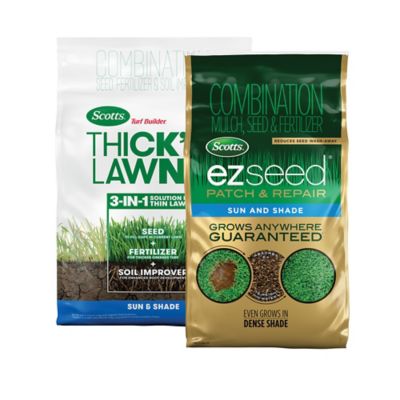
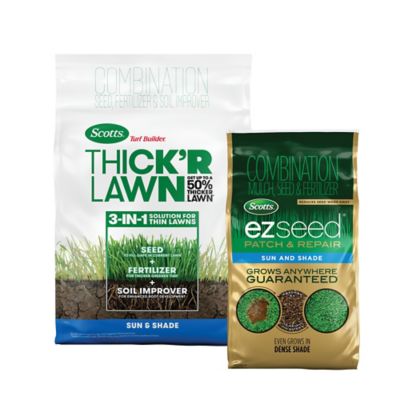
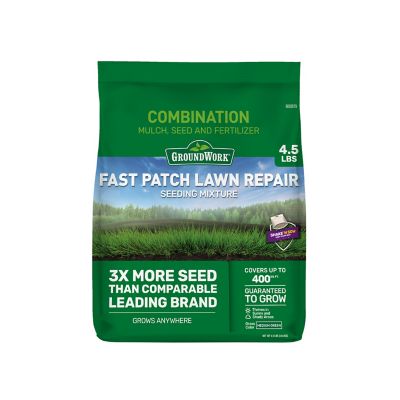
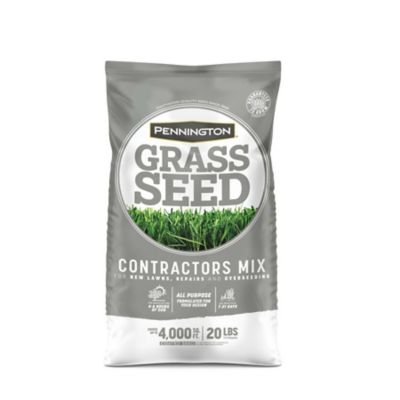
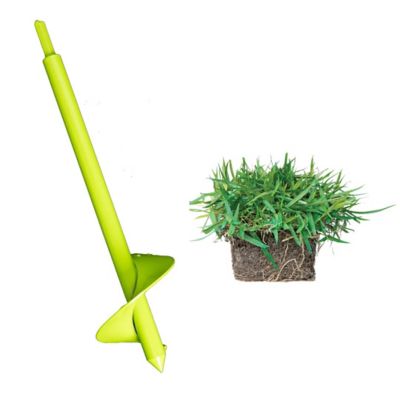
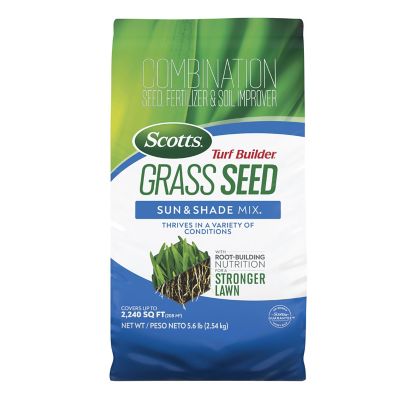
Lawn patch repair products help fill bare spots and thin turf with grass seed, moisture-holding mulch, and, in some blends, fertilizer. They’re made for the small trouble spots that can leave an otherwise healthy yard looking uneven: the strip beside a gate, the worn circle beneath a backyard swing, or the path a dog takes from the porch to the fence. Repair mixes bring several materials together in one package, while separate seed, soil amendments, and seed coverings give you more control over what goes onto the ground. The right choice depends on the grass already growing there, how much sunlight reaches the spot, and what caused the damage. A patch in an open front yard may need a different seed blend than one beneath a spreading tree. Matching the existing grass helps the repaired area blend in, though differences in blade width, color, and growth habit can still show as new turf develops. Tall fescue and perennial ryegrass generally grow in clumps, while grasses such as Kentucky bluegrass and bermudagrass can spread to help fill surrounding space. Not every lawn grass is commonly established from seed. For grass types such as St. Augustine,
Lawn Plugs offer an option made from small, rooted sections that grow into the surrounding ground. Patch size matters, too. A few boot-sized gaps call for a different amount of material than a broad stretch along a driveway. Package coverage is worth checking closely because the total weight of a repair blend includes more than seed. A bag containing mulch and fertilizer cannot be compared pound for pound with a bag of grass seed alone. For homeowners caring for a front yard, acreage owners tidying the space around the house, or anyone keeping a shared play area in shape, matching the repair materials to the lawn and the amount of wear helps set sensible expectations.
The materials inside a lawn repair mix each have a job. Grass seed supplies the new plants, mulch helps hold moisture near the seed, and fertilizer provides nutrients where the formulation calls for it. Mulch may contain processed paper, wood fibers, or other plant-based materials, with the exact ingredients listed on the package. Some coverings expand after watering, making it easier to see where material has been spread, but their appearance does not replace checking soil moisture. A separate seed covering can be helpful where exposed soil dries between waterings or where seed needs protection from being disturbed. Coverage should still leave room for seedlings to emerge; a thick blanket of material is not automatically better. Seed labels also provide useful details about grass varieties, germination testing, and the presence of weed seed or other crop seed. Those details matter when the goal is a patch that fits the surrounding lawn rather than a different-looking tuft in the middle of it. Soil condition is just as important as what comes in the bag. Seed needs contact with loosened soil, not a cushion of dead grass or a hard, smooth surface. A rake or hand cultivator suits a small scuffed area, while a broader patch may call for tools that cover more ground. Compacted soil beside a frequently opened gate can limit rooting, and soil that stays soggy may point to a drainage problem a repair mix alone cannot solve. Soil testing can help identify nutrient needs or a pH issue before additional fertilizer goes down. Topsoil and compost can support a repair where soil is missing or depleted, but adding too much can leave a raised spot that catches mower blades or changes how water moves. Lawn patch products work best when the underlying cause receives attention, whether that means redirecting foot traffic, addressing pet habits, or correcting an uneven surface. Otherwise, the same bare place may return even after grass takes hold.
Care requirements are another part of choosing lawn patch repair supplies. Newly planted seed needs consistent moisture near the soil surface while it germinates, so the repaired area should be within reach of a hose, watering can, or suitable sprinkler. Watering needs vary with the seed blend, soil, and mulch, making the package directions a better reference than a fixed daily schedule. Enough water should reach the seed without creating puddles or carrying it into the low end of the patch. A gentle spray is especially useful beside walkways and on sloped ground, where a strong stream can move loose material. Some mulch blends change color as they take up or lose water, offering a visible cue alongside a close check of the soil. Protection from traffic matters as much as watering. Children cutting across the yard, a dog making repeated trips to the same corner, or a mower wheel passing over soft ground can disturb young roots before the grass is established. Temporary markers or a small barrier can help keep the area clear without turning a little lawn repair into a major project. Mowing belongs later, once the grass reaches the height recommended for its type and is rooted well enough to withstand normal lawn care. A sharp mower blade makes a cleaner cut than a dull one that pulls at tender growth. Fertilizer and weed-control labels deserve attention, too, because some treatments have restrictions around seeding or newly established turf. Products should remain in their labeled packaging, with seed and repair materials sealed against moisture and stored away from children and animals. For a yard with recurring wear, ongoing care may include adjusting a walking route, keeping mower traffic off the same track, or choosing grass suited to the site. A successful patch is more than green growth over bare soil; it is grass that blends into the yard and can handle the everyday activity that belongs there.