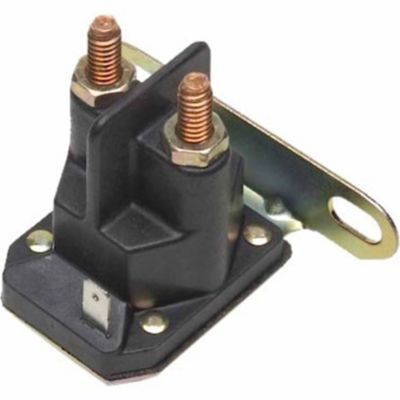
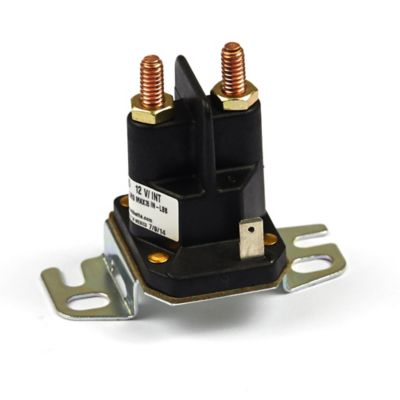
Lawn mower starter solenoids handle a big electrical job in a small package. A starter solenoid is an electromagnetic switch that connects the battery to the starter motor when the ignition sends a start signal. That arrangement lets a low-current control circuit switch the much heavier current needed to crank the engine, rather than sending that load through the ignition switch itself. On riding mowers, lawn tractors, garden tractors, and some zero-turn mowers, the solenoid is an important link between turning the key and hearing the engine roll over. Many designs mount separately from the starter, while others belong to a starter assembly, so replacement needs depend on the machine’s layout. These parts suit homeowners tending a few acres, folks keeping fence lines and outbuildings trimmed, and mowing crews maintaining equipment that has plenty of ground to cover. A replacement lawn mower starter solenoid can address a confirmed switching fault, but a clicking mower does not automatically need one. Rapid clicking can also point to a weak battery, loose cable connections, or resistance in the starting circuit. Silence can come from an ignition switch, fuse, wiring fault, or safety interlock that is preventing the start signal from reaching the solenoid. Even a single solid click without cranking can have more than one cause, including a starter motor problem. A starter that keeps running after the key is released may involve sticking solenoid contacts or a control-circuit fault and calls for prompt attention before further operation. Those distinctions matter when the mower is sitting beside the shed with a full day’s work ahead. The best replacement choice starts with a confirmed fault and the mower’s specified part requirements, not simply the sound it makes. For electric-start equipment, the solenoid’s purpose stays the same across many layouts, but its electrical connections, mounting arrangement, and operating specifications need to match the machine.
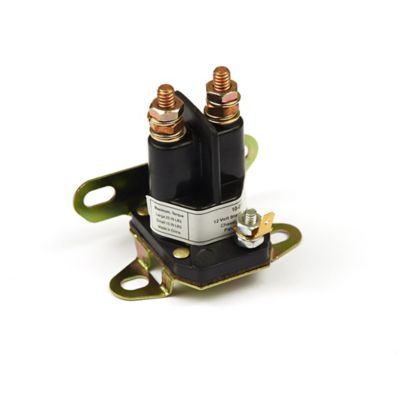
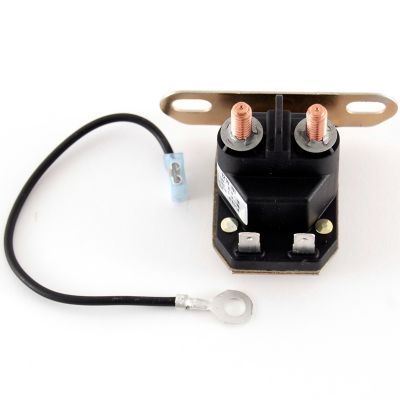
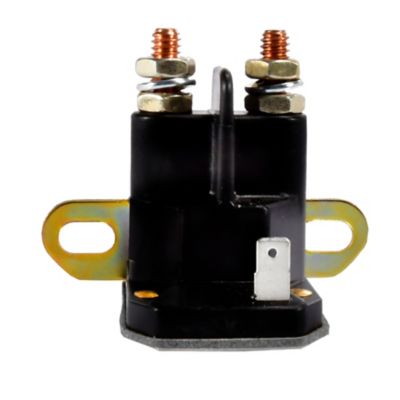
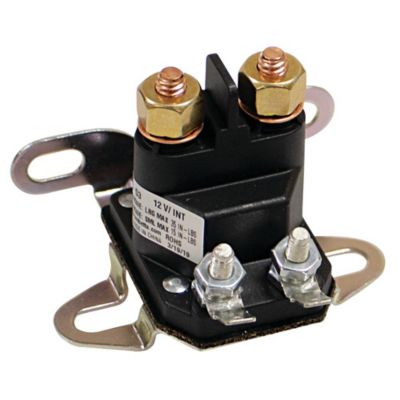
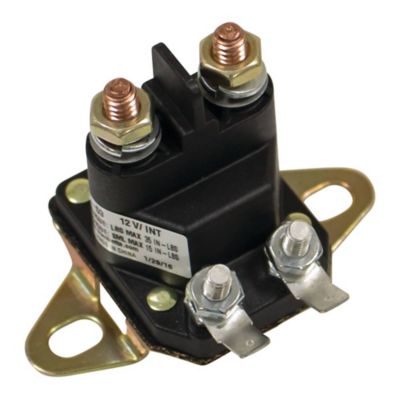
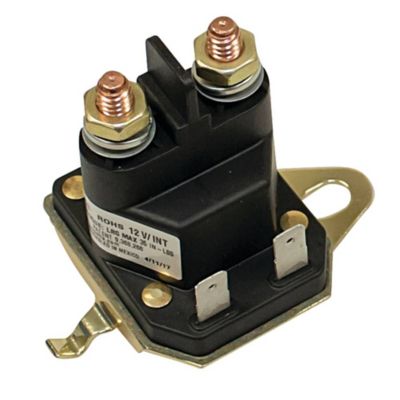
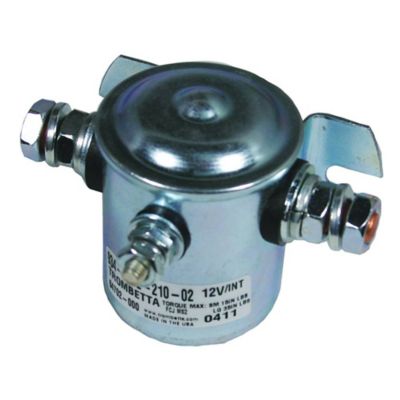
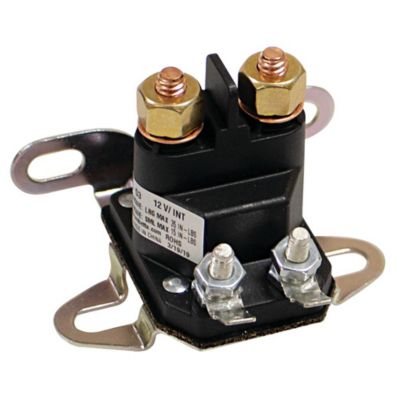
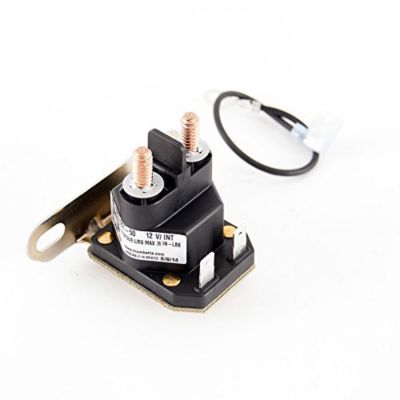
Fit involves more than finding a solenoid with the same general shape. The mower’s model and serial number, the original part number, and the manufacturer’s parts information provide a stronger match than appearance alone. An engine model may help, but it may not identify a separately mounted solenoid selected by the mower manufacturer. Three-terminal and four-terminal starter solenoids are common configurations, and that terminal count is only one piece of the puzzle. On many three-terminal designs, two large studs carry battery and starter current, while a smaller terminal receives the start signal; the mounting bracket provides the coil’s ground path. Many four-terminal designs have two large power studs and two smaller coil connections, allowing a separate ground connection. However, terminal functions vary, and an extra terminal does not always mean the same thing from one design to another. Matching the wiring diagram and terminal markings helps prevent a look-alike part from becoming the wrong electrical fit. System voltage matters as well. Many riding mowers have 12-volt starting systems, but the replacement must match the equipment’s specified voltage, current requirements, and switching arrangement. Starter solenoids are generally intended for brief cranking cycles, not prolonged energizing, and a continuous-duty electrical switch is not automatically an appropriate substitute. Physical details deserve the same attention: mounting-hole spacing, bracket angle, housing dimensions, stud size, and connector style all affect how the part sits and connects. A solenoid tucked beneath a seat may have little room above its terminals, while one mounted near the battery may need a particular bracket orientation to keep the cables clear of nearby metal. Correct fit lets the existing cables reach without stretching, sharp bends, or pressure against the housing. It also leaves room for terminal boots and keeps wiring away from moving parts. A broad compatibility claim is no substitute for checking the exact application, especially when two parts look nearly identical across the workbench.
Materials and construction help a lawn mower starter solenoid stand up to vibration, electrical loads, and the dirt that comes with mowing around a property. Depending on the design, these parts may combine a steel mounting bracket or case with a molded insulating housing, copper-alloy internal contacts, and threaded metal power studs. The housing separates electrical connections, while the contacts carry substantial current during engine cranking. Protective finishes, terminal covers, and sealed construction can help limit corrosion or contamination where specified, but no housing style makes cable care unnecessary. Clean, snug connections help reduce resistance and unwanted heat, and intact cable insulation helps prevent contact with the frame. A bracket-grounded solenoid also needs the ground connection specified by the equipment manufacturer; rust or an unsuitable mounting surface can interfere with that path. Terminal hardware needs the specified tightening torque because overtightening can damage an insulating base or twist a stud, while loose hardware can allow heat buildup. For a machine that gets hauled between properties or spends hours crossing uneven ground, secure mounting and properly supported cables are practical details that matter. Electrical service belongs with the engine off, the key removed, and the battery disconnected according to the equipment manual. Safety glasses and appropriate gloves help protect against service hazards, and bridging solenoid terminals can create sparks or make the mower crank unexpectedly. Uncertain wiring or a starter that will not disengage is a job for a qualified outdoor power equipment technician. During broader mower upkeep, worn mechanical controls may deserve attention too;
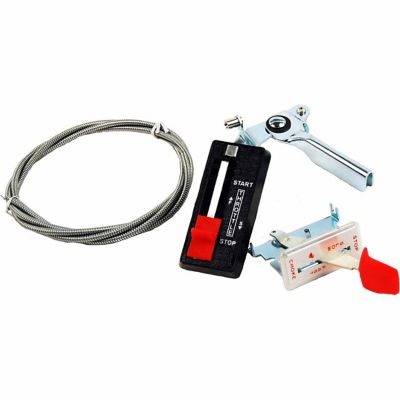
Lawn Mower Control Cables serve separate functions such as throttle or choke operation on applicable machines and are not substitutes for electrical starting parts. Keeping those systems distinct makes it easier to match each replacement to the problem at hand. For a homeowner maintaining a familiar lawn tractor or a repair shop handling several mower layouts, the right starter solenoid comes down to verified compatibility, sound connections, and construction suited to the specified starting circuit. Those details support proper cranking without forcing a part that merely looks close into a machine it was never meant to fit.