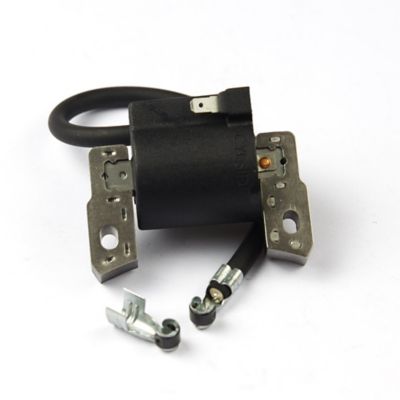
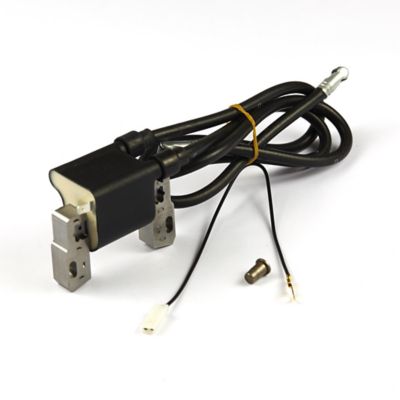
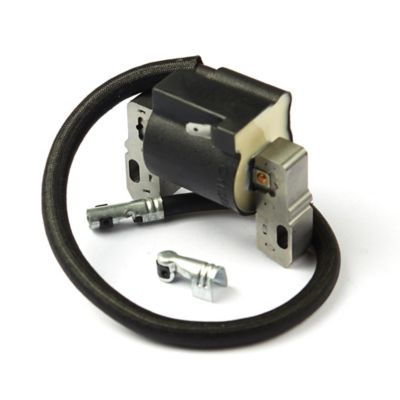
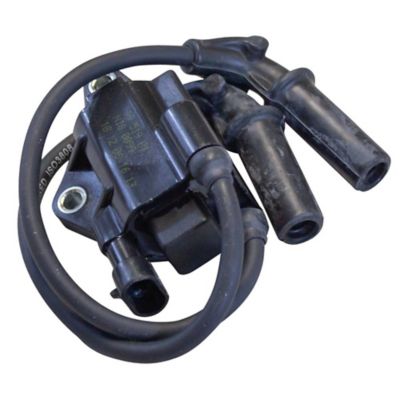
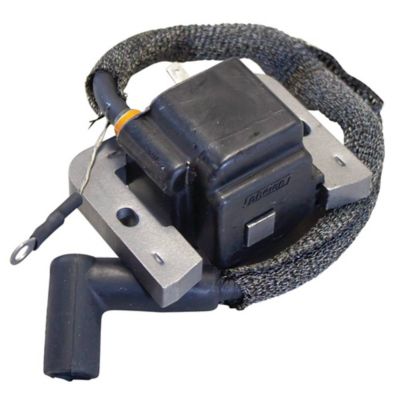
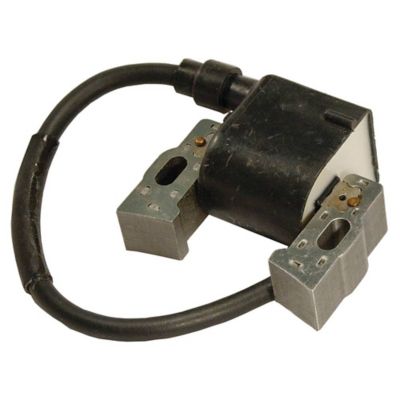
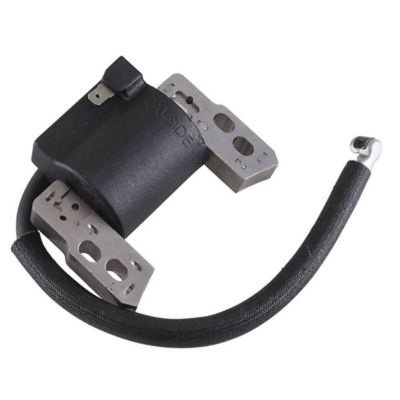
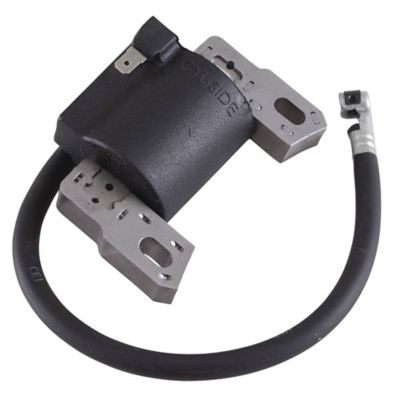
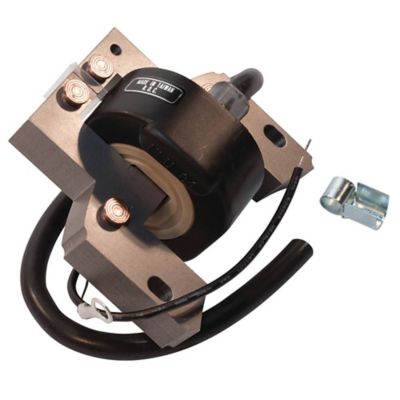
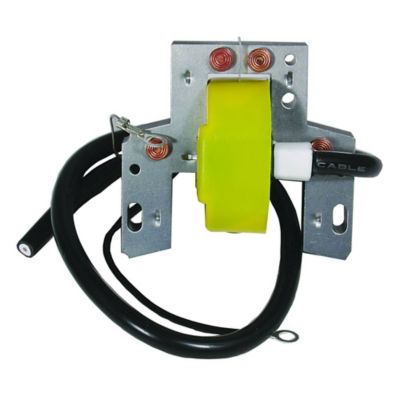
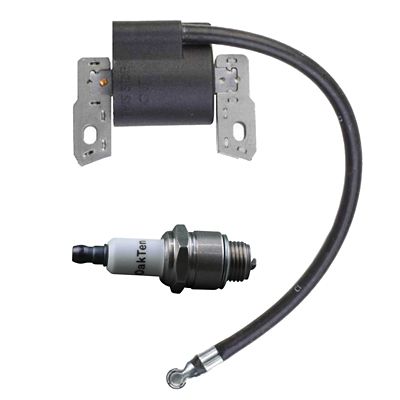
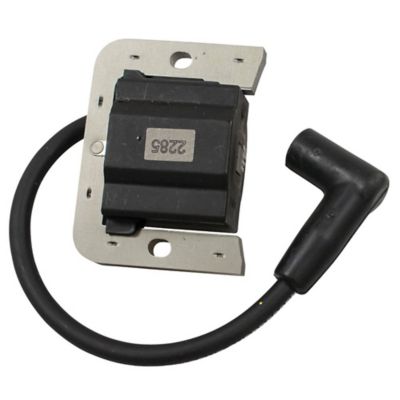
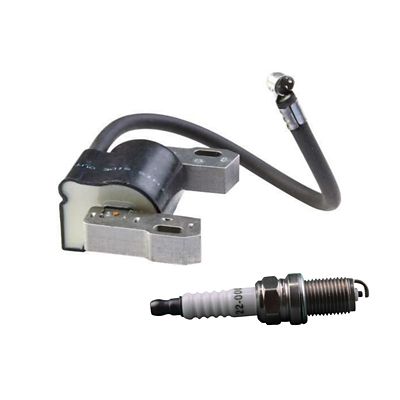
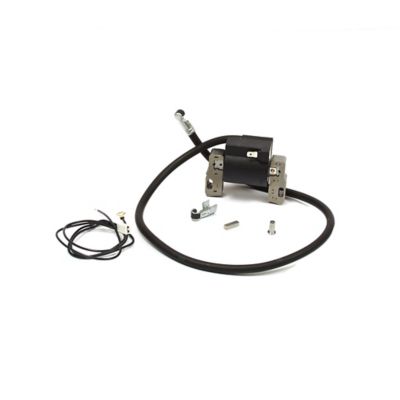
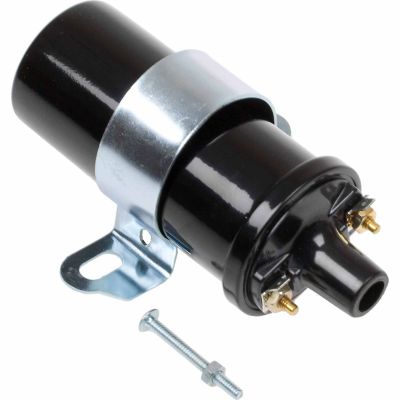
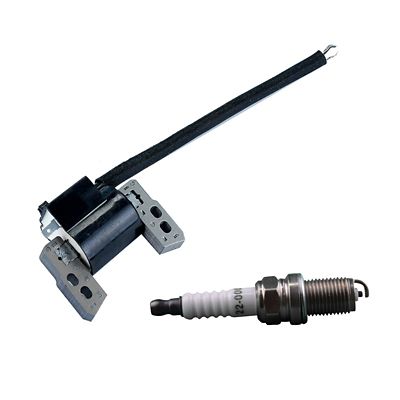
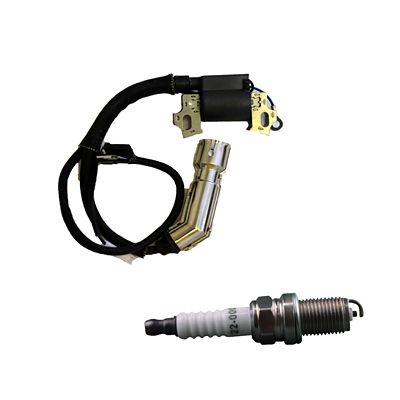
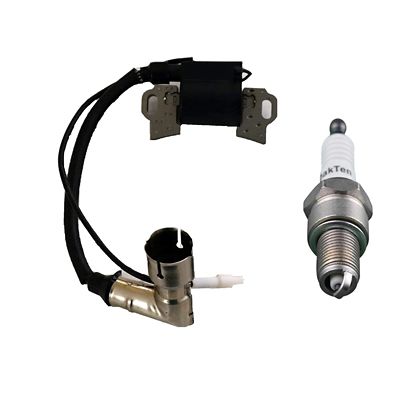
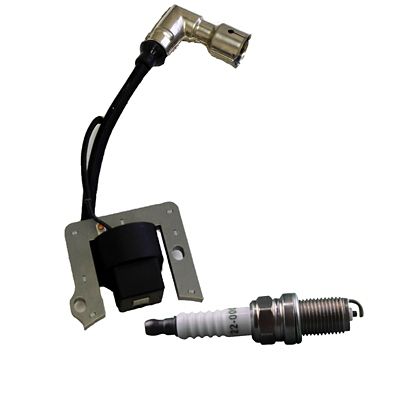
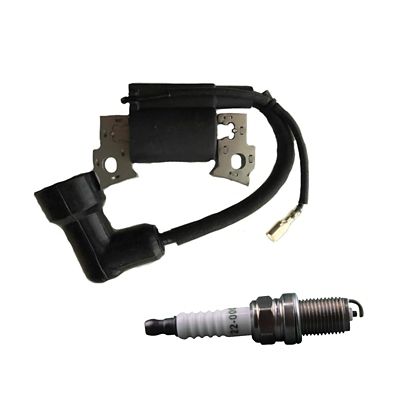
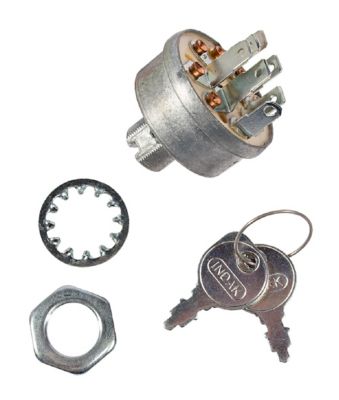
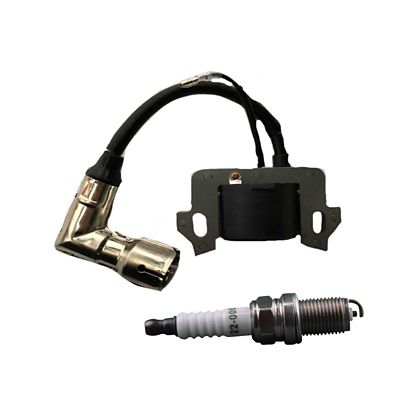
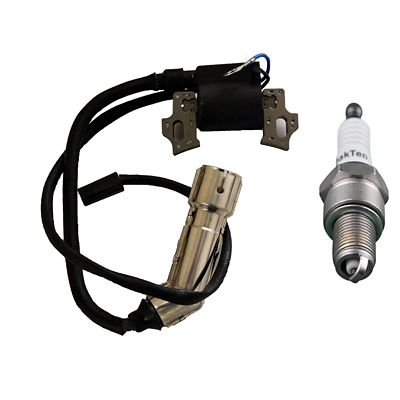
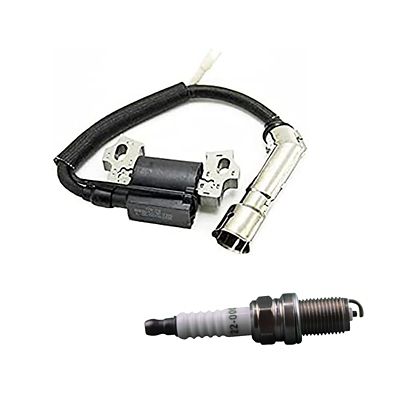
Ignition coils for lawn mowers provide the high-voltage electrical charge that creates a spark at the spark plug, helping the engine start and continue running. On many small engines, the coil sits beside the flywheel and works with the flywheel magnet as the blade and crankshaft turn. If that electrical pulse is weak or missing, the mower may crank normally without starting, stumble while cutting, or stop unexpectedly in the middle of the yard. A failed coil is one possible cause of a no-spark condition, along with a worn spark plug, damaged plug wire, faulty ignition switch, loose connection, or a safety interlock problem. Before choosing a replacement, identify the engine model and specification number from the mower or engine label, then compare the replacement coil’s mounting points, wire connection, and overall shape with the part being removed. Small differences in fit can affect flywheel clearance, and an incorrect coil may not work properly even if it appears close in size. It also helps to inspect the spark plug and plug wire while the mower is apart. A cracked boot, rubbed-through wire, corroded terminal, or oil-fouled plug can make a good ignition coil look faulty. For a mower that has been sitting through damp weather, check for rust or moisture around the coil, flywheel magnets, and electrical connections before installing anything.
A basic spark test can help narrow down the problem. With the engine shut off and the spark plug removed, reconnect the plug wire to the plug and hold the threaded metal portion of the plug firmly against a clean, unpainted part of the engine, keeping hands and tools away from the electrode. Turn the engine over according to the mower manufacturer’s instructions and look for a strong blue or blue-white spark. No visible spark points to an ignition or electrical issue, though a spark that is faint, yellow, or inconsistent may also indicate trouble. Use caution around gasoline vapors, and never test ignition components near spilled fuel or an open flame. If the engine starts easily when cool but dies after the mower has been working for a while, heat-related coil failure is worth considering. Internal windings can break down as the coil warms, causing the engine to shut off; after it cools, the mower may start again and repeat the cycle. Rough running, intermittent misfires, reduced power under load, and hard starting can also be signs of an ignition problem, but they may come from fuel delivery or airflow issues instead. A restricted air filter, stale fuel, plugged fuel passage, or worn
Lawn Mower Carburetors can produce similar symptoms, so checking the whole starting and fuel system helps avoid replacing a part that is still serviceable.
When installing an ignition coil, disconnect the spark plug wire and follow the engine maker’s safety directions before removing the old part. Clean grass, dust, and rust from the mounting area, since debris can keep the coil from sitting squarely against the engine. The air gap between the coil and flywheel is important: too much space can weaken the magnetic signal, while too little space may allow contact as the flywheel turns. Many mower engines use a feeler gauge or a thin card to set this gap, but the correct measurement varies by engine, so check the service information for the exact specification rather than guessing. Rotate the flywheel so its magnet is beside the coil, loosen the mounting screws, position the replacement, set the required clearance, and tighten the screws evenly. Make sure the wire is routed away from the flywheel and hot exhaust parts, then reconnect the spark plug wire and test the mower outdoors in a clear area. These replacement parts are useful for homeowners who keep a mower running through heavy grass, property managers caring for several lawns, and anyone maintaining an older machine instead of replacing it outright. They can also make a practical gift for a neighbor, family member, or weekend equipment tinkerer who keeps a shed stocked with common mower repair parts. Keeping the right ignition coil on hand can save a trip into town when the grass is tall, the ground is drying after a shower, or cooler weather has arrived and a reliable mower is still needed for leaves and late-season cleanup. Choose fit and engine compatibility first, and look for a well-made replacement that matches the mower’s electrical setup so the engine can deliver a dependable spark from the first pull or turn.