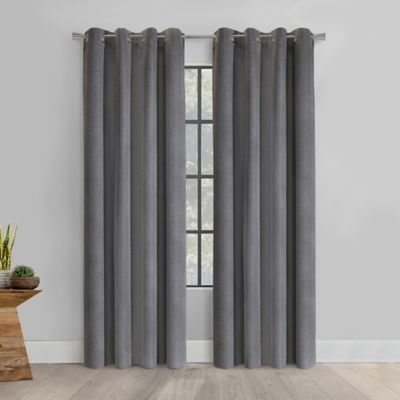
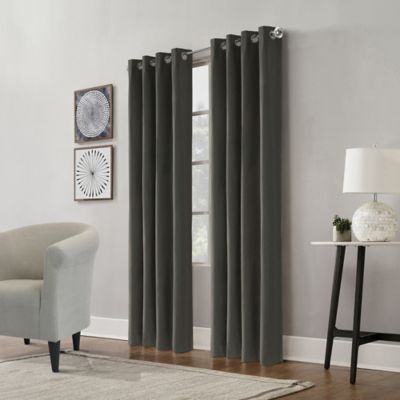
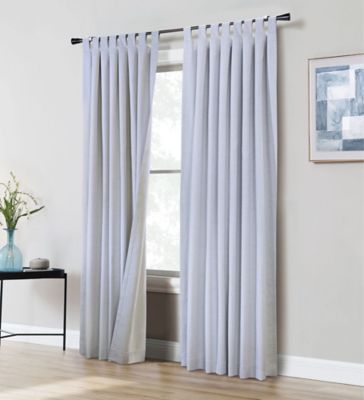
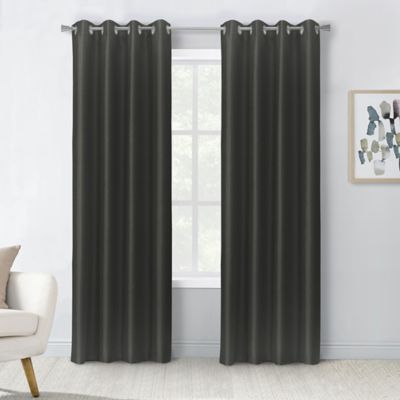
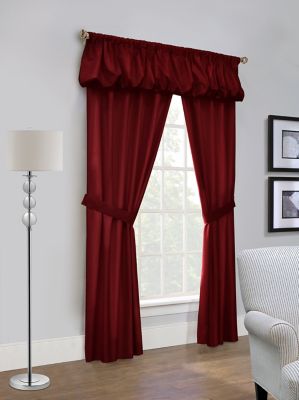
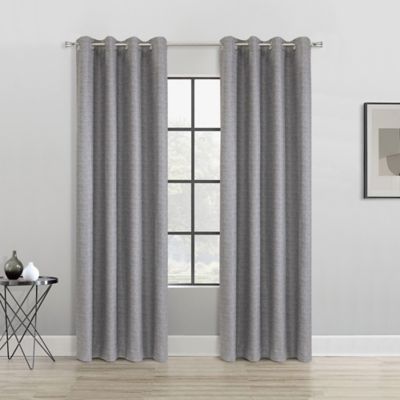
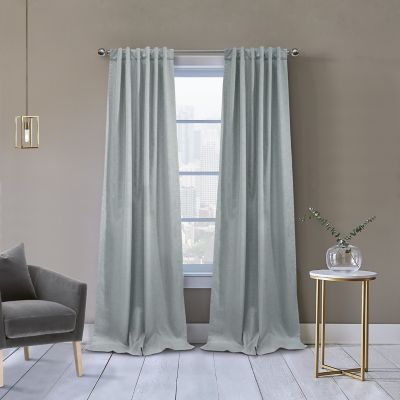
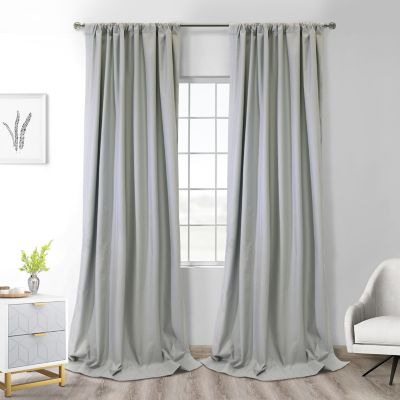
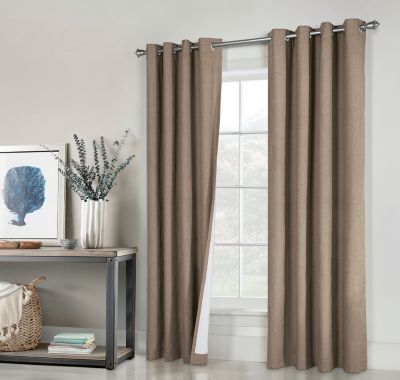
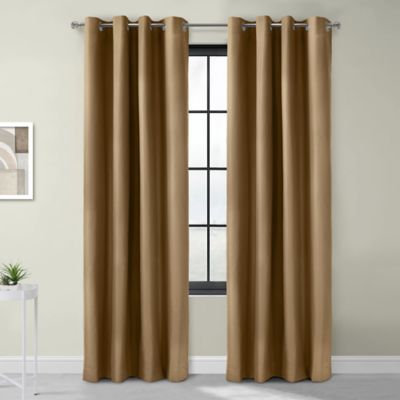
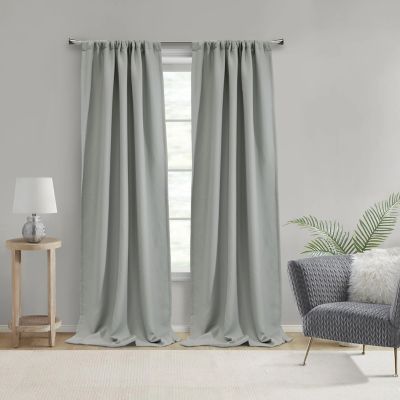
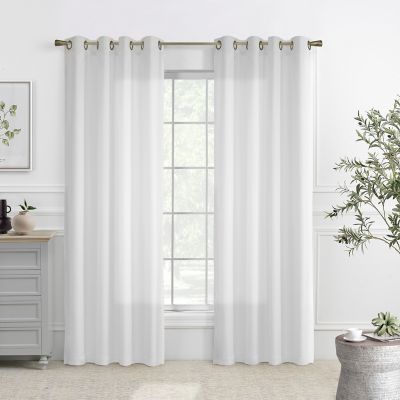
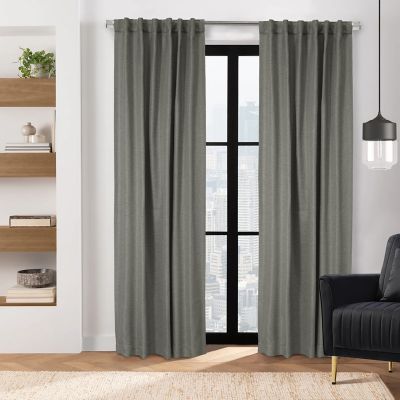
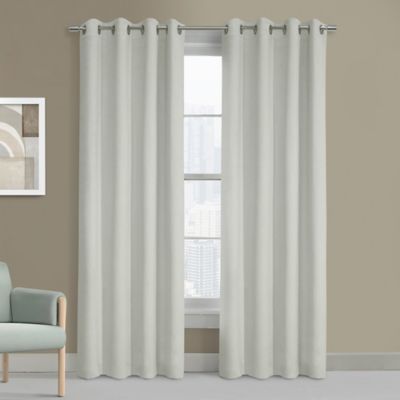
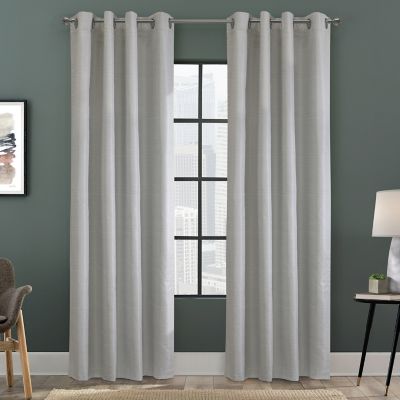
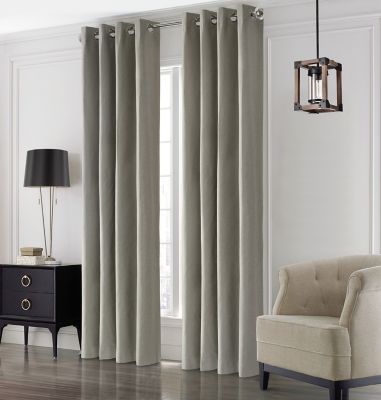
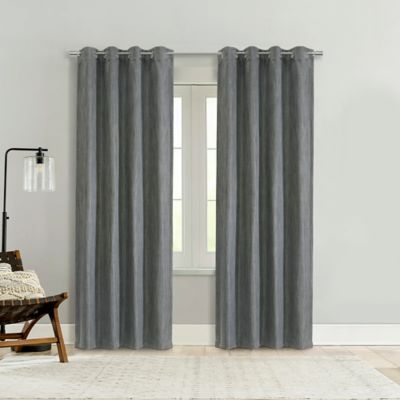
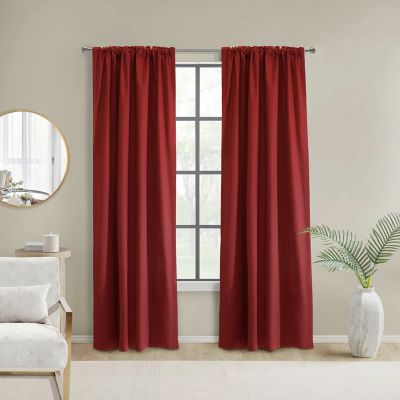
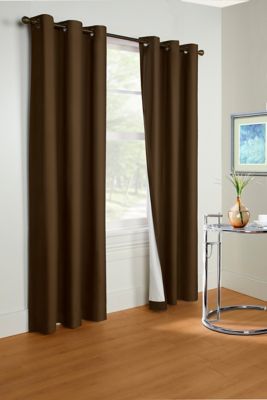
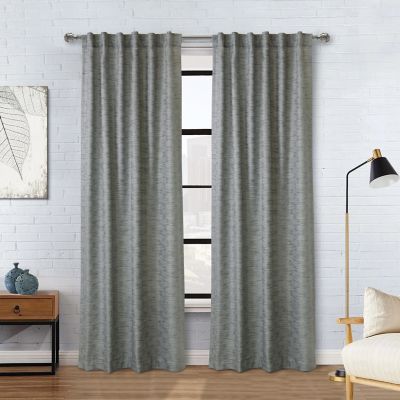
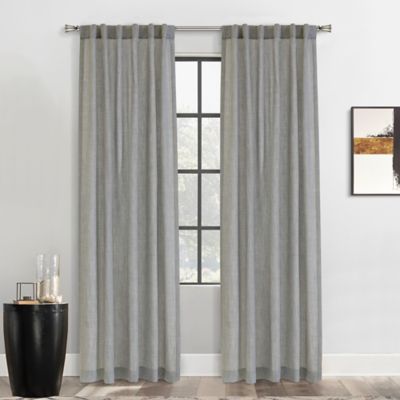
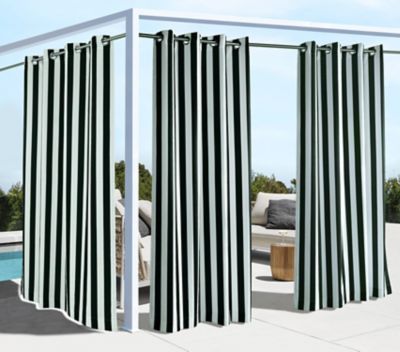
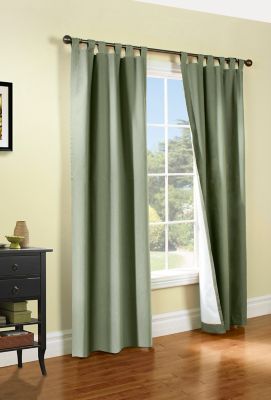
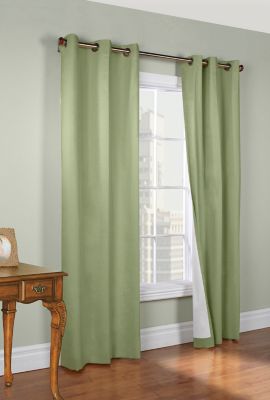
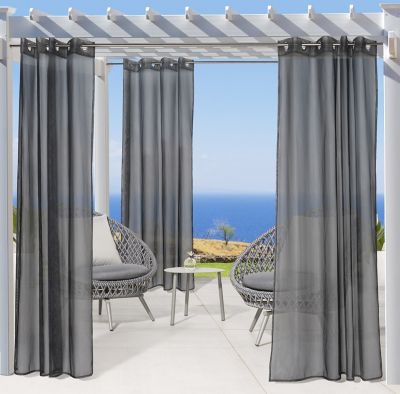
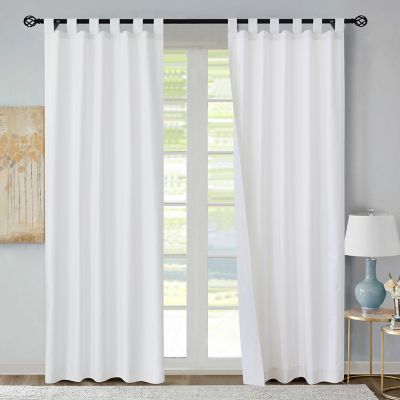
Large window blackout curtains bring light control and privacy to rooms where a wide stretch of glass makes ordinary window coverings fall short. A picture window in the living room, a broad bedroom window facing a porch light, or a row of windows beside the television can all call for more coverage than a narrow curtain provides. Blackout fabric is designed to block light passing through the material, while the amount of darkness in the room also depends on the curtain’s width, length, lining, and fit around the edges. Even a light-blocking panel can let a bright stripe show beneath the hem or between two panels that barely meet. That distinction matters for night-shift workers sleeping during daylight, little ones settling down for a nap, and anyone who likes a darker bedroom without covering the glass permanently. In a family room, these curtains can cut glare across a television screen; in a home office, they can make a monitor easier to see when sunlight hits the desk. They also offer a practical way to cover a window facing a driveway, nearby house, or busy stretch of road. Blackout and room-darkening curtains are not always interchangeable: room-darkening fabric reduces incoming light but may still allow a noticeable glow, while blackout construction is intended to stop light through the fabric itself. Performance claims on the packaging help distinguish the two. Dark colors are not a requirement, either. A light-colored curtain with a suitable backing or layered construction can block light without making the room look heavy. For a farmhouse bedroom, a quiet guest room, or a den where the family gathers after chores, the appeal is straightforward: curtains that draw shut when privacy matters and pull back when an open view is welcome. Their broad fabric folds also soften the look of a large window, giving the room a finished feel without much fuss.
Fit makes a real difference with large window blackout curtains, especially when a window spans most of a wall. A common starting point for fullness is a combined flat panel width of roughly 1.5 to 3 times the width being covered. When the rod extends beyond the window frame, its covered span is the better reference than the glass width alone. For example, a 100-inch rod span generally calls for about 150 to 300 inches of total flat curtain width, depending on the heading style, fabric weight, and desired folds. Manufacturer sizing instructions take priority, since some headings have their own fullness requirements. Curtains stretched nearly flat across a wide opening may meet in the middle but leave little allowance for overlap or coverage at the sides. Panel count also deserves attention: a listed width may describe one panel rather than an entire pair, and a package may contain only one curtain. For layouts that call for separate panels,
Single Panel Blackout Curtains offer another way to think through coverage across the opening. Two panels are common, but a particularly wide window may need more, with extra meeting points that can admit light unless the fabric overlaps. Length depends on the hanging style and the distance from the actual attachment point to the intended hem position. Floor-length curtains give broad windows a continuous appearance, while curtains ending below the sill may suit spaces with furniture underneath. A rod extending several inches past each side of the frame provides room for side coverage and lets open curtains rest farther from the glass. Wraparound rods can bring the outer edges closer to the wall, helping limit those narrow streaks of light. Above the window, enough fabric coverage can reduce light spilling over the top. A clear path for the hem matters, too, with fabric kept away from heaters, vents, and places where it might catch under a chair or door.
Materials and construction shape how large blackout curtain panels hang, feel, and hold up to everyday opening and closing. Polyester and polyester blends are common because they can provide a smooth drape and manageable care, while textured weaves offer the appearance of linen or other natural fibers. Some blackout curtains rely on densely woven layers; others have a separate lining or applied backing that blocks light. Those differences affect the weight of the panel, the feel of the fabric, and the cleaning methods it can tolerate. A substantial curtain may hang neatly across a broad opening, but its rod, brackets, and wall fasteners need to support the full fabric weight. Long rods may require center supports, and the placement of those supports affects how far the curtains can travel. Grommet headings form broad, even folds and generally slide directly along a compatible rod. Rod pockets create a gathered appearance but may take more effort to move across a wide span, while back tabs or curtains hung from rings offer other looks and handling options. In a bedroom where the curtains close every day, easy movement and a firm attachment matter as much as the color. Reinforced heading areas, sound seams, and neatly finished hems are worth considering when panels will get regular handling. In homes with pets or children, a hem that clears the floor avoids excess fabric dragging through dust or catching underfoot. Care labels are especially important with blackout materials: some curtains allow machine washing, while others call for spot cleaning or professional cleaning. Heat, bleach, and vigorous washing can harm certain linings or backings, so ironing and drying instructions deserve a close look. Broad panels also need enough room in the washer to move freely when machine washing is permitted. Gentle care helps preserve their shape and light-blocking function. Whether the room calls for a plain woven finish, a subtle pattern, or a deeper solid color, the best match balances full coverage, practical care, and fabric that moves comfortably through the day.