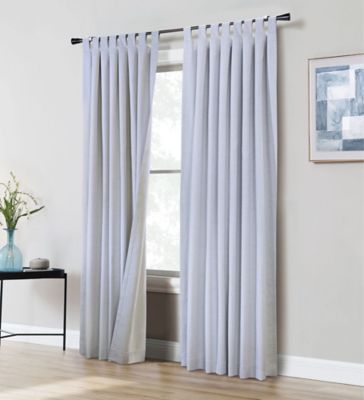
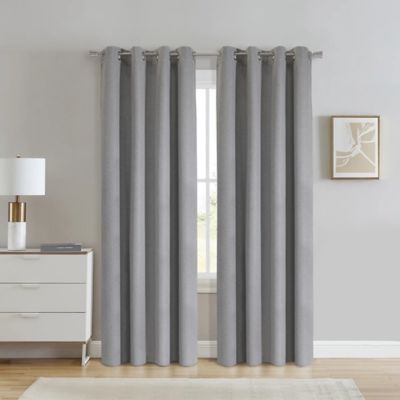
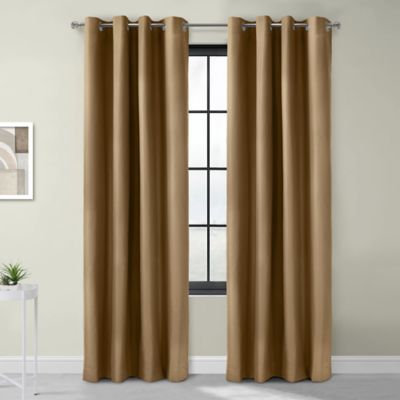
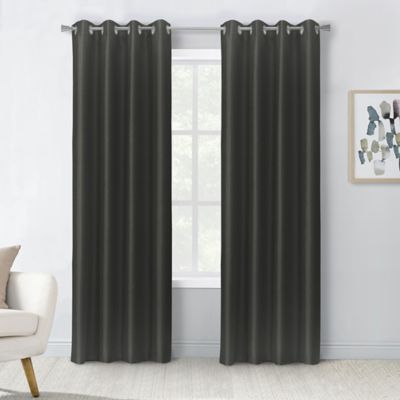
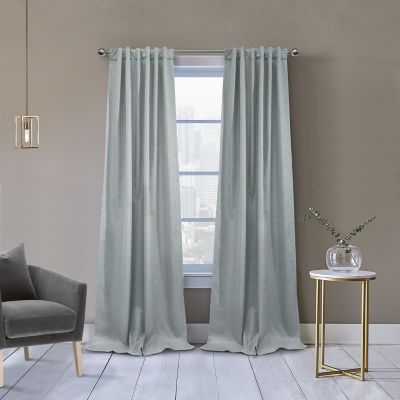
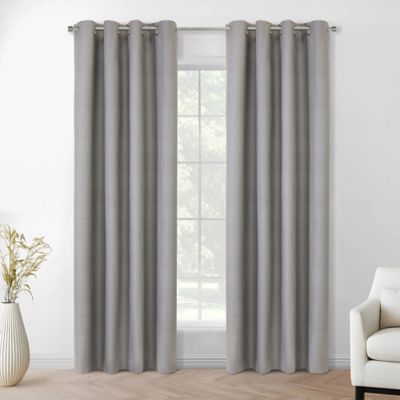
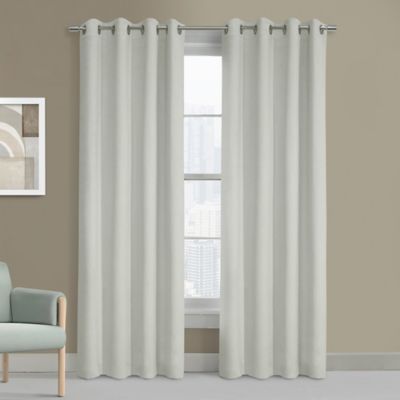
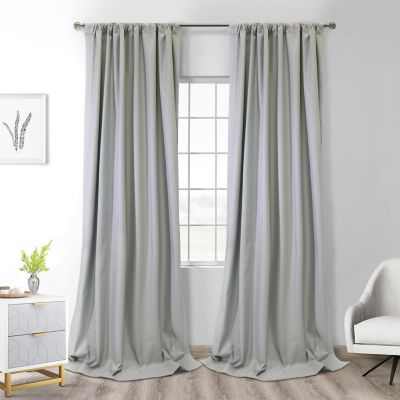
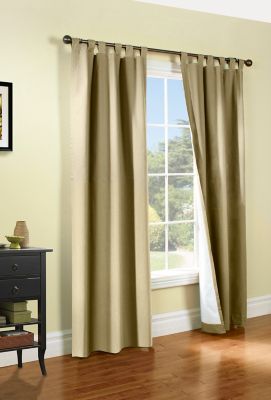
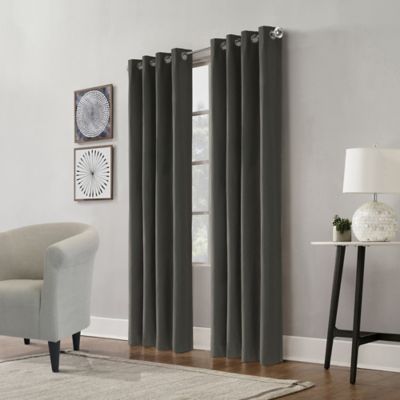
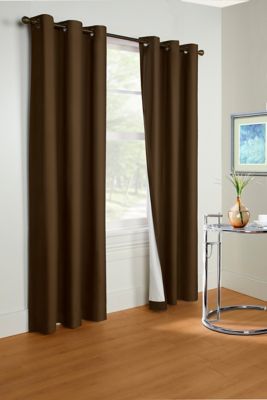
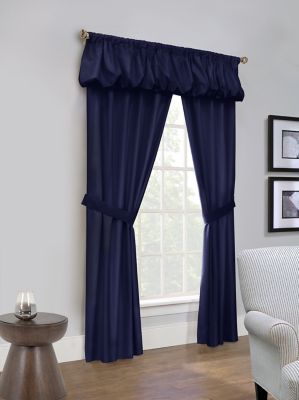
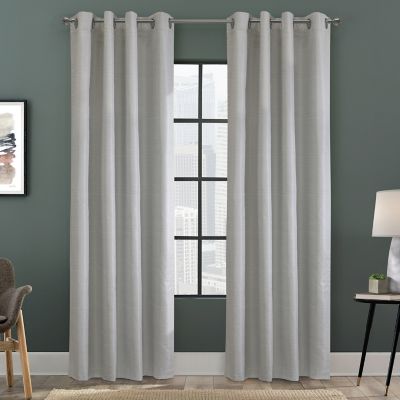
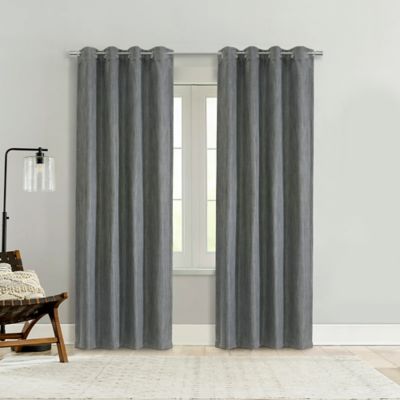
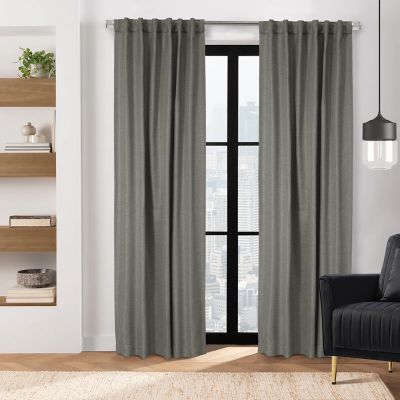
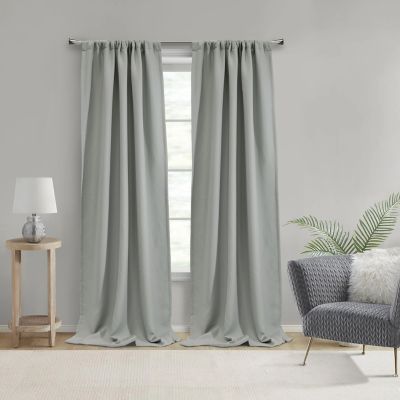
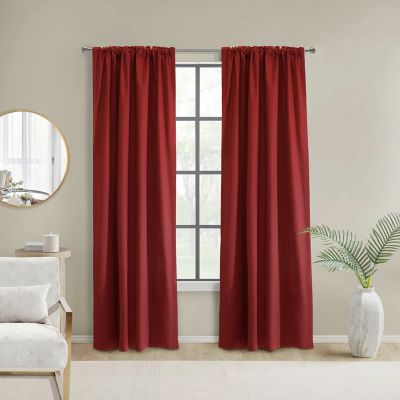
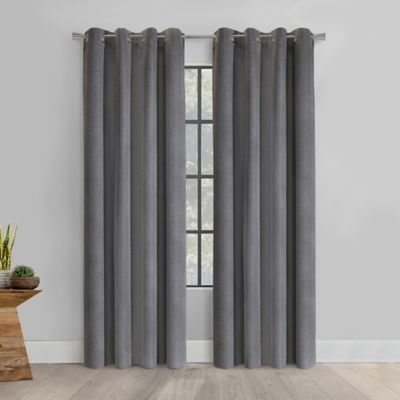
Easy-install blackout curtains are light-blocking window coverings that hang with straightforward mounting options, including existing curtain rods and compatible no-drill supports. Depending on their design, they can help darken a room without new holes in the wall or complicated hardware. That makes them a practical choice for bedrooms, guest rooms, nurseries and other spaces where light needs to stay on the other side of the window. For someone sleeping after an overnight shift, a bright window can make a bedroom feel anything but restful. A porch light shining toward a guest bed or a barn light reaching an upstairs window can be just as bothersome. Blackout fabric helps limit that incoming light, while the mounting style determines how much work goes into getting the curtains hung. Rod-pocket panels slide onto a compatible rod, while grommet-top panels thread through evenly spaced openings. Tab-top styles offer another straightforward arrangement, though each heading needs a rod that fits its openings and supports its weight. An existing rod in good condition may be all the setup requires. Where drilling is off the table, tension rods can fit inside suitable window recesses, and adhesive brackets may work on surfaces approved by their manufacturer. Neither option is a fit for every window. Heavy panels, shallow recesses, textured walls and delicate finishes can limit which supports make sense. The combined weight of the fabric and rod matters, especially when curtains will be opened and closed every day. Adhesive mounting also depends on surface preparation and the stated setting time before weight goes on the brackets. Easy installation is about matching the curtain, support and window—not assuming every panel can hang anywhere. A straightforward setup can be especially handy in a rental home, a spare bedroom that needs a little more privacy or a room where the window trim should stay untouched. The result should be curtains that hang securely, move as intended and put light control within easy reach.
Fit makes a big difference in how well blackout curtains perform once they are hanging. The fabric may block light through the panel itself, but gaps above, below or beside the window can still let brightness into the room. Curtains that extend beyond the glass generally provide better coverage than panels that barely reach its edges. An inside-mounted tension rod keeps the arrangement compact, although the window recess may leave less room for overlap at the sides. A rod positioned outside the frame can allow wider coverage when the mounting arrangement supports it. Wraparound rods can bring the fabric closer to the wall, but their shape still needs to match the curtain heading and the space around the window. Panel width deserves just as much attention as length. Fabric needs enough room to cover the opening with some fullness rather than stretching flat across it, and a pair of panels needs sufficient overlap at the center. Package details matter here: a listed width may describe one panel rather than the combined coverage of a pair. For a narrow window or an arrangement that draws to one side,
Single Panel Blackout Curtains can suit the layout without creating a center opening. Wider windows may call for more fabric and additional rod support, depending on the hardware’s stated limits. Length also affects everyday convenience. A panel that clears the floor is less likely to drag through dust, catch under a chair leg or get stepped on during a middle-of-the-night trip across the room. Nearby dressers, window cranks and deep sills can affect how freely the fabric hangs. When curtains are open, the gathered material needs space beside the glass if the goal is to let daylight back in. These details help a room work for both daytime routines and nighttime rest, whether that means keeping a nursery dim for a nap or opening a bedroom window covering before heading out to morning chores.
Fabric construction determines much of the feel, weight and care involved with easy-install blackout curtains. Some panels rely on a dense weave, while others combine a face fabric with a separate lining or a light-blocking backing. Polyester is a common material because it can offer a smooth drape and manageable care, though the fiber content alone does not establish how much light a curtain blocks. A pale face fabric can still provide blackout performance when its construction includes an effective light barrier; a dark color by itself does not guarantee the same result. The stated light-blocking performance, lining details and panel weight give a clearer picture than color alone. A heavier panel may hang with deeper folds, while a lighter one can be easier to handle during installation and laundering. Neither should exceed the support system’s weight rating. For rooms with children or pets, secure hardware and fabric kept clear of climbing furniture help make the arrangement more sensible, and any cords on nearby window coverings need attention as well. Care requirements are worth considering before curtains become part of the daily routine. Machine-washable panels can simplify upkeep in a busy household, but some lined or backed fabrics call for spot cleaning or another specified method. Washing temperature, drying instructions and ironing limits vary, and excessive heat can harm certain backings. Regular gentle dust removal can reduce buildup between cleanings, particularly near open windows or in rooms shared with pets. Repeated tugging puts stress on seams, grommets and rod pockets, so a heading that moves freely on its rod supports everyday wear. Color and texture can be practical choices, too: a simple solid can sit comfortably alongside wood furniture and patterned bedding, while a subtle woven surface adds interest without making the window the room’s main feature. Well-matched fabric, dimensions and mounting hardware keep the focus on what these curtains are meant to do—provide privacy, limit unwanted light and open again without a fuss.