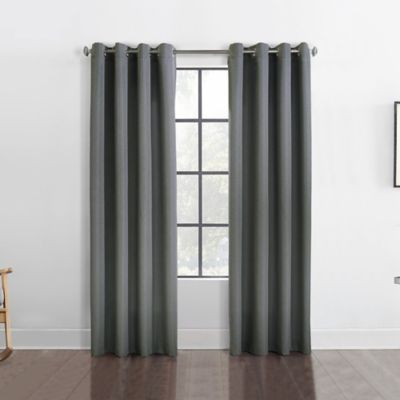
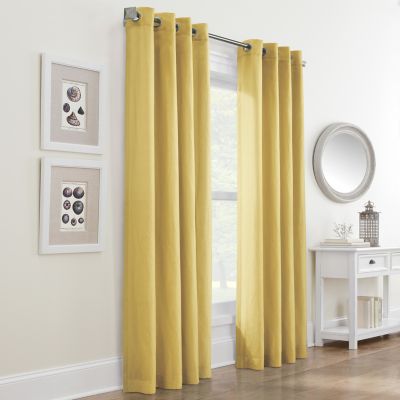
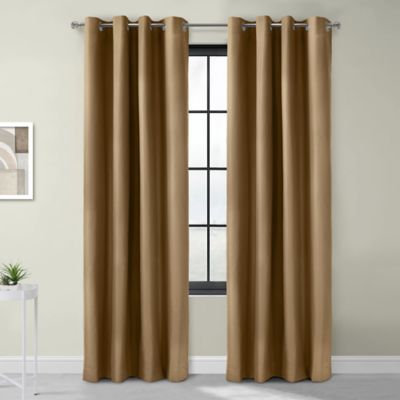
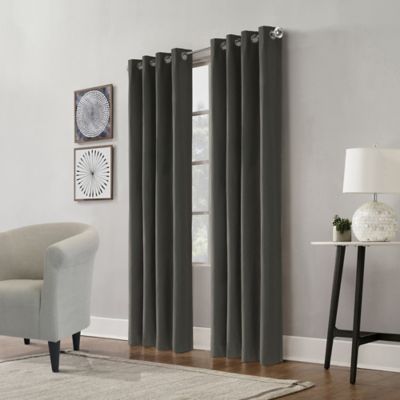
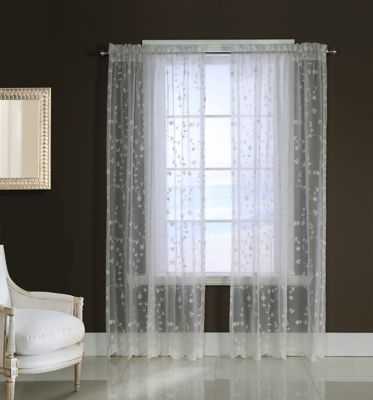
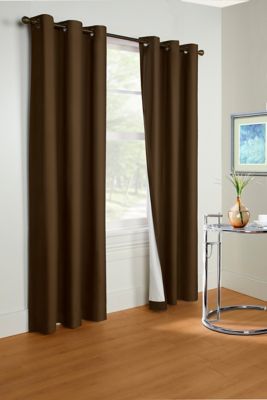
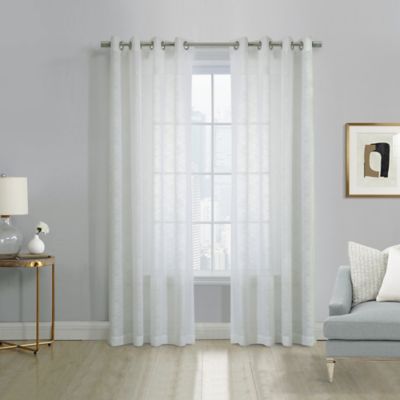
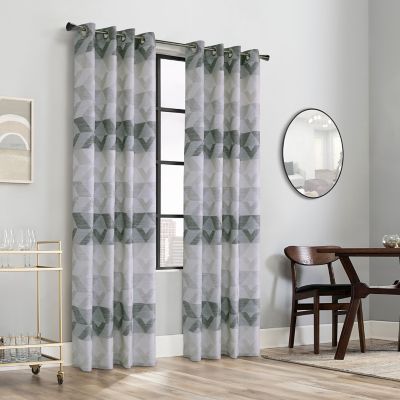
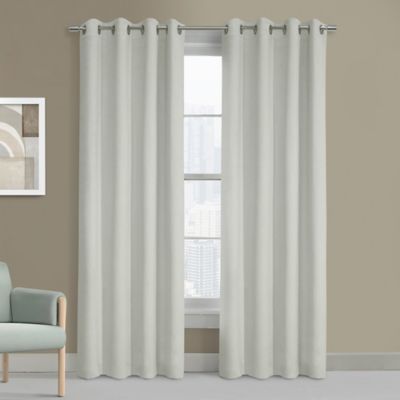
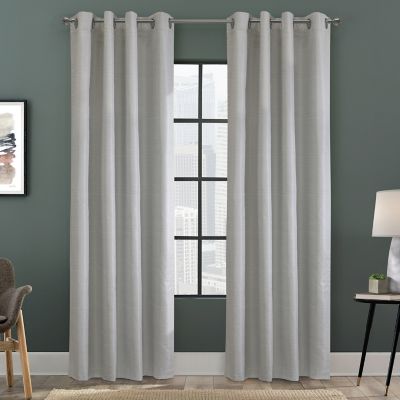
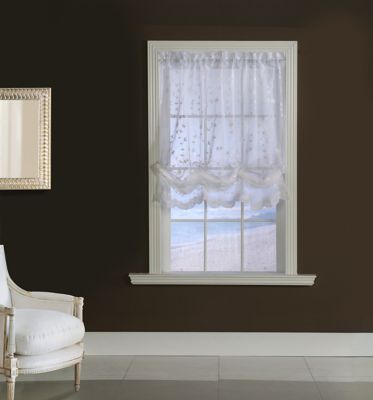
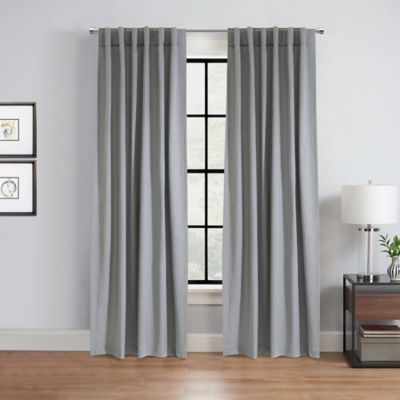
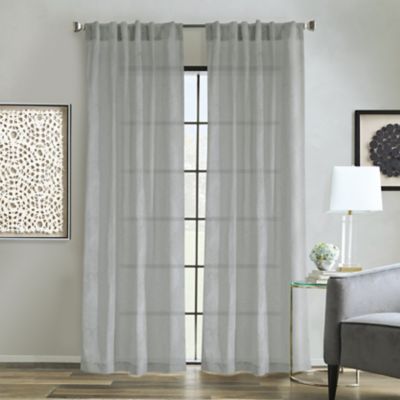
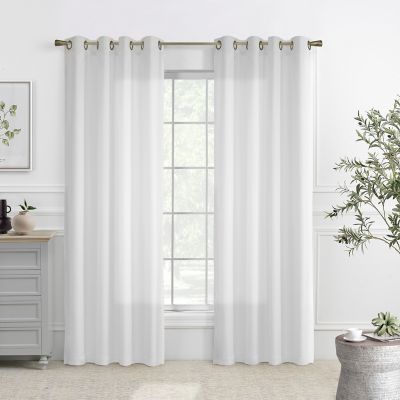
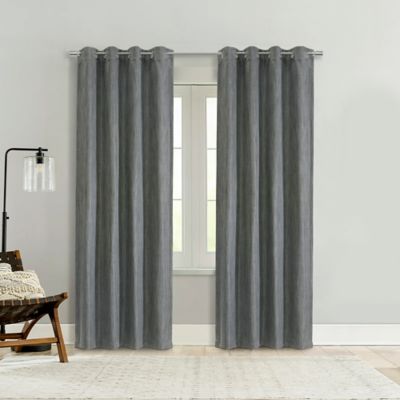
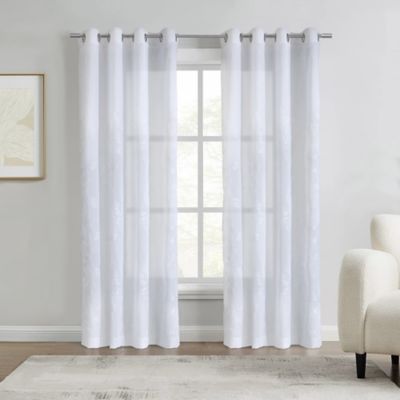
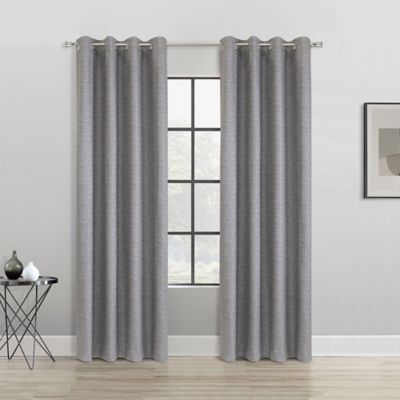
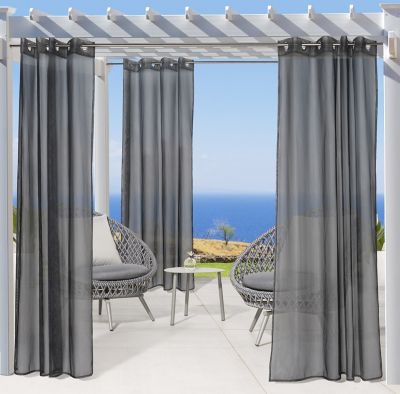
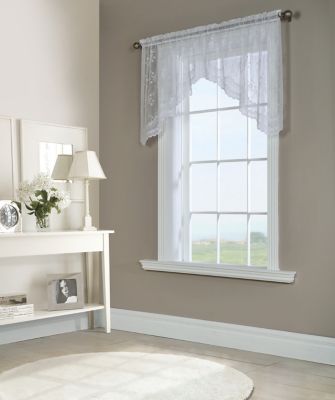
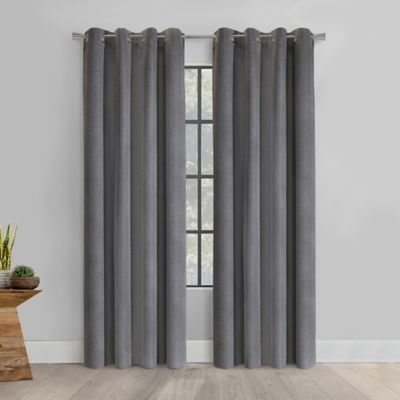
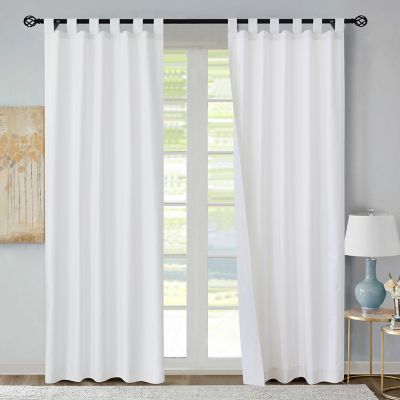
Single panel window curtains cover a window with one length of fabric rather than two panels that meet in the middle. The panel generally draws to one side, giving the window an off-center arrangement when open and a continuous stretch of fabric when closed. That makes this style a good fit for narrow windows, smaller rooms, and layouts where furniture leaves more space on one side of the window than the other. A single panel does not have to cover only half a window; with enough width, it can cover the entire opening and still hang in soft folds. Compared with a pair of curtains, one panel gathers all the fabric at one end of the rod, so the space beside the window matters just as much as the window itself. Picture a reading chair beside a living room window or a kitchen table tucked against the wall: drawing the curtain away from that busy corner can keep the room feeling less crowded. Fabric makes a difference in how the panel hangs and how much light passes through it. Cotton often has a soft, familiar feel that suits bedrooms and everyday living spaces. Linen brings visible texture and a relaxed drape, though some wrinkling is part of its character. Polyester and blended fabrics can offer easier care and resistance to wrinkling, depending on their construction and finish. Sheer fabrics soften the view without blocking much daylight, while tightly woven or lined panels provide more coverage. Solid colors let wood trim, quilts, and patterned upholstery stand out. Checks, stripes, and other prints can give a plain room more character without adding another piece of furniture. For a farmhouse kitchen, a guest room over the garage, or a small home office, the right single curtain panel comes down to how the room works as much as how it looks.
Getting the fit right starts with the curtain rod and the way the panel needs to move. Measure the width you want covered, including any space beyond the window frame, rather than relying on the glass measurement alone. For many curtain styles, a panel about one and a half to two times that width gives the fabric room to form folds when closed. That is a starting point, not a rule for every fabric or heading; thicker material, pleated styles, and manufacturer recommendations can call for a different amount of fullness. A panel stretched flat across the rod may cover the opening but will have a different look from one with generous gathers. Check whether the listed width refers to one panel, and confirm the package panel count so the coverage matches the plan. Length needs the same attention. Measure from the point where the fabric will actually hang, which varies with rod pockets, grommets, tabs, rings, and hooks. Sill-length curtains can suit a window above a bench or in a tight work area, while floor-length panels create a longer line in living rooms and bedrooms. In a busy household, keeping the hem just clear of the floor helps it stay out of foot traffic and away from pet hair. Curtains near a kitchen work surface need clearance from water, cooking equipment, and open flames. Rod-pocket panels slide directly onto the rod and form gathered folds, although they may take more effort to draw across than panels hung from rings. Grommet tops create broader folds, while back tabs keep much of the rod hidden behind the fabric. Match the heading to the rod diameter, and make sure the rod and brackets can support the panel, especially if it has a substantial lining. Leave room at the opening side for the gathered fabric so it does not block more of the window than intended. Also check that the panel clears handles, locks, and nearby doors without catching.
Light control and privacy help narrow the choices for single panel window curtains. A sheer panel can take the edge off bright daylight in a sitting room, but it generally offers limited privacy when indoor lights are on and it is dark outside. Light-filtering fabric lets some daylight through while softening the view; the amount of privacy depends on the weave, color, and lighting on either side of the window. Room-darkening panels reduce incoming light, while blackout construction is intended to block light through the fabric itself. Even with blackout fabric, gaps along the top, sides, and bottom can let light into the room, so coverage and placement still matter. That distinction is worth keeping in mind for a nursery, a bedroom facing a porch light, or a shift worker’s sleeping space after morning chores. For broader openings where stronger light control is the main goal,
Large Window Blackout Curtains offer another category to consider alongside the single-panel layout. Everyday upkeep matters, too, especially in rooms where pets nap by the window or dust finds its way in from the gravel drive. Follow the care label rather than assuming every curtain can go into the washer. Some fabrics allow machine washing, while others call for spot cleaning or professional cleaning, and a lining may have different care needs from the face fabric. Gentle vacuuming with a suitable upholstery attachment can help lift loose dust between cleanings. Avoid tugging the fabric to move a stubborn panel, since repeated pulling can strain the top edge, stitching, and mounting hardware. Well-finished hems, secure seams, and reinforced hanging points are useful details for a curtain that opens and closes every day. If a curtain panel is part of a housewarming gift, knowing the recipient’s window measurements, rod style, and privacy needs makes the choice much more practical. The best fit leaves the window easy to operate, gives the room the coverage it needs, and feels at home with the furniture already there.