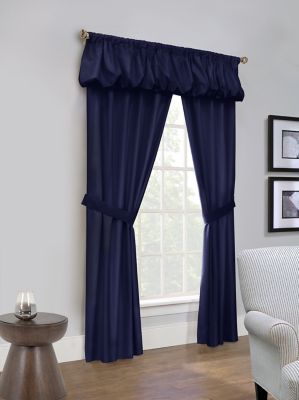
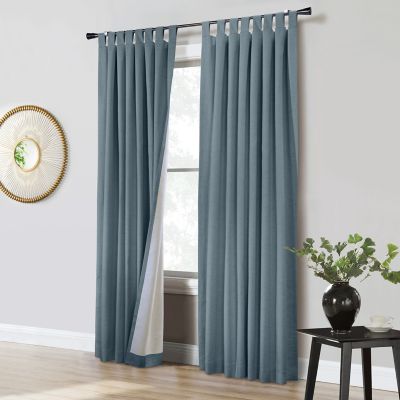
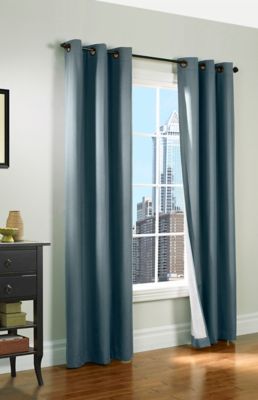
Navy blue blackout curtains are window panels designed to block incoming light while adding a deep blue color to bedrooms, living rooms and other spaces where light control matters. They can help a bedroom feel more settled for daytime sleep, cut distracting glare across a television screen or keep a porch light from shining straight into a guest room. For someone coming home from an overnight shift, a darker room can make a real difference when the rest of the household is getting started. Navy also fits comfortably into a country home without making the room feel overly formal. Against white trim, it creates a crisp outline around the window; beside pine furniture, leather seating or a patchwork quilt, it brings a steady color that ties the room together. Shades can lean toward inky blue, softer denim tones or blue with a slight gray cast, and their appearance can change under different room lighting. Fabric finish matters just as much as color. A smooth face gives the panels a clean, simple look, while a textured weave adds depth without needing a busy pattern. Polyester is common because it generally resists wrinkling and is relatively easy to maintain, though care requirements vary with the backing and construction. Some blackout fabrics incorporate tightly woven layers or dark inner yarns, while others rely on a separate lining or light-blocking coating. A linen-look surface describes the appearance, not necessarily the fiber content, so the material information is worth checking. Navy fabric alone does not guarantee blackout performance. Room-darkening curtains reduce light but may still let a glow pass through, while blackout construction is intended to stop more light at the fabric itself. Even fabric labeled 100% blackout can leave light visible around the edges of the window. The right choice depends on both the panel construction and how well the curtains cover the opening.
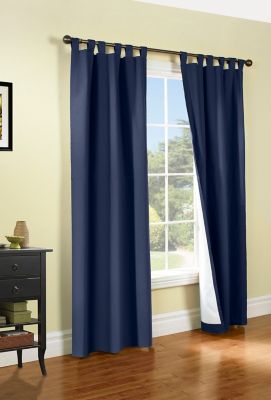
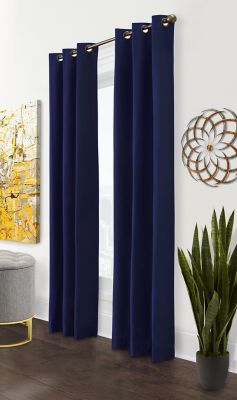
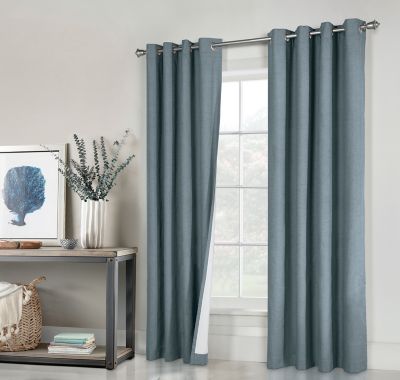
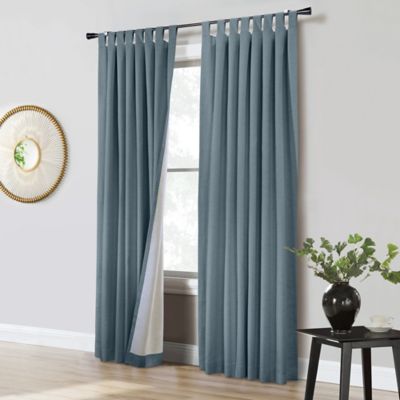
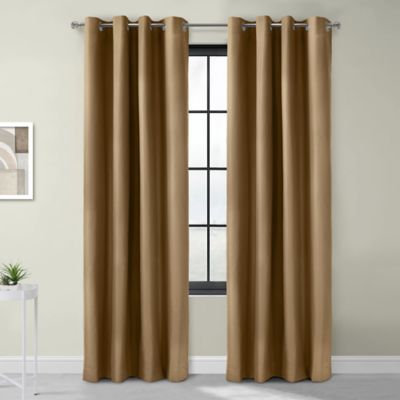
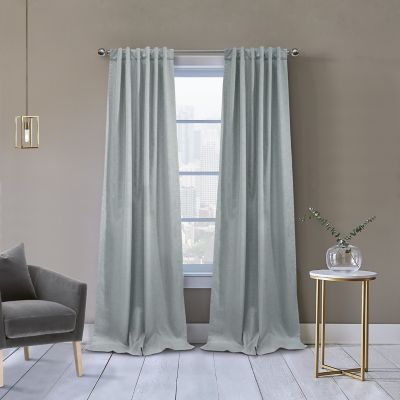
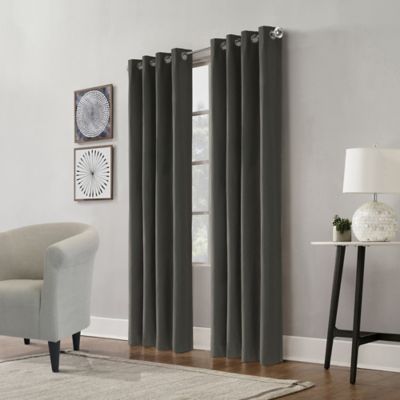
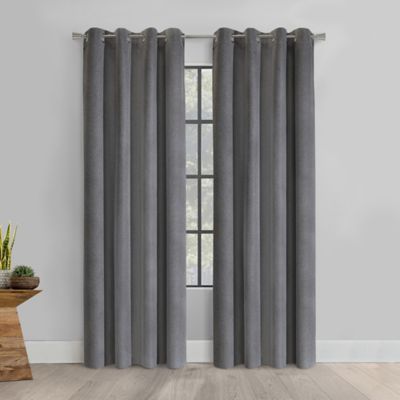
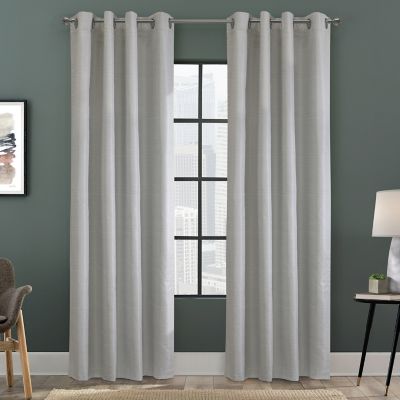
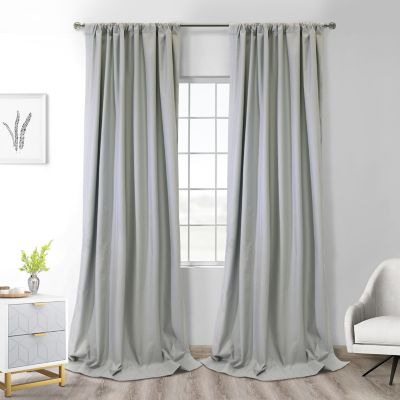
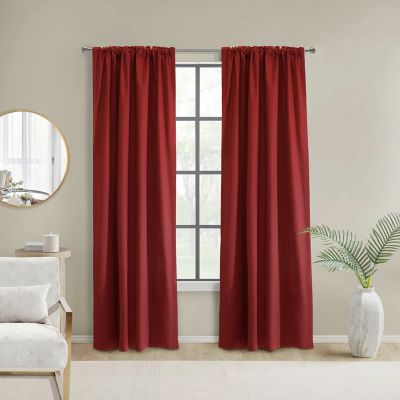
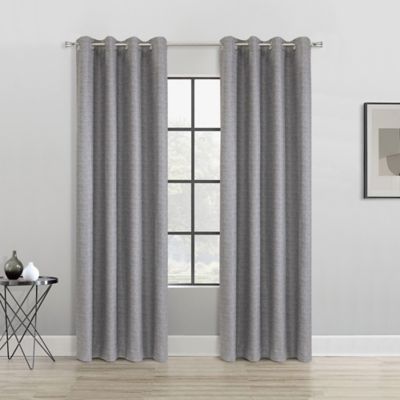
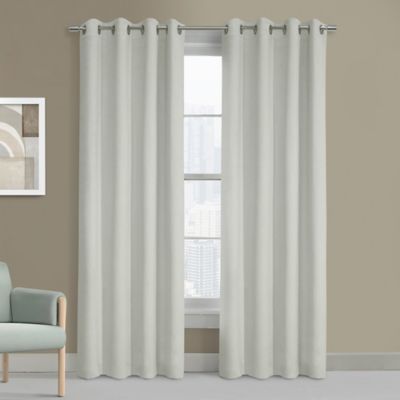
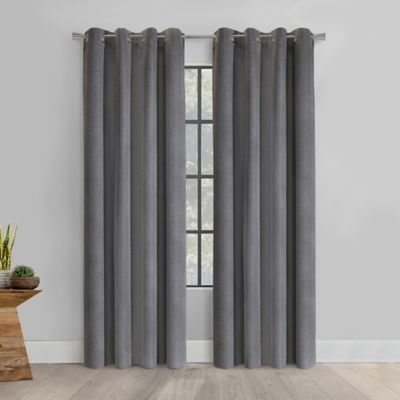
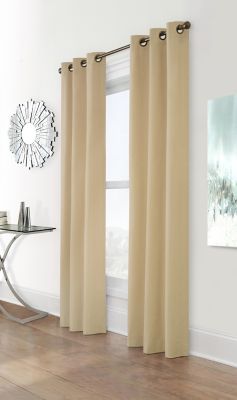
Fit is where navy blue blackout curtains either settle into the room or leave an annoying strip of light beside the bed. Start with the curtain rod and the full area the panels need to cover, rather than relying on the glass dimensions alone. Extending the rod beyond the window frame gives the fabric room to overlap the sides when closed and lets more of the window show when the panels are open. Measure length from the point where the curtain will actually hang, which changes with the header style. Grommet panels slide onto the rod through reinforced openings, rod-pocket panels gather around the rod inside a sewn channel, and back-tab panels hang from loops behind the fabric. Each creates a different top edge and a different amount of gathering. Grommets often move easily for everyday opening and closing, while rod pockets tend to stay more gathered and may take more handling to adjust. Check the rod diameter against the opening or pocket dimensions, and make sure the rod and brackets can support the weight of lined fabric. For many gathered styles, a combined panel width around one and a half to two times the rod span provides fullness, though the recommended measurement can vary by construction. Pulling a narrow panel flat across a broad opening leaves little room for folds or overlap.
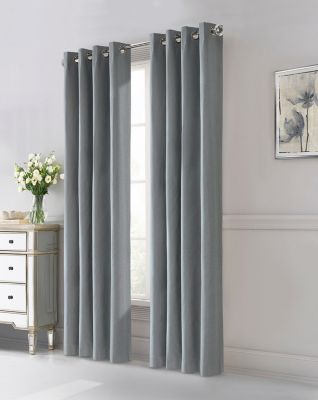
Single Panel Blackout Curtains can work well for a smaller window or an opening where the fabric needs to draw to one side, provided the panel is wide enough for the full span. A pair can create a balanced opening at the center, but the meeting edges should close without being stretched tight. Check whether package measurements describe one panel or the full pair. For an everyday bedroom or family room, panels that finish just above the floor keep the line neat without dragging through dust or catching beneath a vacuum head. Shorter lengths may make more sense where furniture, a bench or another obstruction limits the space beneath the window.
Everyday care deserves a little thought, especially in a house with pets, gravel-road dust or plenty of foot traffic. Navy can hide some marks, but pale lint and pet hair may stand out against its darker surface. A gentle pass with an appropriate upholstery attachment or a soft brush can help keep the fabric looking tidy between cleanings, as long as the care label allows it. Cleaning instructions should always take priority over the fiber name: a polyester face does not automatically mean the entire panel can go into the washing machine. Linings, coatings and attached details may call for a gentler process or professional cleaning. When machine washing is permitted, follow the stated cycle and drying directions, and avoid adding cleaning products that the label advises against. Blot small spots rather than rubbing hard, and test any permitted cleaning method in an inconspicuous area first. Creases from folding may relax after hanging; ironing or steaming should follow the panel’s instructions because direct heat can affect certain backings. Think about the space around the curtains, too. Fabric should stay clear of heaters, fireplaces and other heat sources, and it should not block vents or interfere with a door. In children’s rooms, keep curtain cords and tiebacks out of reach and arrange furniture so little hands cannot easily pull on the panels or hardware. For a shared family room, curtains that slide freely are easier to open for reading and close for movie time. In a bedroom, generous side coverage and a center overlap matter more than an elaborate finish. A shade beneath the panels can provide another layer of light control where the window shape or rod placement leaves gaps. With the measurements, hanging style and care requirements sorted out, navy blackout curtains can bring a straightforward mix of privacy, light control and rich color to the rooms that see everyday life.