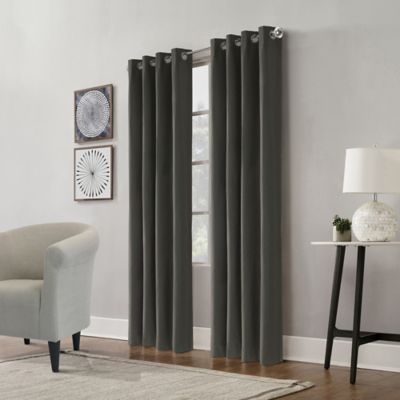
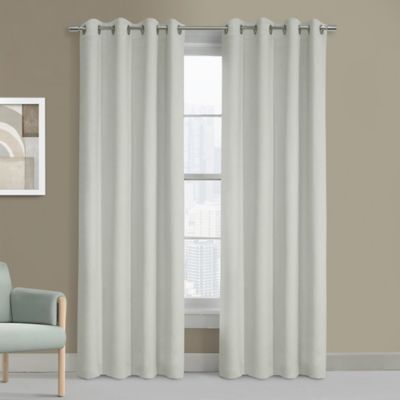
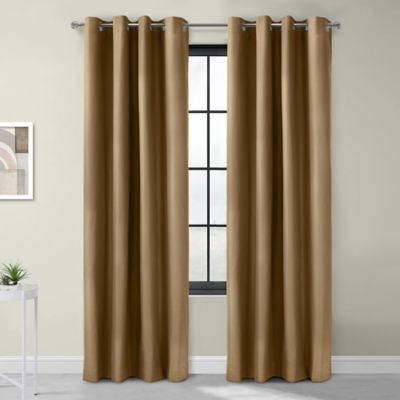
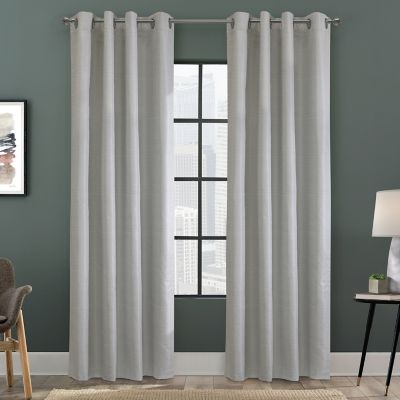
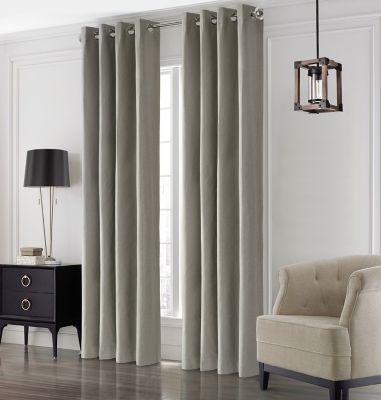
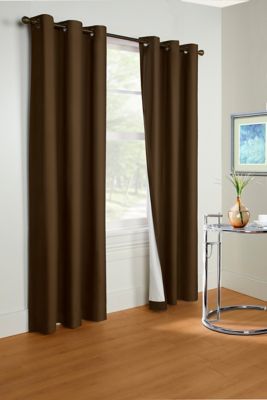
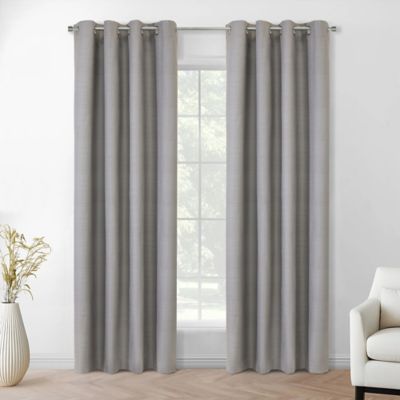
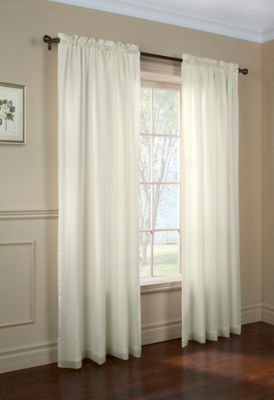
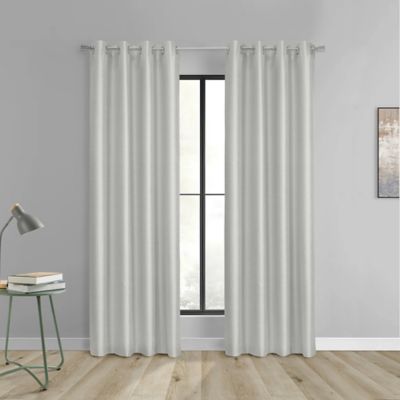
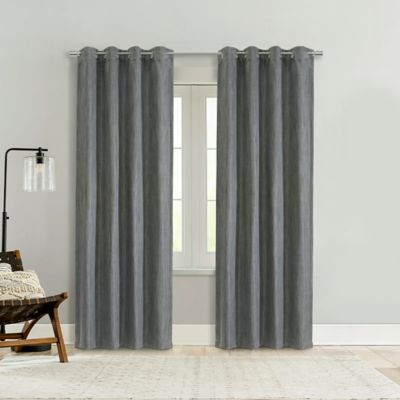
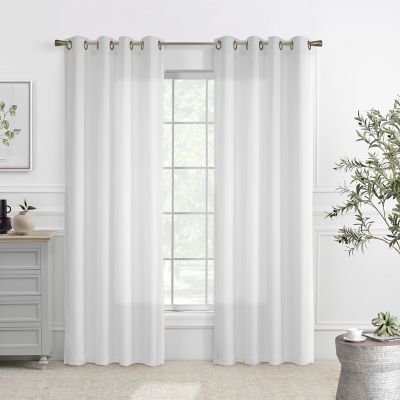
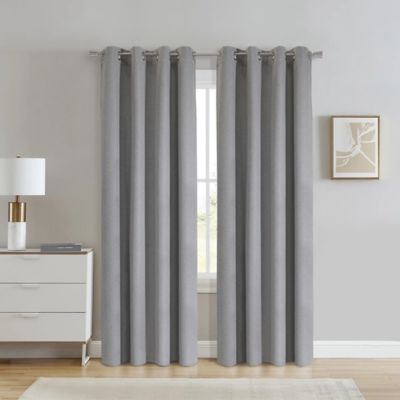
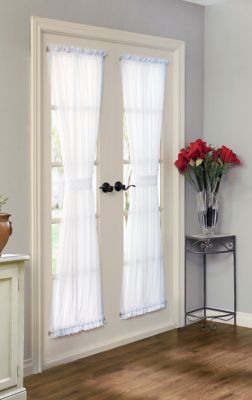
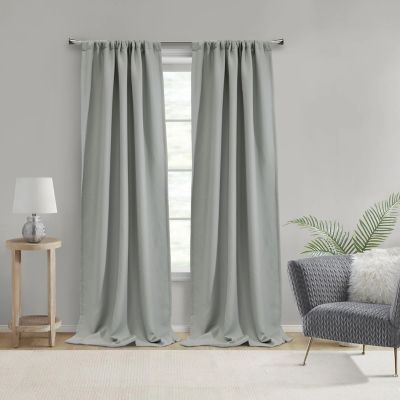
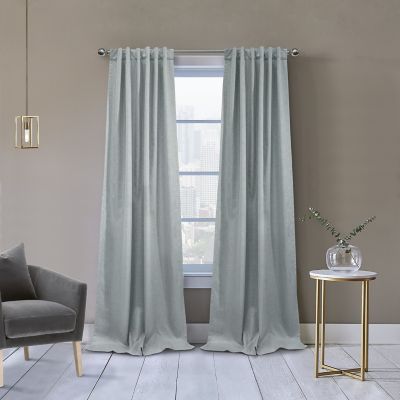
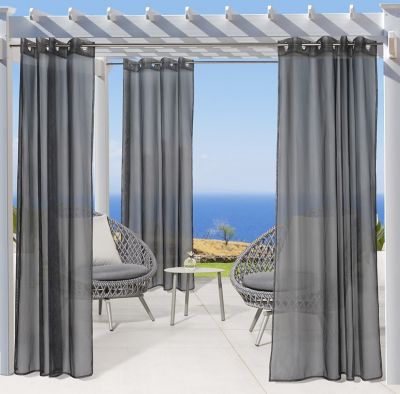
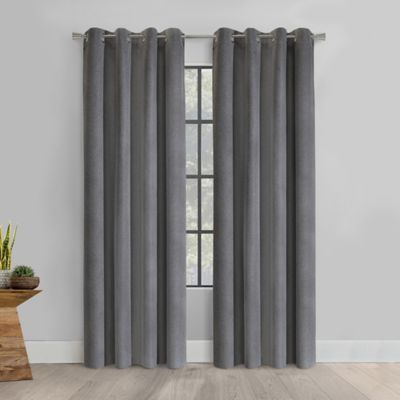
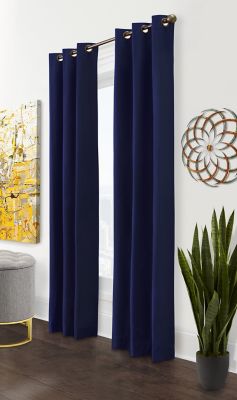
Single panel blackout curtains are a handy way to manage light, privacy, and room comfort without covering more window space than you need. Instead of buying a pair, you get one curtain panel that can hang by itself, making it a practical fit for narrow windows, doors with glass panes, dorm rooms, campers, nursery windows, and bedrooms where the curtain needs to stack neatly on one side. A well-made blackout panel can block nearly all incoming daylight when it is the right size and hung close to the wall, helping soften early-morning sun, bright streetlights, porch lights, and glare from passing vehicles. That darker setting can make it easier to rest during the day, settle a child down for a nap, or enjoy a movie without sunlight washing out the screen. These curtains can also add a little privacy to a room facing a driveway, road, pasture, or nearby house. For the best coverage, measure the window opening from side to side and from the top of the rod to where you want the curtain to end. Add a few inches to the width so the fabric can overlap the edges when closed, and consider extra length if you want the panel to reach the floor or lightly puddle below the sill. A single panel is especially useful when the window is less than about 30 to 50 inches wide, though the right size depends on the rod, the window frame, and how much fullness you prefer. If you have a wide opening, check the panel dimensions carefully or plan to use more than one panel for complete coverage. For a straightforward hanging setup, browse
Easy Install Blackout Curtains and look for a style that works with the hardware already in the room.
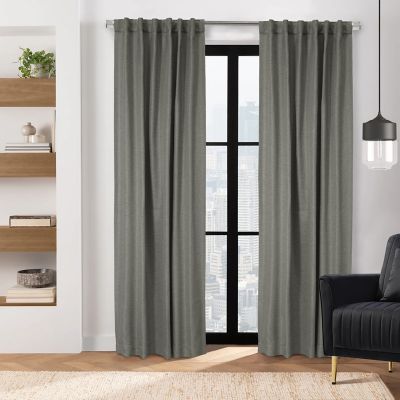
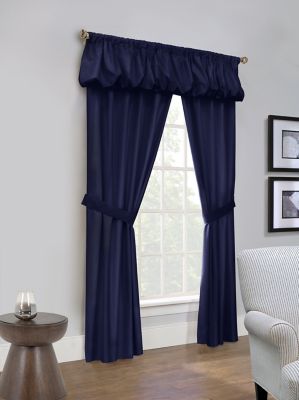
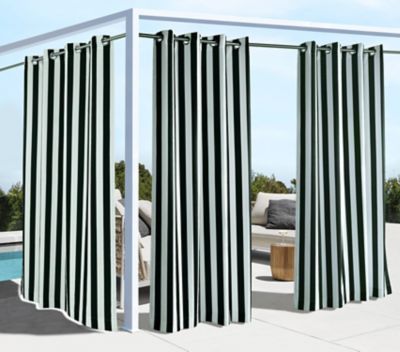
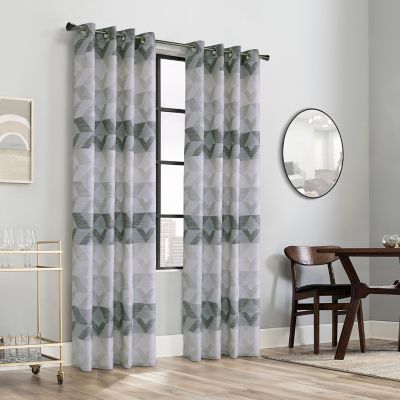
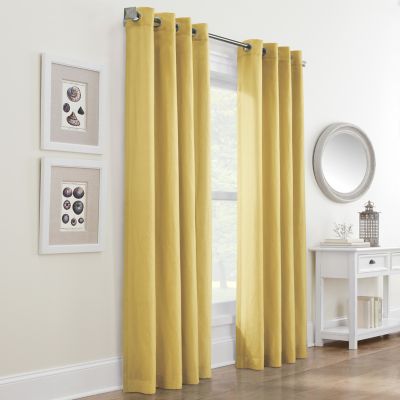
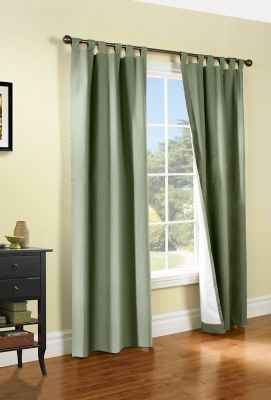
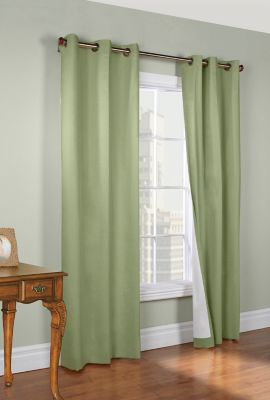
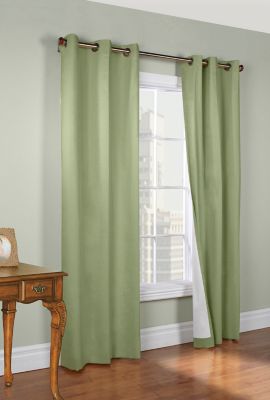
When choosing single panel blackout curtains, pay attention to the way the curtain attaches to the rod, since the top style affects both appearance and ease of use. A rod pocket slips over a standard rod for a simple, gathered look and works well in guest rooms, bedrooms, and smaller spaces where the curtain may not be opened often. Grommets make the panel easy to slide back and forth and give it a cleaner, more relaxed appearance, which is useful for a window you open every morning. Tab tops and other hanging styles can bring a little farmhouse character to a den, bedroom, or hunting cabin, while a back-tab design keeps the hardware less noticeable. Look for a blackout lining or tightly woven construction that feels substantial in your hand and hangs smoothly instead of letting light shine through the weave. Many thermal curtains have layers that help slow heat transfer through the glass, which may help a room feel more comfortable during hot afternoons and cooler months. They will not replace insulation or seal drafty windows, but they can be a useful part of a more comfortable room, especially when drawn during the brightest part of the day or after the sun goes down. A heavier panel may also help dampen outdoor sounds such as traffic, barking dogs, farm equipment, or a busy household, although no curtain will block every noise. Check the care instructions before buying, particularly if the curtain will hang in a child’s room, laundry area, mudroom, or rental property where easy upkeep matters. Machine-washable fabric can make life simpler, while a low-maintenance panel that resists wrinkles may be worth considering for a space that sees plenty of daily use. Also check whether the panel is sold individually, since a single panel will not cover a pair of windows unless you purchase enough to match the total width.
A single panel blackout curtain can be useful well beyond the bedroom. Hang one in a home office to cut screen glare, in a nursery to create a calmer nap space, or in a living room where afternoon sun fades furniture and makes it hard to see the television. In a guest room, it gives visitors a little more control over light and privacy, which is a thoughtful touch for family staying over during the cooler months. It can also make a practical housewarming, wedding, baby shower, or college send-off gift, especially when you know the recipient has moved into a new place with bare windows. Renters may appreciate a panel that works with a tension rod or existing hardware and can move with them later. In a camper, cabin, workshop office, or spare room, one panel can cover a small window without the bulk of a full curtain set. Darker colors often create a cozy, tucked-in feeling and may hide dust or everyday marks, while lighter colors can keep a room looking open; the blackout performance comes mainly from the backing and construction, not simply from the face color. Before hanging the panel, make sure the rod is sturdy, the brackets are secure, and the fabric does not rest against a heater, stove, or other heat source. If light still slips around the sides, widening the rod beyond the frame, placing the panel close to the wall, or choosing a wraparound rod can improve coverage. With the right measurements and hanging style, single panel blackout curtains offer a simple way to darken a room, soften the view from outside, and make a space feel more settled through changing daylight and seasonal temperatures.