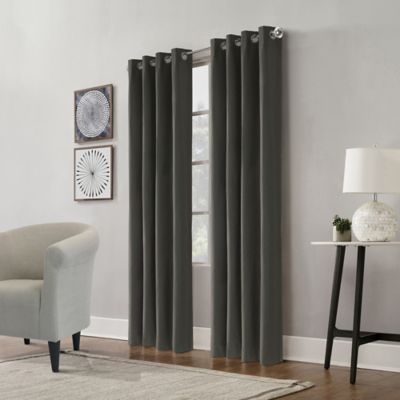
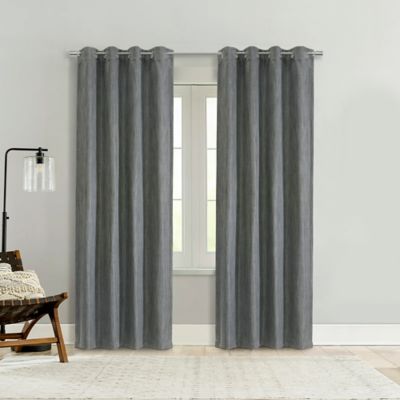
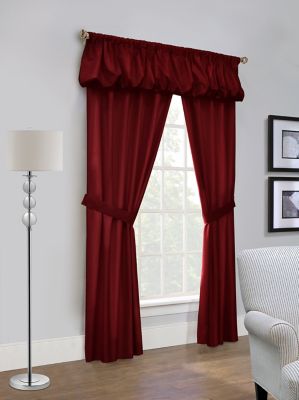
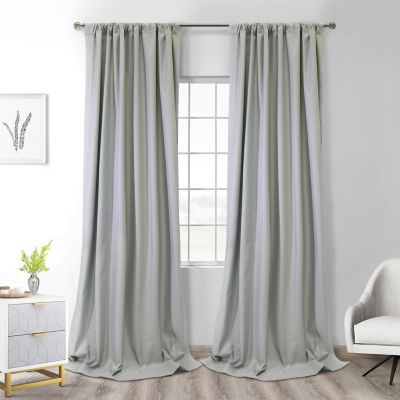
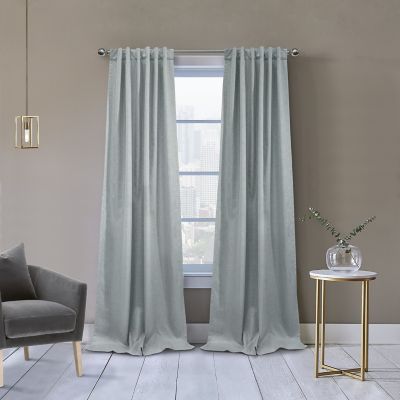
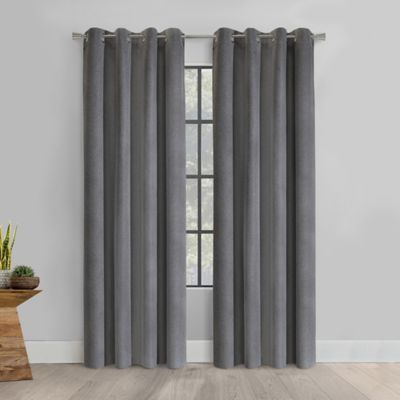
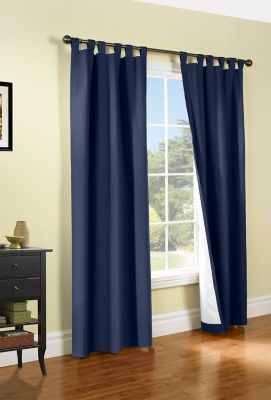
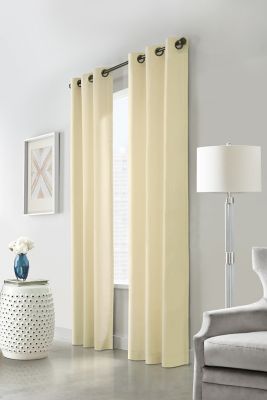
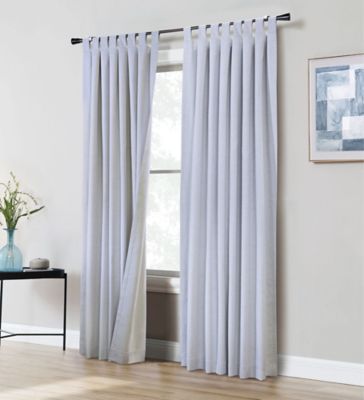
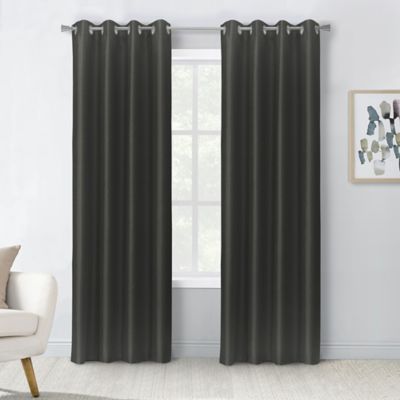
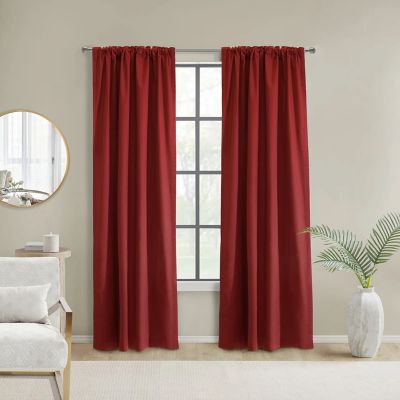
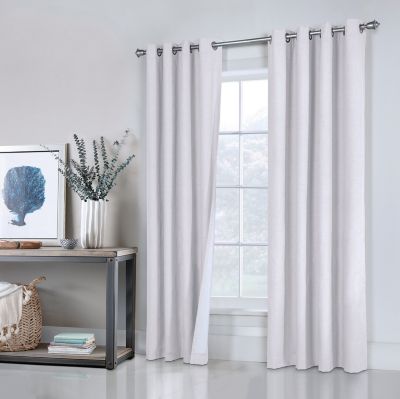
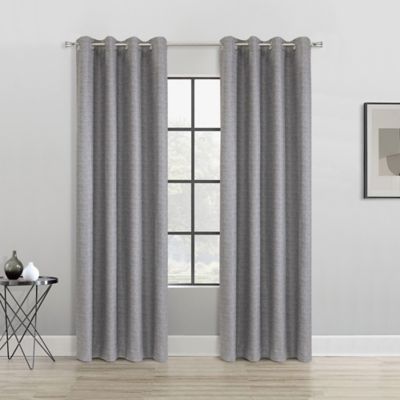
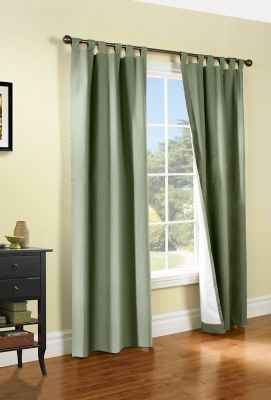
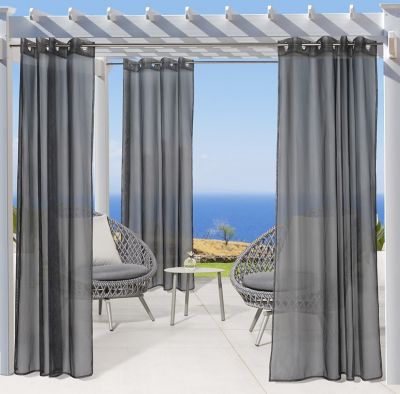
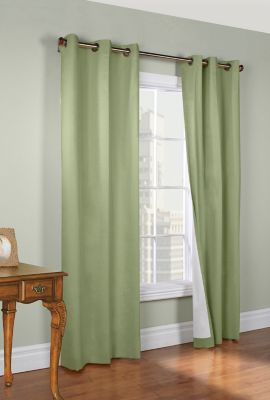
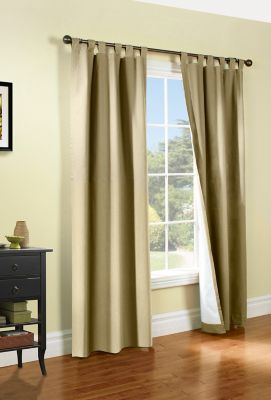
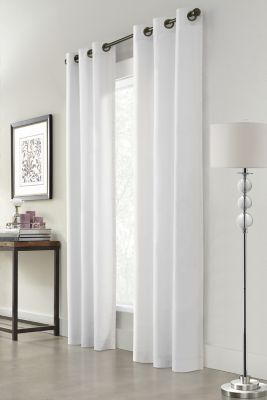
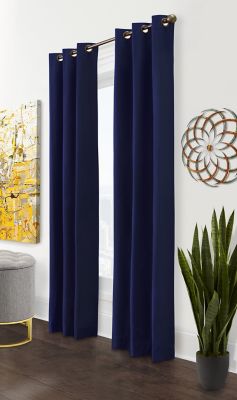
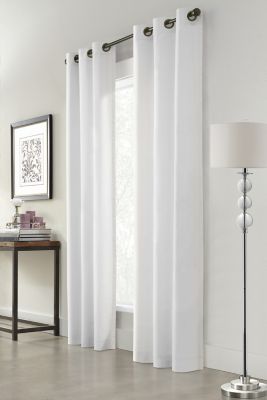
Floor length blackout curtains bring a little more comfort and privacy to bedrooms, living rooms, nurseries, home offices, guest rooms, and any space with a sunny window or a view of the road. The long panels run from the curtain rod nearly to the floor, giving a room a finished look while helping block daylight, porch lights, headlights, and other outside glare. Black fabric can make a strong statement, but it also pairs easily with wood furniture, metal accents, farmhouse décor, and simple country-style rooms. These curtains may help soften outside sounds and make it easier to keep a room more comfortable by reducing the amount of heat coming through sunny glass during warm weather and helping hold onto indoor warmth during cooler months. They are a practical choice for anyone who works night shifts, rests during the day, watches movies in a bright room, or needs a darker sleeping space for children and pets. They also make a useful housewarming, wedding, or dorm-room gift, especially for someone settling into a new place with uncovered windows. For a softer look, use them in a bedroom with quilts, woven baskets, and natural wood. In a living room, pair the dark panels with lighter walls or curtains in a neutral shade so the room feels grounded without becoming too heavy.
Measuring before you shop is the best way to get a clean, polished fit. Measure the window width, then add extra rod space on both sides so the panels can cover the glass completely when closed and stack away from the window when open. Curtain fabric generally looks fuller and hangs better when the total panel width is wider than the window; checking the package for the number of panels and the finished width helps prevent an undersized set. Floor length commonly falls into the 84-inch, 96-inch, and 108-inch ranges, while extra-long options may reach 120 inches or more for tall ceilings, oversized windows, or floor-to-ceiling glass. An 84-inch curtain often works well with a standard 8-foot ceiling when the rod is mounted just above the window, while a 108-inch length can suit a 9-foot ceiling or a rod installed higher on the wall. Measure from the top of the rod or track to the floor rather than from the top of the window, and account for the curtain header. For a tidy everyday finish, the bottom should lightly graze the floor or sit within about a half inch above it. Curtains that stop several inches short may look out of proportion, while too much fabric dragging across the floor can collect dust, catch underfoot, or become a nuisance near a doorway. A small amount of pooling can create a relaxed, decorative appearance, but it calls for extra fabric and more frequent straightening. If a single wide window needs only one moving panel, or if a different setup calls for an individual replacement panel, browse
Single Panel Blackout Curtains to compare another configuration.
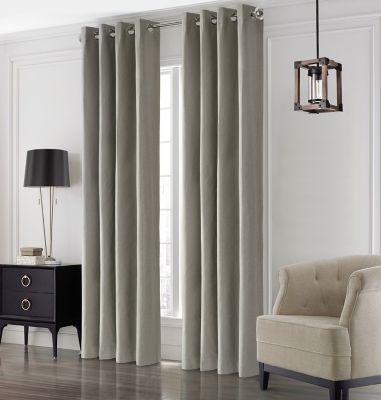
The curtain header determines how the panels hang and how easily they open and close. Grommet tops slide smoothly over a compatible rod and give the room a clean, modern appearance. Rod pockets create a gathered look and work well when the panels will stay mostly in place, although they can take a little more effort to move. Back tabs hide the rod for a tailored finish, while multiway headers may allow several hanging methods depending on the hardware already installed. Check the rod diameter, bracket placement, and weight rating before hanging heavier fabric, particularly across a wide window. Thick polyester, triple-weave construction, velvet-like materials, and other substantial fabrics usually do a better job of blocking light than thin decorative panels, but the top, sides, and bottom still matter. Light can slip around the edges if the rod is too short or the curtain does not overlap in the center, so extending the rod beyond the window frame and using a center overlap can improve coverage. Blackout curtains may also help reduce drafts near glass, though they are not a replacement for weather sealing or insulated windows. Before purchasing, consider whether the room needs complete darkness or simply less glare, whether the curtains will be opened every morning, and how much care the fabric requires. Many panels can be machine washed on a gentle cycle, while others call for spot cleaning or dry cleaning; following the care label helps preserve the color, lining, and smooth drape. A quick pass with a steamer or hanging the panels for a day can ease shipping folds, leaving the fabric to fall in long, even lines that make the whole room feel quieter and more settled.