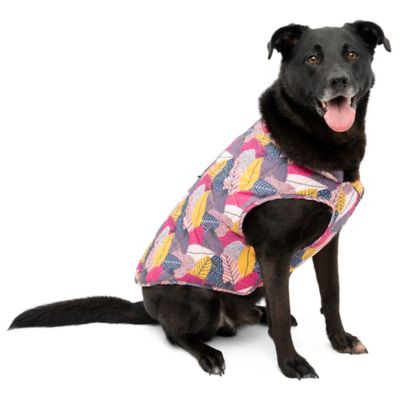
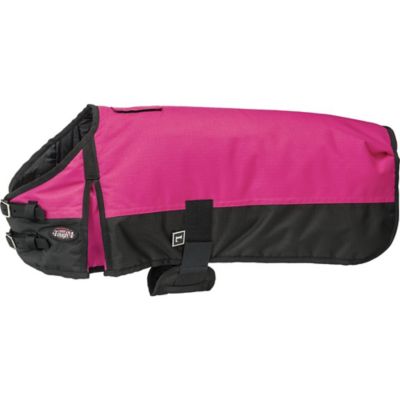
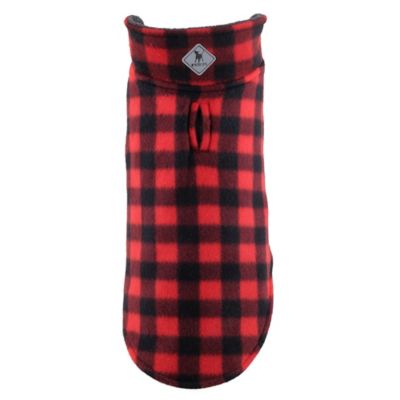
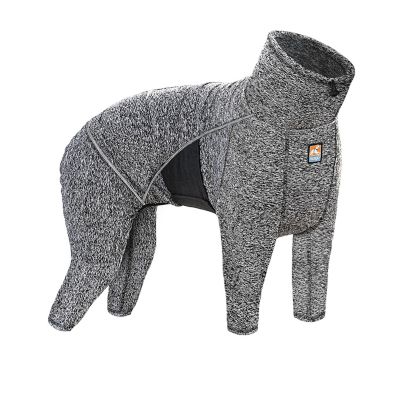
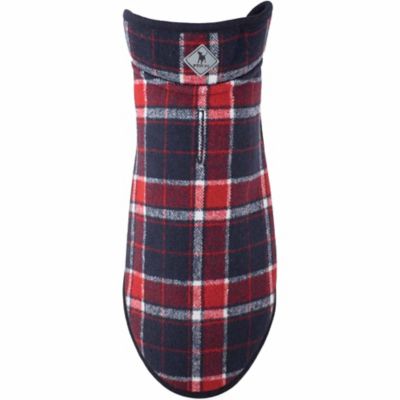
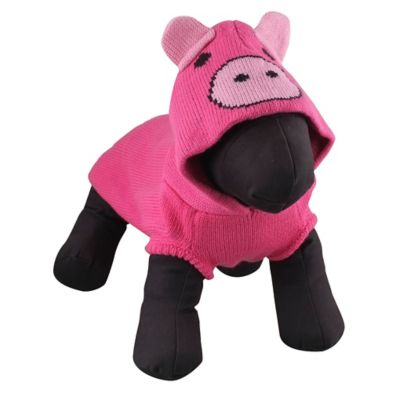
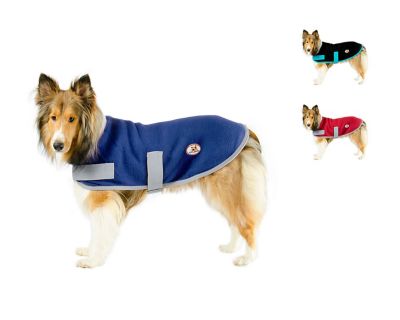
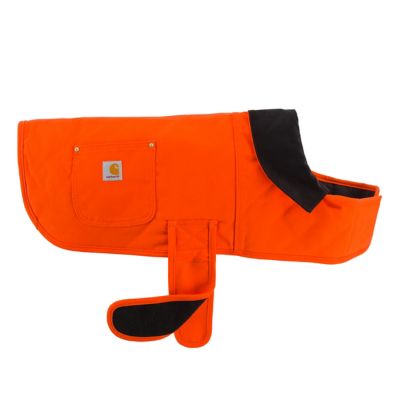
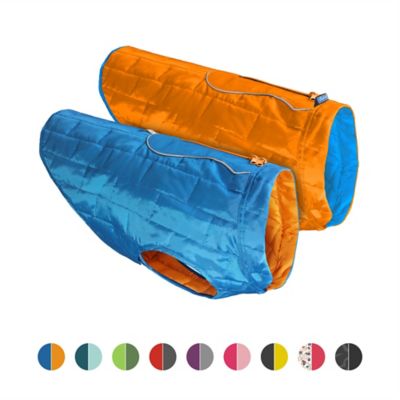
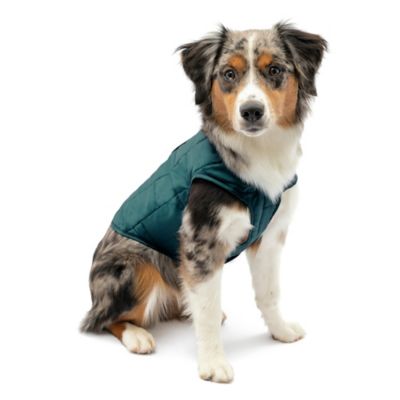
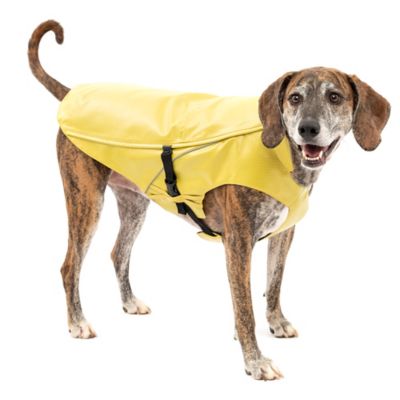
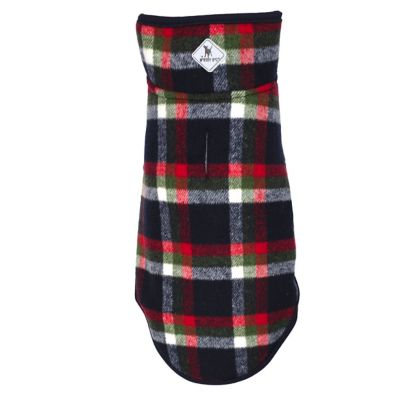
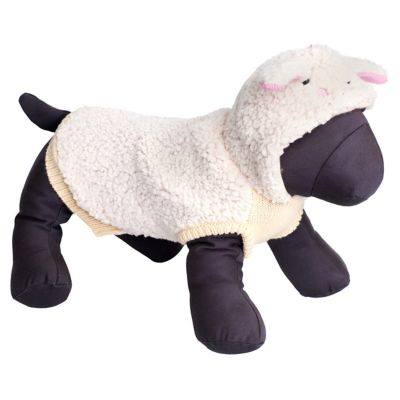
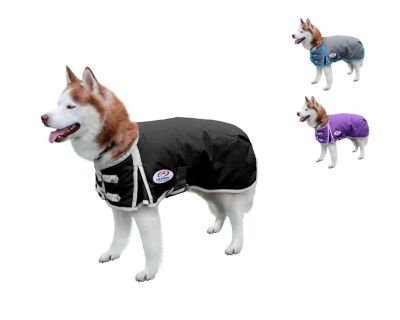
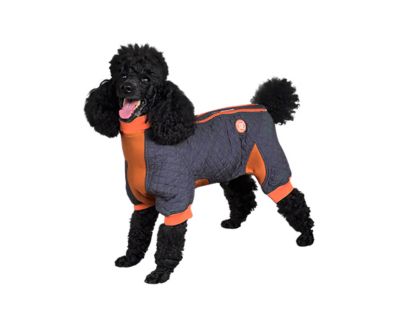
Keeping dogs warm in winter calls for more than a thick coat: dry layers, a sheltered place to rest, and protection from icy ground all play a part. Winter dog clothing, insulated bedding, paw protection, and cold-weather shelter supplies serve different needs, whether a dog spends most of the day stretched out in the house or tags along on short trips to the barn. Small dogs, short-haired breeds, puppies, senior dogs, and dogs with certain health conditions may need extra protection sooner than a healthy adult dog with a dense coat. Body size, activity level, wind, and moisture all affect comfort, so a dog's individual needs matter more than a single outdoor temperature. For clothing, fleece offers a soft layer for dry conditions, while insulated outerwear adds warmth without requiring several bulky layers.
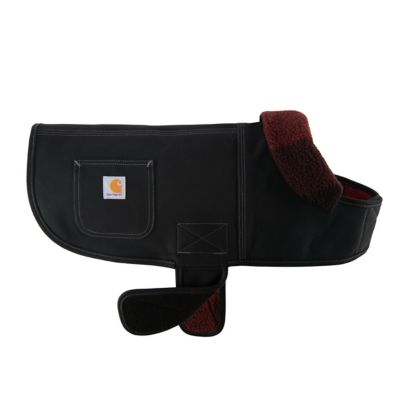
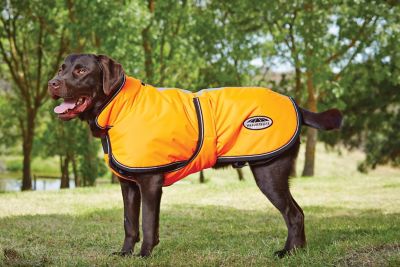
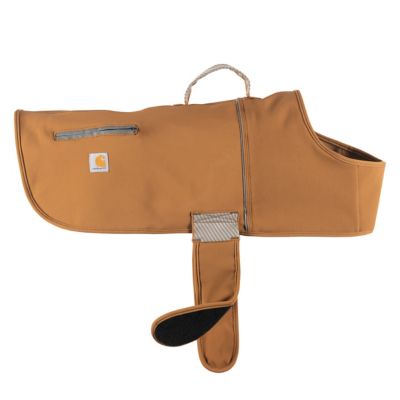
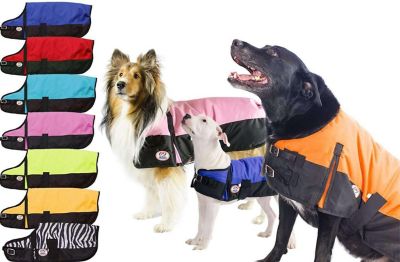
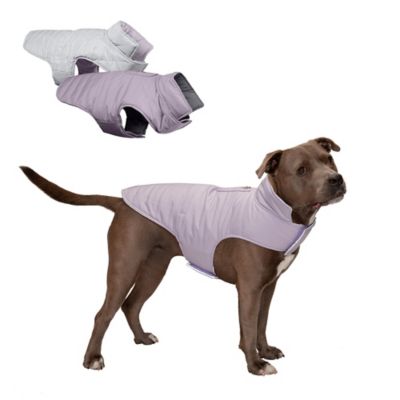
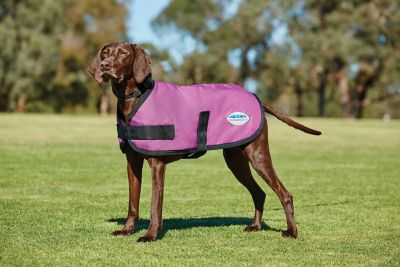
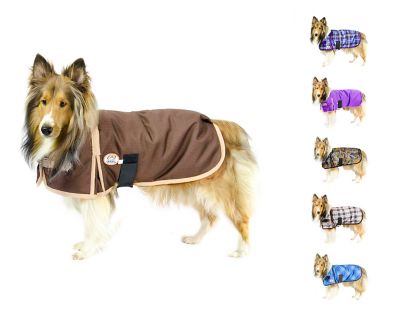
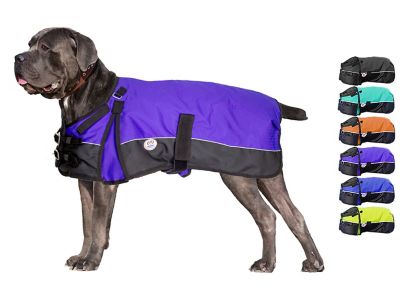
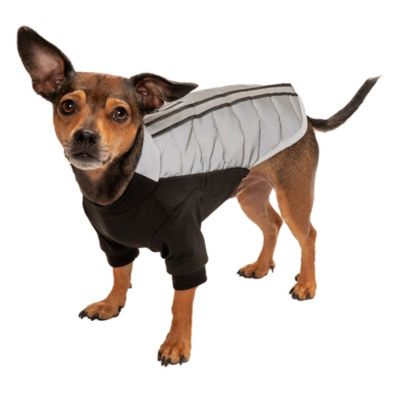
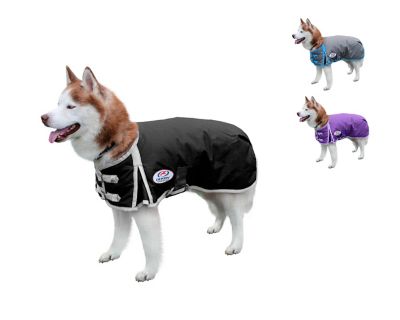
Waterproof Winter Dog Coats are worth considering for wet snow, sleet, and damp walks, with attention to coverage, closures, and the construction of the outer shell. Water-resistant fabric handles light moisture differently from a waterproof barrier, and seams and openings can affect how much water reaches the lining. A smooth lining can help reduce rubbing, while chest and belly coverage protect areas that often have less fur. Fit starts with the manufacturer's measurements, especially chest girth, neck size, and back length; weight alone does not tell the whole story. A broad-chested dog and a long, narrow dog may need very different shapes even at the same weight. Clothing should allow a full walking stride, comfortable sitting, and easy bathroom breaks without sagging underneath. Adjustable closures can help settle the fit, and a leash opening should line up with the harness or collar beneath it. Reflective details add visibility during dim morning chores and evening walks. Washable fabrics and straightforward care directions also matter when muddy pawprints and wet grass are part of everyday life. Clothing needs to come off when it is wet, damaged, or causing rubbing, and extra insulation should not leave an active dog overheated.
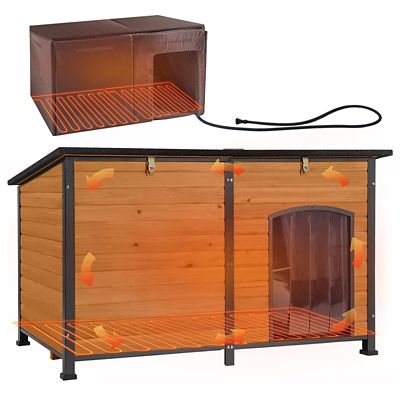
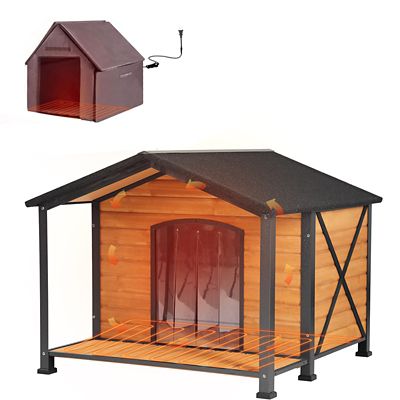
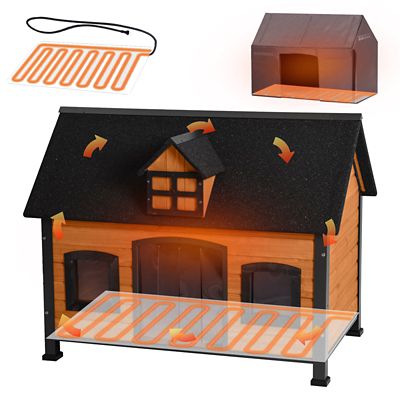
A warm resting spot gives a dog somewhere to settle after a frosty walk or a quick trip across the yard. Indoor dog beds with supportive padding and insulating fill help separate a resting body from cold flooring, while bolstered edges give dogs that curl up a place to tuck their noses. Dogs that sleep stretched out need enough room for their full sleeping position, not just enough space to stand on the cushion. Older dogs may benefit from supportive foam and a low entry that does not require a big step over the side. Removable, machine-washable covers make cleanup simpler after slushy outings, and tightly woven cover fabrics can stand up better to everyday scratching than loose, snag-prone surfaces. Reinforced seams, protected zippers, and a nonslip base are practical details for a bed that gets dragged, pawed, and settled into several times a day. Blankets add a soft layer indoors, but they work best when they stay dry and do not bunch into an obstacle for a dog with limited mobility. A raised sleeping surface can help separate bedding from a chilly floor, though padding and protection from drafts still matter. Placement away from exterior doors and drafty windows often makes a bigger difference than another layer of fabric. Self-warming mats reflect body heat without electricity, while electrically heated bedding requires closer attention to the intended setting, cord protection, and the manufacturer's safety directions. Heating equipment should be designed for pets and kept out of reach of dogs that chew cords. Outdoor dog shelters need weather protection, insulation, a floor raised above wet ground, and an entrance shielded from prevailing wind without blocking ventilation. Dry straw can provide insulating bedding in an outdoor shelter; blankets and towels can absorb moisture and freeze. Bedding also needs regular checks for dampness, dirt, and pests. Even a well-built shelter and warm clothing cannot make prolonged exposure safe in severe cold. Indoor shelter remains important when conditions exceed a dog's ability to stay warm.
Paw care and access to drinking water round out a cold-weather setup, especially for dogs moving between a warm house, a gravel drive, and snowy ground. Dog boots can create a barrier between paw pads and ice, sharp crusted snow, or deicing residue, but fit matters as much here as it does with a coat. A sole with traction helps on slick surfaces, while secure closures should hold the boot in place without pinching the leg. Paw measurements and the manufacturer's sizing directions offer a better starting point than breed alone. A few short indoor practice sessions can help a dog get comfortable with the feel before heading outside. Boots are not a substitute for checking paws, and snow can still collect around openings or between toes. After an outing, wiping paws, legs, and the belly helps remove salt and residue before a dog has a chance to lick it away. Suspected antifreeze exposure needs immediate veterinary attention, even if the dog seems fine. Absorbent towels near the entryway also make it easier to dry wet fur before a dog settles onto bedding. Fresh drinking water matters in winter, too, and outdoor bowls can freeze even when a dog has shelter nearby. Heated water bowls intended for outdoor pet use require protected electrical connections and cord placement that keeps them clear of chewing and traffic. Food needs depend on activity, body condition, and health; extra calories are not automatically necessary for every dog in cold weather. A veterinarian can help assess those needs, particularly for working dogs and older pets. For a household welcoming a new dog, washable bedding or winter clothing with the right measurements can make a practical gift. Across these categories, easy cleaning, secure fit, sound stitching, and materials suited to the setting help gear handle repeated wear. Shivering, reluctance to walk, lifting paws, or unusual sluggishness mean a dog needs warmth and attention, not another lap around the property.