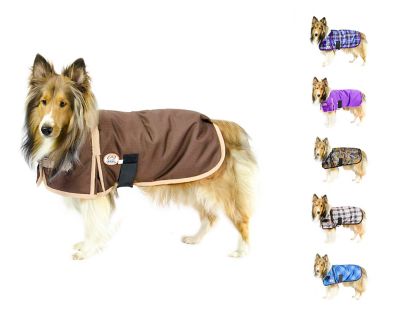
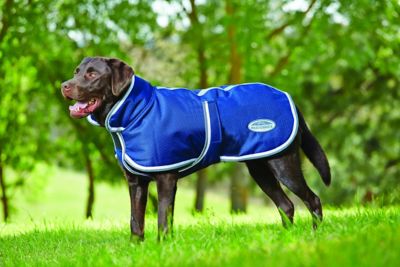
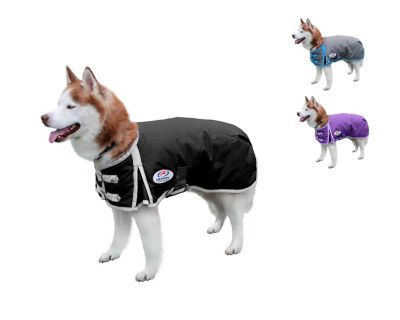
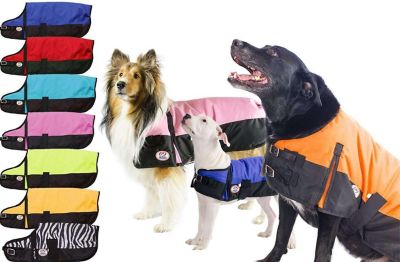
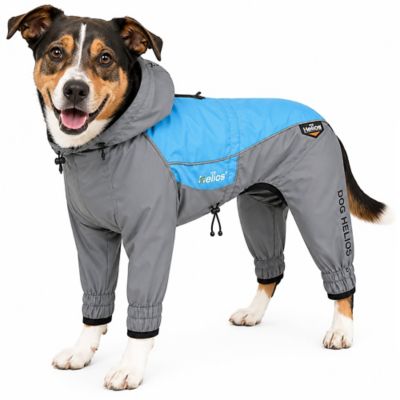
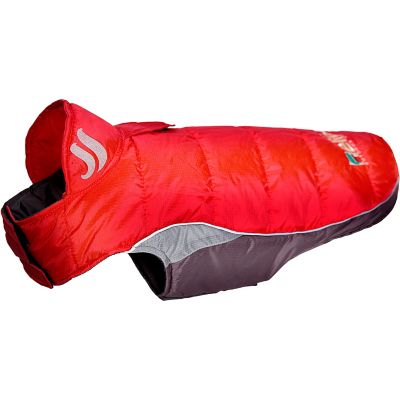
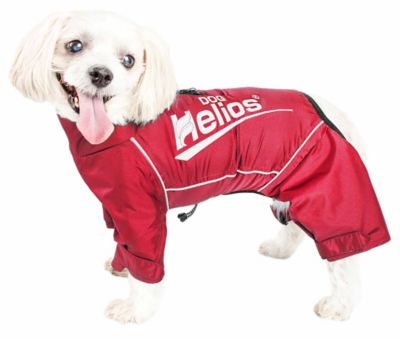
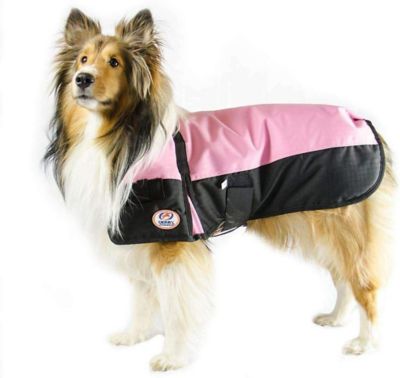
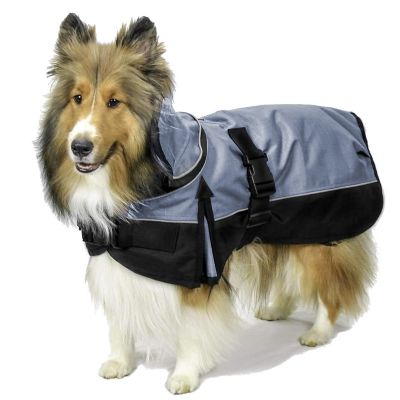
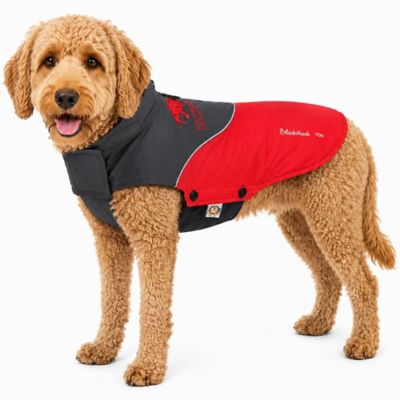
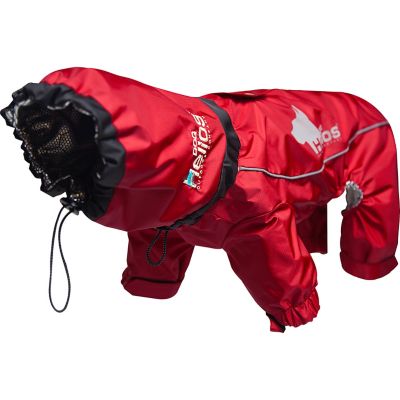
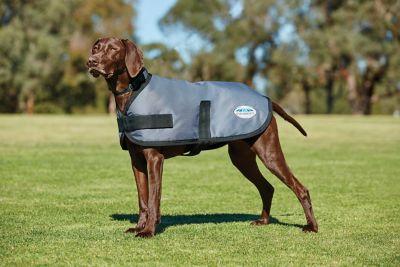
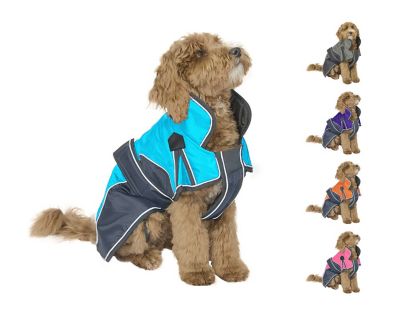
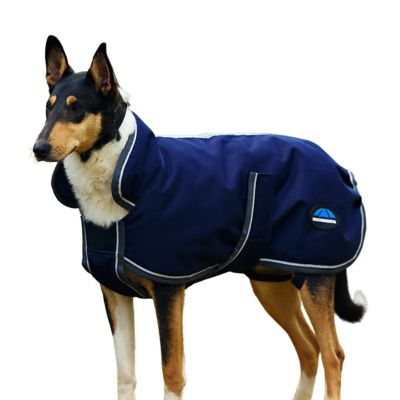
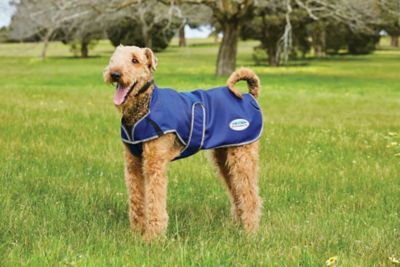
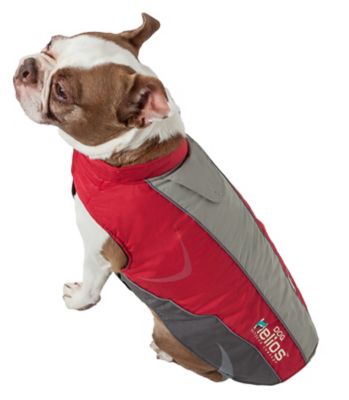
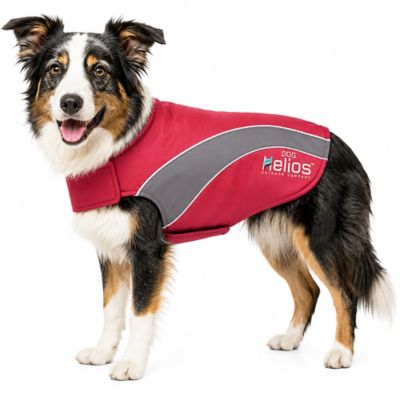
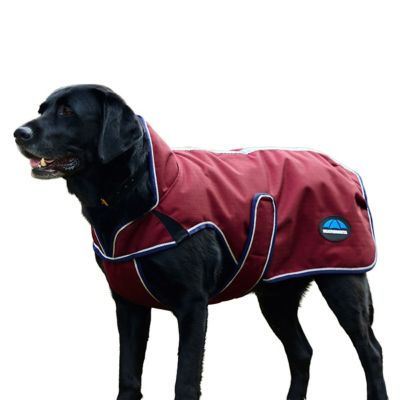
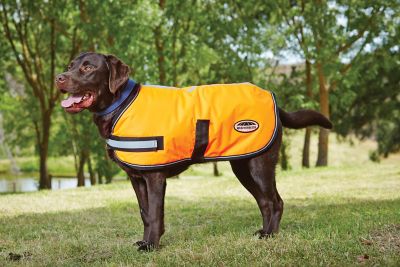
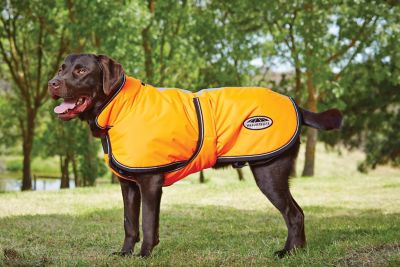
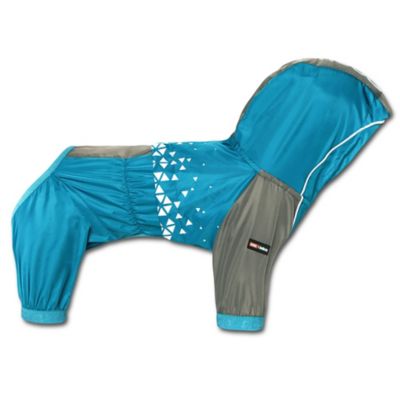
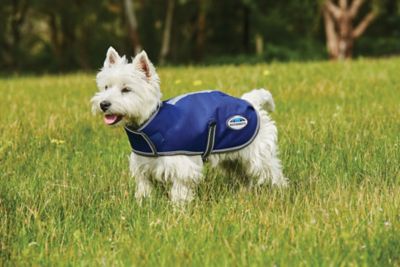
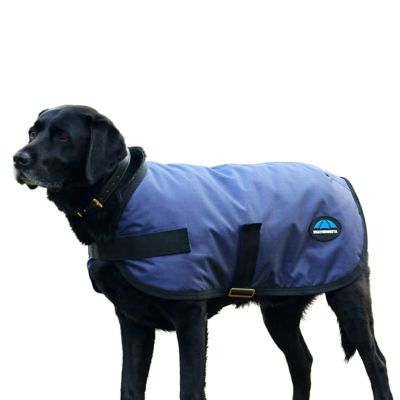
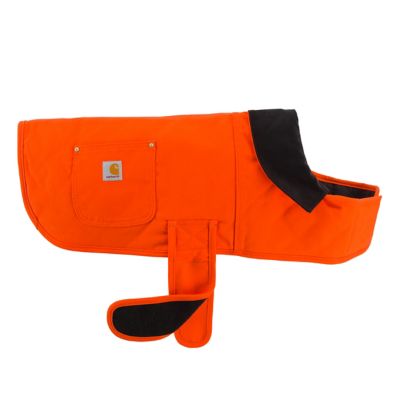
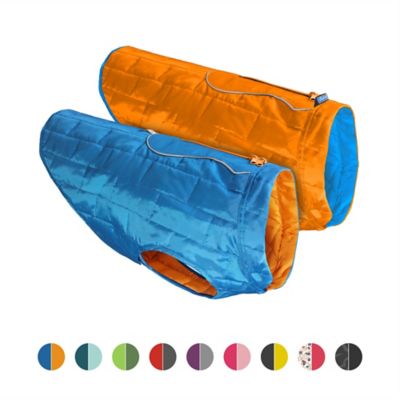
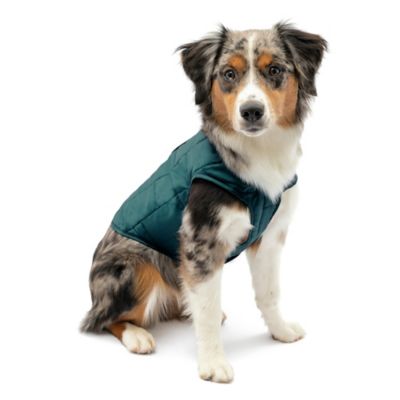
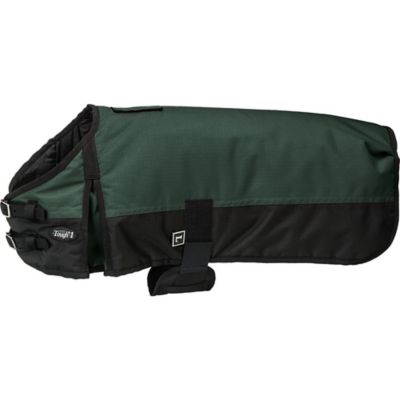
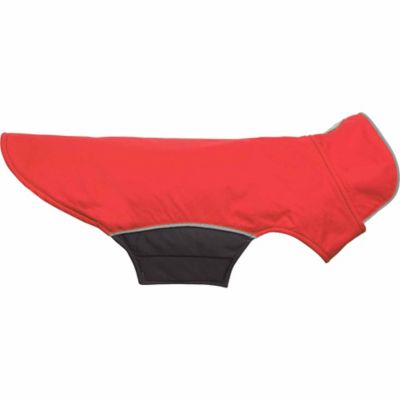
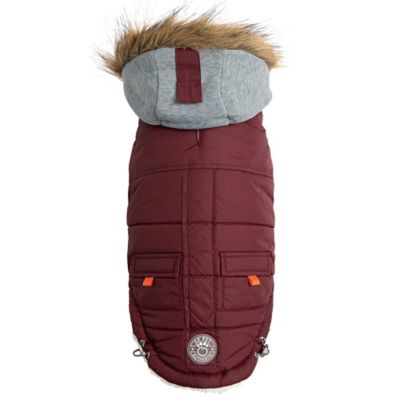
Waterproof winter dog coats add a layer of protection for dogs heading out into rain, wet snow, and biting wind, whether the trip is a lap around the pasture fence or a walk down a slushy gravel road. Their job comes down to two things: keeping outside moisture from soaking through and helping hold warmth close to the body. A waterproof outer shell and an insulating lining handle those jobs differently, so both matter when comparing coat construction. Nylon and polyester shells can have a waterproof coating or membrane, while fleece and synthetic fill provide warmth without the weight of a heavy blanket. A water-repellent finish helps droplets bead on the surface, but that finish alone does not make a coat waterproof. Sealed or taped seams help block water at the stitching, and covered closures can reduce openings where rain or melting snow might get through. The waterproof claim should apply to the coat’s construction, not just its fabric, especially for walks through steady rain or wet snowfall. Even then, the neck, leg openings, and underside can let moisture in, so a coat does not promise a completely dry dog. Breathable materials can help moisture escape from beneath the shell, which matters for dogs that move briskly or spend their outings sniffing every fence post. Insulation needs vary just as much as waterproofing needs. A short-haired dog on a slow leash walk may benefit from more lining than a thick-coated dog trotting along a trail. Small dogs, lean dogs, and some older dogs may also appreciate added protection, though age, health, activity, and natural coat all affect comfort. Waterproof winter dog coats are an extra layer for supervised outdoor time, not a replacement for shelter or a reason to stay outside longer than a dog can comfortably manage. A dog that shivers, lifts its paws, slows down, or keeps turning toward home needs a break indoors, regardless of how substantial its coat looks.
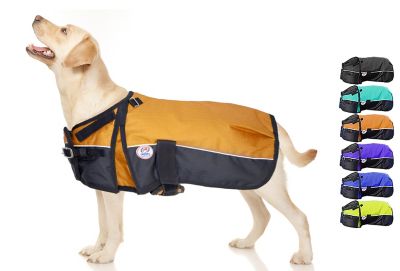
Fit makes the difference between a coat that stays comfortably in place and one that twists sideways before a dog reaches the end of the driveway. Measurements around the widest part of the chest, around the neck where the coat sits, and along the back from the base of the neck to the base of the tail give a better starting point than breed or body weight alone. Each size chart can follow a different pattern, so those measurements need to match the chart for the coat being considered. A broad-chested dog may need a different cut from a narrow-bodied dog of the same weight, and a long back can call for more coverage without extra room through the shoulders. For bigger builds,
winter dog coats for large dogs offer a related place to compare coverage and proportions. A well-fitting winter coat allows a full walking stride, easy sitting, and normal bathroom breaks without pulling across the chest or rubbing behind the front legs. Adjustable chest and belly straps help bring the shell closer to the body, while neck adjustments can limit gaps without pressing against the throat. A higher collar adds coverage near the shoulders, but it should not crowd the ears or restrict head movement. Belly panels help shield against slush kicked up from the ground; their shape and placement matter as much as their width. Longer coverage is not automatically better if the hem catches a hind leg or interferes with toileting. Wraparound coats can be easier to put on for dogs that dislike having their feet handled, while legged styles provide more coverage but require closer attention to movement and sizing. Rear leg loops may help keep a coat from lifting or shifting, provided they fit comfortably. Leash openings and harness access points also deserve a look: they should line up with the dog’s walking gear without forcing the shell to bunch. A coat is not a restraint unless it is specifically designed and rated for that purpose.
Everyday details count when a coat has to handle muddy paw prints, truck rides, and repeated walks along a wet lane. A tightly woven shell, reinforced strap attachments, and neatly finished edges can help it stand up to regular wear, though no fabric is immune to snags from briars, rough boards, or wire. Smooth outer fabrics tend to shed loose dirt more readily than exposed fuzzy surfaces, while soft lining around the neck and chest helps limit friction where the coat moves against the body. Fleece offers a comfortable feel, but it can collect hair and hold moisture if water reaches the inside. Synthetic fill provides loft for warmth, and its thickness should suit the dog’s activity rather than simply making the coat look heavier. A dog standing beside its person during a short chore break has different needs from one covering ground at a steady pace. Reflective trim can help a dog stand out when headlights or a flashlight strike it, but it does not replace a leash, close supervision, or a light where visibility is poor. Fasteners matter on ordinary outings, too. Broad closures can be easier to manage with cold fingers, and straps tucked neatly against the coat leave less material dangling near brush. Hook-and-loop closures need hair and grit cleared away so they can grip properly. Care instructions vary with the shell, lining, and waterproof treatment; following the sewn-in label helps protect those materials through cleaning. Some coats allow machine washing, while others call for gentler cleaning or particular drying methods. Fabric softener, bleach, and high heat can interfere with certain finishes, so they should not be part of the routine unless the label permits them. A damp coat needs to dry fully before storage or the next outing, and worn seams or loose stitching deserve attention before water finds its way inside. As a practical gift for someone who walks a dog in wet winter weather, a coat makes the most sense with the dog’s measurements and walking habits in hand. The right match balances weather protection, freedom of movement, and straightforward care for the outings that are part of everyday life.