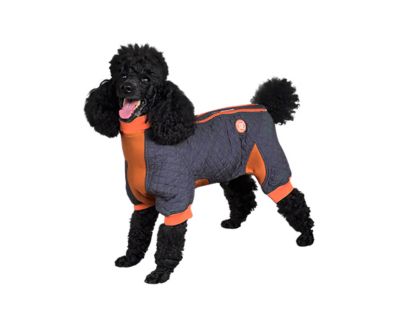
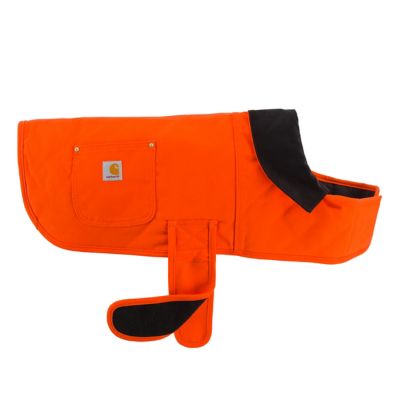
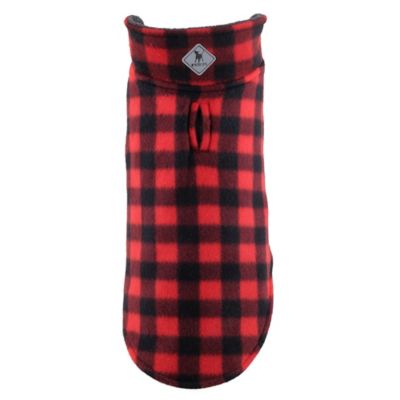
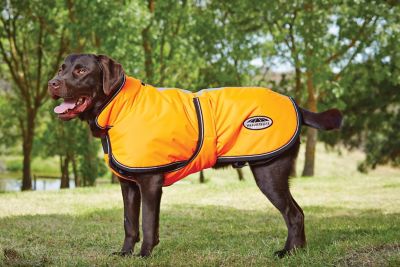
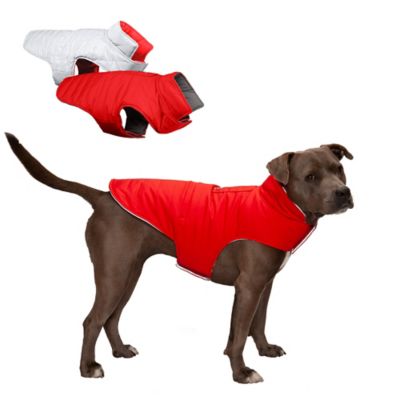
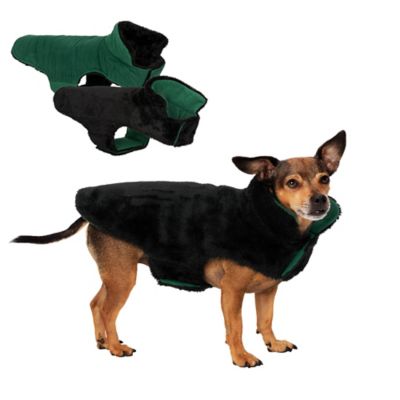
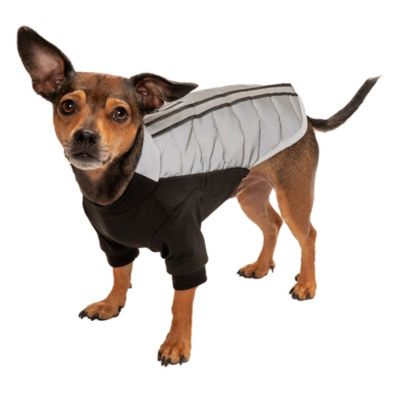
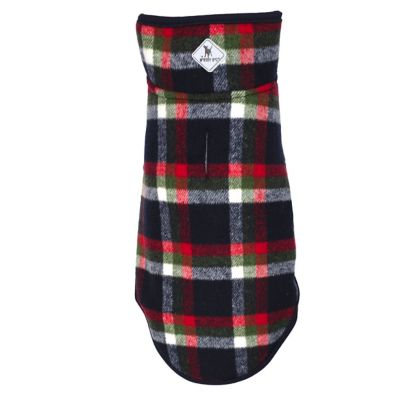
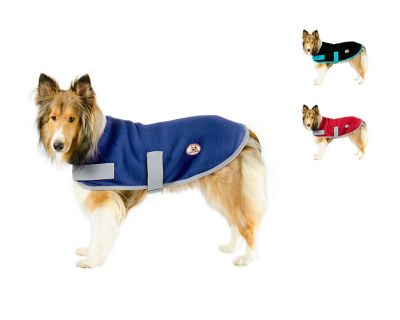
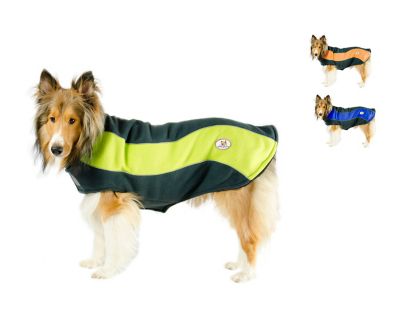
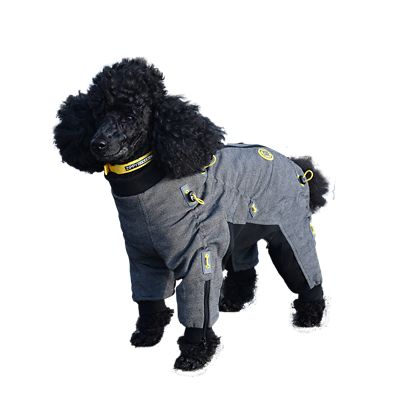
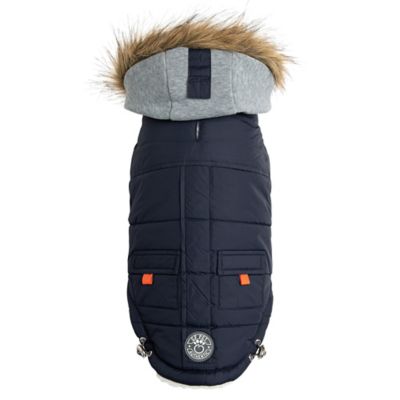
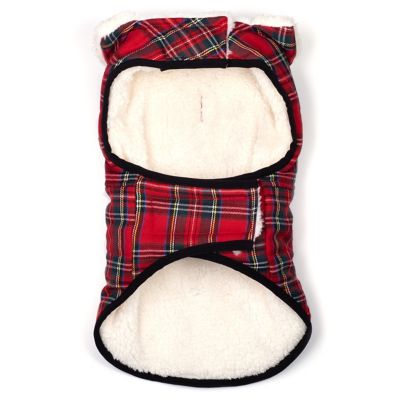
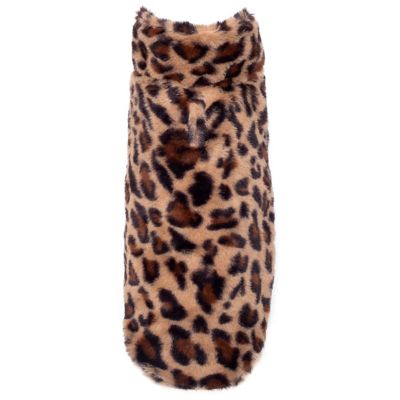
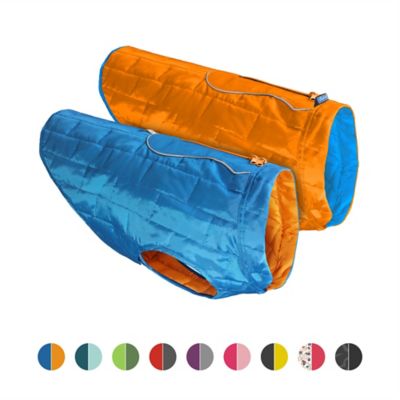
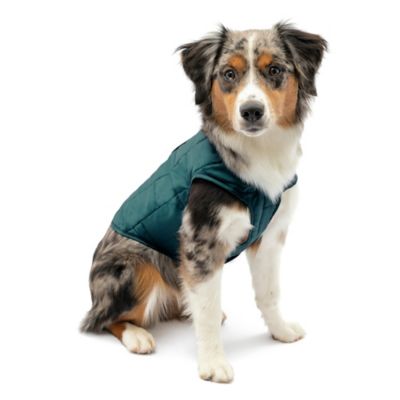
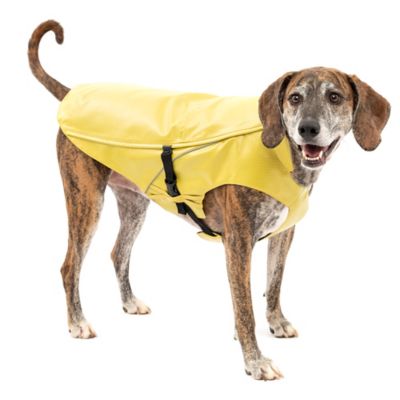
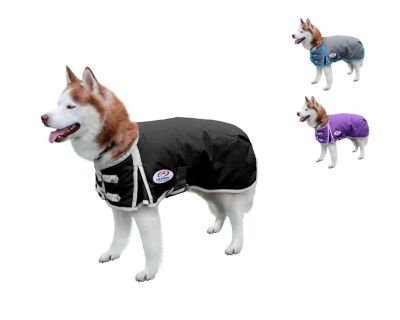
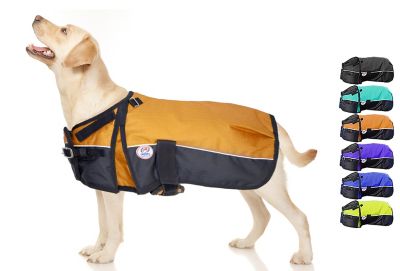
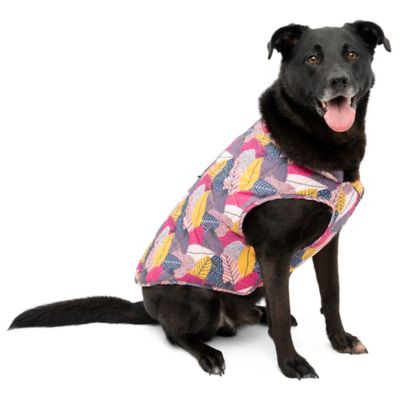
Small dog winter coats help hold warmth close to the body while adding a layer between a little dog and cold air, wind, or damp weather. They can make a difference for short-haired dogs, lean-built dogs, older companions, and small breeds that lose body heat quickly. A quick trip across a frosty yard calls for something different from a long walk down an open gravel road, where wind has plenty of room to pick up. Insulation, coverage, and the outer fabric all play a part in how a coat feels outdoors. Fleece linings provide soft warmth without much weight, while quilted designs hold insulating fill in place across the back and sides. Smooth linings can slide over the fur more easily and may be less likely to catch on a long coat. Tightly woven outer shells help block a breeze, and water-resistant finishes can shed light moisture from mist or flurries. Water resistance is not the same as waterproof protection, though; steady rain and wet snow call for closer attention to the garment's construction and stated weather protection. A heavy-looking coat is not always the warmest choice, either. Evenly distributed insulation, a well-shaped neckline, and coverage that stays put can matter more than a bulky appearance. For dogs that trot beside their person on morning chores, flexible materials allow an easy stride without adding much weight. For a slower companion that pauses to sniff every fence post, a warmer lining and fuller chest coverage may be more useful. Each dog's coat, age, activity level, and tolerance for cold affect how much extra warmth makes sense. Winter outerwear supports comfort on appropriate outings, but it does not replace a dry place to rest or time indoors when conditions turn harsh. A dog that starts shivering, lifting its paws, or trying to head back toward the door needs a shorter outing, not simply another layer. Keeping those everyday differences in mind puts the focus on warmth that suits the dog instead of thickness alone.
Fit makes just as much difference as fabric, especially when a small dog has a broad chest, a long back, or a narrow frame. Size names are only a starting point because measurements can vary between coat designs. Chest girth, neck circumference, and back length give a clearer picture of how an outer layer will sit. Chest measurements generally come from the widest part behind the front legs, while back length commonly runs from the base of the neck toward the base of the tail; the garment's sizing directions determine the exact measuring points. A comfortable coat lies close enough to hold warmth without pulling across the shoulders or squeezing the ribs. Room for normal breathing and movement matters more than a snug-looking outline. The front leg openings should stay clear of the armpits, and the belly panel should allow bathroom breaks without getting wet or dirty. A little extra attention here can save plenty of laundering after a trip around the yard. Adjustable straps help accommodate different body shapes, while a wide opening can make dressing easier for a dog that dislikes having clothing pulled over its head. Hook-and-loop closures are handy for quick fastening, although long fur can catch in them. Buckles and zippers offer other fastening options, with a fabric guard helping separate zipper teeth from hair and skin. Higher collars provide added neck coverage, but they should not push against the throat or interfere with a collar. Hoods need to stay clear of the eyes and ears rather than slipping forward as the dog walks. Leash openings and harness access points are worth checking, too, since their placement affects whether the coat lies flat over the dog's walking gear. A dog should be able to walk, turn, sit, and squat without the hem shifting badly or the shoulders binding. Secure fastening matters when a dog brushes past brush piles or fence corners, where loose fabric and dangling straps can snag. Reflective trim can add visibility in low light, though it does not take the place of attentive handling near roads or equipment.
For walks around the property or trips into town,
Dog Jackets For Small Dogs should match the conditions and the dog's activity level rather than simply the calendar. A lightly insulated layer may suit a brisk walk with plenty of movement, while deeper insulation can be more comfortable for a short-haired dog taking slow, supervised breaks outside. Too much warmth can also be uncomfortable, especially once the dog gets moving, so panting or restlessness deserves attention. Winter coats often encounter more than cold air: muddy paths, road grit, dry grass, and the back seat of a truck all leave their mark. Strong stitching, reinforced strap attachments, and an outer fabric that resists abrasion help a coat stand up to regular outings. Smooth surfaces tend to release loose dirt more easily, while exposed fleece can collect burrs and bits of hay. Easy-care construction is especially handy for dogs that enjoy investigating the edge of every puddle. Care labels determine whether a coat belongs in the washing machine, needs hand washing, or requires a particular drying method. Fastening straps before washing helps prevent them from catching other fabrics, and clearing hair from closures helps them grip properly. Mud can often dry enough to brush away before laundering, but road salt and other residues deserve prompt attention according to the care directions. A coat should dry fully before the next outing or before being put away, since damp lining can leave a dog chilled and uncomfortable. Regular checks around seams, leg openings, and fasteners help catch wear before a small tear becomes a bigger problem. As a gift for someone with a small canine companion, winter outerwear is most practical when the dog's measurements, walking routine, and handling preferences are known. The best match is a coat that goes on without a struggle, stays comfortable from the porch steps to the end of the lane, and cleans up for the next trip outside.