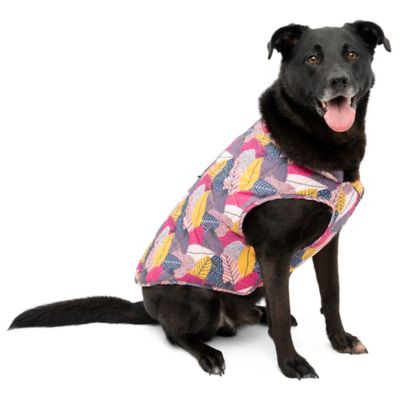
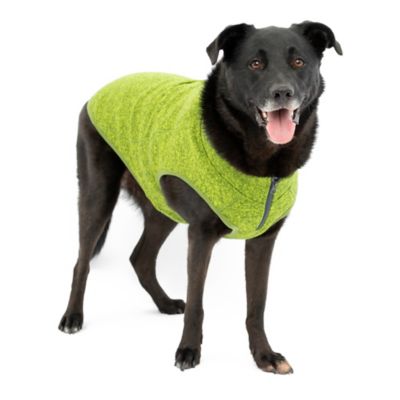
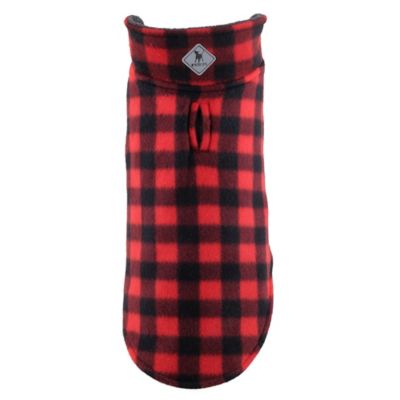
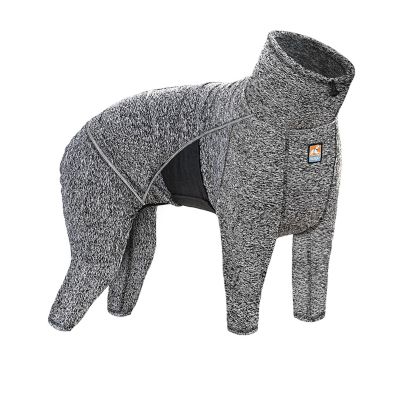
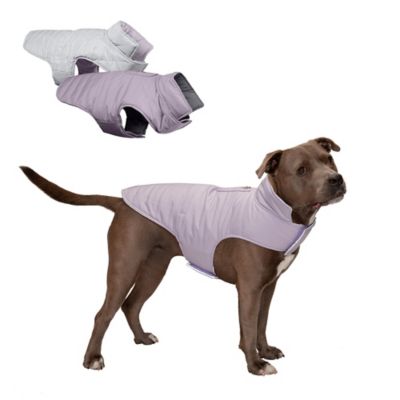
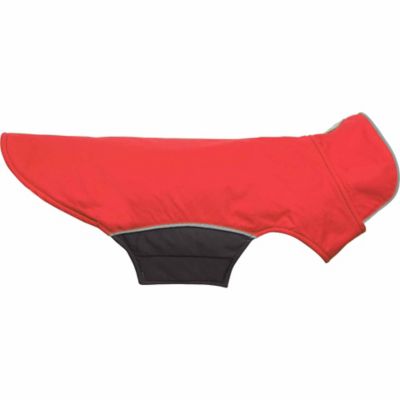
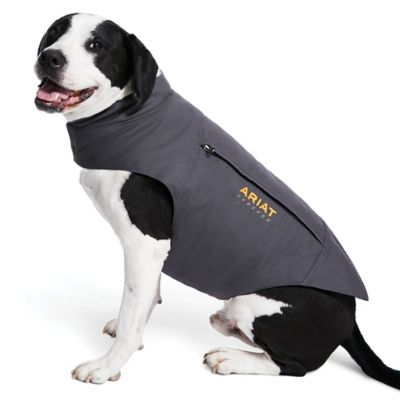
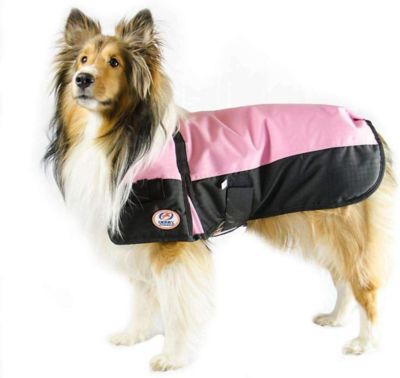
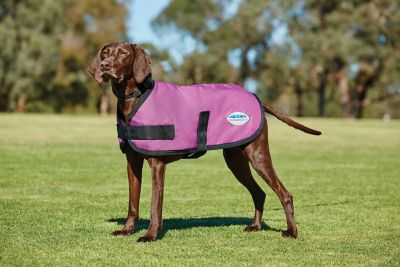
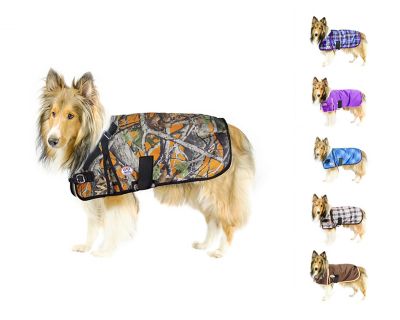
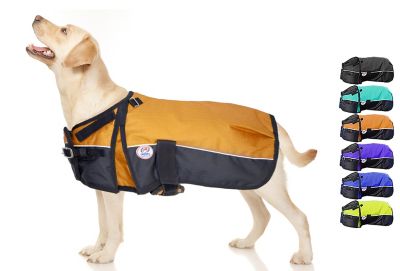
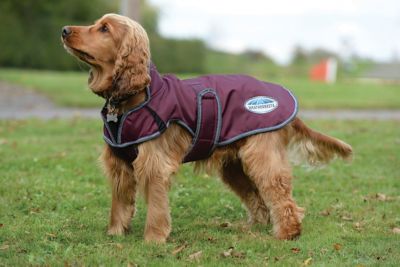
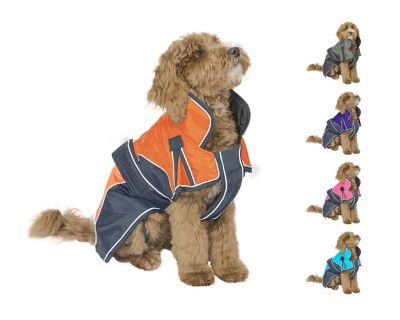
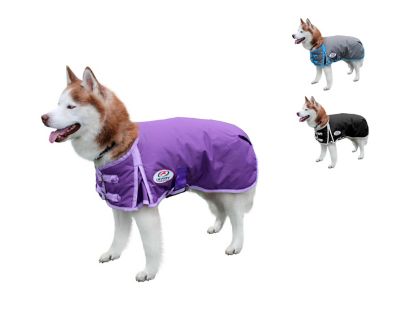
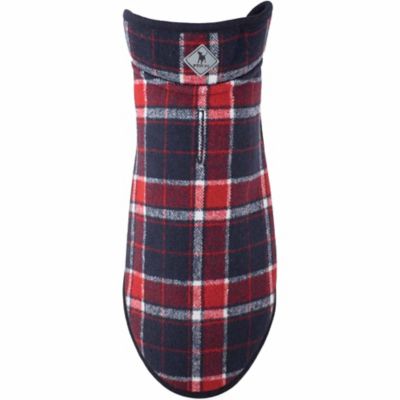
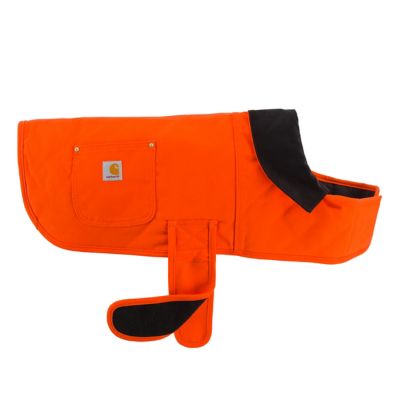
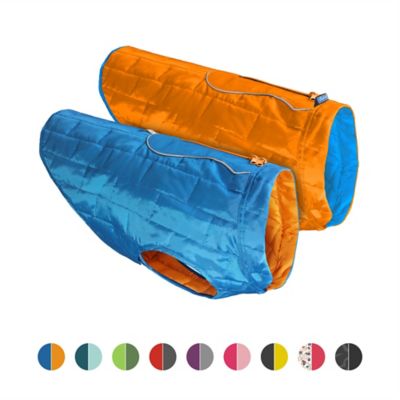
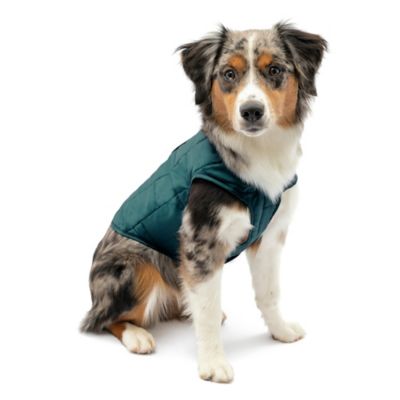
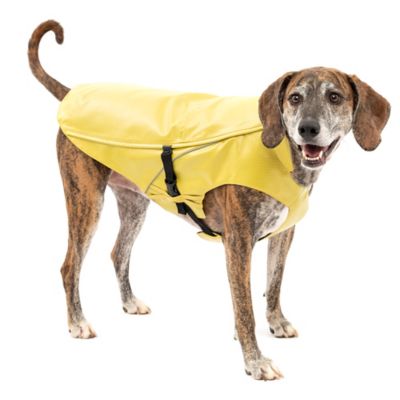
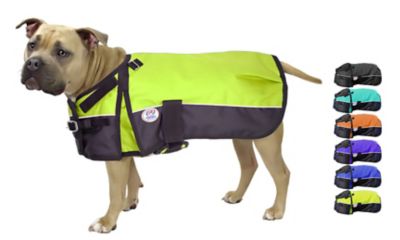
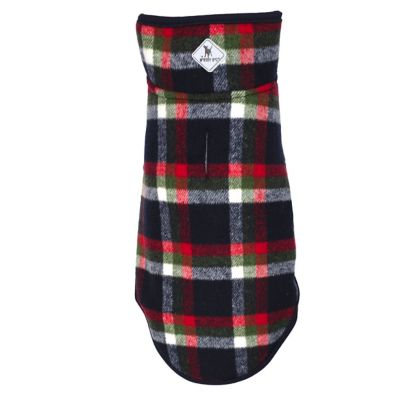
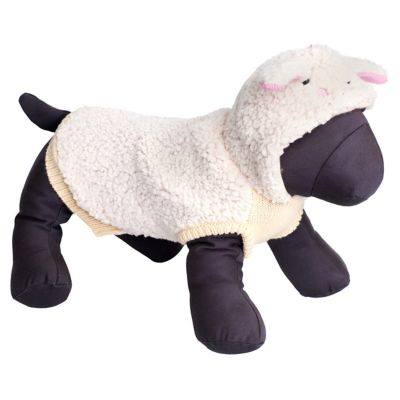
Winter dog apparel adds a layer of protection for dogs that get chilly on a frosty walk, a quick trip across the yard, or a morning round of chores. The right amount of coverage depends on a dog’s size, coat type, age, health, activity level, and the conditions outside. Small dogs and dogs with short or thin coats often benefit from extra warmth, while thick-coated dogs may be more comfortable with less insulation, especially when moving steadily. Older dogs and dogs with health concerns may have different needs worth discussing with a veterinarian. Chest and belly coverage matters for short-haired dogs because an open underside leaves a large area exposed to cold air, damp grass, and kicked-up slush. A well-shaped coat covers the torso without hanging so low that it catches on brush or interferes with bathroom breaks. Sweaters, fleece layers, insulated coats, and weather-resistant jackets serve different purposes within a winter wardrobe. Soft knit fabrics offer flexible warmth for dry conditions, while fleece provides lightweight insulation that suits short outings or layering beneath an outer shell designed to accommodate it. Insulated styles with smooth woven exteriors can help block wind during a slow walk down a gravel lane. Water-resistant fabric sheds light moisture, but it is not the same as waterproof construction; heavier precipitation calls for protection rated for those conditions. Even a warm garment loses much of its usefulness if it becomes soaked. For smaller frames,
Small Dog Winter Coats bring the focus to proportions that leave room for movement without excess fabric dragging near the ground. Whatever the dog’s size, winter clothing should support comfortable outings rather than stretch time outside beyond what the dog can tolerate. Shivering, lifting paws, slowing down, or trying to turn back are reasons to head somewhere warm, not simply add another layer.
Fit makes the difference between a coat that stays comfortable from the porch to the pasture gate and one that twists around after a few steps. Neck circumference, the widest part of the chest, and back length from the base of the neck to the base of the tail are more useful than weight alone. Two dogs at the same weight can have very different builds: a deep-chested dog may need more room through the ribs, while a long-backed dog needs enough length without an oversized neckline. Sizing charts vary, so each garment’s measurements matter. A close fit should still allow normal breathing, a full walking stride, and easy sitting or lying down. Tight armholes can rub behind the front legs, and a loose belly panel can swing into the dog’s path. Adjustable chest straps and belly closures help accommodate those differences, while stretch panels allow movement without leaving the whole garment loose. Hook-and-loop fasteners can make dressing quicker, though longer fur needs to stay clear of the closure. Zippers benefit from a protective backing that keeps hair and skin away from the teeth. Harness openings are handy for dogs that walk in a harness, provided the opening lines up without pulling the coat out of place. Clothing should not compromise the fit or function of a collar or harness, and leash connections need to attach to equipment intended for restraint rather than an ordinary fabric loop. Smooth linings can reduce friction against the coat, while higher necklines add coverage without crowding the throat. Hoods and tall collars should leave vision, hearing, and breathing unobstructed. Reflective details can help a dog stand out in vehicle headlights along a driveway, but they do not replace supervision or a leash where one is needed. Winter boots add another consideration: a secure fit and a flexible sole can help protect paws from ice, rough ground, and deicing chemicals, but dogs need time to get comfortable moving in them.
Everyday wear puts winter dog clothing through plenty, from rubbing against a harness to brushing past a fence post or settling onto a muddy porch. Reinforced stitching at straps and fasteners, neatly finished seams, and outer fabrics suited to the setting help clothing hold up to regular outings. A soft sweater that works well for a quiet walk may snag around briars, while a tougher woven shell makes more sense for dogs moving through brush under close supervision. Loose trim, dangling cords, and easily chewed attachments can get in the way, particularly for puppies or dogs that mouth their clothing. Care requirements matter just as much as construction when muddy paws and wet ground are part of the routine. Care labels spell out whether a garment can go in the washing machine, which cycle and water temperature it needs, and whether it should air-dry or tumble-dry. Heat can affect some coatings, elastic, and insulation, so wash-and-dry instructions deserve attention before a coat enters the regular laundry pile. Brushing away dried dirt, clearing hair from fasteners, and checking seams between washes can keep small problems from becoming torn straps or closures that no longer hold. Clothing needs to dry fully before it goes back on the dog or into storage; damp fabric against the body can leave a dog chilled and uncomfortable. Road salt and deicing residue should be cleaned from boots according to their care directions, and paws still need a check after walks. A comfortable winter layer can also make a thoughtful gift for someone whose dog joins every neighborhood walk or tags along for trips around the property. The dog’s measurements and daily habits matter more than a favorite color, though washable fabrics and straightforward closures are welcome features for many households. Whether the outing is a short stretch beside the barn or a longer walk on a cleared path, well-fitting apparel works best alongside attention to the dog’s comfort, regular checks for rubbing, and a warm place to rest afterward.