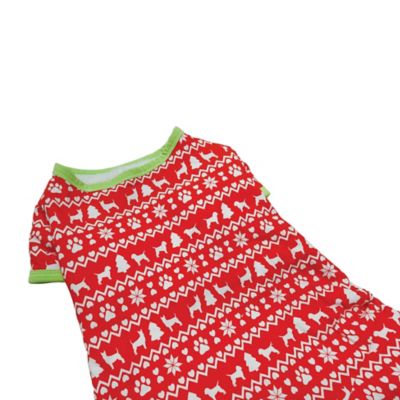
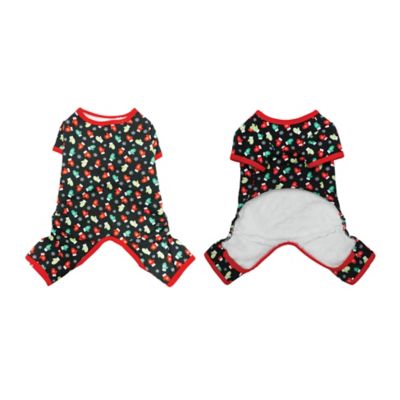
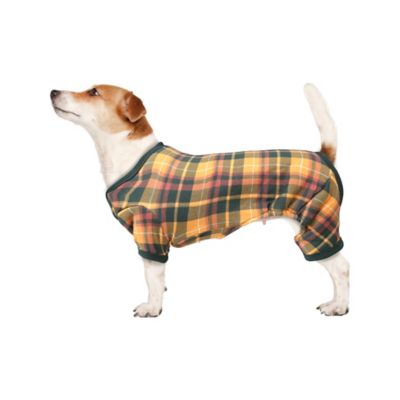
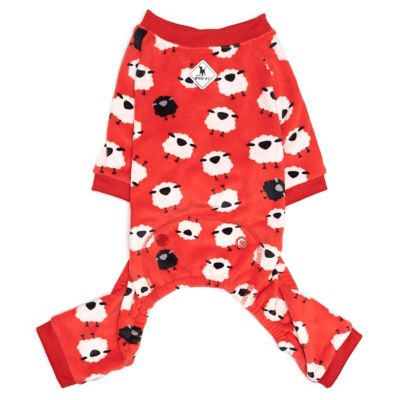
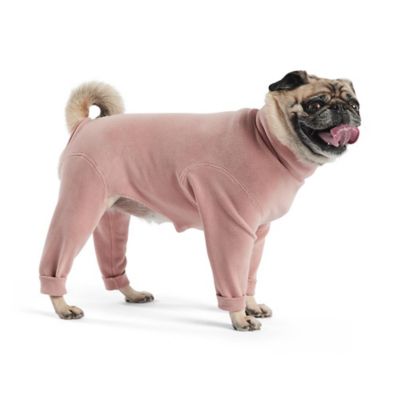
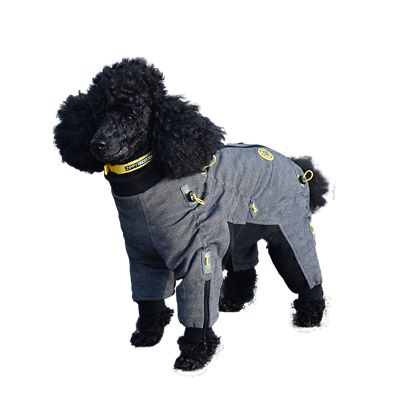
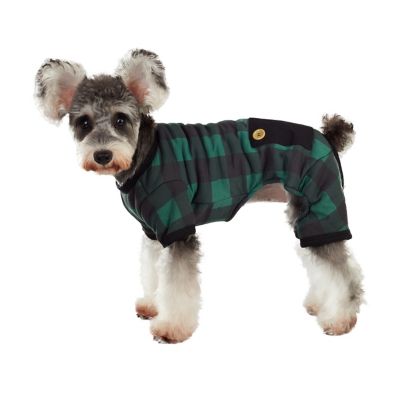
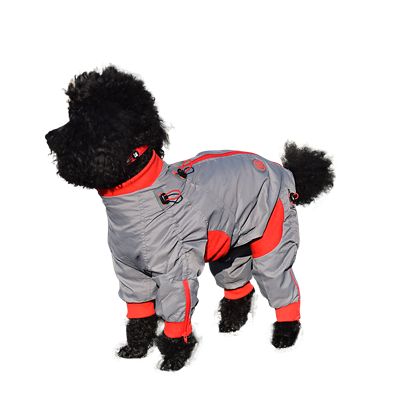
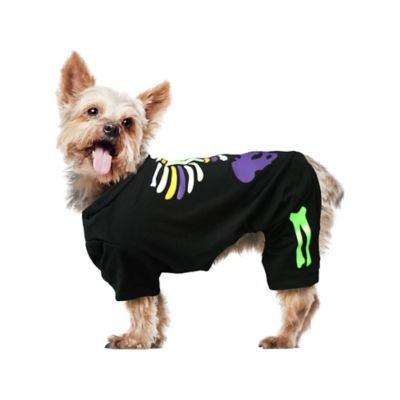
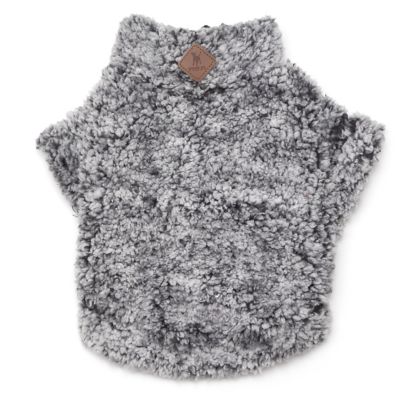
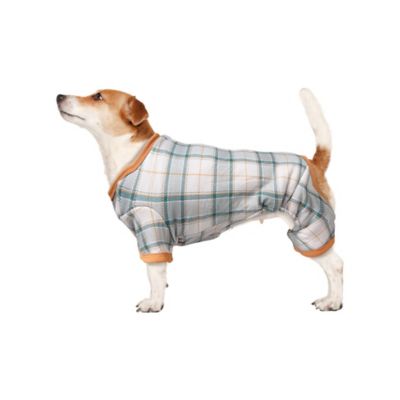
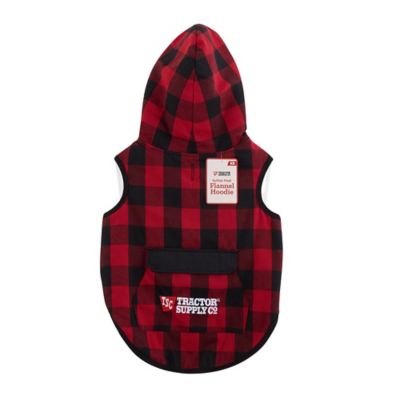
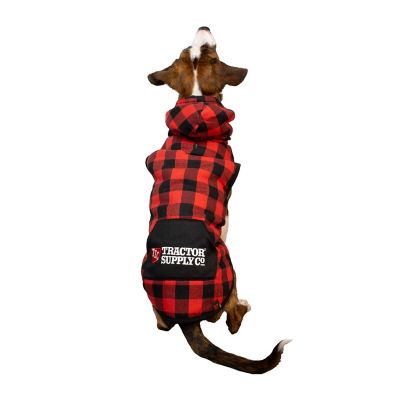
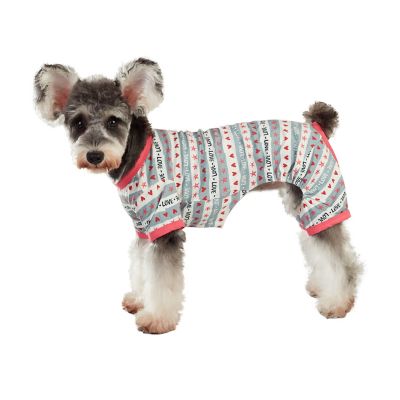
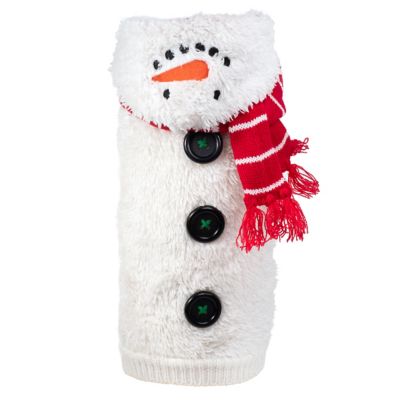
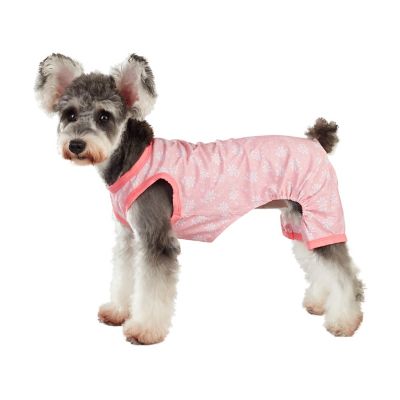
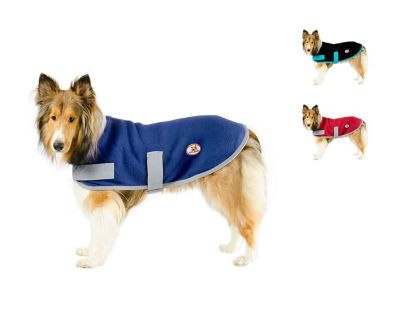
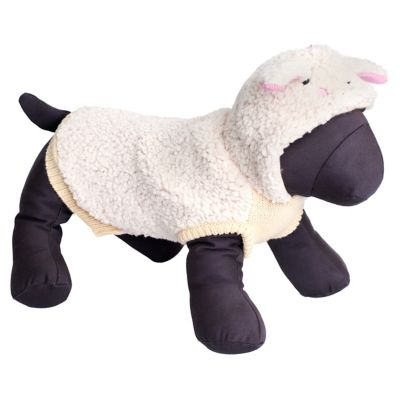
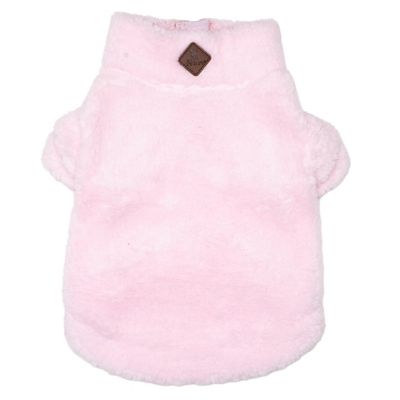
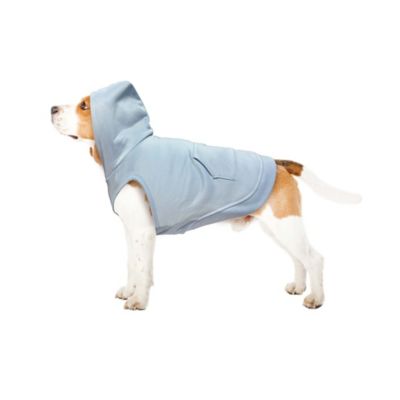
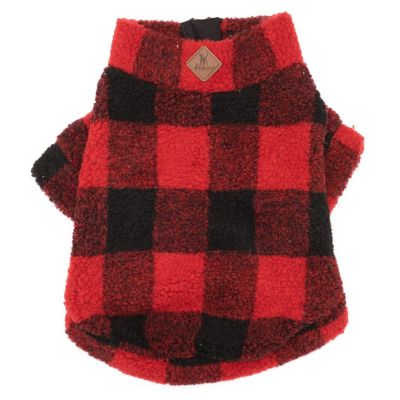
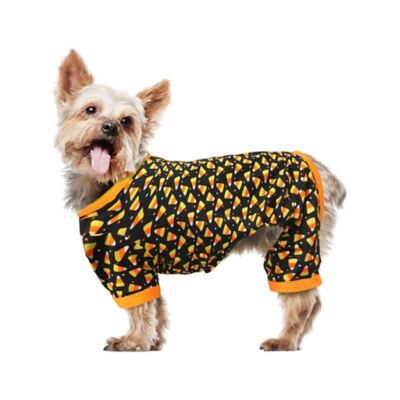
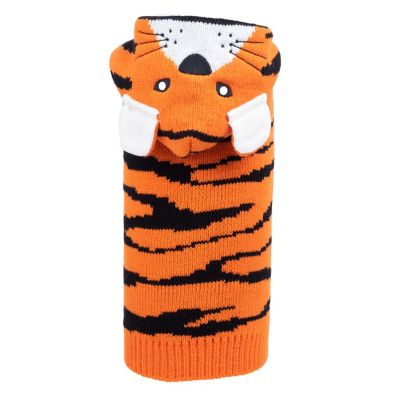
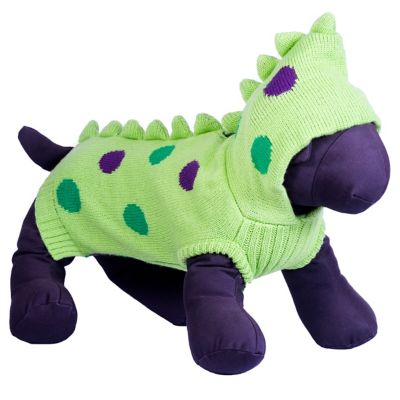
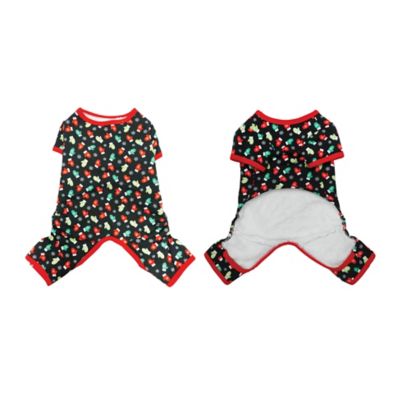
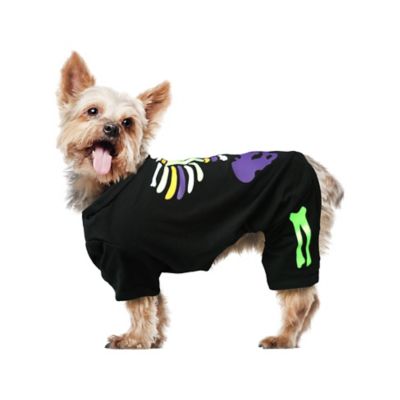
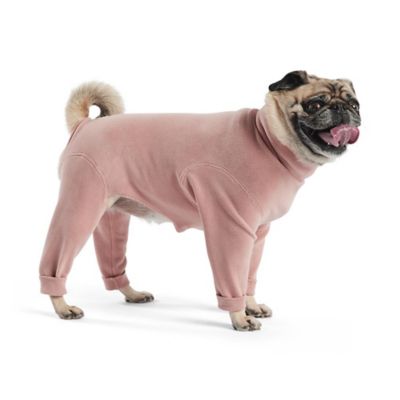
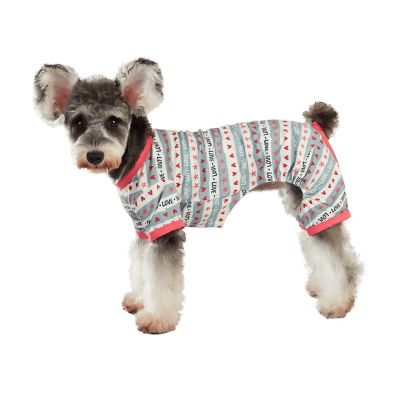
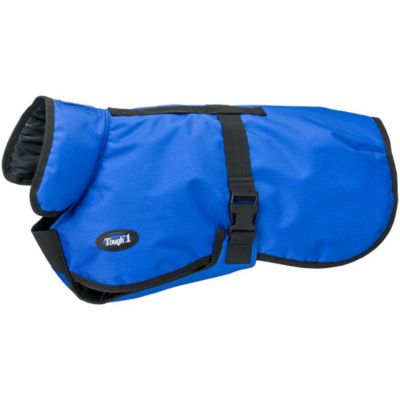
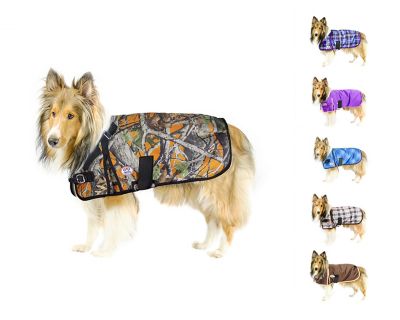
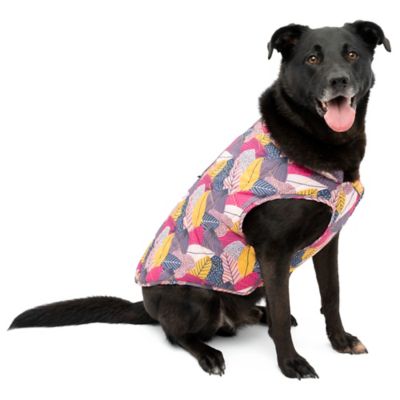
Dog pajamas for cold weather can help make chilly nights more comfortable for dogs that feel the cold, especially short-haired breeds, lean dogs, puppies, older pets, and dogs with thin or clipped coats. A well-fitting layer can hold in body heat while your dog settles on the couch, curls up in a crate, or rests in an unheated mudroom during the cooler months. Pajamas may also be useful for dogs that shiver after coming in from a walk, spend time in drafty farmhouses, or need a little extra coverage between seasons when the temperature drops after sunset. Full-body styles cover the torso and may extend along the legs, helping keep fur cleaner and reducing loose hair on bedding and furniture. Other designs focus on the back and belly while leaving more room around the legs for dogs that prefer a lighter feel. Fabric makes a noticeable difference. Lightweight cotton or thermal knit can add gentle warmth without feeling bulky, while fleece and flannel offer a cozier layer for colder conditions. Look for soft, breathable materials with smooth seams and comfortable stretch so your dog can stand, lie down, turn around, and walk normally. Pajamas can be a thoughtful gift for a new puppy owner, a friend with a senior dog, or anyone whose four-legged companion sleeps near a drafty door or window. They are also handy for households that enjoy evening porch time, weekend trips, or winter travel with the family dog. For larger breeds, broad-chested dogs, and long-backed dogs, take a look at
Dog Pajamas for Large Dogs to find sizing options made with bigger proportions in mind.
Getting the right fit matters more than choosing the cutest pattern. Before ordering, measure your dog while standing naturally on all four feet. Check the back length from the base of the neck to the base of the tail, measure around the fullest part of the chest, and note the neck circumference where a collar usually rests. Weight can help narrow down a size, but body shape varies widely between breeds, so compare your measurements with the size chart for each style. A stocky bulldog, slim greyhound, barrel-chested retriever, and long-bodied dachshund may all need different proportions even at a similar weight. The pajama opening should sit comfortably without pressing into the throat or rubbing behind the front legs. Make sure the belly area leaves enough room for normal bathroom habits, especially for male dogs, and check that cuffs do not bunch around the paws. A little stretch is useful, but clothing should not hang loose enough to catch on furniture, fencing, crates, or outdoor brush. If your dog falls between sizes, consider the larger option only when the design remains secure and does not drag; an oversized garment can twist, trip, or become tempting to chew. Introduce new pajamas gradually by letting your dog sniff them first, then trying them on for a short period with praise and a favorite treat. Some dogs adjust in minutes, while others need several calm sessions before they settle into the new sensation. Watch the way your dog moves and rests rather than relying only on appearance. A comfortable dog should be able to walk freely, stretch, lie down, and change positions without fussing.
Cold-weather pajamas are best used as an indoor comfort layer or for supervised time outside, not as a replacement for proper shelter, exercise judgment, or veterinary care. Keep an eye out for panting, restlessness, repeated scratching, chewing at the fabric, dampness, or unusual reluctance to move, since these may signal that the garment is too warm, tight, or irritating. Remove clothing before leaving a dog unsupervised for long periods, particularly if the pajamas have loose ties, snaps, decorative pieces, or fabric that could snag. Check the garment regularly for worn seams and wash it according to the care instructions so dirt, dander, and barn dust do not build up against the coat. Dogs with skin conditions, healing wounds, allergies, or very sensitive coats may need a veterinarian’s advice before wearing close-fitting clothing. Pajamas can be especially useful after a bath, following a haircut, or during quiet indoor recovery, but they should never replace a clean, dry sleeping area and access to fresh water. For dogs that spend time in a barn, kennel, or outdoor run, use cold-weather clothing only when it is appropriate for the conditions and stay alert to wet fabric, wind, and changing temperatures. A warm dog bed, draft-free resting spot, and regular checks are still important. With thoughtful sizing, a suitable fabric, and supervised use, dog pajamas can add a simple layer of comfort to cool evenings and help cold-sensitive companions settle in for a sound night’s sleep.