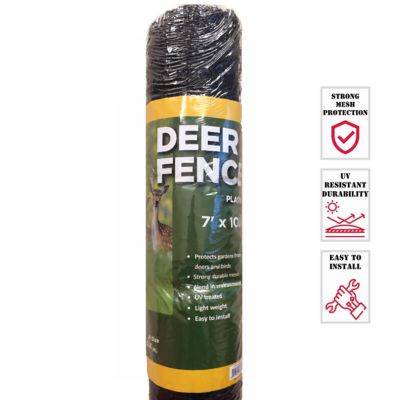
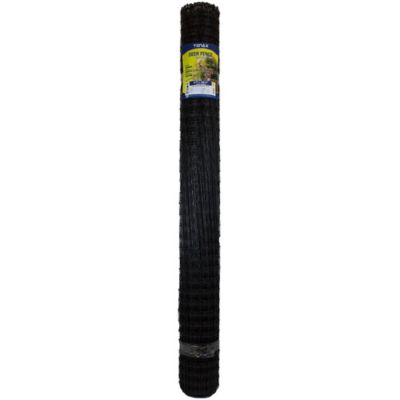
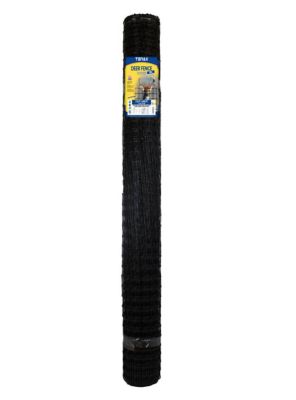
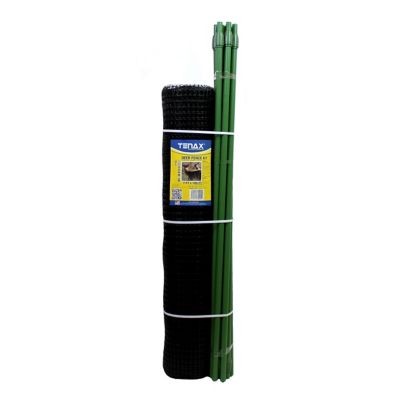
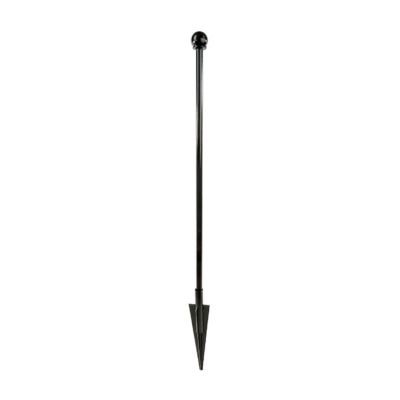
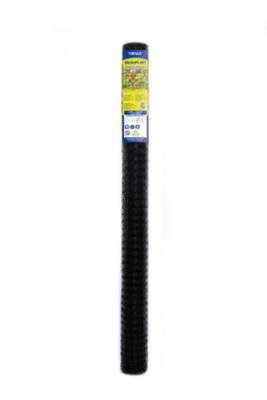
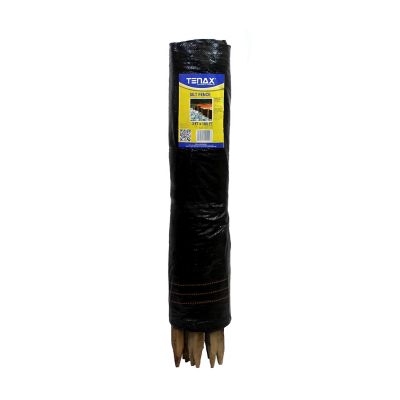
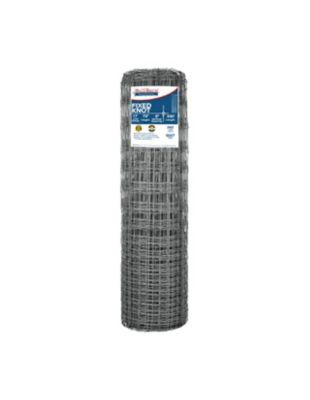
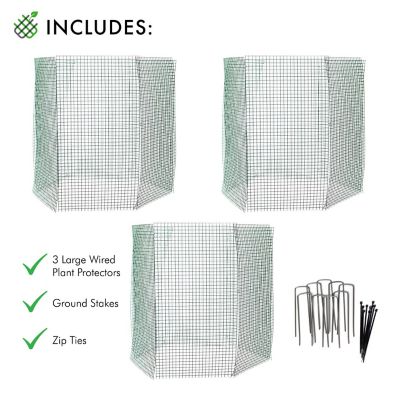
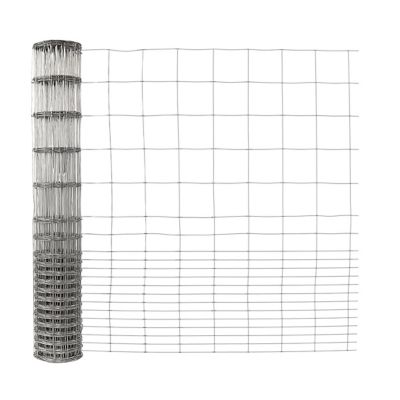
Deer fencing, garden netting, repellents, and motion-activated deterrents serve different roles in keeping deer out of gardens, from enclosing a vegetable patch to protecting a few favorite shrubs. For a full garden enclosure, fencing around 8 feet tall is a common recommendation because deer can jump shorter barriers, especially when there is an inviting meal on the other side. No barrier makes every property deer-proof, but height, a continuous perimeter, and a securely closed gate give a fence a better chance of doing its job. A garden along a wooded fence line may need a more substantial enclosure than a small bed beside a busy porch. Galvanized steel, coated wire, and polymer mesh each offer different benefits worth considering. Metal mesh provides a firm barrier, while polymer mesh is generally lighter and less noticeable against trees and grass. Wire gauge, mesh thickness, coating, and resistance to outdoor exposure all affect how a barrier holds up over time. A light net draped over plants is not the same as a properly supported perimeter fence; loose material can snag, sag onto tender stems, or leave openings where an animal can push through. Mesh opening size matters, too, particularly where smaller animals share the same garden. Posts, corners, braces, and fasteners need to suit the chosen fence material and height, with enough support to keep the enclosure upright without overstretching it. On uneven ground, a fence that looks closed from the driveway may still have a gap beneath it along a low spot. Secure lower edges help prevent deer from nosing under the barrier. Two parallel fences can also discourage entry, although that arrangement takes additional ground and depends on spacing, height, and deer behavior. Gate width deserves just as much attention as fence height. A narrow opening may be fine for carrying a harvest basket, but a wheelbarrow, mower, or loaded garden cart needs more room. A latch that closes firmly and a gate that maintains the surrounding barrier height help keep everyday garden access from becoming an easy entry point for deer.
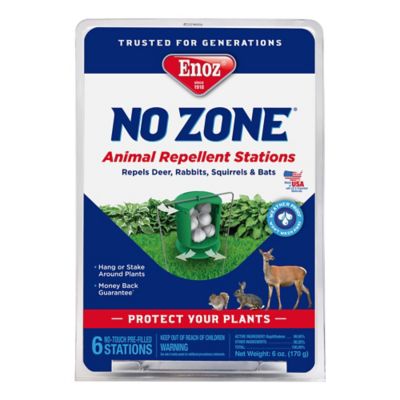
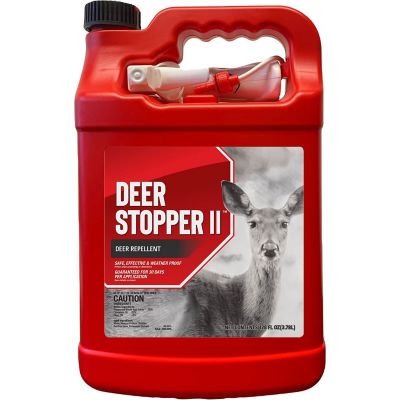
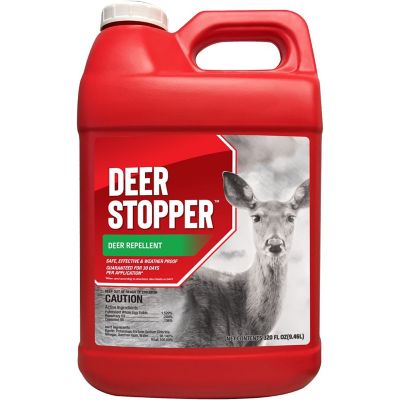
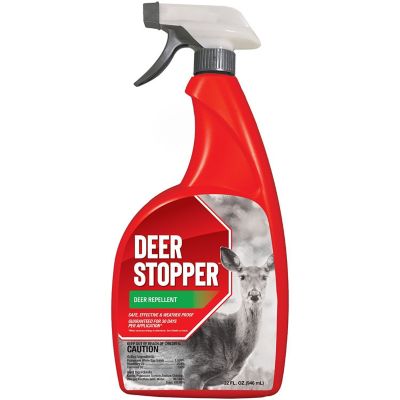
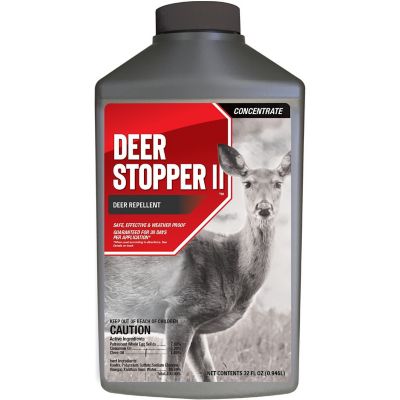
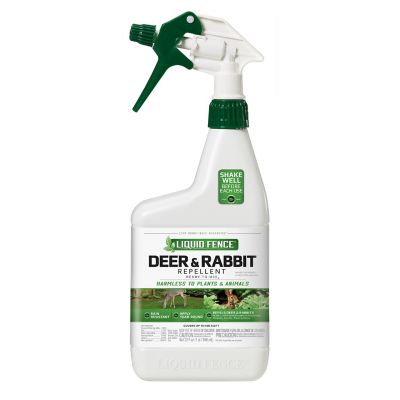
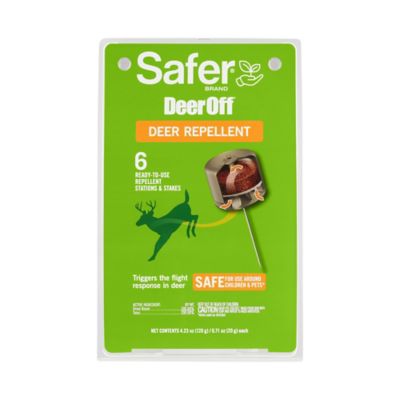
Deer repellents offer another layer of protection, especially around individual plants, beds that cannot easily be fenced, and shrubs outside an enclosure. Scent-based formulas aim to discourage deer from approaching, while taste-based formulas make treated foliage less appealing to browse. Some combine both approaches. These products are deterrents, not physical barriers, and results depend on deer pressure, nearby food sources, and whether deer already make regular visits to the garden. A deer that passes through occasionally may respond differently from one that has been feeding in the same bed for weeks. Ready-to-apply liquids, concentrates, and granular formulas call for different application equipment and upkeep, so the format should fit the space and the amount of tending it needs. A few shrubs beside the house present a different task from a long planting bed along a pasture fence. Label directions determine where a repellent belongs, how much to apply, and when treatment needs repeating. That is especially important in vegetable gardens: not every formula is labeled for edible plants, and some have restrictions on contact with harvestable portions. New leaves may need attention even when older foliage still carries a treatment. Strong-smelling ingredients can also affect where a formula makes sense around a porch, walkway, or outdoor gathering spot. Storage requirements, precautions around children and animals, and application timing belong in the selection process, not as an afterthought once the container is open. Repellents work best as part of a broader protection setup rather than as a promise that deer will never return. Deer-resistant planting can support that setup, although resistant does not mean deer-proof. Plants with strongly scented leaves, coarse textures, or less appealing foliage may receive less browsing, but hungry deer can sample plants they normally pass by. Existing tracks, clipped stems, and repeated damage along an edge help show where protection is most needed without requiring every planting area to receive the same treatment.
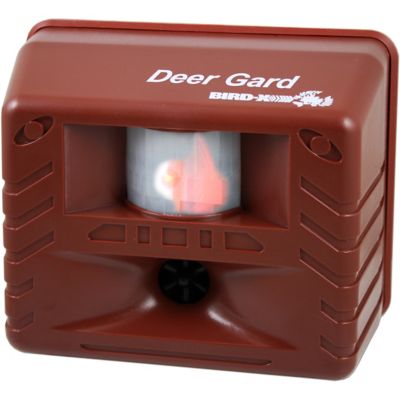
Motion-activated deterrents can help protect spots where a full enclosure would interfere with access or leave too much planting space outside the fence. Water-based devices respond to movement with a sudden spray, while other devices rely on sound or light. Their usefulness depends on placement, detection range, power supply, and how deer respond over time. Animals can become familiar with a repeated disturbance, so these options are better viewed as supporting measures than as replacements for a substantial barrier where browsing is persistent. A sprinkler-style deterrent needs a suitable hose connection and a spray pattern that reaches the approach to the bed without soaking a path every time someone walks past. Battery-powered equipment brings battery checks into the routine, and any sensor needs a clear view of the area it is meant to monitor. Nearby roads, neighboring property, children’s play areas, and livestock spaces also matter when choosing a location. For larger rural gardens, protection may work better around the growing area itself than across an entire property boundary. Smaller gardens often benefit from an enclosure that leaves enough room to kneel beside beds, carry tools, and reach plants without rubbing against the fence. Related
Garden Protection options can help address other needs around those same beds, especially where rabbits or other small animals also leave damage. Ongoing care is part of choosing a setup that fits daily life. Fence coatings deserve a check wherever wire rubs against a post, mesh needs attention if a mower catches an edge, and gates should swing without dragging or leaving an opening underneath. Repellent containers and application tools need storage and cleaning according to their labels. For a home gardener, a small-acreage grower, or someone tending flowers beside the barn, the best-fitting protection is equipment that matches the garden’s layout, the level of browsing, and the upkeep that can realistically get done. A secure enclosure paired with sensible deterrents helps protect the work already put into those rows and beds.