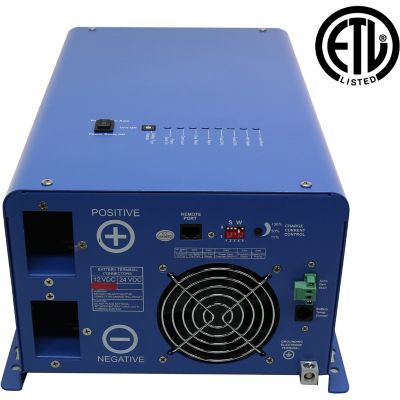
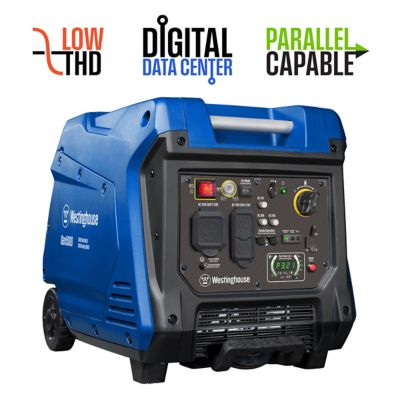
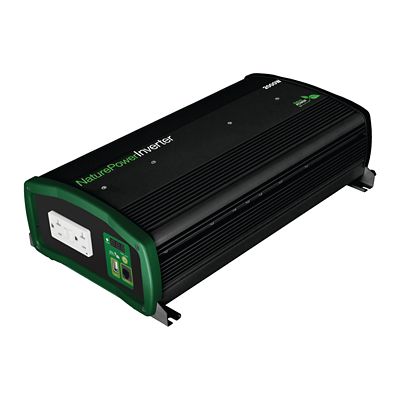
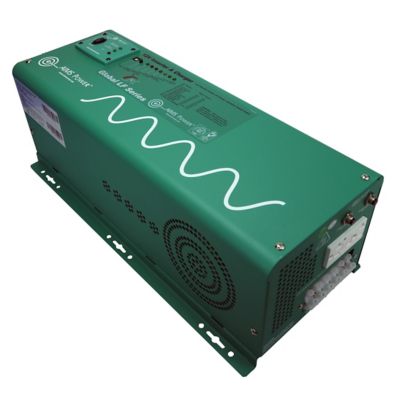
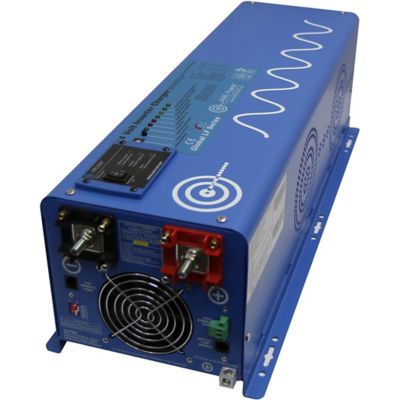
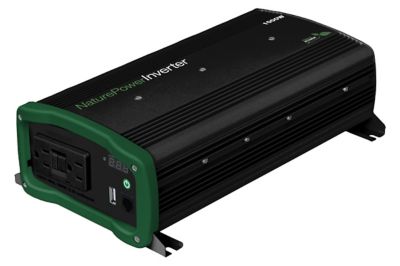
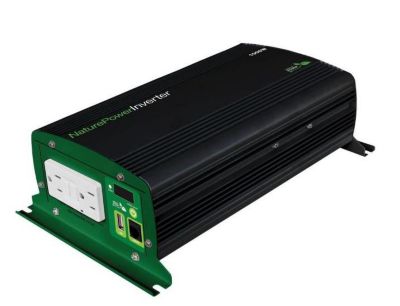
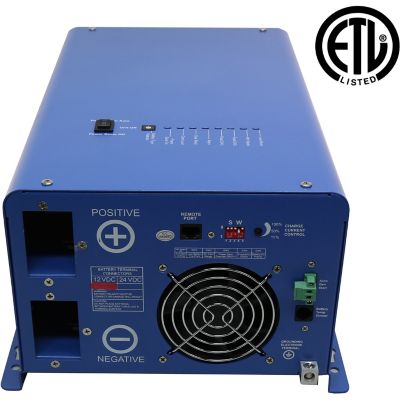
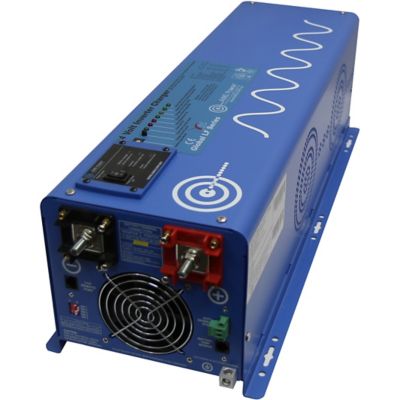
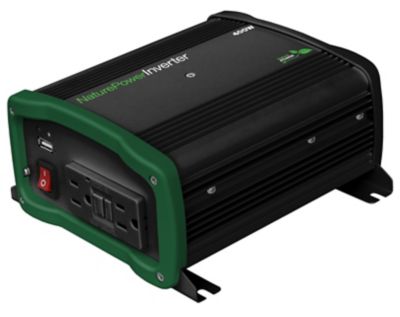
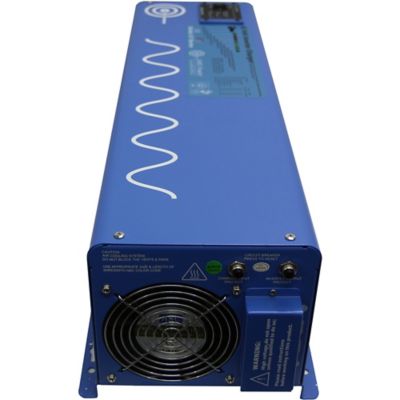
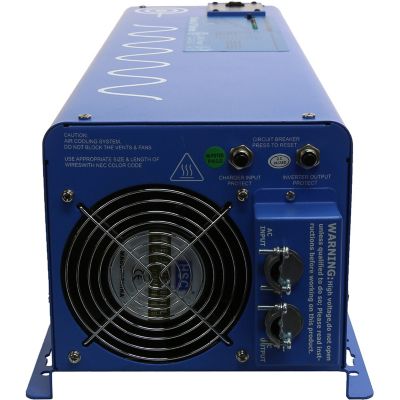
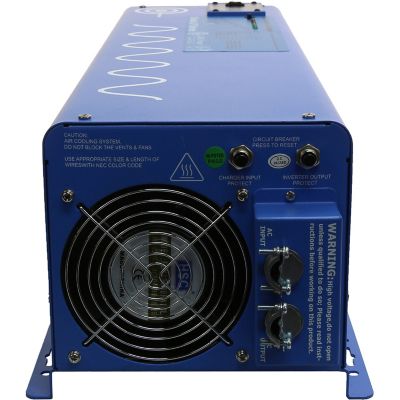
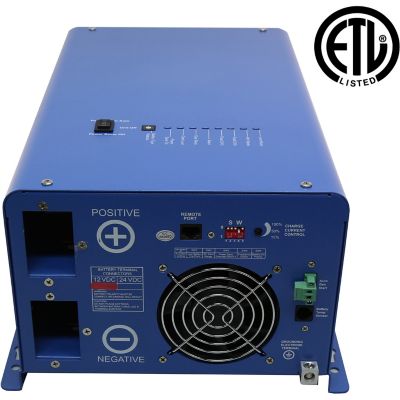
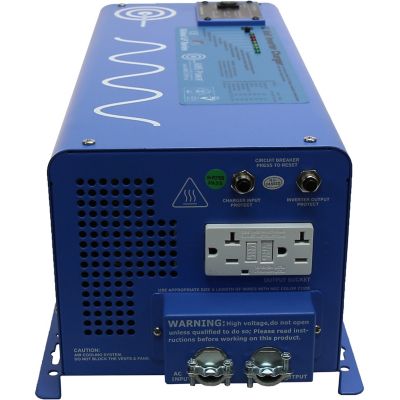
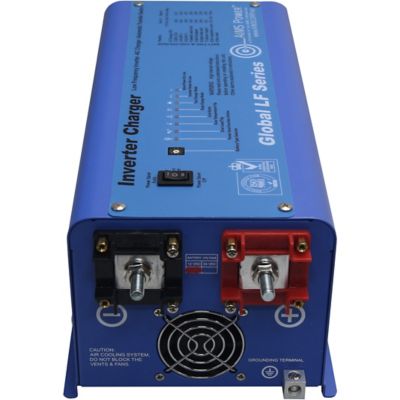
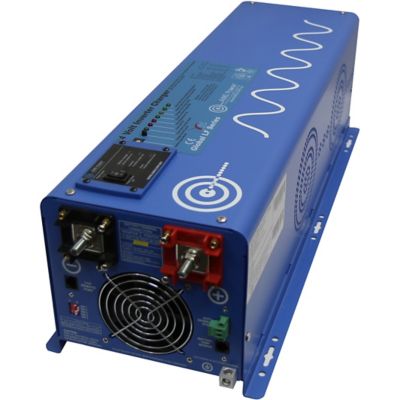
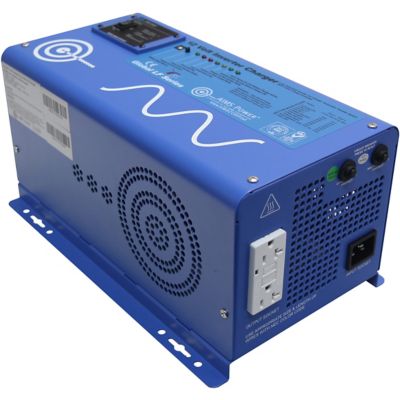
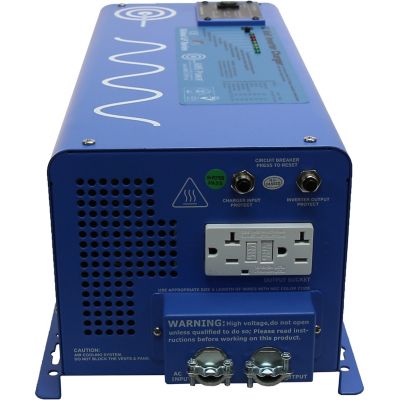
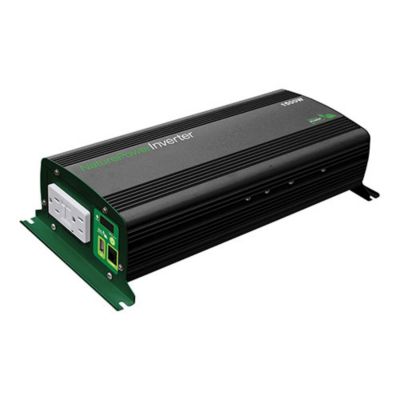
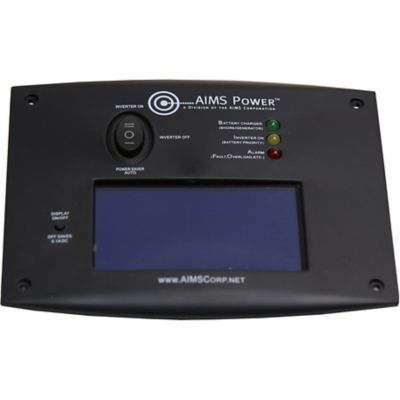
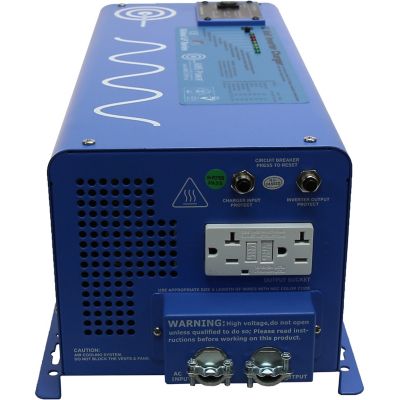
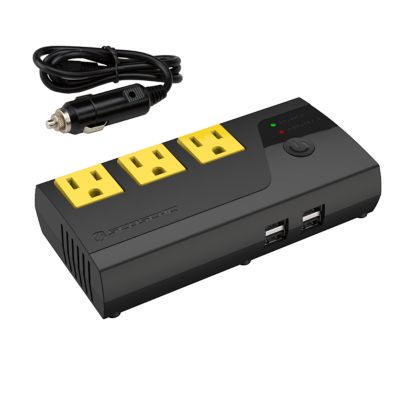
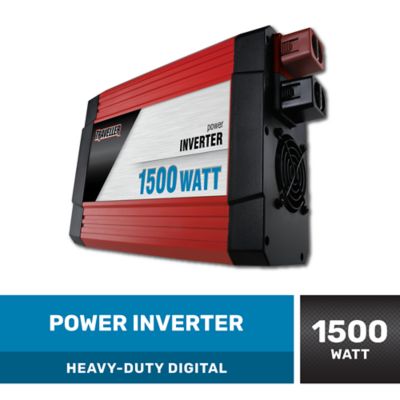
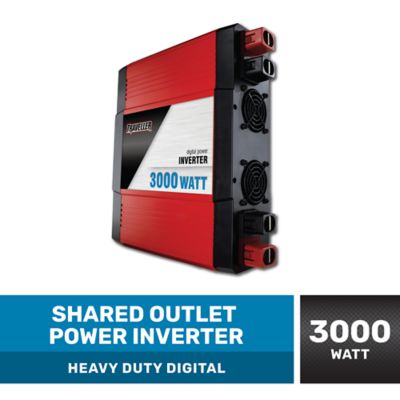
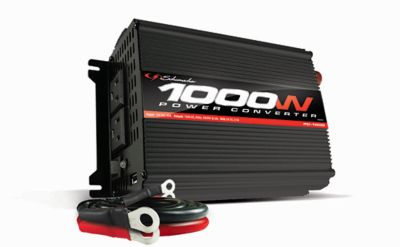
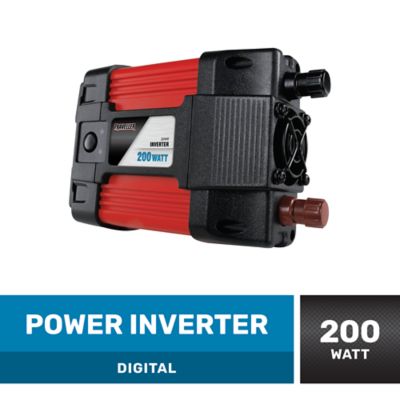
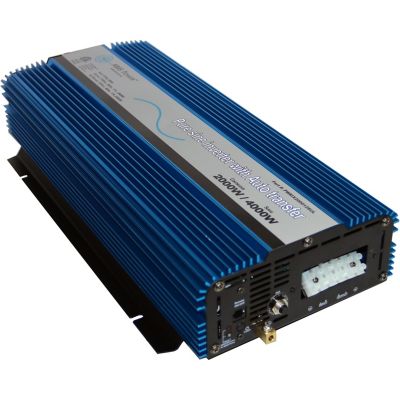
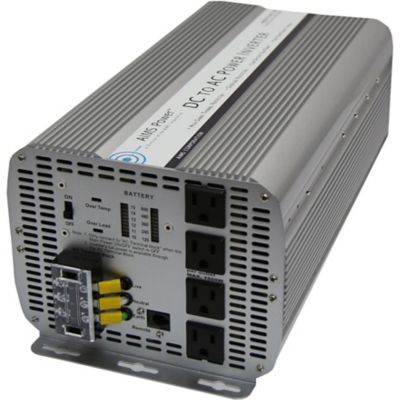
An inverter for campers helps turn the 12-volt DC power stored in your RV or camper battery bank into 120-volt AC power for everyday household-style devices. That can make a quiet spot beside a creek feel a whole lot more comfortable, especially when you need to charge a laptop, run a television, use a CPAP machine, power a small appliance or keep phone chargers working away from a campground hookup. Inverters are useful for weekend campers, full-time RV travelers, hunters, tailgaters, mobile workers and anyone who likes having dependable backup power close at hand. They can also be a thoughtful gift for a new camper or a seasoned traveler who spends time boondocking, dry camping or working from a truck or trailer. Before choosing one, make a list of the devices you expect to run and check each item’s wattage. A small charger or fan takes far less power than a coffee maker, microwave, refrigerator, power tool or other heating appliance. Add the running wattage of the devices you may use at the same time, then leave room for startup demand. Motors and compressors can draw a brief surge when they kick on, so an inverter’s surge rating matters just as much as its continuous wattage rating. A unit with too little capacity may shut down, overheat or place unnecessary strain on the battery system. You’ll also want to match the inverter to your camper’s electrical setup, including battery voltage, battery capacity, cable size, fuse protection and available mounting space. Some setups use a portable inverter that connects when needed, while others use a permanently mounted unit wired into the camper’s battery bank and selected outlets. Portable options can be handy for occasional use, truck camping or moving between vehicles. A mounted setup can offer a cleaner, more convenient way to power designated outlets throughout a camper. Review the installation instructions carefully, and use properly sized cables and overcurrent protection. When the right equipment is selected and installed correctly, an inverter can provide useful AC power without running a generator every time you need to charge a device or operate a small appliance.
Understanding the difference between an inverter and a converter can make shopping easier. An inverter changes 12-volt DC battery power into 120-volt AC power, which is the type of electricity used by standard household plugs. A converter works in the opposite direction by taking 120-volt AC power from shore power and changing it to 12-volt DC power for camper lights, fans and other DC equipment while helping charge the batteries. Many campers have a converter from the factory, but an inverter may need to be added depending on the design and how you plan to camp. Inverter output is another important consideration. Modified sine wave models are often suited to basic loads and simple tools, while pure sine wave models produce smoother, cleaner power that is generally preferred for sensitive electronics such as laptops, televisions, medical equipment, audio gear and modern chargers. If you plan to power delicate or expensive equipment, check the manufacturer’s requirements rather than assuming every device will operate the same way. Inverter/charger combinations are also available for campers that need one system to handle battery charging, AC power and automatic switching between shore power and battery power. These integrated setups can simplify wiring, but they require careful attention to capacity and installation. A battery bank can only provide as much energy as its size and condition allow, and drawing heavy loads for long periods may drain it faster than solar panels or a charging system can replace it. Keep an eye on battery levels, provide ventilation where required and avoid covering the inverter while it is operating. Never use an inverter in a wet location, and do not connect it in a way that could backfeed campground wiring or household circuits. Follow all electrical codes and manufacturer directions, and have a qualified RV technician handle permanent wiring if you are not comfortable working with camper electrical systems. To compare options for different vehicles, battery setups and camping needs, browse
12V DC Inverters and look for the wattage, surge rating, outlet style, protection features and installation requirements that fit your setup. A little planning before pulling out of the driveway can mean easy coffee at sunrise, reliable charging during a chilly evening and one less thing to worry about when the nearest power pedestal is miles away.