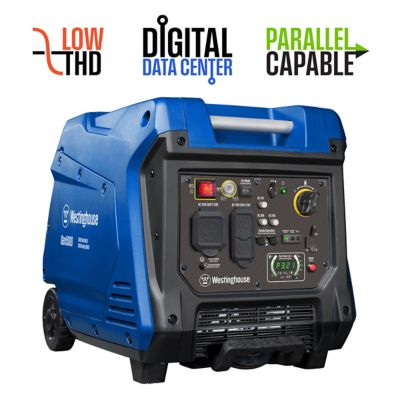
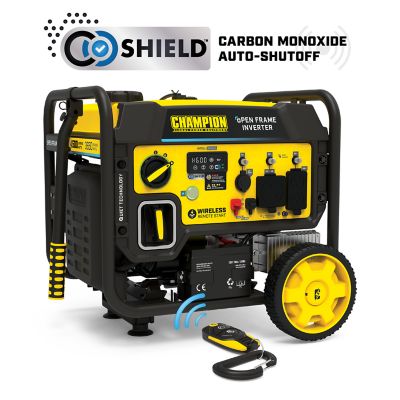
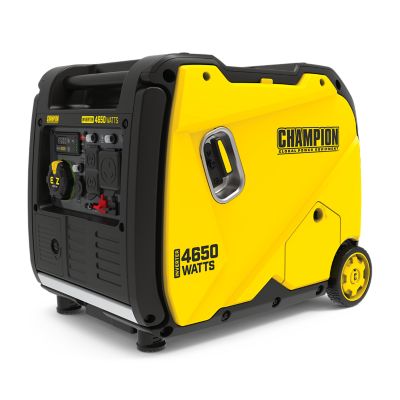
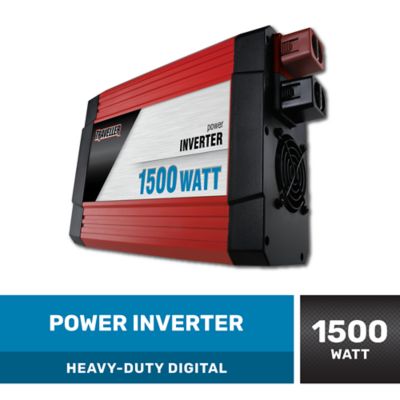
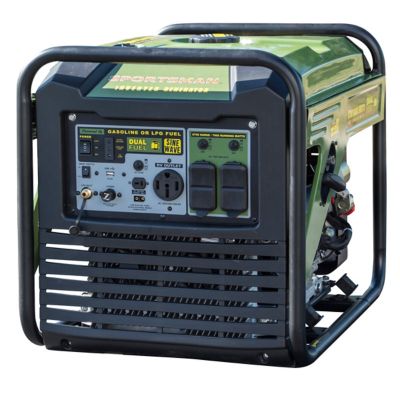
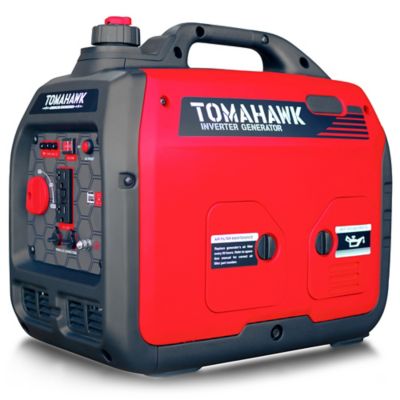
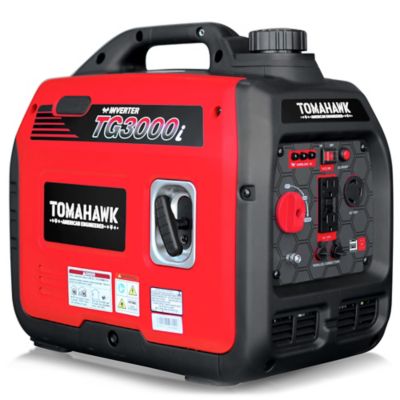
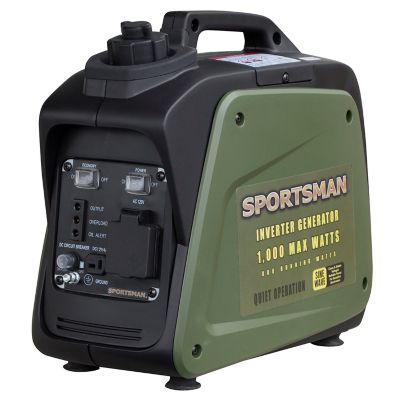
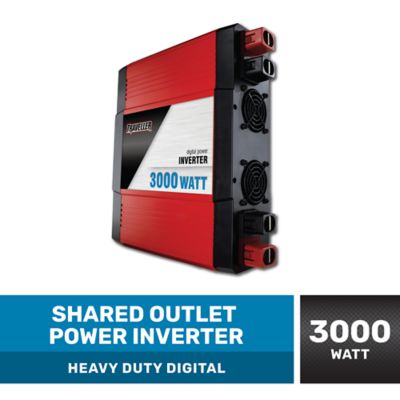
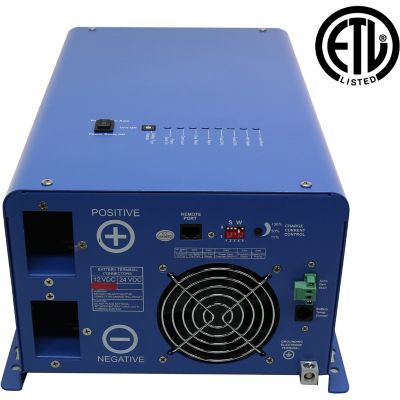
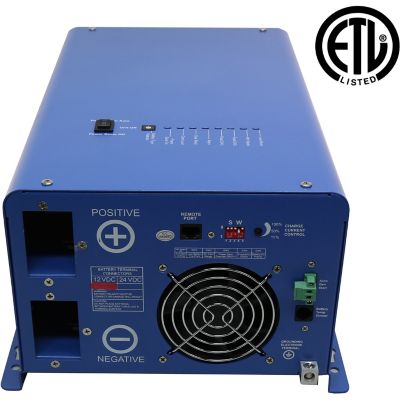
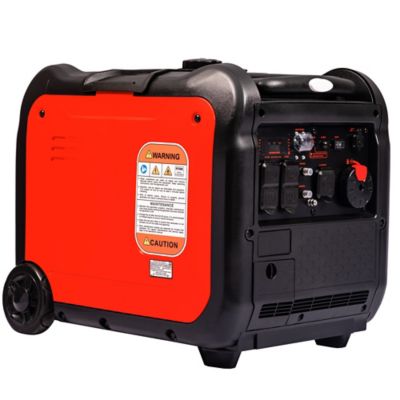
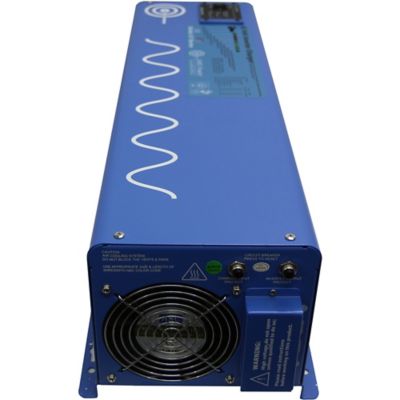
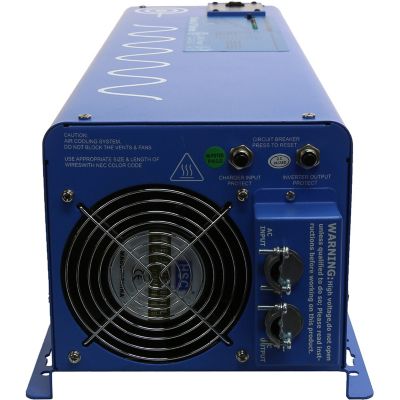
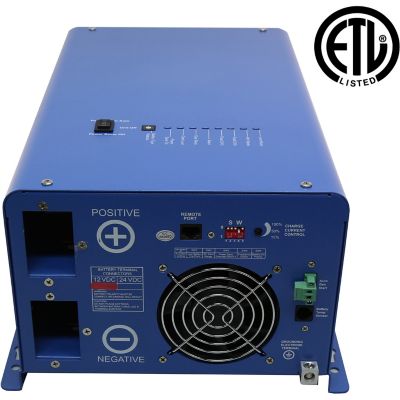
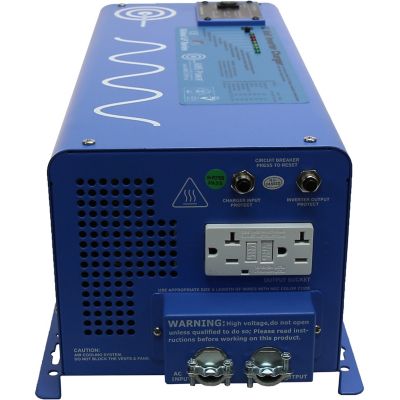
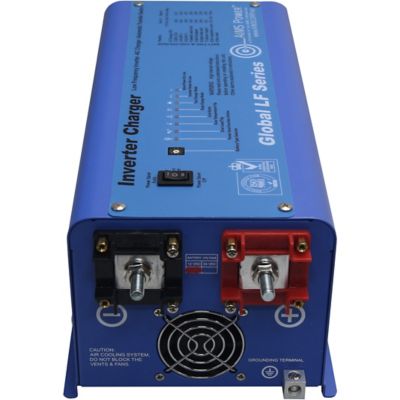
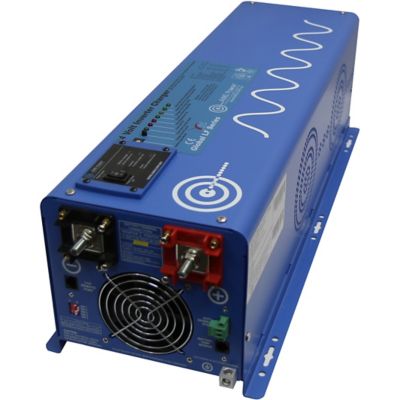
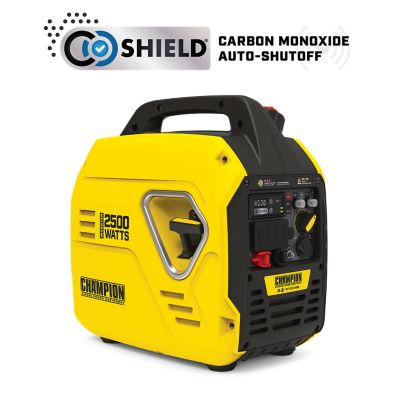
Inverter generators for camping offer a handy way to bring dependable electricity along when you’re headed to a tent site, hunting camp, tailgate, or remote piece of land. Unlike a basic portable generator, an inverter model adjusts engine speed to match the electrical load and produces steady, clean power for sensitive devices such as phones, tablets, laptops, cameras, and CPAP machines. That efficient operation can also mean less fuel use and a quieter campsite, especially when the generator is only charging a few devices or running a string of lights. Many models operate at a sound level similar to a normal conversation when lightly loaded, which helps keep the evening peaceful for your own crew and respectful of nearby campers. They’re useful for keeping a small refrigerator or cooler powered, charging cordless tool batteries, running a fan, or adding a little comfort to a weekend outdoors. During the warmer part of the year, a compact unit may be all you need for lights, a portable fan, and personal electronics. As the weather turns cooler, it can help keep communication devices charged, power a heated blanket designed for outdoor use, or support a small electric appliance at camp. For more information about related options and uses, visit
Inverter For Campers.
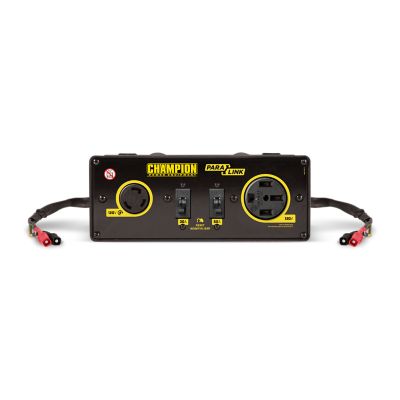
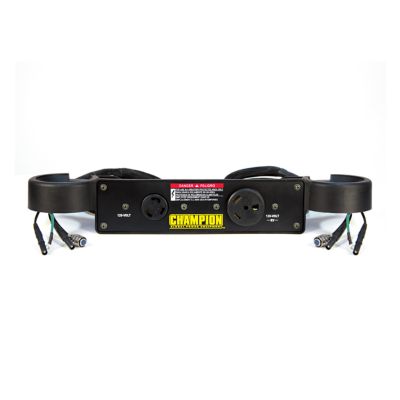
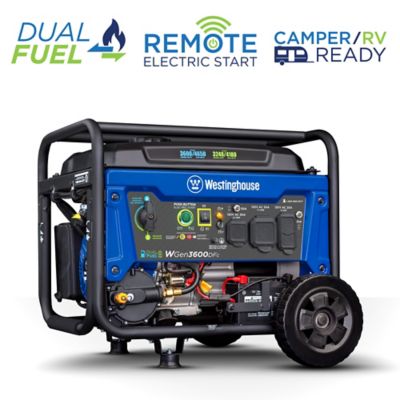
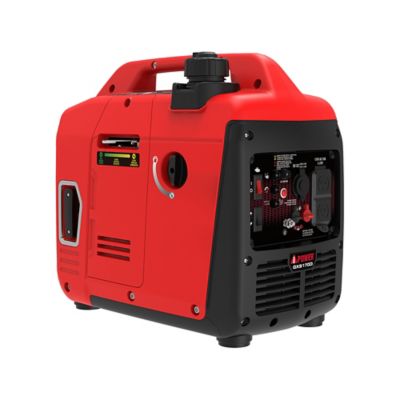
The right size depends on the equipment you plan to use, not just the number of outlets on the generator. Start by making a list of each appliance or device, then check its running wattage and starting wattage. Lights, phone chargers, small fans, and camera batteries usually require relatively little power, making a lightweight generator in the roughly 1,000- to 2,200-watt range a practical choice for tent camping or a truck-bed setup. A small refrigerator, coffee maker, microwave, or other appliance with a motor or heating element may need more power when it starts than it does while running, so leave room for that initial surge. If you’re camping in a travel trailer or small RV, look at mid-sized inverter generators in the roughly 3,000- to 4,500-watt range, especially if you want to operate an air conditioner. Check the trailer’s connection requirements and look for a compatible 30-amp RV outlet when needed. Some generators can be connected in parallel with a matching unit to increase available power, but the manufacturer’s instructions and approved connection equipment should always be followed. Portability matters just as much as output. A unit that fits easily in a car trunk may be ideal for a tent camper, while a larger RV-ready generator might be better suited to a truck bed, cargo carrier, or permanent camping setup. Handles, wheels, lifting points, and overall weight make a real difference when the campsite is down a gravel lane or across an uneven patch of ground.
Fuel capacity, runtime, controls, and maintenance are worth considering before you load up and head out. An economy or eco mode can automatically slow the engine when demand is low, helping stretch the fuel supply and reduce noise around camp. Look for a clear fuel gauge or runtime information if you prefer to keep an eye on consumption, and choose controls that are easy to use with cold hands or low light. Electric start can be convenient on larger models, while a dependable recoil start keeps a compact unit simple and ready when a battery is low. Keep fuel stored in an approved container and follow all local storage rules. Before a trip, check the oil level, inspect the cords, and run the generator briefly so you know it starts properly. Every inverter generator must be operated outdoors in a well-ventilated area, far from tents, campers, cabins, doors, windows, and other openings. Never run one inside a tent, vehicle, garage, shed, or covered porch, and keep it away from dry grass and other flammable material. A portable carbon monoxide alarm adds another layer of protection, but it does not replace safe placement and supervision. Keep the generator dry, use outdoor-rated extension cords sized for the load, and let the engine cool before refueling. These generators can make thoughtful gifts for campers, RV owners, cabin caretakers, hunters, anglers, and anyone who enjoys a little extra independence outdoors. A compact inverter generator is easy to appreciate when a storm knocks out power at a rural home, a family gathering needs lights after sunset, or a quiet weekend at the lake calls for charging gear without running a large, noisy machine.