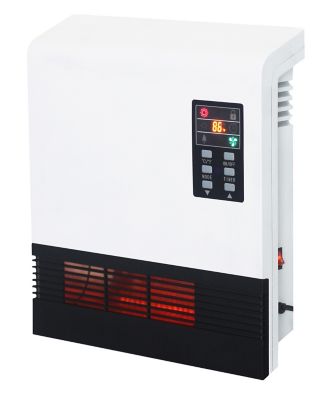
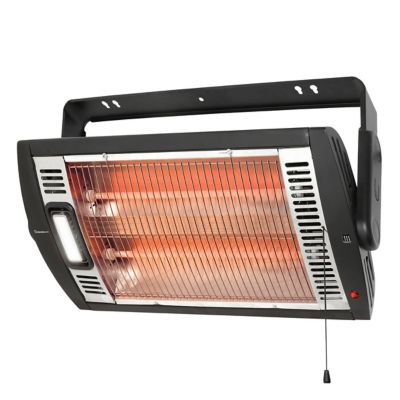
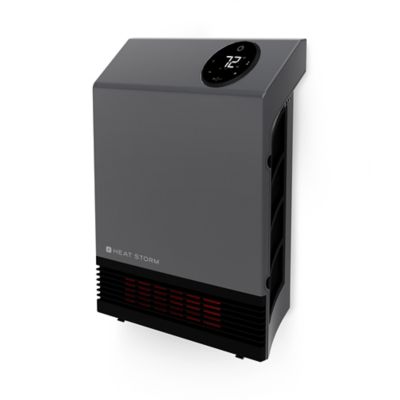
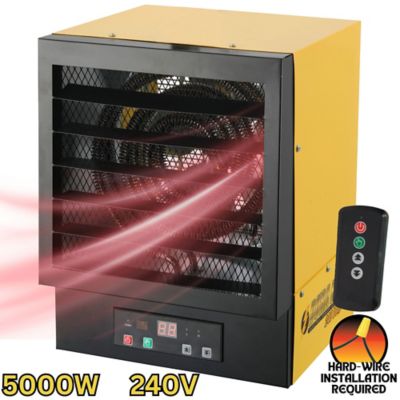
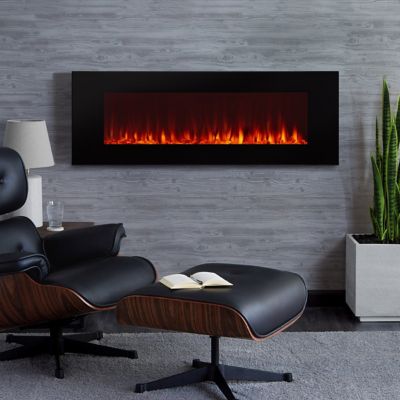
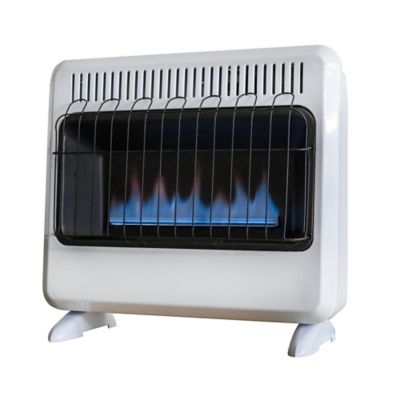
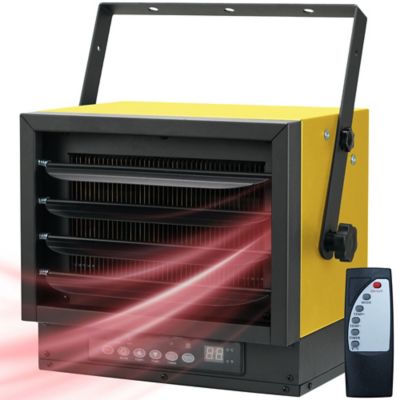
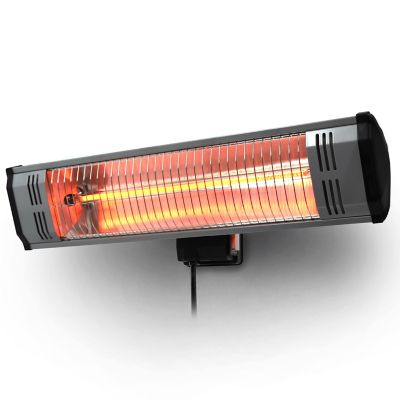
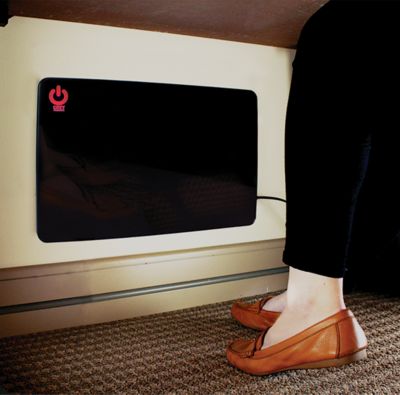
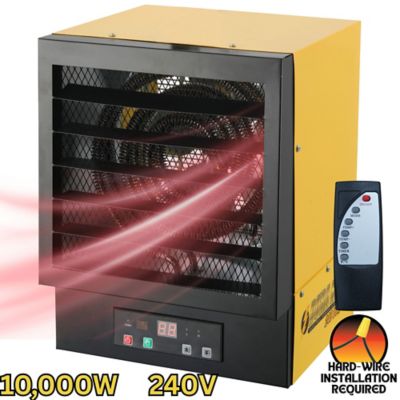
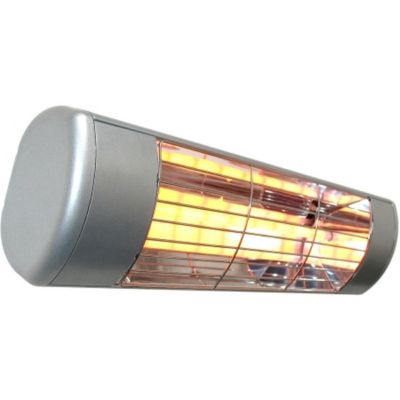
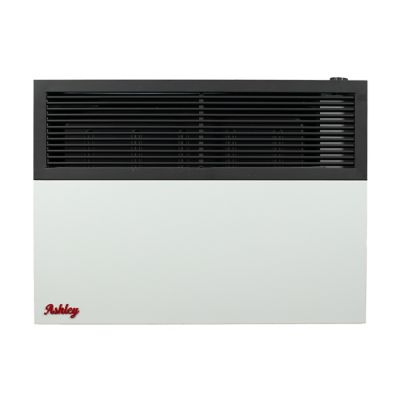
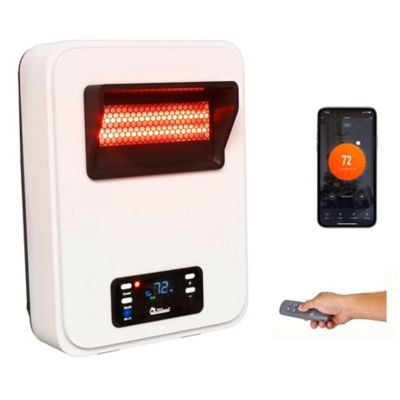
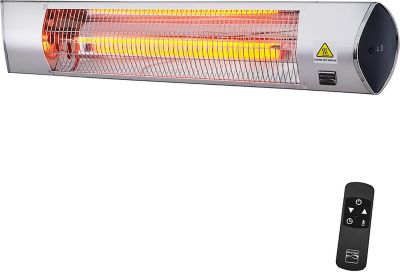
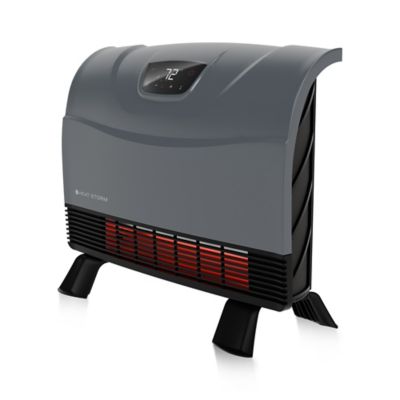
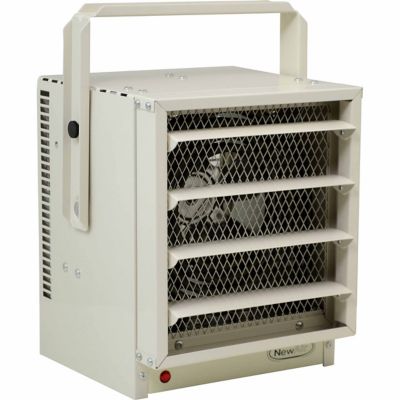
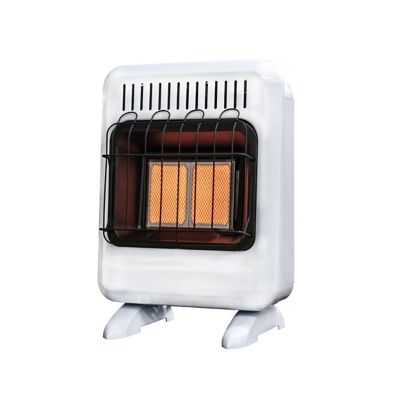
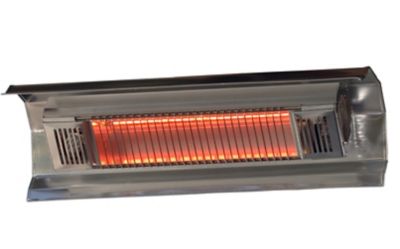
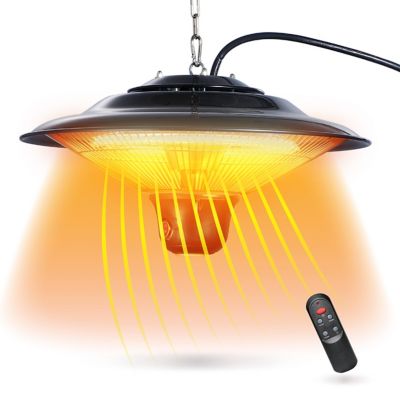
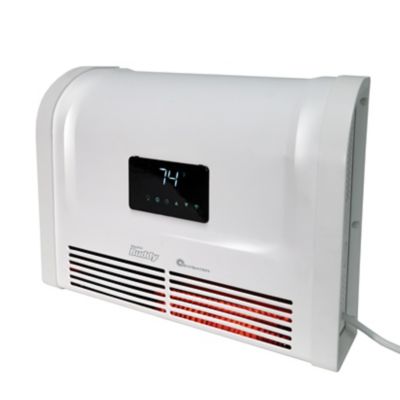
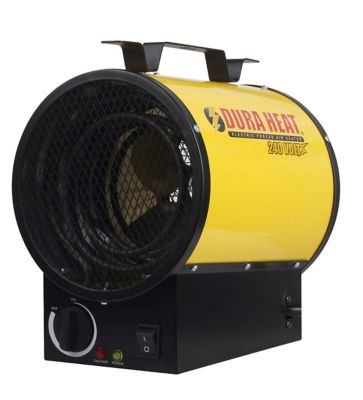
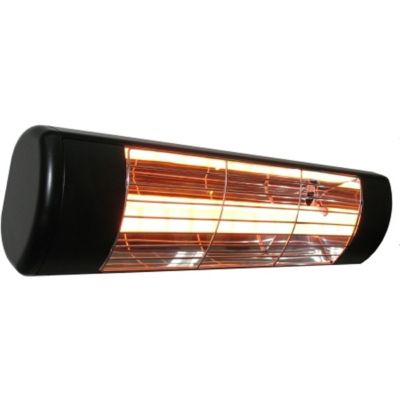
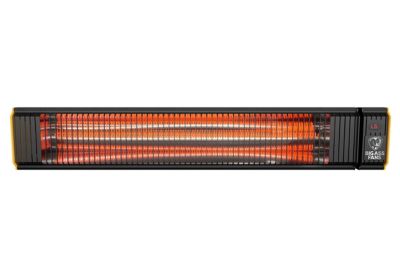
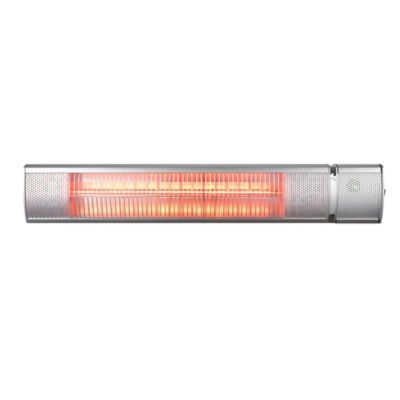
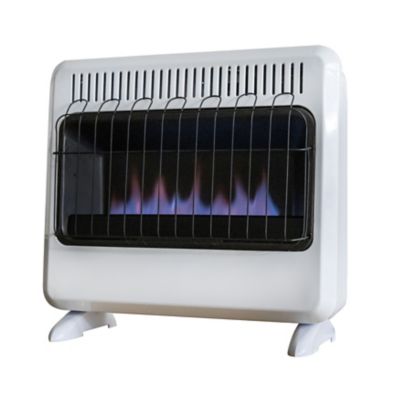
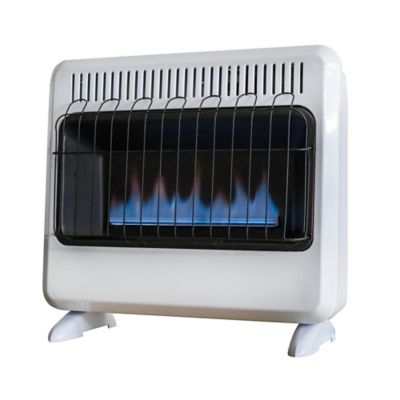
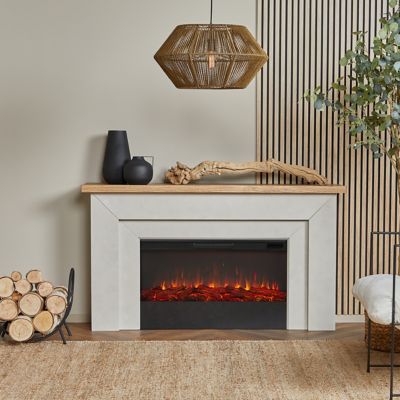
Wall mounted electric heaters are a handy way to add steady, localized warmth without giving up valuable floor space. They can be a good fit for bedrooms, bathrooms, entryways, home offices, enclosed porches, workshops, garages and other spots that feel colder than the rest of the house. In a farmhouse mudroom, for example, a wall-mounted unit can take the bite out of the air while boots dry by the door, and in a chilly home office it can make early-morning chores more comfortable without heating every room. These heaters generally warm an area with one of three methods: infrared heat warms people and nearby surfaces directly; convection panels warm the air as it rises through the room; and fan-forced ceramic or electric units move heated air with a built-in blower. Surface-mounted plug-in panels are often a practical choice for supplemental heat because they hang on wall brackets and use a standard 120-volt outlet. Recessed, in-wall units offer a cleaner built-in look and may be well suited for permanent zone heating, but they usually require hardwiring and careful planning around wall framing. Fan-forced models can spread warmth more quickly, while infrared panels tend to operate quietly, which is useful in a bedroom, nursery or reading corner. A wall-mounted electric heater may also appeal to someone settling into a new home, outfitting a detached workspace or looking for a useful gift for a handy friend who spends long hours in a garage or barn office. For a decorative option that combines warmth with a hearth-style appearance, browse
Electric Wall Mounted Fireplaces.
Choosing the right wall mounted electric heater starts with the room and the job you want it to do. Measure the space and consider ceiling height, insulation, windows, exterior walls and drafts from doors. A standard 1,500-watt heater may cover roughly 150 to 750 square feet, but the actual comfort range can vary widely depending on whether the heater is the primary heat source or simply helping an existing system, along with the climate and construction of the room. A well-insulated office with a closed door may warm more easily than a drafty workshop with a tall ceiling and an overhead garage door. Look for adjustable heat settings and a built-in thermostat so the unit can maintain a comfortable temperature instead of running nonstop. Digital controls, remote controls, timers and smart-home connectivity can make everyday use easier, especially when the heater is mounted across the room or used in a guest room. Some smart models can be managed through an app or voice assistant, while simpler controls may be preferred in a dusty shop or in a home where straightforward operation matters most. Pay attention to noise level, heater dimensions, mounting hardware, cord length, display visibility and whether the design will work with the wall space available. Placement matters, too. Mounting on an interior wall or near a drafty window or exterior wall can help address cold spots, and many convection heaters work well when installed lower on the wall so warm air can rise through the room. Keep furniture, curtains, bedding, boxes and other flammable materials clear of the heater and follow the manufacturer’s required clearance above, below and around the unit. A wall-mounted heater should never be covered or used as a drying rack for gloves, towels or clothing, even when a busy household is coming in from cold, wet weather.
Electrical requirements deserve close attention before installation. Plug-in heaters should connect directly to a properly rated wall outlet, with no extension cord, power strip or overloaded outlet in between. Check the heater’s voltage and wattage against the circuit, and avoid running several high-wattage appliances on the same circuit. Recessed and hardwired units may use either 120 or 240 volts, so the heater must match the available electrical service and local code requirements. Unless the installation instructions specifically allow a do-it-yourself connection and you are confident in the work, have a qualified electrician handle hardwiring, breaker work and any changes to the wall or junction box. Turn off power at the breaker before any service or installation, and verify that the circuit is de-energized. For bathrooms, laundry areas and other damp locations, select only a heater approved for that environment with the appropriate damp-location or IPX4 safety rating, and keep it away from direct spray and standing water. A bathroom heater also needs to be positioned according to the manufacturer’s rules for tubs, showers and sinks. Before using any unit, inspect the cord, plug, housing and mounting points, and stop using it if you notice damage, unusual odors, sparking or repeated breaker trips. Clean dust from vents as directed, especially in workshops, feed rooms and garages where sawdust, hay particles or other debris can collect. Wall mounted electric heaters can provide comfortable spot heat during the cooler months, but they should supplement safe, dependable whole-home heating when a room needs more capacity than the unit is designed to provide. A little planning around room size, installation type, controls, placement and electrical safety helps make the heater a dependable part of the home, shop or outbuilding.