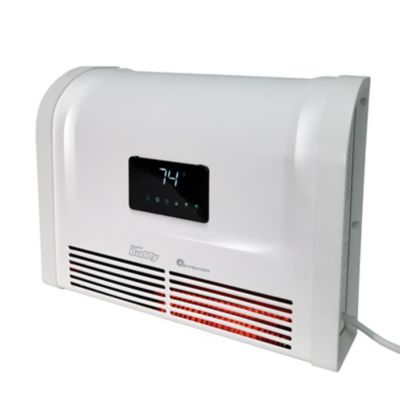
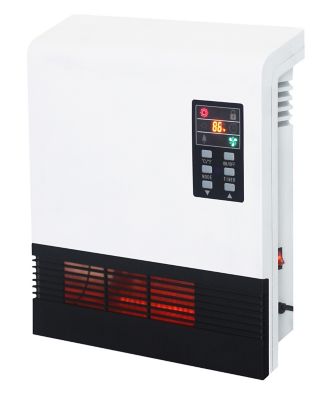
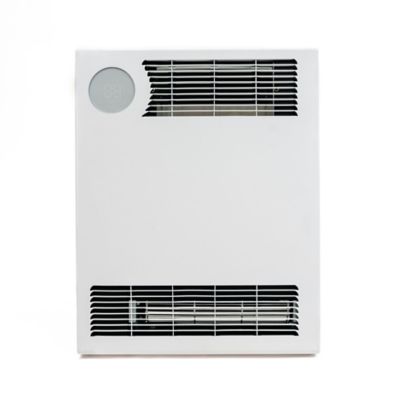
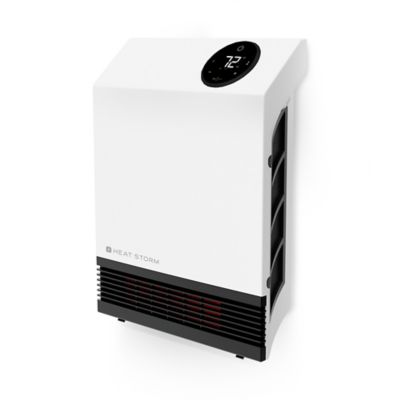
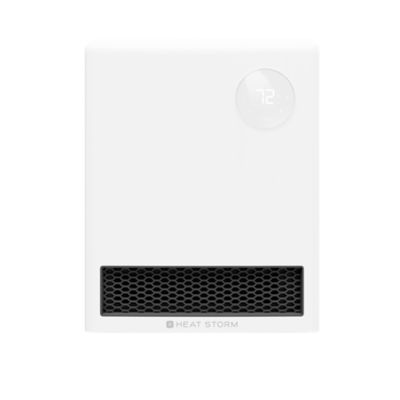
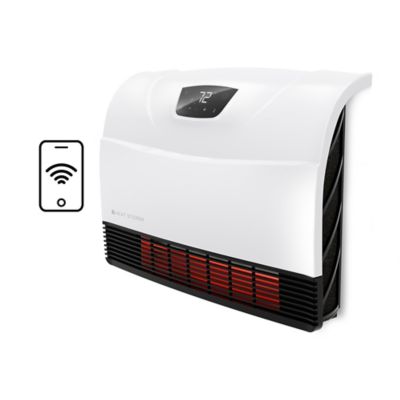
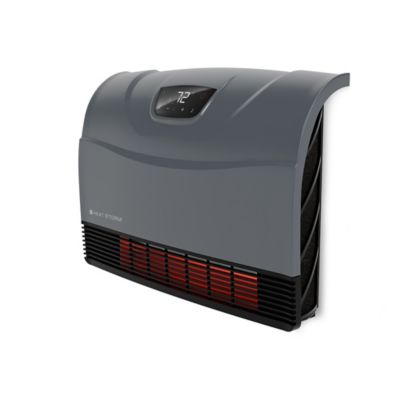
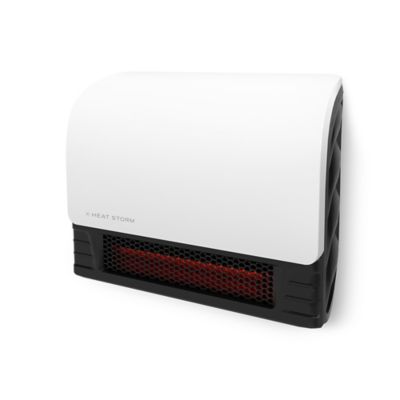
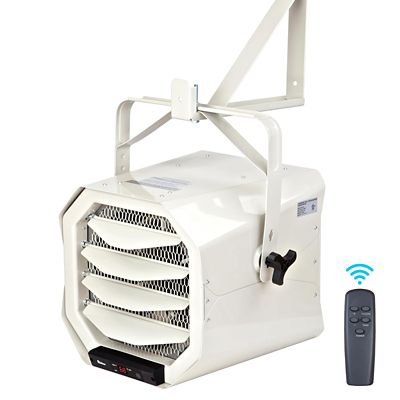
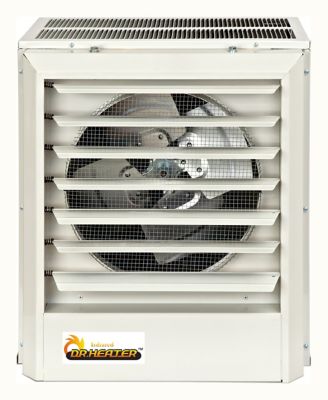
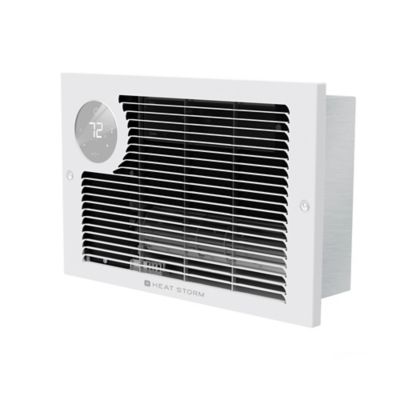
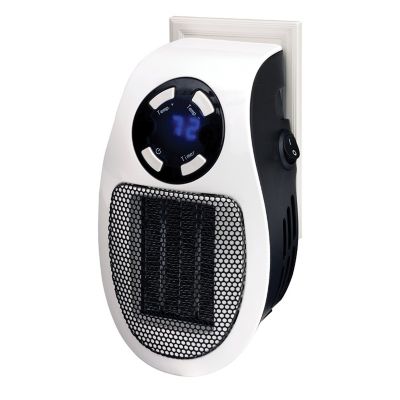
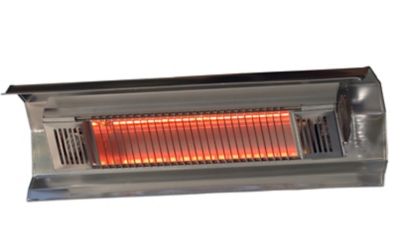
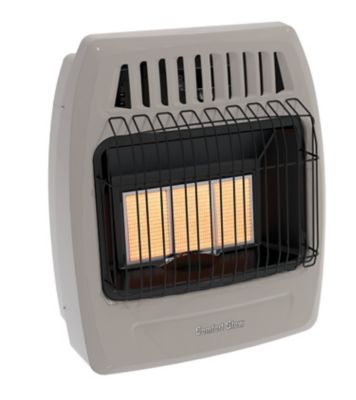
Fan-forced wall heaters provide room-by-room warmth by drawing air across a heating element and blowing that warmed air back into the space. The fan helps circulate heat beyond the wall, making this style a practical fit for spaces that need supplemental warmth without adding ductwork. A mudroom where boots come off after chores, a home office away from the main living area, or a finished room over the garage can each have different heating needs. A permanently mounted heater keeps the floor clear of a portable appliance and gives the room a dedicated heat source. Most electric designs combine a heating element, fan, controls, and protective grille in a compact housing. Metal housings and steel grilles are common, with painted or powder-coated finishes that blend into finished walls. Recessed wall heaters tuck much of that housing into a wall cavity, while surface-mount heaters sit against the wall and extend farther into the room. That difference matters around narrow walkways, swinging doors, cabinets, and furniture. Recessed installations also depend on wall depth, framing, wiring paths, and the clearances specified for the housing. Surface mounting can suit a finished wall where opening a cavity is impractical, though it still requires the proper electrical connection and mounting support. Grille dimensions alone do not tell the whole story; the rough opening, housing depth, and space around the heater all affect the fit. Finish color and grille shape help the heater sit comfortably in a room, but airflow and safe placement come first. Fan-driven designs are one part of the broader
Indoor Wall Heaters category, with a focus on moving warm air through an individual space. For households balancing living space with chores, work, and everyday foot traffic, that combination of fixed placement and room-level control can make sense.
Heating output and electrical requirements shape how well a fan-forced wall heater matches its room. Electric models commonly operate on 120-, 208-, or 240-volt power, and many residential designs have output ratings around 1,500 to 2,000 watts, though ratings vary. Voltage is not interchangeable: the heater must match the electrical supply and the wiring arrangement specified by its manufacturer. Some designs require a hardwired connection, while certain surface-mount designs have a cord and plug. A qualified electrician can assess circuit capacity, conductor requirements, grounding, and any local code requirements before installation. Wattage describes electrical input and relates directly to heat output in electric resistance heaters, but floor area is only part of sizing. Ceiling height, insulation, window area, drafts, and the temperature difference between indoors and outdoors all affect the heating load. Around 10 watts per square foot is sometimes a starting estimate for an insulated room with a standard ceiling, not a sizing rule for every building. A drafty farm office with an exterior door opening throughout the day has different demands than a small interior room. For primary heating, a room heat-loss calculation gives a sounder basis than square footage alone. Supplemental heating depends on how much warmth the existing system already provides. Thermostat arrangements matter, too. Built-in controls keep adjustment at the heater, while compatible wall-mounted thermostats allow temperature sensing and adjustments elsewhere in the room. Electronic displays, timers, and multiple heat settings can make everyday operation more convenient, depending on the design. Thermostat compatibility must match the heater’s voltage and control requirements. Fan sound also deserves attention in bedrooms, quiet offices, or television rooms, since moving air creates more sound than fanless heating. Room-level control allows warmth where it is needed without raising the central thermostat for the entire house, although total energy consumption still depends on settings, operating time, insulation, and the heating system already in place.
Placement and routine care play a big part in keeping wall-mounted electric heaters working as intended over the long haul. The airflow path needs open space, so a spot behind a sofa, beneath hanging coats, or beside a stack of feed bags is not a suitable shortcut. Manufacturer clearances establish the required distance from floors, furniture, curtains, and other nearby materials; there is no single clearance measurement that fits every design. A mudroom bench or boot rack should leave the heater’s intake and outlet unobstructed, including when the room fills up with winter gear. Bathrooms and other damp locations call for heaters specifically listed for that setting, with placement and electrical protection that meet the installation instructions and local requirements. An ordinary residential wall heater is not automatically suitable for a dusty shop, livestock building, wash area, or space containing combustible vapors. Sawdust, hay, fuel containers, and airborne debris introduce concerns beyond ordinary room heating. Overtemperature protection is a useful safety feature, but it does not replace proper installation, open airflow, or attention to the heater’s surroundings. Accessible grilles can become hot, making placement especially important around children and pets. For cord-connected designs, the manufacturer’s connection requirements matter; extension cords and power strips are not substitutes for a suitable permanent connection. Care generally centers on keeping the grille and accessible air passages free of lint and dust. Power should be disconnected at the appropriate source, including the breaker for hardwired equipment, and the heater allowed to cool before cleaning according to its instructions. A soft brush or vacuum attachment may suit accessible exterior surfaces when the manufacturer permits it, while water and spray cleaners should stay away from electrical parts. Service access matters just as much as installation access, particularly in tight corners or behind furnishings. Unusual smells, repeated protective shutdowns, or changes in fan sound call for inspection rather than continued operation. A properly matched heater, a suitable location, and regular attention to airflow help keep everyday room heating straightforward.