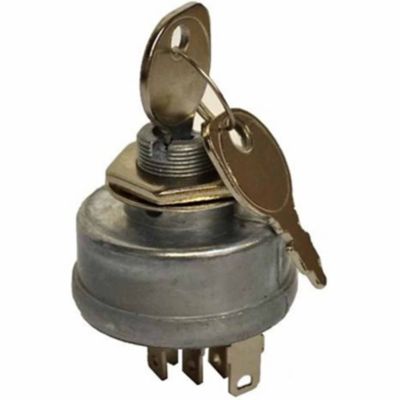
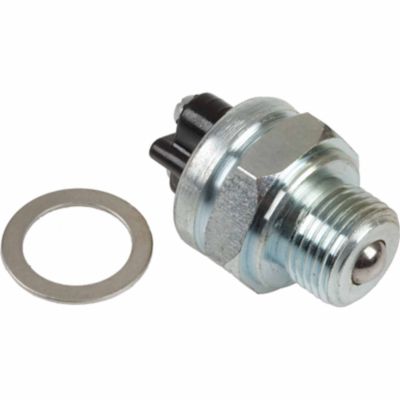
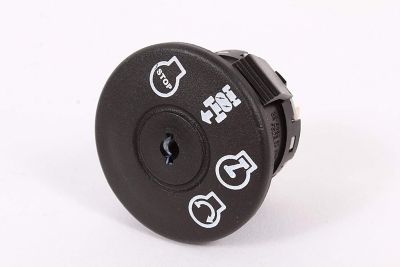
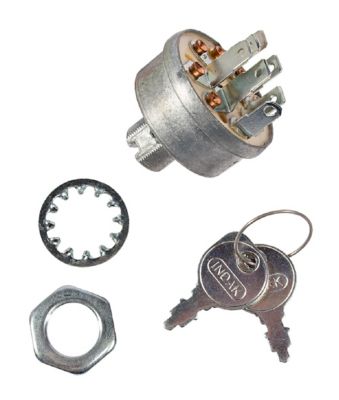
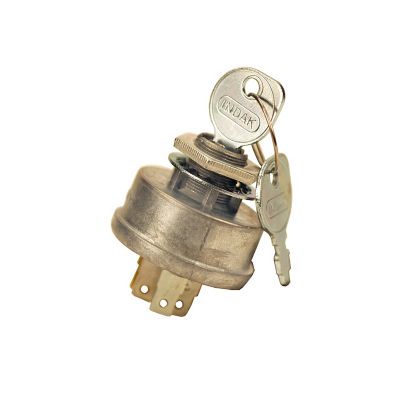
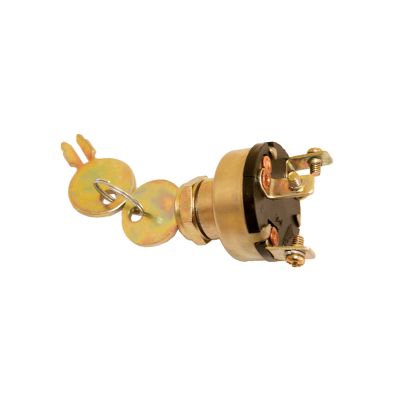
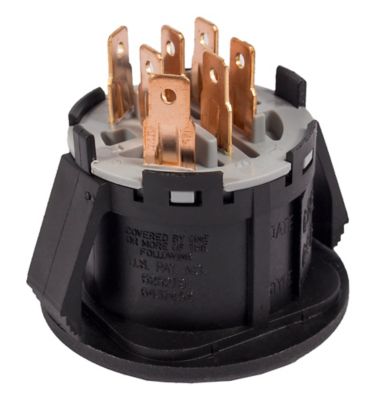
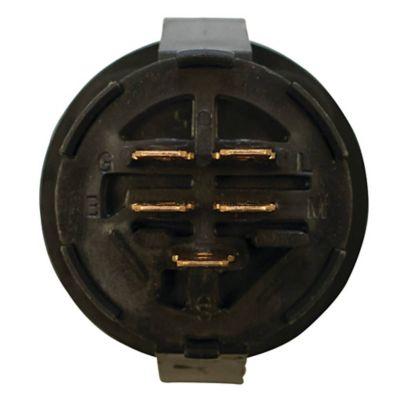
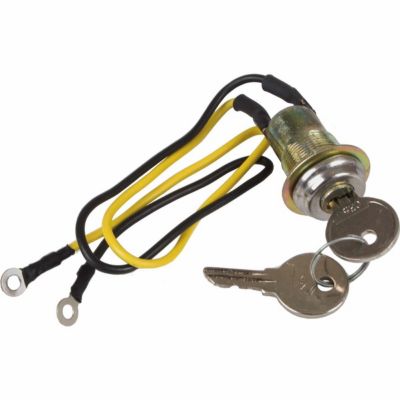
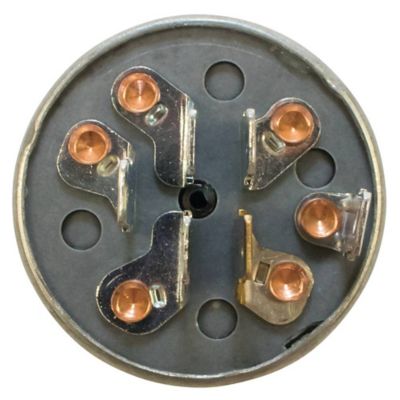
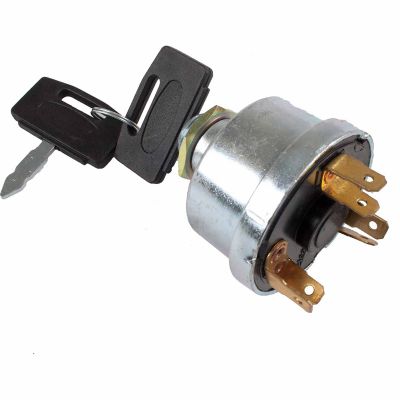
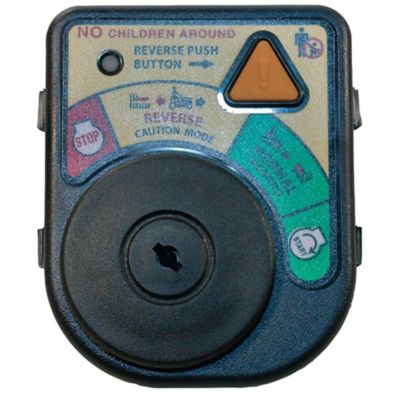
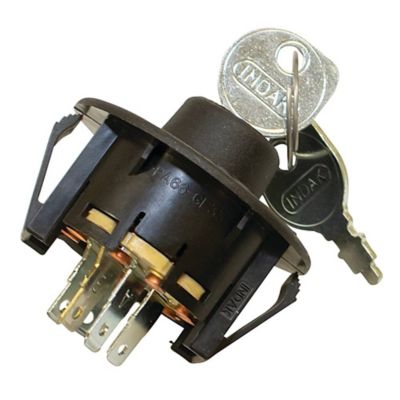
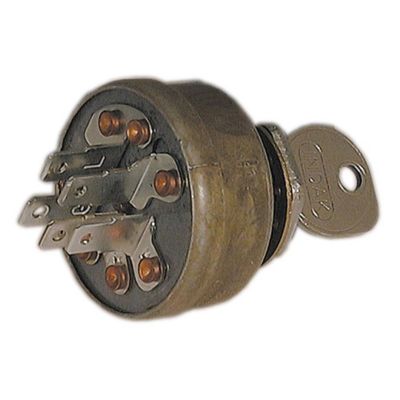
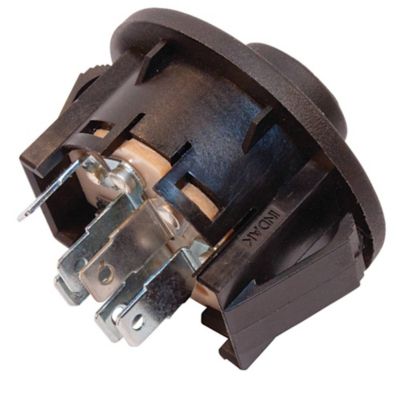
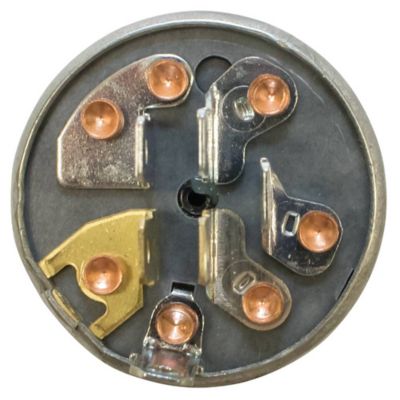
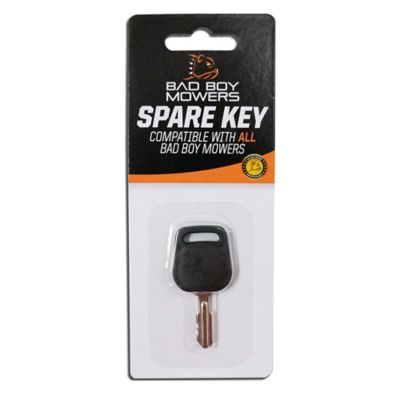
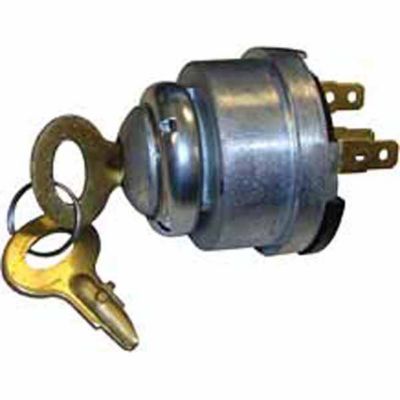
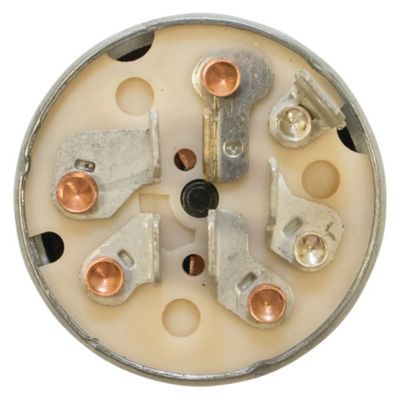
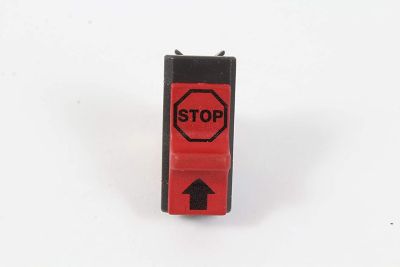
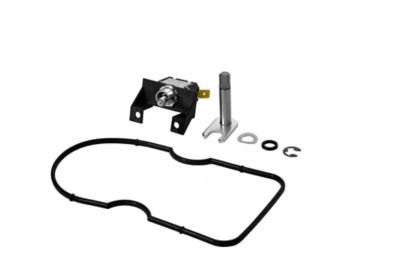
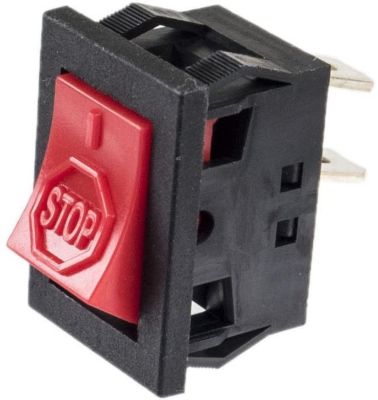
Ignition switches serve as the main electrical control between a battery and many of the systems that help a tractor, truck, mower, ATV, boat, or other piece of equipment start and run. Turning the key or knob through its positions sends power where it needs to go in stages. In the Off position, power is cut from the main circuits and the key can generally be removed. The Accessory, or ACC, position supplies power to low-draw items such as a radio, cab fan, or power windows without starting the engine. The On or Run position activates the dashboard gauges, fuel pump, engine computer, and other operating circuits. Turning the switch to Start sends power to the starter solenoid and starter motor so the engine can crank; once the key is released, the switch should spring back to the Run position. Knowing these positions makes it easier to compare a replacement switch with the original and spot a mismatch before installation. Some equipment calls for a simple keyed switch, while other applications need several terminals, a push-to-start setup, a marine-style switch, or a unit with a built-in safety feature. Check the equipment manual, the number and markings of the terminals, the connector style, the mounting hole, and the switch’s electrical rating. Year, make, model, engine type, and equipment series can all affect fit, even when two switches look much alike on the outside.
A failing ignition switch can show up in several ways, and the symptoms may come and go before the equipment stops starting altogether. If turning the key produces no crank and no click, battery power may not be reaching the starter solenoid, though the battery, cables, fuse, neutral-safety circuit, or starter itself can also be part of the problem. Flickering dash lights, a radio or cab accessory that drops out in the ACC position, or gauges that stay dark in the Run position can point toward worn contacts inside the switch or a loose connection at the plug. An engine that stalls while driving or shuts off when the key is bumped may be losing electrical contact through the switch. A key that feels loose, sticks, turns without engaging, or fails to spring back from Start also deserves attention. Before ordering, compare the old switch with the listing details and trace each wire rather than relying on color alone, since wiring conventions can vary across equipment. Disconnect the battery’s negative cable before removing the old part, keep the key removed, and follow the service instructions for the machine. On tractors and other equipment, lower raised attachments, set the parking brake, place the transmission in Park or Neutral, and block wheels when needed. Marine applications call for attention to ignition-protected components and proper sealing around the mounting area. If testing is necessary, a wiring diagram and a multimeter can help identify power, accessory, run, and start circuits, but a service professional is the better choice when wiring is damaged, terminals are burned, or the fault is not clear.
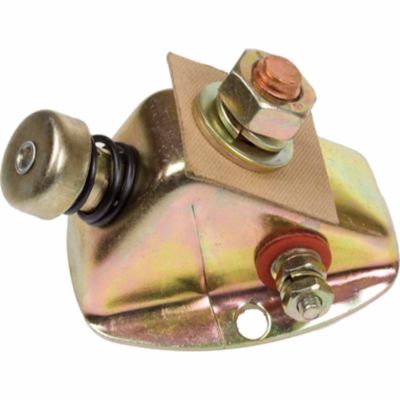
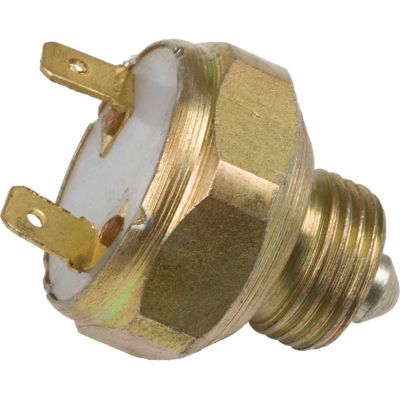
Ignition switches are a practical item for farm owners, grounds crews, fleet managers, rural property owners, and anyone who keeps working equipment ready for the next chore. A spare that matches a frequently operated tractor or utility vehicle can save a trip to town when a switch fails before feeding livestock, clearing a lane, mowing a field, or hauling supplies. They can also be a thoughtful addition to a maintenance kit for someone who spends weekends repairing small engines or caring for several machines, though fitment matters more than appearance. Store the switch in a dry place with its terminals protected from dirt and moisture, and keep notes on the equipment model and wire locations for future service. While checking the starting circuit, inspect the battery posts, ground strap, fuse, starter connection, and wiring harness for corrosion or looseness. A weak ground can mimic a switch problem, and a worn key cylinder may point to a mechanical issue rather than an electrical one. In some systems, a separate relay carries the heavier current needed by the starter or another circuit; related parts can be found with
Relay Switches. As cooler weather settles in, dependable starting becomes especially important because cold temperatures can reduce battery output and make worn connections more noticeable. Choosing the proper ignition switch, matching the terminal layout, and installing it with clean, tight connections helps keep everyday equipment ready for chores across the changing seasons.