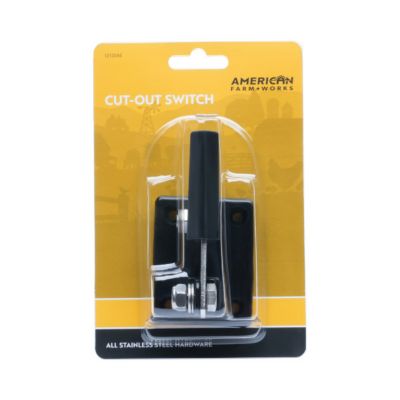
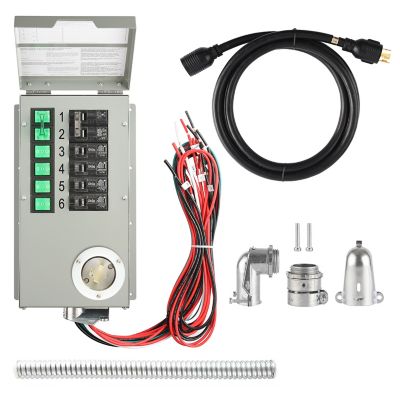
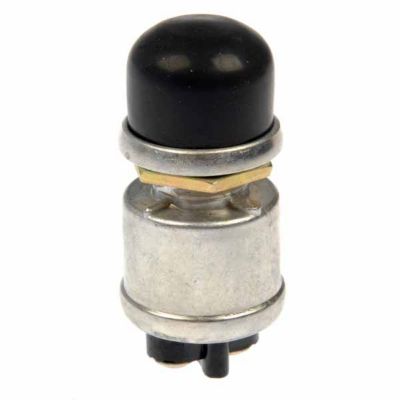
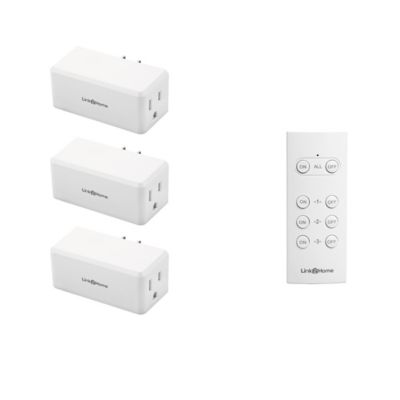
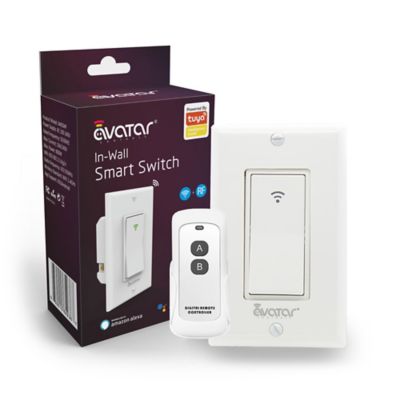
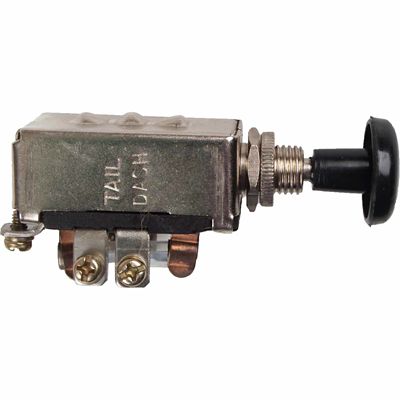
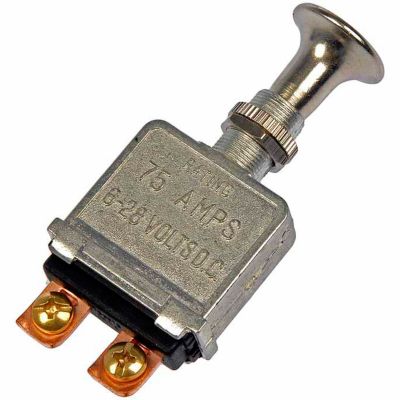
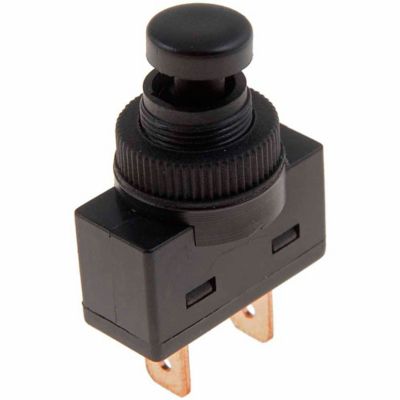
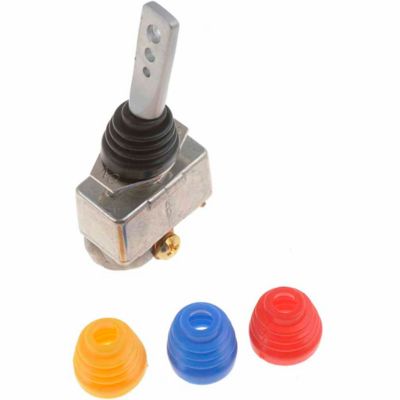
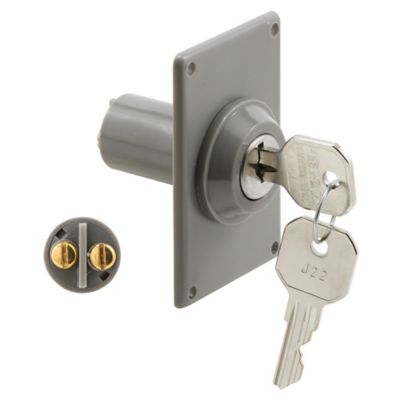
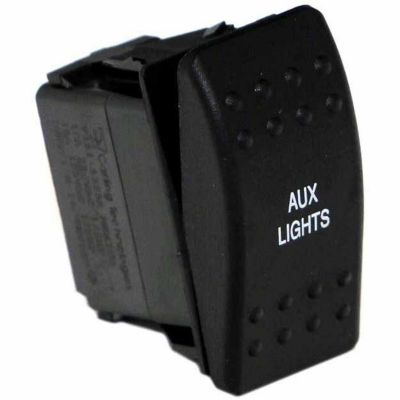
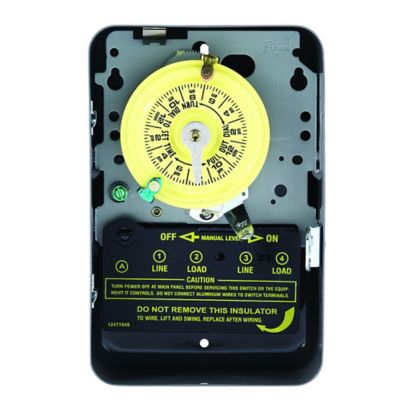
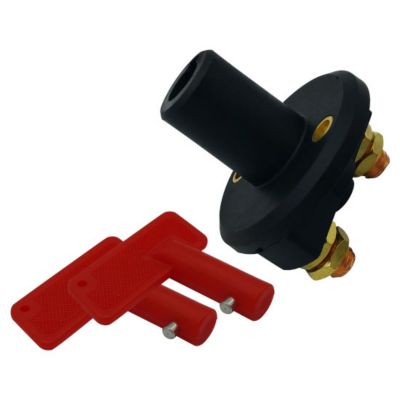
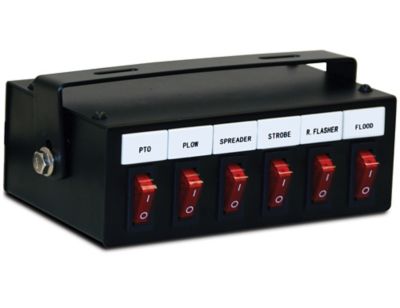
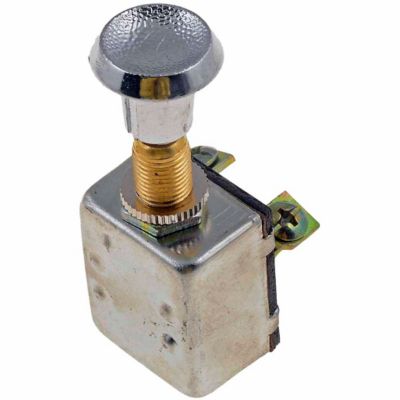
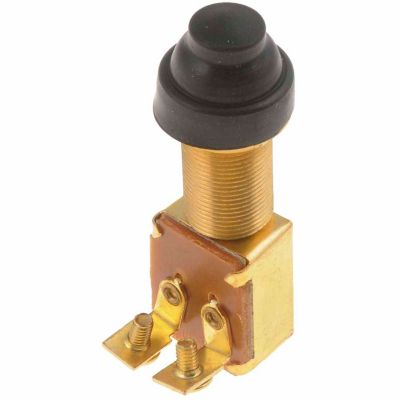
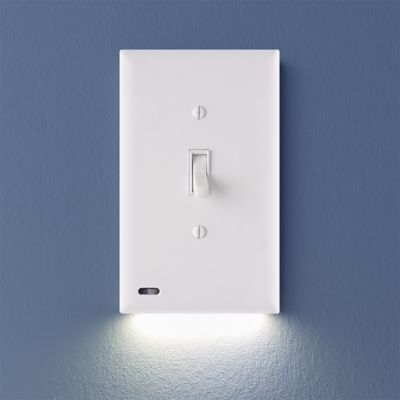
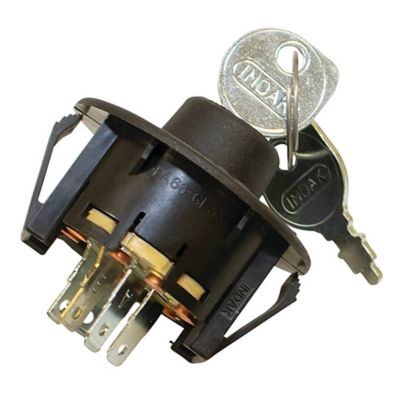
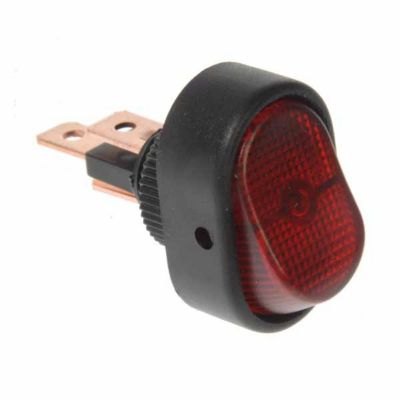
Electrical switches open or close an electrical circuit to control power to lights, fixtures, and compatible equipment. In a basic mechanical switch, moving the toggle or rocker brings internal contacts together or separates them, turning the connected load on or off. That simple action serves plenty of everyday jobs, from lighting a kitchen to switching on the overhead fixtures in a barn aisle or workshop. The right switch type depends on what it controls and how many locations need access to that control. A single-pole switch operates a light or other suitable load from one location. A three-way switch works with another three-way switch so the same lighting can be controlled from two locations, such as opposite ends of a hallway or the top and bottom of a staircase. For control from three or more locations, four-way switches fit between the two three-way switches in a compatible arrangement. The names describe circuit functions, not the number of lights connected. Toggle switches have a small projecting lever, while rocker switches have a wider face that pivots when pressed. Either style can suit everyday lighting; the choice often comes down to familiar operation, matching wall plates, and the look of nearby controls. Double-pole switches operate two separate conductors together and can serve certain two-hot-wire applications when their ratings match the circuit and load. They are not simply a stronger version of a single-pole light switch. Momentary switches return to their resting position after release, while maintained-contact switches stay in the selected position. Those differences matter for equipment controls, where a brief signal and continuous power have different purposes. Around a property, placement matters as much as operation: a switch near the workshop entrance saves a walk across a dark floor, and two-location lighting control makes sense along a passage between rooms. Clear labeling also helps distinguish overhead lighting from an exhaust fan or another separately controlled load.
Electrical switch ratings help determine whether a control belongs on a particular circuit. Voltage, amperage, AC or DC operation, and the type of load all matter; a matching faceplate or familiar toggle shape does not establish electrical compatibility. Many household lighting switches carry 15-amp or 20-amp ratings, but selection depends on the connected load, circuit requirements, manufacturer instructions, and applicable electrical codes. A breaker rating alone does not settle every switch-rating requirement. Motors can draw substantial starting current, and a wall switch intended for lighting is not automatically suitable as a motor control or equipment disconnect. Where motor operation is involved, the switch may need a stated horsepower rating along with the proper voltage and current ratings. AC and DC ratings are not interchangeable unless the manufacturer specifically allows that application. Dimmers add another consideration because the control must work with the lighting technology and its total load. LED lighting generally needs dimmable lamps or fixtures paired with a compatible dimmer; an unsuitable pairing can cause flickering, buzzing, or a limited adjustment range. A lighting dimmer is not a substitute for a ceiling fan speed control unless it is expressly rated for that purpose. Smart switches and electronic controls may also need a neutral connection to power their internal electronics, although requirements vary by design. A grounding conductor cannot take the place of a neutral. Physical fit deserves attention, too. Switch dimensions, mounting style, electrical box depth, wire space, and the number of devices sharing a box can affect compatibility. A deeper electronic control may need more room than a basic mechanical switch, particularly where several conductors already occupy the box. Terminal markings identify permitted conductor sizes and materials, and aluminum wiring requires connections specifically approved for it. Matching the switch opening to the wall plate helps the finished assembly sit properly rather than leaving an awkward gap. In utility rooms, barns, and work areas, enclosure and location ratings matter as well, especially where dampness, splashes, or dust are part of the job.
Materials and construction affect how electrical switches handle repeated operation and the conditions around them. Molded insulating bodies support the mechanism and help separate energized parts, while metal mounting straps secure many wall switches to their electrical boxes. Internal contact materials and spring mechanisms influence switching performance, but suitability comes from the stated ratings and approved application rather than appearance alone. Wall plates may be plastic or metal, with different finishes and attachment requirements; metal parts need proper grounding where required. For a sink-side utility area or a wash-down space, a suitable enclosure and cover help address exposure, but the entire assembly must meet the location’s requirements. A cover alone does not make every switch appropriate for a wet location. Farm buildings can present additional concerns when airborne material is combustible, so ordinary enclosed controls should not be assumed suitable for those spaces. Property owners, farm operators, and shop managers may also need controls that work with automated systems rather than only a hand-operated light switch.
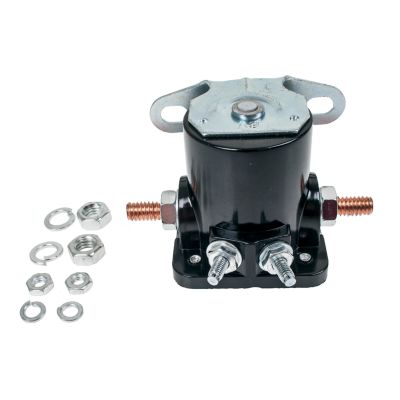
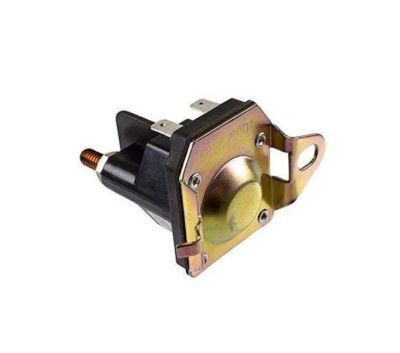
Electrical Relays support those applications by allowing a separate control signal to operate electrical contacts; relay coil voltage, contact ratings, and system compatibility still need to match the job. For everyday care, switch faces and wall plates generally need only cleaning consistent with the manufacturer’s directions, without liquid entering openings or harsh cleaners damaging the surface. Loose mounting, sticking operation, discoloration, scorch marks, crackling, or an unexpected burning smell call for professional evaluation rather than continued operation. Turning a switch off does not necessarily remove power from its box or every connected conductor. Installation and repair require the circuit to be de-energized and the absence of voltage verified, with a qualified electrician handling unfamiliar wiring, damaged connections, and code questions. Whether the setting is a farmhouse hallway, a utility room, or a busy workbench area, electrical switches should fit the circuit, the space, and the task. Easy-to-recognize controls, properly fitted plates, and ratings matched to the load make everyday operation straightforward without overlooking the wiring behind the wall.