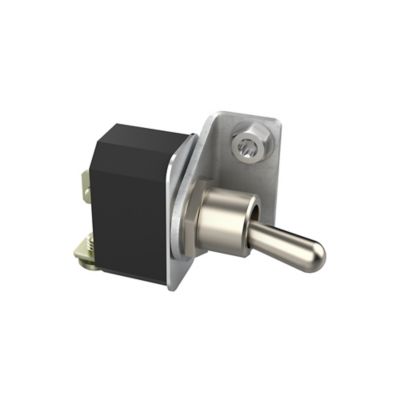
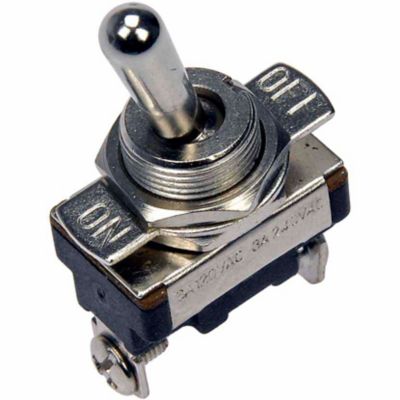
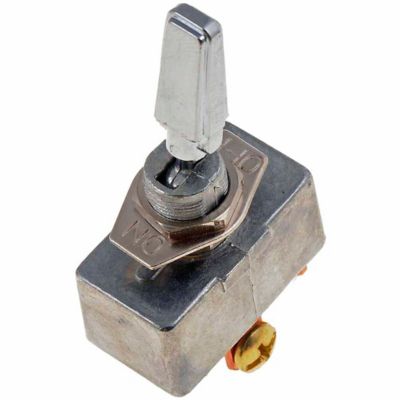
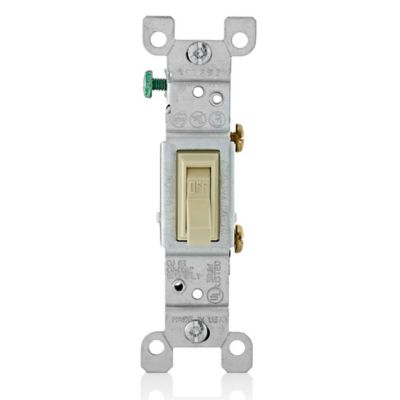
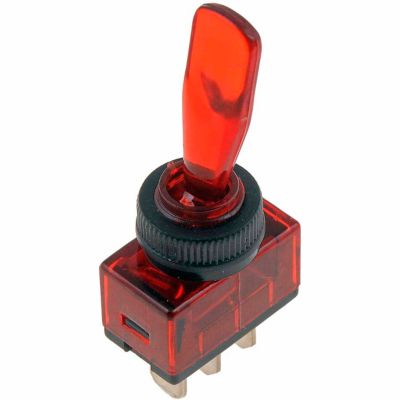
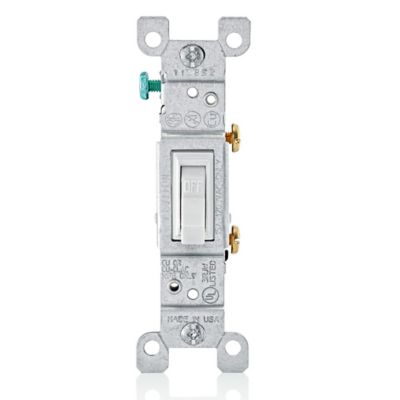
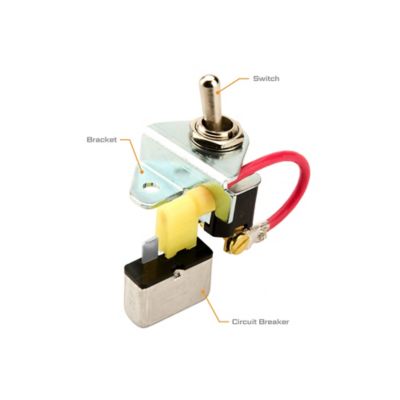
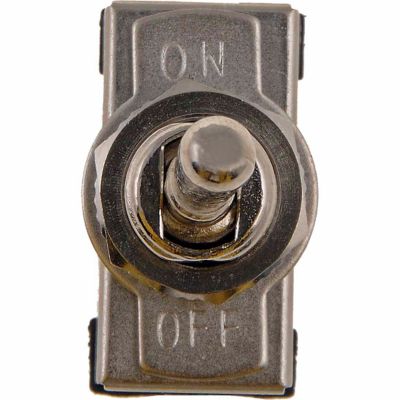
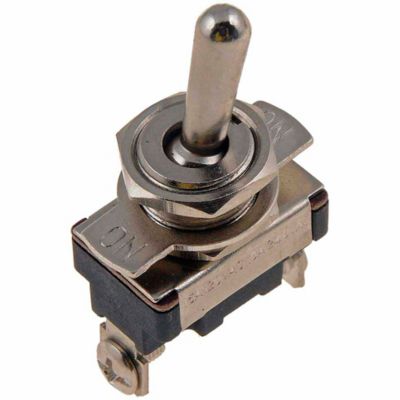
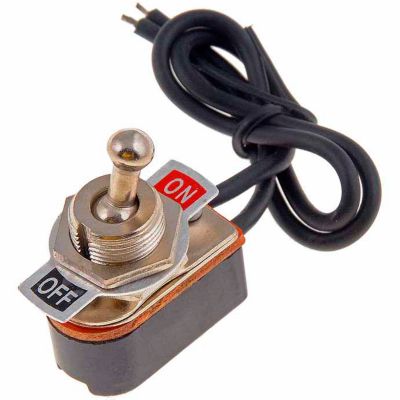
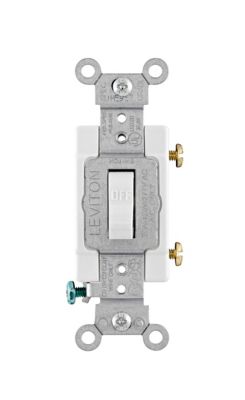
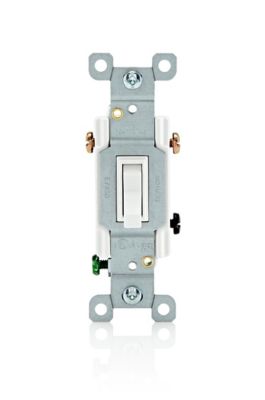
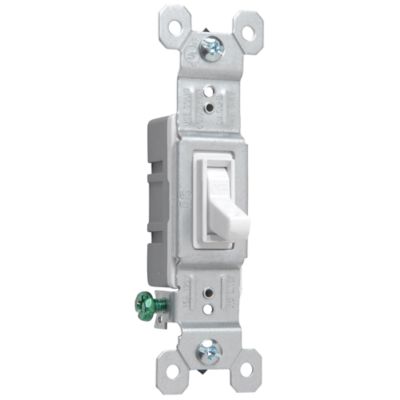
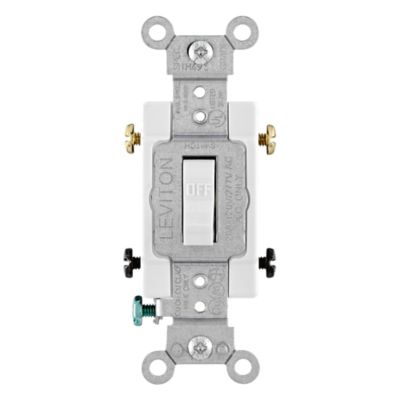
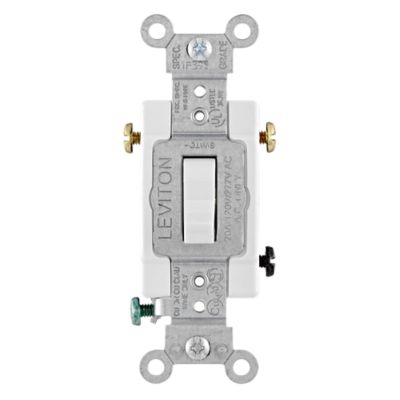
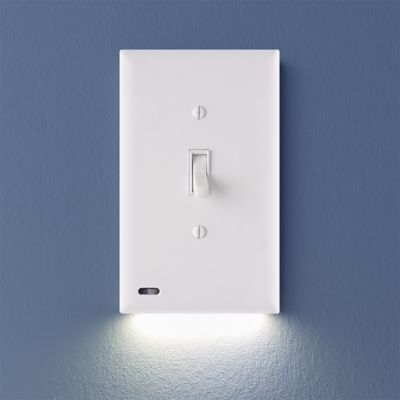
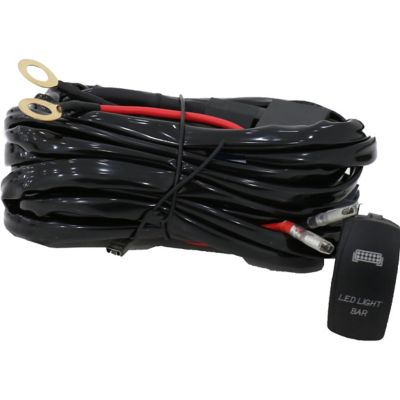
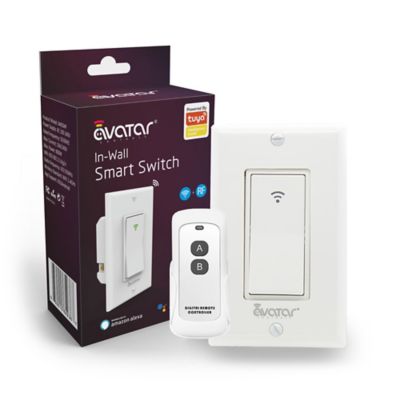
Toggle switches are manual electrical controls with a lever that moves between positions to open, close, or redirect a circuit. In a basic on-off design, flipping the lever brings internal contacts together to let current flow or separates them to interrupt it. That straightforward action makes toggle switches a practical fit for equipment panels, vehicle accessories, shop projects, and other applications where a clearly defined control is handy. A lever gives fingers something easy to find, while its position can help show which setting is selected. Many designs also provide a noticeable snap as the contacts change position, though feel alone does not confirm whether a circuit has power. The right switching arrangement depends on what the circuit needs to do. A single-pole single-throw switch, commonly marked SPST, provides simple on-off control for one circuit path. A single-pole double-throw switch, or SPDT, connects a common terminal to either of two other terminals, making it suitable for selecting between two circuit paths. Double-pole single-throw switches, or DPST switches, open or close two separate paths together. Double-pole double-throw switches, known as DPDT switches, transfer two paths between alternate connections with one lever. Those differences matter on a bench control panel just as much as they do on farm equipment. Lever positions matter, too. A maintained toggle stays where it is set until someone moves it again, which suits a light that needs to stay on through a task. A momentary toggle returns to its resting position when released, making it appropriate for circuits that call for a brief command rather than continuous operation. Some arrangements include a center-off position, while others move directly between two active positions. Markings such as ON-OFF, ON-ON, and ON-OFF-ON describe those functions. Parentheses in a designation often indicate a momentary position, but the manufacturer’s diagram remains the deciding reference. Matching that action to the equipment helps keep operation familiar, whether the person at the controls is maintaining a tractor, working at a shop bench, or running an accessory panel.
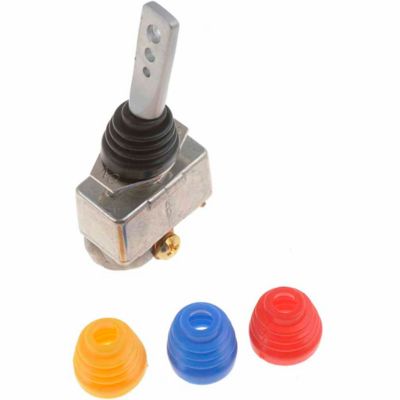
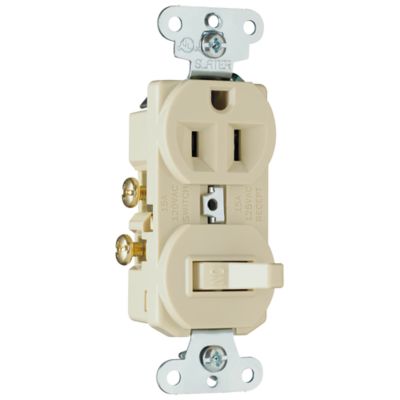
Electrical ratings and physical fit carry just as much weight as the lever arrangement. Toggle switches have voltage and current ratings, and both need to suit the circuit and its load. An AC rating does not automatically establish suitability for a DC circuit; direct current can present different contact-arcing demands. A switch marked for one voltage or load type should not be assumed suitable for another simply because the amperage looks close. Motors, solenoids, and some lighting loads can draw a brief surge above their normal operating current, so the applicable load rating matters alongside the steady operating draw. For household wiring, the control also needs the proper listing, enclosure arrangement, and installation suitability; a small panel switch is not automatically a substitute for a wall switch. Physical dimensions deserve the same attention. The mounting-hole diameter, threaded bushing length, panel thickness range, and space behind the panel all affect whether a switch fits properly. A lever may look right from the front but still leave too little room for terminals, wire bends, or nearby components behind the mounting surface. On a crowded equipment panel, clearance around the handle helps prevent interference with neighboring controls. Lever length and shape also affect how easily someone can operate it while wearing work gloves. Construction varies across toggle switches, with metal or plastic levers, molded insulating bodies, metal bushings, and different contact materials. The housing supports the internal parts, while contact design and material influence performance under the specified electrical load. Where dust, splashes, or washdown exposure are part of the job, a stated enclosure or ingress-protection rating offers more useful information than appearance alone. A protective boot can help shield the lever opening when it is compatible with the switch, but it does not automatically seal rear terminals or turn an open panel into a protected enclosure. Vibration resistance, mounting hardware, and the manufacturer’s operating-life specifications are also worth considering for equipment that spends its working hours bouncing across a property.
Connections, identification, and upkeep round out the match between a toggle switch and the job ahead. Common terminal styles include screw connections, quick-connect tabs, and solder lugs. Each calls for compatible wiring and connection methods, with enough clearance and support to keep movement from pulling on the terminals. Wire size, connector dimensions, insulation, and circuit protection must suit the application rather than just the space behind the dashboard. Terminal count alone does not establish the wiring pattern, either. A manufacturer’s schematic identifies the common terminals, switched paths, and any separate connections for an indicator light. An illuminated toggle may need an additional connection and a particular supply voltage, and its light may indicate switch position or circuit power depending on the design and wiring. Clear panel labels help make those distinctions plain, especially when several people operate the same equipment. A work-light control should be easy to tell apart from a momentary command, without depending on memory or lever color alone. For higher-current loads, a toggle can serve as a control input rather than carry the full load itself. Properly matched
relay switches allow a lower-current control circuit to operate a separate load circuit, provided the relay contacts, coil requirements, wiring, and protection suit the equipment. That arrangement is common where the load exceeds the toggle’s intended switching duty, but it still needs a sound circuit design. Once installed, service life depends on staying within the stated ratings and keeping connections secure and protected. Checks for loose hardware, cracked insulation, corrosion, discoloration, or a change in lever action can reveal trouble before a control becomes troublesome during a job. Cleaning should follow the manufacturer’s recommendations, with power isolated before inspection or service. A toggle in the off position is not a substitute for disconnecting and verifying power, and a general-purpose toggle is not automatically suitable as an emergency-stop control. Matching the electrical function, mounting dimensions, connection style, and operating environment helps make everyday controls easier to operate and maintain, from a small workshop panel to equipment that earns its keep around the farm.