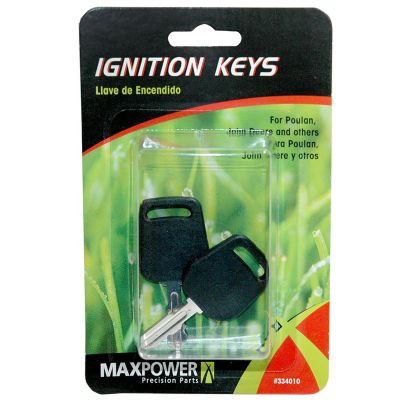
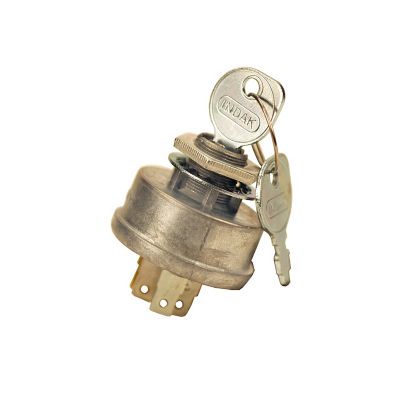
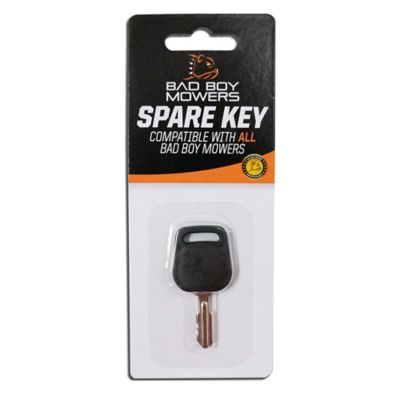
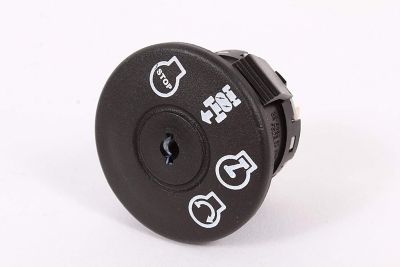
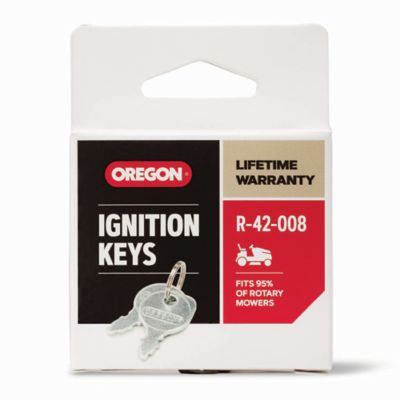
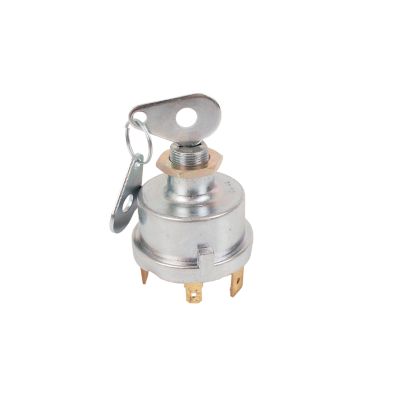
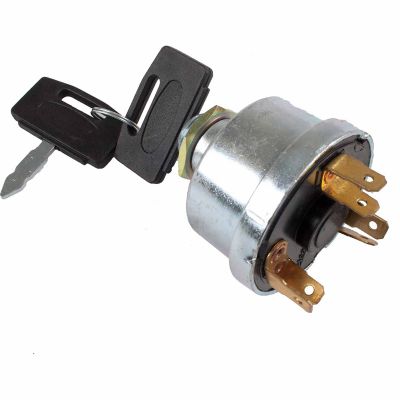
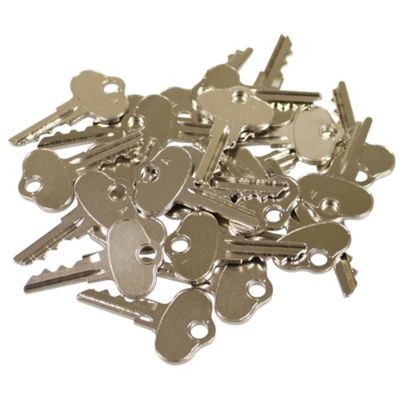
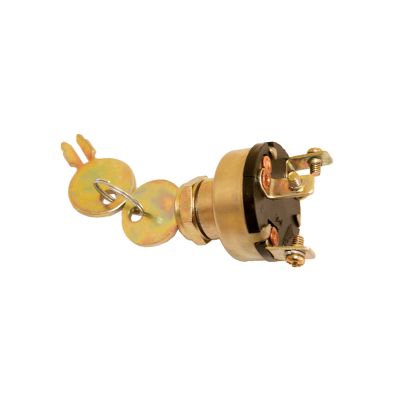
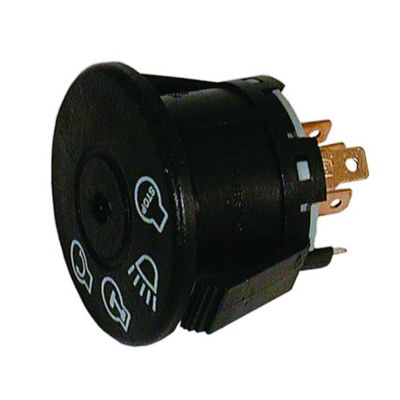
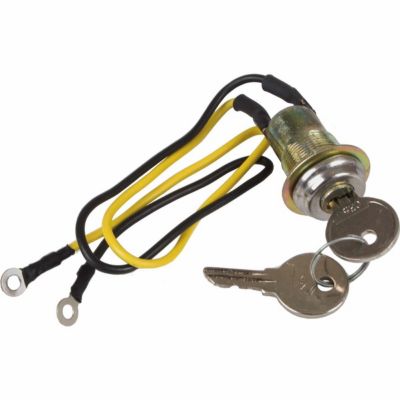
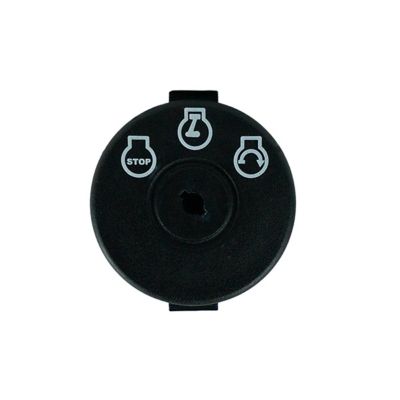
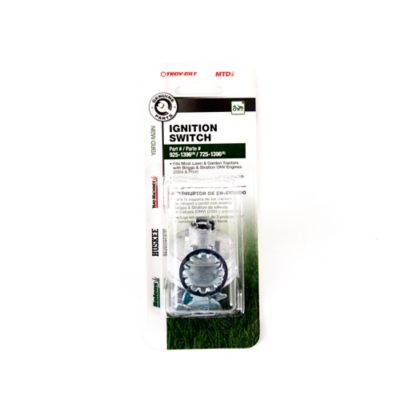
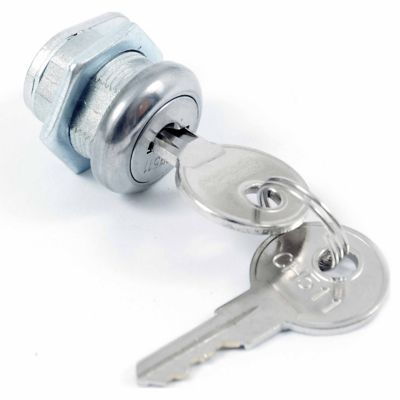
Ignition switch keys connect a familiar turn of the hand with the electrical functions that get an engine running. On equipment with a keyed ignition, the key fits a lock cylinder that operates an electrical switch, allowing the appropriate circuits to receive power. Depending on the machine, those circuits may serve the instrument panel, accessories, ignition system and starter control. The key itself does not supply electricity; its shape allows the matching cylinder to turn. Common switch positions include OFF, ACC, ON or RUN, and START, although not every machine has all four. ACC generally powers designated accessories without starting the engine, while ON or RUN activates the circuits needed for operation. START typically engages the starter control circuit and returns to RUN when released. Key removal is usually limited to a designated position, as specified by the equipment manufacturer. These small parts have a practical place around a working property, from the tractor parked beside the barn to the riding mower that handles the fence line. Equipment operators, property owners and repair shops may need ignition keys to replace a missing key, keep a spare close at hand or complete a switch replacement. A spare can save a trip back to the house when another operator has the main set, but only if it matches the ignition it is meant to operate. Some equipment shares a common key pattern across multiple machines, while other locks require a particular code or cut. That distinction matters for both fit and security: a key that starts an engine does not necessarily provide the same theft protection as an individually keyed automotive lock. Ignition switch keys are best understood as matched mechanical parts rather than interchangeable accessories. Their usefulness depends on the connection among the key blade, lock cylinder and ignition system, whether the job ahead is moving feed, hauling tools across the property or heading down the road.
Fit is the first consideration when comparing replacement ignition keys. Equipment make, model, year and any applicable serial-number range help narrow the match, but the ignition assembly matters just as much. A machine that received a replacement switch may no longer take the key listed for its original factory setup. A documented key code, switch part number or manufacturer compatibility listing can provide a firmer match than appearance alone. Two keys can have similar heads and still differ in blade length, thickness, grooves or cut pattern. Likewise, a key that slides into a cylinder may not turn it. Product descriptions may distinguish between a precut replacement key, an uncut blank and a switch assembly supplied with matching keys; those terms describe different replacement needs. A blank generally requires cutting to the correct pattern, while a precut key still needs a confirmed match to the intended lock. Electronically controlled vehicle ignitions can add another requirement. A transponder key may fit and turn the cylinder yet fail to authorize an engine start until its chip is recognized by the vehicle. Remote lock controls serve a different function from the mechanical blade, even when both are housed together, and
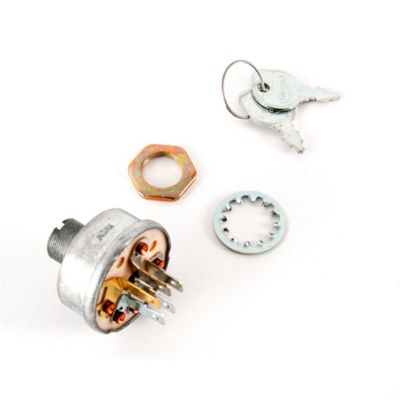
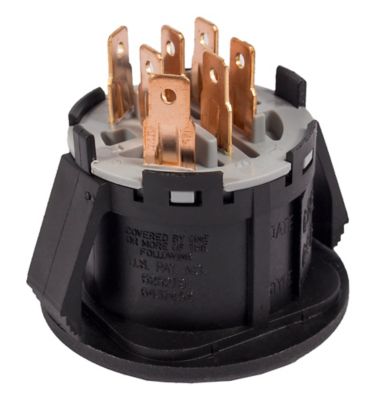
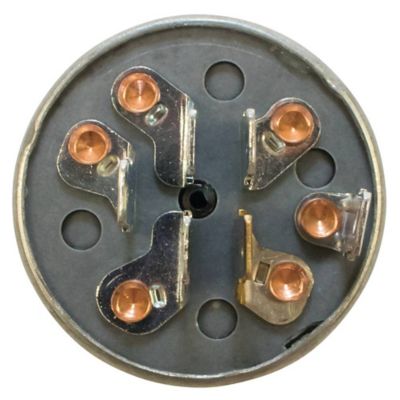
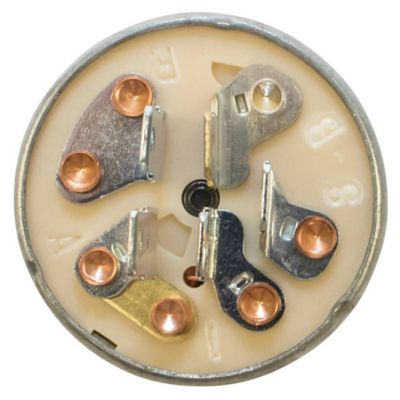
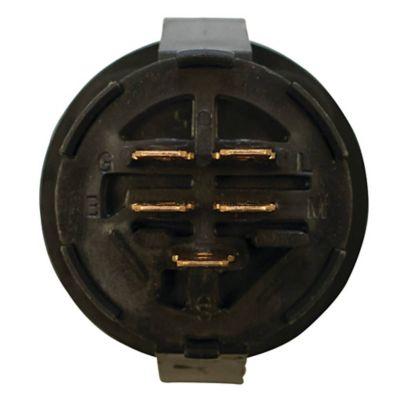
Car Key Fobs are a related category for vehicles with remote entry features. For switch-and-key assemblies, compatibility also extends beyond the face of the lock. Mounting dimensions, terminal arrangement, connector shape, circuit functions and electrical ratings all need to suit the application. A switch described as universal is not automatically suitable for every tractor, mower or vehicle. In particular, battery-ignition and magneto-ignition systems can require different switching arrangements. The right assembly must preserve the equipment’s intended starting and shutdown functions, along with any associated safety interlocks. For a working machine, a confirmed match means more than getting the key to turn; it means keeping the electrical system operating as designed.
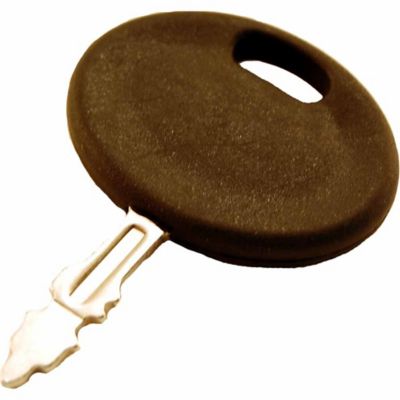
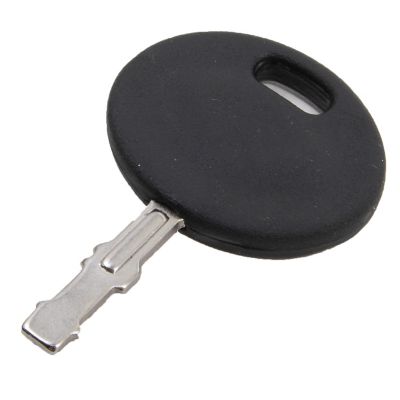
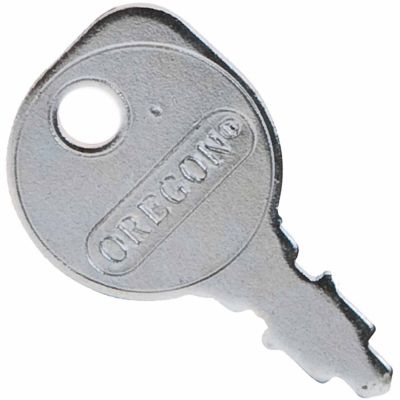
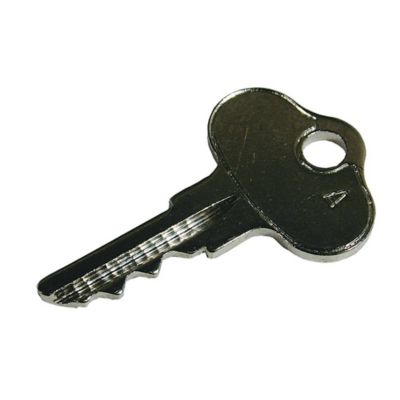
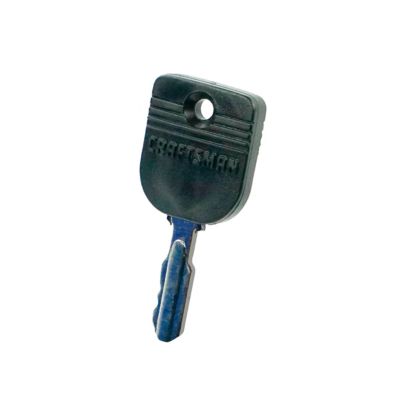
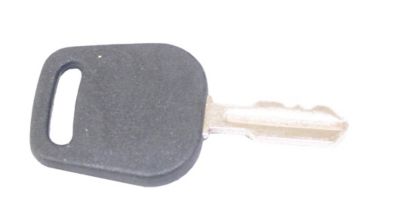
Materials and construction affect how ignition switch keys hold up to everyday handling. Key blades commonly feature brass or steel, sometimes with a plated finish, while heads may be plain metal or covered with molded plastic. Blade material, plating and the shape of the head influence resistance to wear, corrosion and bending, as well as how comfortably the key sits between the fingers. A broad head can be easier to grip with work gloves, provided it clears the surrounding dash or switch recess. The blade still needs to seat fully without the head pressing against a bezel. Around a barn or equipment shed, keys often share pocket space with dust, grit and small hardware, so keeping the blade clean helps limit the debris carried into the cylinder. Gentle wiping and storage in a clean, dry spot are sensible care habits; any lock lubricant should meet the equipment or lock manufacturer’s recommendations. A key is not a pry tool, package opener or substitute screwdriver, and even a slight bend can interfere with insertion or turning. Rounded cuts, cracks near the head or a blade that needs repeated wiggling deserve attention before the key breaks in the lock. Heavy key rings can also place extra strain on some ignition cylinders, making a smaller equipment set a practical choice. Separate, clearly labeled spares help households and work crews keep machines straight without leaving keys in unattended equipment. Trouble at the ignition does not always point to the key, either. A sticking cylinder, worn switch, weak battery, loose connection or unmet starting-interlock condition can produce overlapping symptoms. Loss of dash power or failure to crank, for example, does not establish that a replacement key is the answer. Matching the replacement to the actual need helps keep a small maintenance task from becoming a larger repair. A properly matched ignition key should insert, turn and release as the manufacturer intends, giving the operator a straightforward start to the next job.