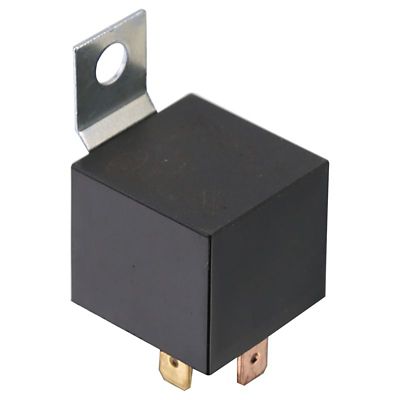
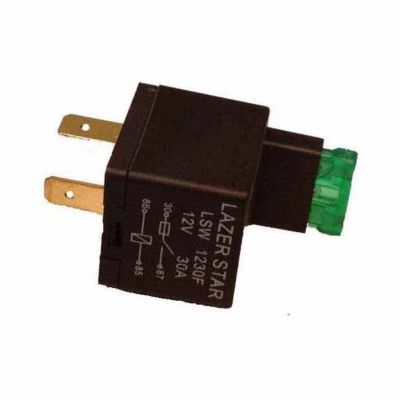
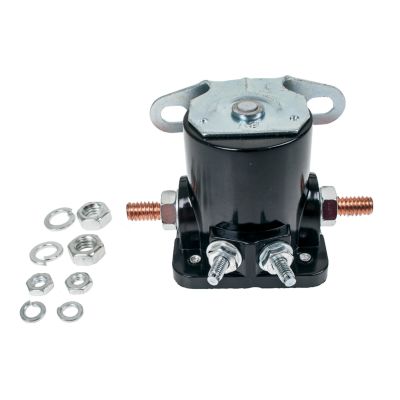
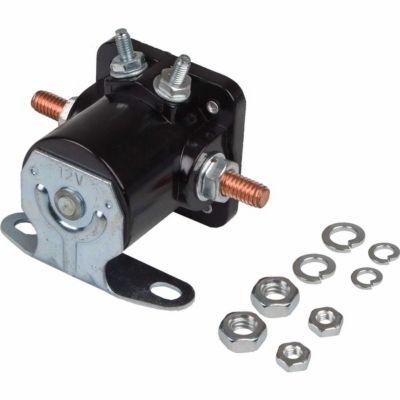
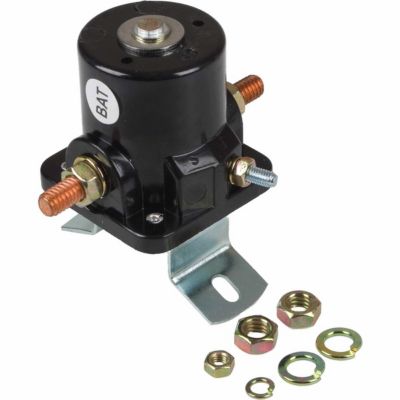
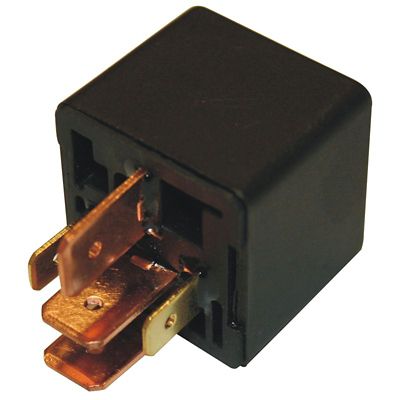
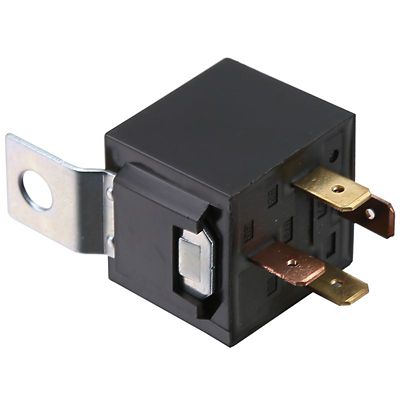
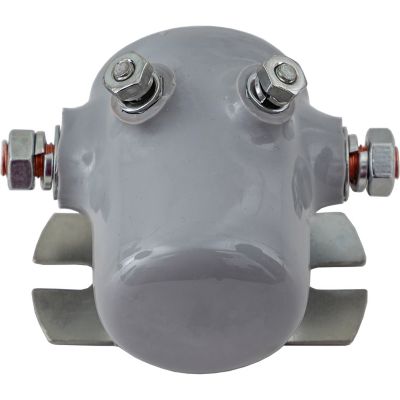
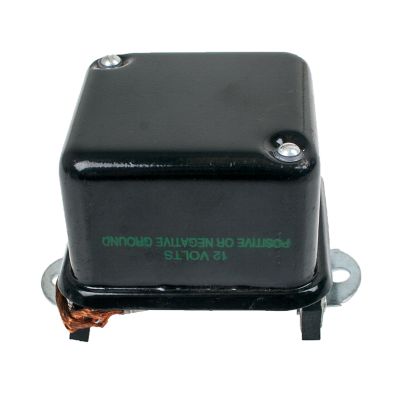
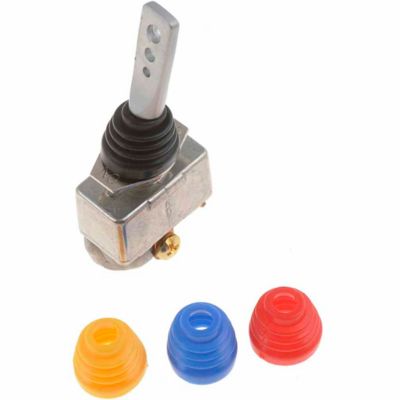
Relay switches help a low-power control circuit manage a separate circuit carrying more current. That basic job makes them useful across a farm, garage, workshop, vehicle, home, or outbuilding. When voltage reaches the relay’s coil, the coil creates a magnetic field that moves an internal armature. That movement changes the position of the contacts, opening or closing the load circuit. In simple terms, a small switch, button, sensor, or control board can direct power to a light, fan, pump, horn, motor, heater, or other electrical load without carrying the full load current itself. This can help protect smaller switches and control panels while keeping wiring organized. Electromechanical relays have moving contacts and often make a soft click when they operate. Solid-state relays switch through electronic components rather than moving parts, which can provide fast response and quiet operation. The right style depends on the job, switching speed, heat conditions, expected operating cycles, and the type of electrical load. A relay marked normally open, or NO, leaves the load circuit disconnected until the coil receives power. A normally closed, or NC, arrangement keeps the circuit connected until the relay is energized, which then interrupts the path. The common, or COM, terminal serves as the connection that changes between those two paths. Reading the terminal markings before wiring is important, since a relay can look similar to another part while having a different pin arrangement. Many automotive applications call for a 12-volt relay with four or five terminals, while equipment, building controls, and shop systems may require different coil and load ratings. Check both the coil voltage and the load voltage, then compare the amperage rating with the actual current drawn by the equipment. Motors, compressors, pumps, and lamps may create a higher starting surge than their running rating, so leave room for that demand instead of choosing a relay that sits at its limit.
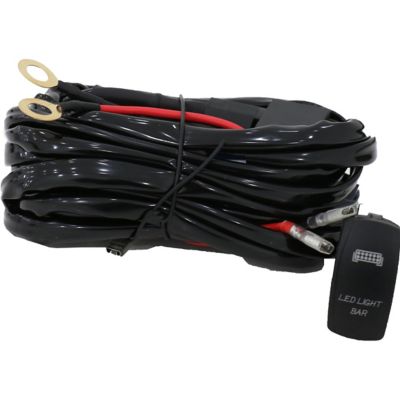
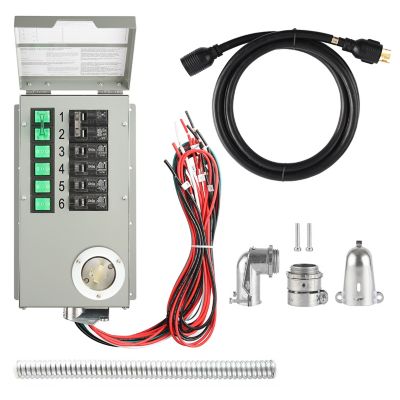
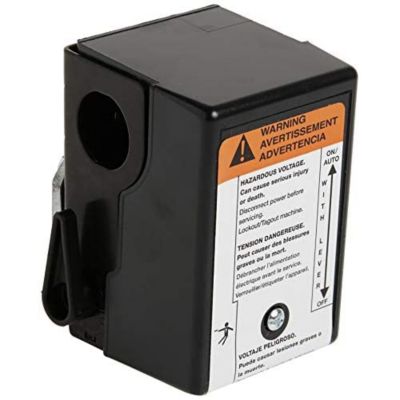
Relay switches can be helpful for farm trucks, tractors, trailers, utility vehicles, generators, livestock watering equipment, grain handling systems, gate operators, shop fans, and work lights. A farmer may add a relay so a small dash switch can control auxiliary lighting without routing all that current through the cab. In a barn or machine shed, a relay can help a thermostat, float switch, pressure switch, or timer control a pump or ventilation fan. During cooler months, the same approach may be part of a heater or frost-protection setup, while changing weather can make lighting and ventilation controls especially handy around sheds and work areas. Before ordering, identify the system voltage, the coil voltage, the load’s running and starting current, the number of terminals, and whether the circuit needs normally open or normally closed operation. Consider the mounting method as well. Some relays fit into a socket, some mount on a panel, and others attach to a DIN rail or another control enclosure. A socket can simplify inspection and replacement, while a sealed housing may be better where dust, moisture, mud, or vibration are part of everyday work. Terminal layout matters just as much as the rating; a wiring diagram should match the relay’s markings rather than relying on pin position alone. For alternating-current applications, review the selection of
AC Relays and confirm that the contacts are rated for the voltage and load type being switched. For direct-current systems, pay close attention to polarity when the relay includes a built-in diode or other protective component. A fuse or circuit breaker should protect the wiring and load circuit, and connections should be tight, insulated, and protected from rubbing against sheet metal. Disconnect power before working, follow the equipment manufacturer’s wiring diagram, and have a licensed electrician handle building wiring or any installation beyond your training. Relay switches are practical parts for people who maintain vehicles, repair farm equipment, manage a shop, or keep a property running through changing weather. They are usually purchased for a specific repair or project rather than as a gift, but a well-chosen relay can save time when a trusted neighbor, family member, or farmhand is restoring a work light, troubleshooting a control panel, or getting a seasonal system ready for dependable operation.