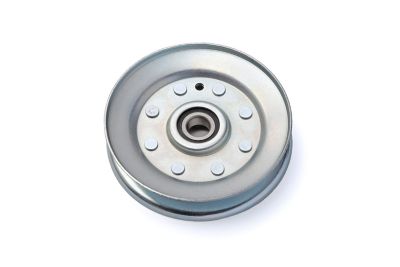
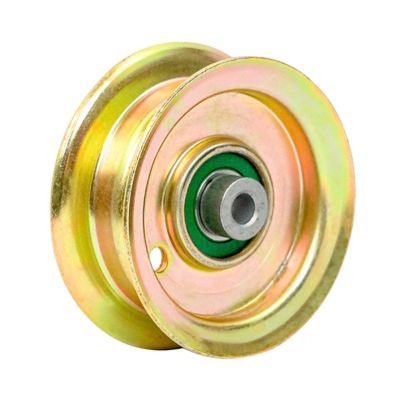
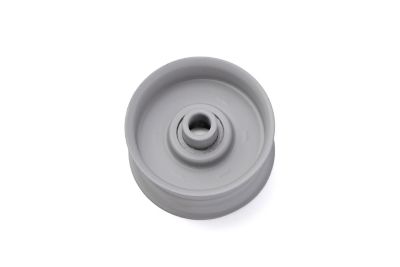
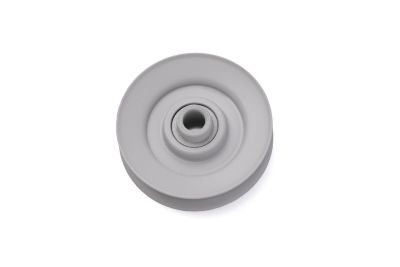
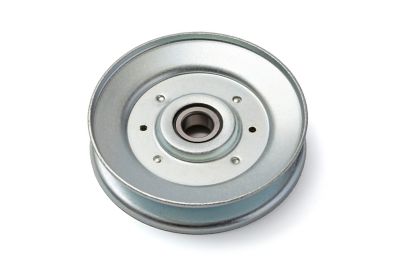
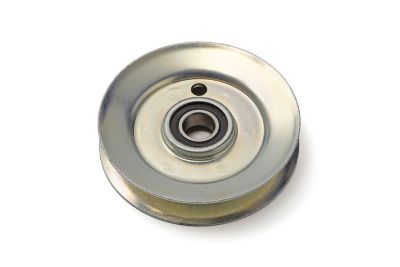
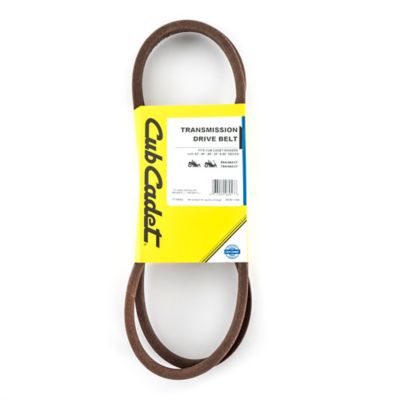
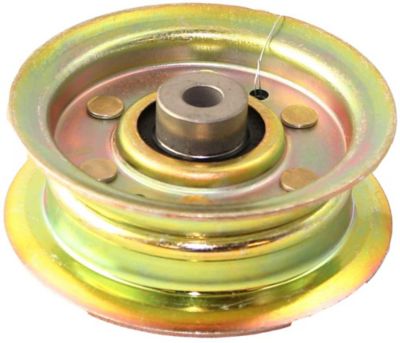
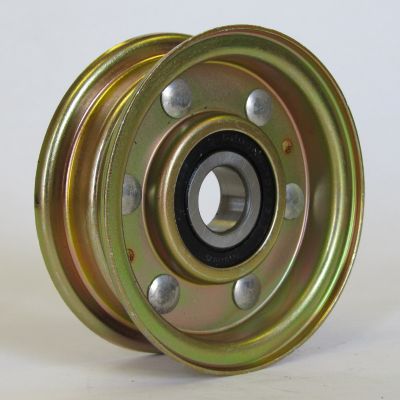
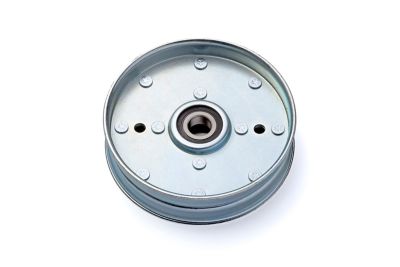
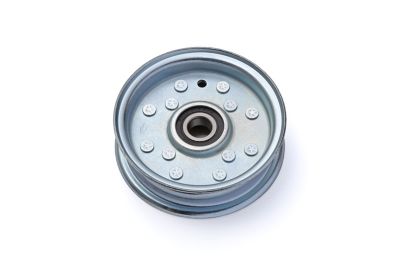
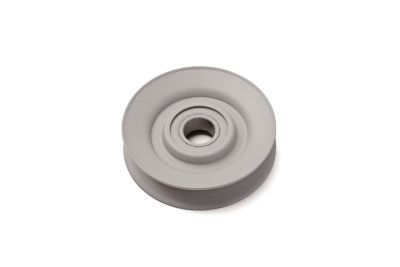
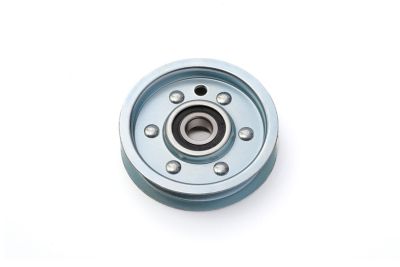
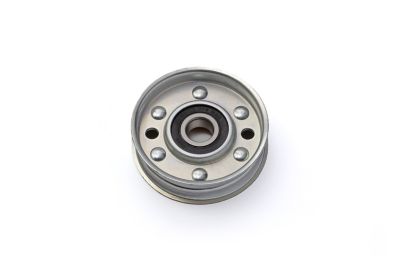
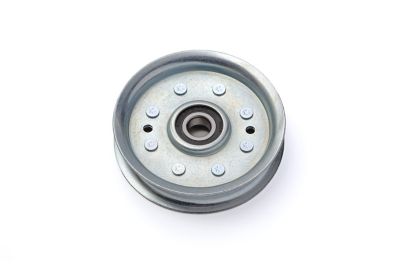
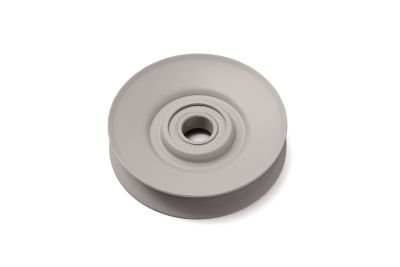
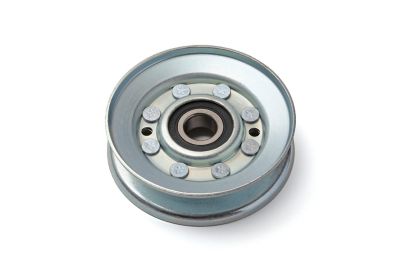
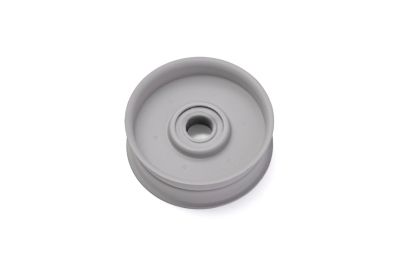
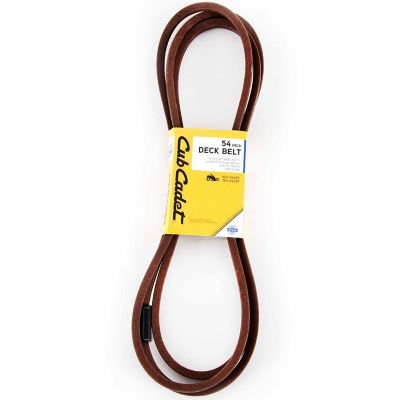
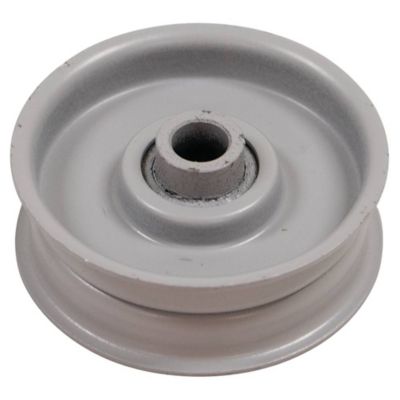
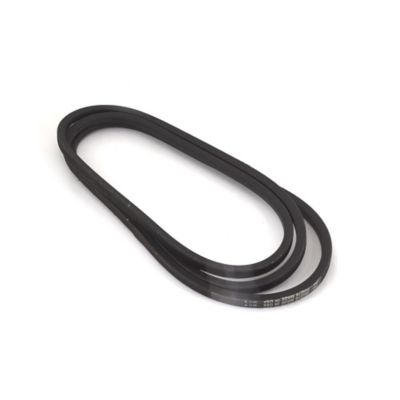
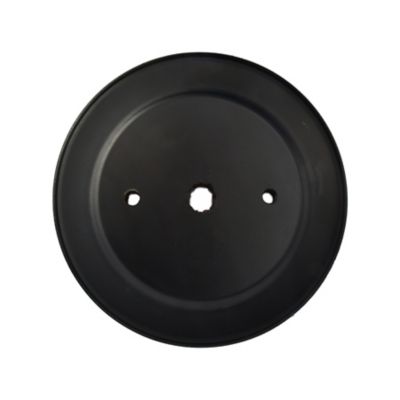
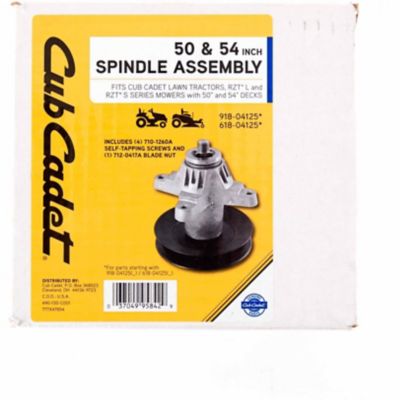
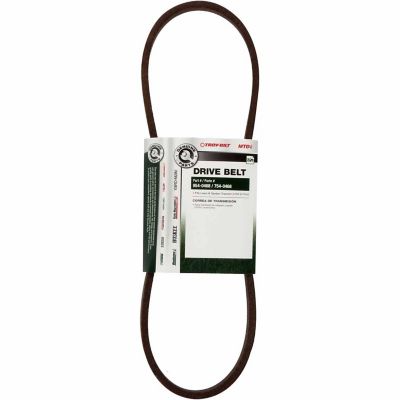
When it comes to keeping your lawn equipment, farm gear, or even your trusty riding mower running smooth through the long days of summer and into the cooler stretch of fall, the idler pulley belt is one of those small but mighty parts that often gets overlooked—until it starts to squeal, shake, or just plain give out. Folks who spend plenty of time mowing big yards, tending to pastures, or hauling feed know that a worn-out idler pulley can throw a real wrench in your plans, whether you’re gearing up for a day’s work or just trying to keep your property looking sharp. The job of the idler pulley belt is pretty straightforward: it helps guide and keep tension on the drive belt, making sure power gets where it’s needed—like the blades, transmission, or accessories—without slipping or stalling out. If you’ve ever heard that high-pitched squeal or noticed a belt looking frayed or loose, chances are your idler pulley is due for a swap. Folks tackling a cub cadet drive pulley replacement or similar repairs know that catching these issues early can save a lot of headaches down the line, especially when the grass is growing fast and there’s no time for breakdowns.
For anyone who’s ever spent a hot afternoon under the shade of an old oak, wrestling with a stubborn mower deck, you know the importance of having the right parts on hand. Idler pulley belts aren’t just for mechanics or seasoned DIYers—they’re a smart pick for anyone who wants to keep their equipment running without a hitch. Whether you’re a landowner managing a few acres, a homesteader with a growing list of chores, or just someone who likes to keep their own machines in top shape, having a spare idler pulley belt tucked away in the barn or shed can be a real lifesaver. They also make a handy gift for the tinkerer in your life, especially for those who’d rather fix things themselves than haul equipment into town for repairs. When the seasons shift and you’re swapping out attachments or prepping machines for storage, it’s a good time to check for signs of wear—like wobbling pulleys, cracked belts, or that telltale whining noise that means the bearings are giving out. Replacing the idler pulley belt along with your drive belt and tensioner is a solid move, since all those parts tend to wear out together from the dust, heat, and steady use that comes with life out here.
Picking the right idler pulley belt isn’t just about matching numbers or grabbing whatever’s on the shelf. You’ll want to check your owner’s manual, pay attention to the size, and make sure the pulley matches the specs for your machine—whether it’s a zero-turn mower, a garden tractor, or another piece of equipment. Durability matters, especially when you’re working through tough conditions or dealing with heavy loads. Look for pulleys with strong bearings and belts made to handle the kind of work you throw at them. And if you’re not sure where to start, there’s plenty more info to be found on our
Lawn Mower Pulleys page, where you can dig deeper into different types and find the best fit for your needs. Keeping up with regular inspections and swapping out worn parts before they fail is just part of the rhythm of rural life—one of those small investments that pays off big when your machines fire up just like they should, season after season.