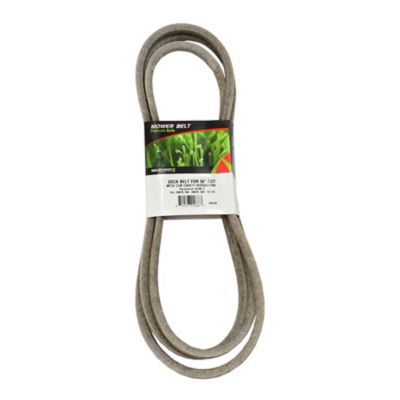
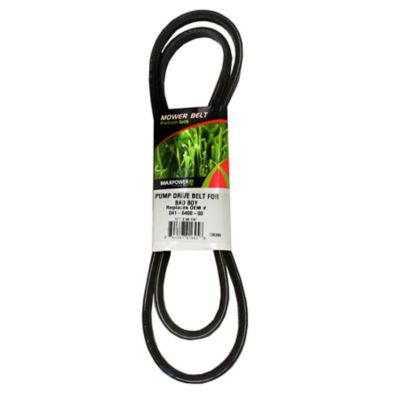
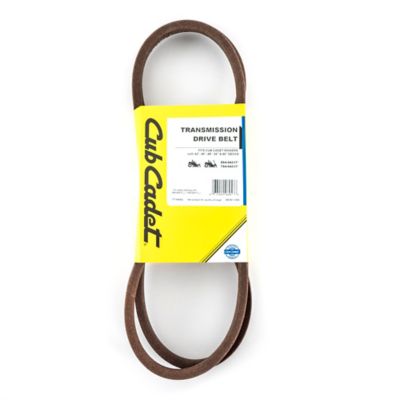
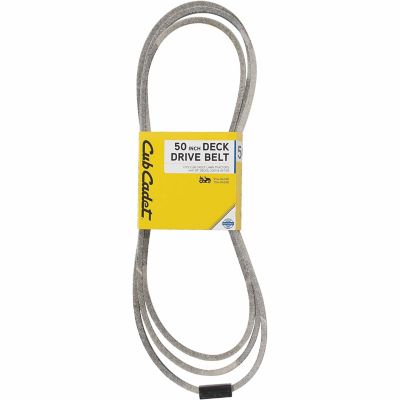
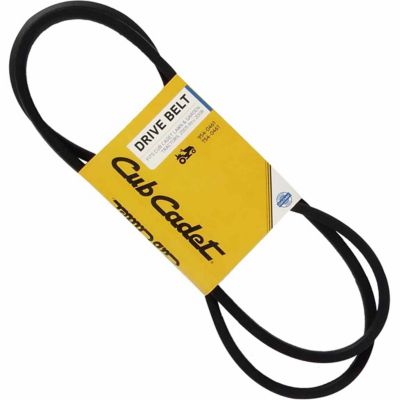
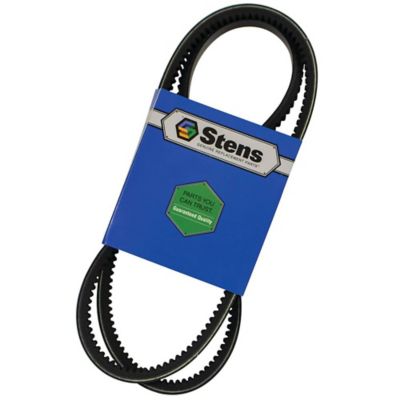
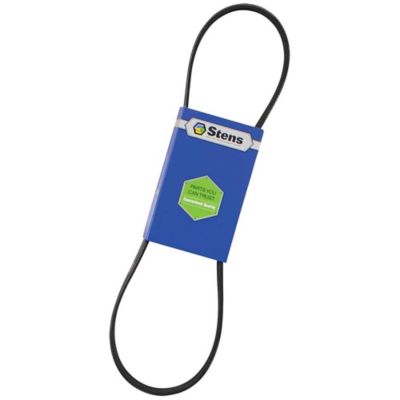
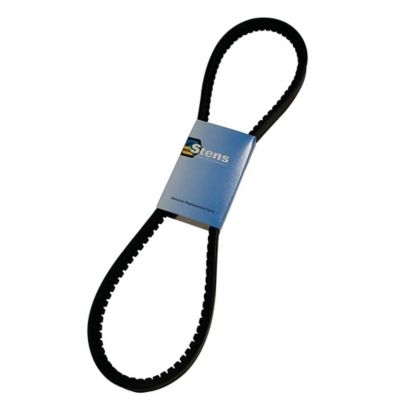
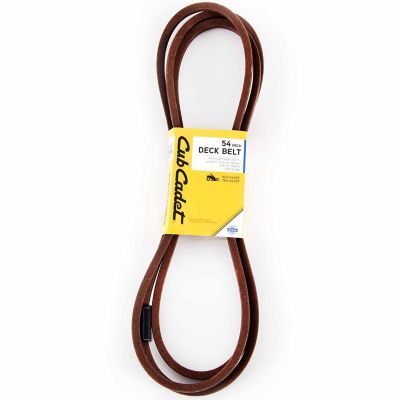
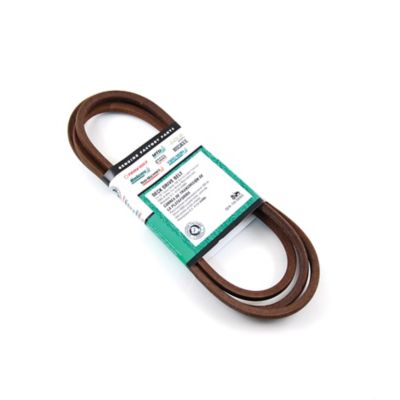
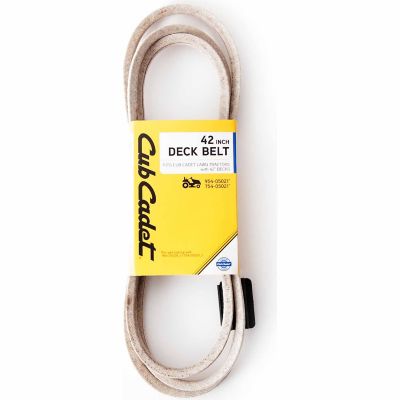
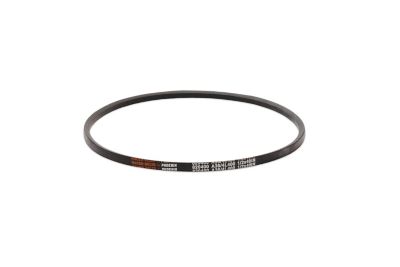
Replacement drive belts transfer power between pulleys so an engine or motor can turn the parts that do the work. On a riding mower, one belt may move the machine while another turns the cutting blades. On other equipment, a belt may run a pump, fan, compressor or another driven component. The right replacement matches the machine’s specified belt length, width, profile and construction—not just its general appearance. That fit matters whether the equipment handles a few chores around the place or puts in steady hours on a working property. A belt that slips can leave a machine struggling under load, while one that rides incorrectly in its pulleys can wear along the edges or put extra strain on nearby components. Replacement drive belts cover several designs, including V-belts, multi-rib belts and belts with teeth that engage matching pulleys. Each design transfers power a little differently, and those differences matter more than color or a quick side-by-side comparison. A mower that loses ground speed climbing a grade, a shop compressor that squeals when it starts or an accessory drive that chirps can all point toward a belt system needing attention. Those symptoms do not always mean the belt alone is at fault; tensioners, bearings, pulley alignment and contamination can contribute, too. For equipment owners, acreage caretakers, mechanics and folks keeping a busy workshop running, choosing the proper replacement is about getting power where it belongs without creating another repair down the road. Even belts on the same machine may have different jobs and different specifications. A deck belt and a traction drive belt, for instance, are not interchangeable simply because both fit beneath a mower. Knowing which function needs attention helps narrow the selection and keeps similar-looking belts from getting mixed up. The equipment manual, model number and original belt reference provide a much firmer starting point than appearance alone.
Belt construction helps explain why fit involves more than a tape measure. Many drive belts have a rubber or synthetic rubber body with internal tensile cords that carry the load and help control stretch. Depending on the design, those cords may contain polyester or aramid fibers, while an outer fabric wrap can help protect the belt’s surface. Other belts have exposed sidewalls or molded ribs to suit their pulley system. Cogged V-belts have notches that let the belt flex more readily around pulleys, but those notches are different from the teeth on a synchronous belt. A toothed belt needs the correct tooth shape, pitch and width to engage its matching pulleys. A multi-rib belt needs the proper rib count and profile, along with the specified length. These are working dimensions, not small details to overlook. Length descriptions also vary: an inside measurement, an outside measurement and an effective length may describe different points on the same belt. Matching numbers without checking how they are measured can lead to a poor fit. Equipment model and serial-number ranges can matter as well, since a manufacturer may change a drive arrangement within a model family. For machines with a belt-driven transmission,
Transmission Belts offer a related category to consider alongside the equipment’s replacement specifications. The intended duty matters just as much as dimensions. Some applications involve frequent clutch engagement, reverse bending around idlers or repeated starts under load. Others run at a steadier speed with fewer changes in demand. Belt construction must suit those conditions, so a general-purpose belt is not automatically a match for every piece of power equipment. Resistance to oil, abrasion and operating heat also varies by material and design. Descriptions of those properties are helpful, but the equipment manufacturer’s requirements remain the deciding factor. An old belt can provide a readable part reference, though wear, missing sections and changes in shape can make its measured dimensions less helpful than the original specification.
Service life depends on the whole drive system, not the belt alone. Smooth pulley grooves, sound bearings, correct alignment and proper tension give a replacement belt a better chance to do its job. Too little tension can allow slipping and friction heat; too much can load bearings and stress the belt. Some machines rely on spring-loaded tensioners, while others have an adjustment specified in the manual. There is no single tension setting that suits every application. A shiny, glazed surface, frayed edges, exposed cords, missing ribs or chunks of material are reasons for closer inspection. Oil or grease on a belt can affect grip and may damage materials, making the source of a leak worth addressing before a replacement goes into service. Packed grass, dust and other debris around guards and pulleys can also hide problems or interfere with operation. On a mower that works around fence lines and outbuildings, for example, a stick caught near an idler can damage an otherwise properly matched belt. In the shop, a rough bearing or a pulley sitting out of line can wear down a fresh belt without much warning. Inspection and replacement call for equipment that is fully shut down and secured, with its power source isolated as directed by the manufacturer. Guards belong back in place before operation, and routing needs to follow the machine’s diagram so the belt contacts each pulley as intended. Belt dressings and improvised tension changes are no substitute for finding a mechanical problem. Spare belts benefit from clean, dry storage away from direct sunlight, petroleum products and sharp bends that can damage internal cords. Keeping the package or belt reference with the equipment records makes the next match simpler. For a machine that earns its keep hauling, mowing, pumping or powering shop work, a properly matched drive belt is a small component with a big role in keeping everyday jobs moving.