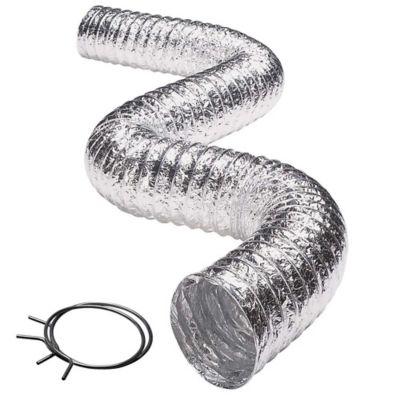
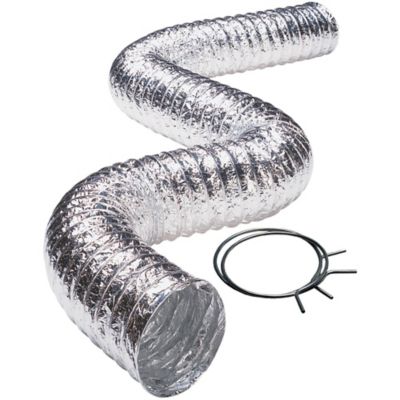
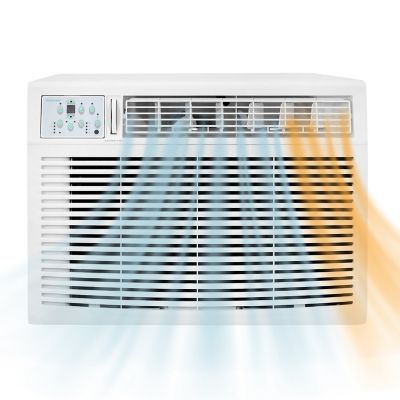
HVAC supplies support the heating, ventilation and air conditioning systems that help make a house, shop or farm office a more comfortable place to spend the day. Behind that comfort is a network of connections, air passages and control components that need to work together. A room at the far end of a house has different demands than an enclosed workspace with a tall ceiling, and a small office tucked beside a shop may have its own layout and operating schedule. The right supplies depend on the equipment, the building and the job, whether that means maintaining an existing system, replacing a worn connection or supporting a professionally planned improvement. For homeowners, property caretakers and tradespeople, fit starts with more than a rough measurement. Nominal sizing, actual dimensions, connection style and equipment specifications all matter, particularly where older construction meets newer equipment. Two components that look close in size may not join properly or serve the same purpose. Airflow requirements matter just as much: a system needs an appropriate path to move air without unnecessary restrictions, excessive leakage or added noise. Long runs, tight turns and limited installation space can all affect which materials and configurations belong in the project. Around a rural property, the intended setting deserves a close look, too. A finished room, an enclosed utility area and an agricultural outbuilding do not necessarily have the same requirements for ventilation, moisture management or equipment protection. Supplies intended for indoor residential service should not automatically be treated as suitable for every shop or farm application. Matching components to the system’s stated requirements helps keep the focus on steady operation rather than a patchwork of parts that happen to connect. Clear dimensions, application details and installation requirements are especially helpful when a repair needs to fit into an existing space without creating another job down the line. That practical fit matters whether the work is part of routine upkeep or a larger building project.
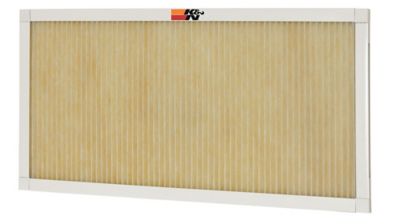
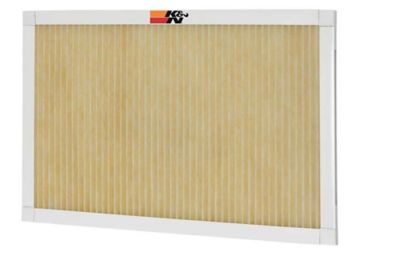
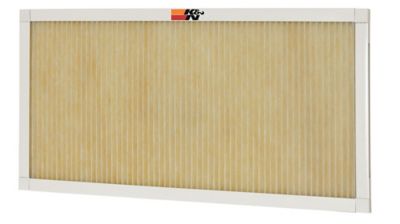
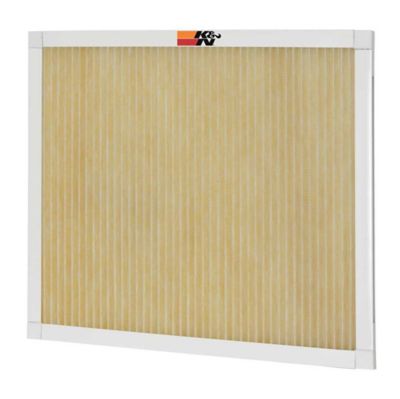
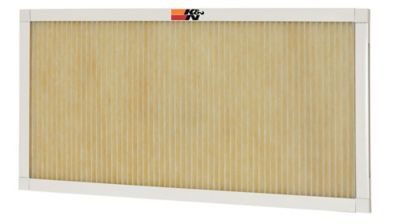
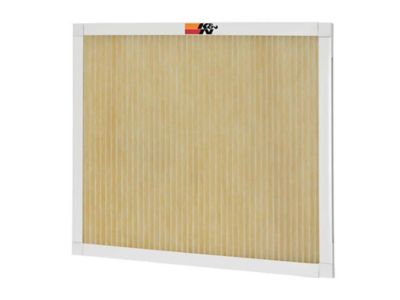
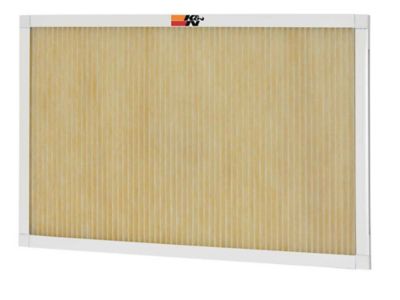
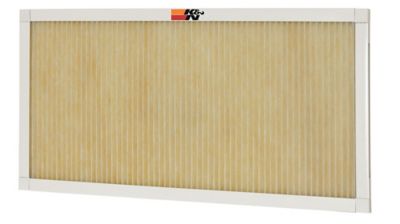
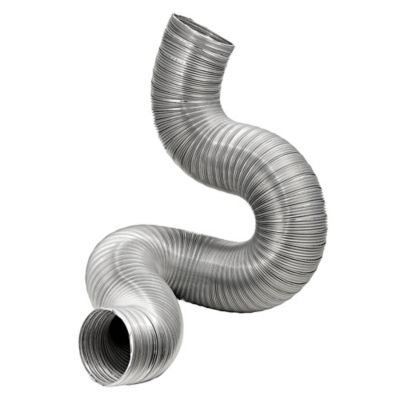
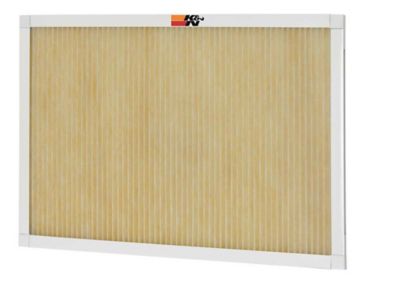
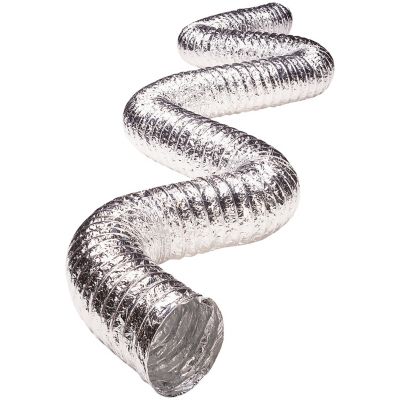
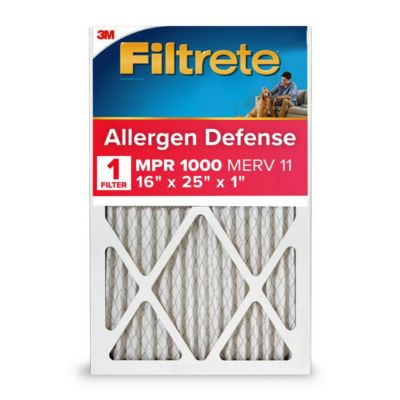
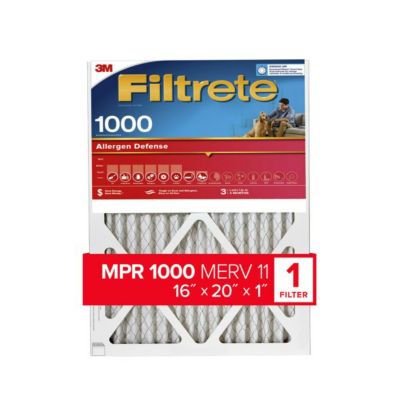
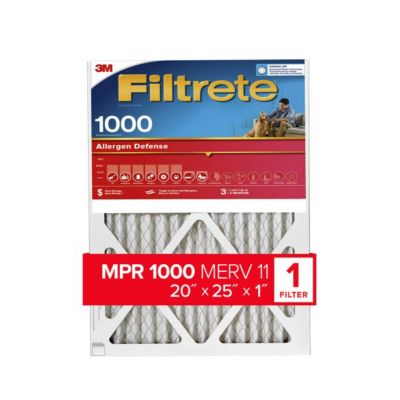
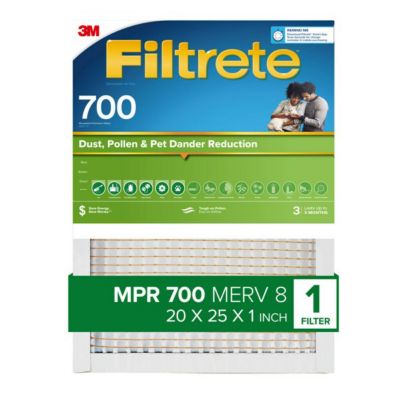
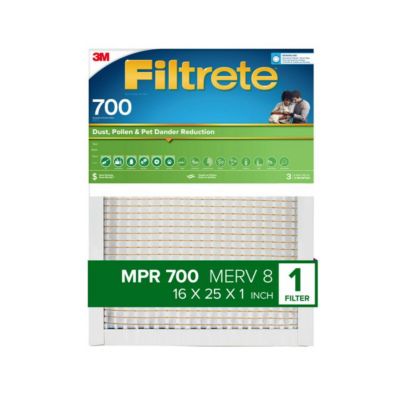
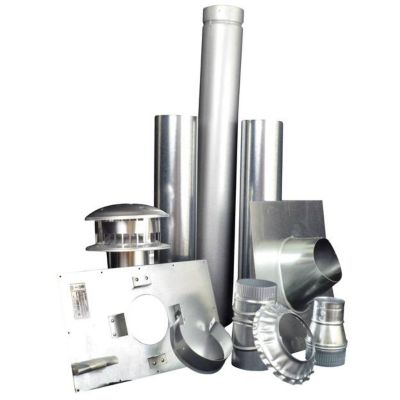
Material choice makes a real difference in how HVAC supplies fit their surroundings and hold up through regular operation. Metal components can provide a firm air pathway, but the type of metal, its finish and its compatibility with adjoining materials all deserve attention. Spaces with persistent dampness or exposure to corrosive substances may call for different specifications than a dry interior room. Flexible materials can accommodate certain layouts, though their permitted length, support requirements and bend limits still matter; flexibility does not mean a component belongs in every tight corner. Insulated materials bring another set of considerations, including thermal performance, thickness, facing and the space needed around the finished assembly. Moisture control is part of that picture. When a surface falls below the surrounding air’s dew point, condensation can form, making insulation details and an appropriate vapor barrier important where the system design calls for them. Connection and sealing materials also need to match their application, including the surface, operating temperature and any applicable listing requirements. An all-purpose material from another part of the shop is not necessarily a suitable substitute for something specified for HVAC work. In a low crawl space or a crowded utility closet, access can be just as important as material selection. Components need enough room for proper installation, inspection and eventual service, without blocking equipment access or interfering with nearby building systems. Filtration involves a similar balance between intended performance and equipment compatibility. A higher filtration rating is not automatically a better fit for every system, since added resistance can affect airflow. The correct dimensions, seating and manufacturer-supported rating help the filtration section do its job without placing an unintended burden on the equipment. These details may not draw much attention once everything is in place, but they shape how well the whole setup serves the room. They also help distinguish supplies that merely look suitable from those that meet the actual demands of the installation, including clearance, pressure and service conditions.
Everyday upkeep is another reason to think about HVAC supplies as part of a complete system rather than separate pieces. Dust from foot traffic, pet hair in living spaces and debris carried in from the yard can all add to the load on household air systems. A shop may present a different mix of particles, and general heating or cooling equipment is not a substitute for dedicated collection or extraction where a process requires it. Keeping routine service points accessible makes it easier to follow the equipment manufacturer’s maintenance schedule and notice issues such as loose connections, damaged insulation or moisture where it does not belong. Care requirements vary by material, so cleaning methods should suit the component rather than whatever cleaner happens to be nearby. Proper storage before installation matters as well; connection surfaces and insulating materials need protection from dirt, crushing and moisture so they can perform as intended. For projects that involve smaller supporting parts,
HVAC Accessories belongs in the same planning conversation as the main equipment and air distribution layout. Compatibility still comes first, including electrical ratings, control requirements and the equipment’s approved applications. Electrical connections, refrigerant work, fuel-burning equipment and changes that affect combustion air or venting call for qualified professionals and attention to local codes. General room ventilation should never be treated as a way to make indoor operation of outdoor-only equipment safe. Whether the goal is a comfortable kitchen, a practical home office or an enclosed work area, the strongest match comes from supplies suited to the building and the way that space functions. A quiet reading room may put more emphasis on sound, while a frequently occupied workspace may place greater demands on ventilation and service access. Well-matched materials, sensible access and attention to system requirements help support day-to-day comfort without overlooking the working parts behind the walls, above the ceiling or beside the equipment. Those are worthwhile considerations for a property owner managing routine maintenance and for a contractor planning a more involved installation.